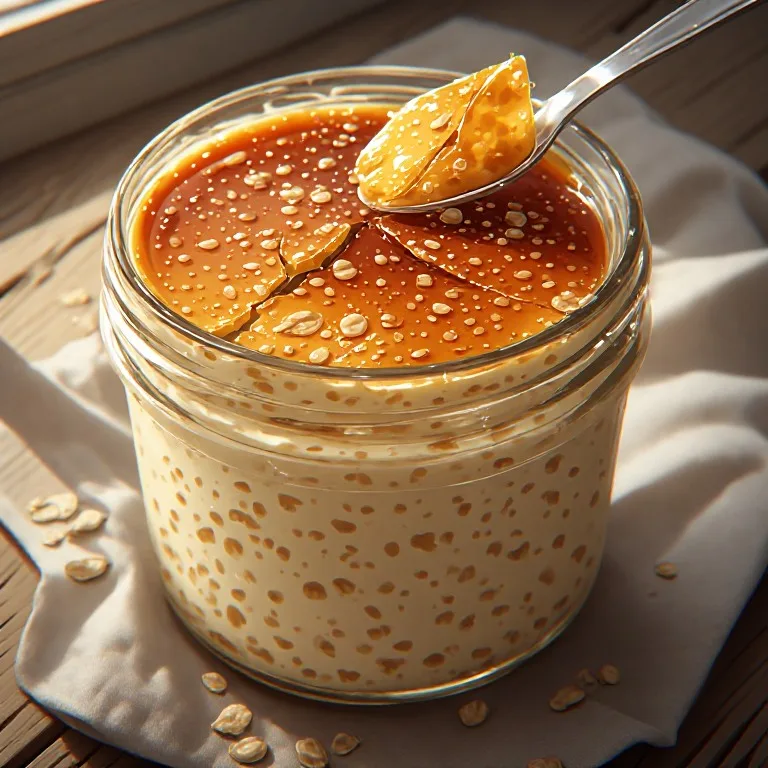



There are three seconds between breaking through the sugar shell and the moment you taste it — and those three seconds are the reason this trend has hundreds of millions of TikTok views.
The crack is real. The cold creamy oats underneath are real. And the technique that makes it work is exactly the same physics as a restaurant crème brûlée: a cold base, a dry surface, a thin sugar layer, and heat fast enough to caramelize before moisture can interfere.
The difference is that your overnight oats jar replaces the ramekin of chilled custard, and your kitchen torch does the same job it always does.
What Makes This Work (and Why Most Attempts Fail)
A traditional crème brûlée is chilled custard in a ceramic ramekin. The cold custard conducts heat away from the sugar quickly, helping the caramel shell set before it can penetrate into the base below. The same thing happens with overnight oats: the cold oats pull heat away from the sugar as it cools, locking it into a brittle, glassy sheet in under 60 seconds.
The failure cases all have the same root cause — moisture:
Failure 1: Wet surface. Condensation from the cold jar migrates to the top of the oats while you’re prepping. If you torch wet sugar, you get sticky syrup, not a shell. Pat the surface dry with a paper towel before you add a single grain of sugar.
Failure 2: Sugar layer too thick. A thick pile of sugar caramelizes on the top, burns before the interior fully melts, and produces a shell that’s charred on top and crystallized underneath. 1½ teaspoons spread so thin you can almost see the oats beneath it — that’s the target.
Failure 3: Wrong torch angle. Hold the flame too close (under 2 inches) and you scorch the center while the edges stay raw. Hold it too far (over 5 inches) and the heat disperses before caramelizing. Keep the flame 2–3 inches above the surface and move it in continuous slow circles, never stopping in one spot.
Failure 4: Waiting to eat it. The shell is temporary. Moisture from the oats migrates upward and begins dissolving the sugar from underneath within 15–20 minutes. Crack it and eat it immediately after it hardens — there is no version of this recipe that keeps until lunch.
The Base: What Actually Matters
The overnight oat base is the canvas. For the brûlée technique to work, it needs to be thick enough to hold a level, dry surface — a loose, runny base keeps pushing moisture upward even after you pat it dry.
Rolled oats are non-negotiable. Instant oats turn to mush overnight. Steel-cut oats barely soften in cold liquid. Old-fashioned rolled oats absorb their liquid fully but hold their shape, giving you a thick, spoonable base that stays in place.
Full-fat Greek yogurt over low-fat or plain yogurt. The fat and protein in full-fat Greek yogurt create a thicker base that holds together better. Low-fat yogurt produces a wetter base with less structure, which makes the sugar-over-moisture problem worse.
The vanilla and maple syrup do more than flavor. Maple syrup brings a butterscotch undertone that reads as “caramel” even before the sugar shell goes on. Vanilla is doing the crème brûlée mimicry — your brain expects it under the caramelized sugar, and you taste it that way.
The Sugar: Three Options
Granulated white sugar is the standard and the most reliable. Fine, dry, and evenly sized crystals spread consistently and caramelize at a predictable temperature (320°F).
Brown sugar adds molasses depth and caramelizes faster — keep your torch moving quickly. It also creates a darker, more complex shell with a slight toffee note. The moisture content in brown sugar is higher, so work fast.
Erythritol (1:1 sugar replacement) is the sugar-free version of the trend. Cook 6 teaspoons of erythritol with 1 teaspoon of water in a small saucepan over medium heat until it reaches a boil and turns clear, about 2 minutes. Pour carefully over the surface, tilt to spread, and refrigerate 15–20 minutes until hardened. Erythritol does not torch the same way as sugar — it re-crystallizes rather than caramelizes — so the stove method gives a better result.
The Timing: Prep vs. Torch
The prep and the torch cannot both happen in the morning if you’re in a rush. Make the oat base in batches — four or five jars on Sunday evening, sealed in the fridge. Each morning, take out one jar, level and dry the surface, add the sugar, torch, wait 60 seconds, crack, eat. The active work is under 3 minutes.
The Egg Yolk Version
If you want to move closer to the actual crème brûlée experience, whisk one egg yolk into the base before refrigerating. The yolk’s proteins partially thicken overnight in the cold, creating a denser, custard-like interior that’s noticeably richer than the yogurt-only version. It also adds about 5 grams of protein. Because the yolk stays raw, use a pasteurized egg — the same precaution you’d take for tiramisu, mousse, or homemade Caesar dressing — keep the jar refrigerated, and eat within 48 hours. If you’re pregnant, immunocompromised, or serving young children or older adults, skip the raw yolk and use the yogurt-only base.
Five Variations
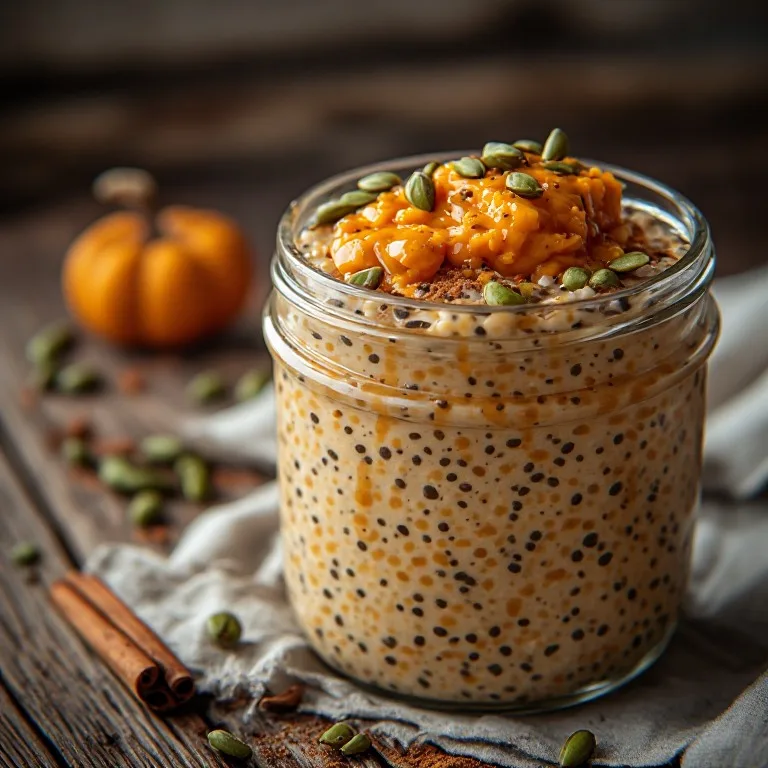
Pumpkin spice. Add 2 tablespoons pumpkin puree + ¼ teaspoon pumpkin pie spice to the base. The pumpkin thickens the base and pairs with the caramelized sugar the way it pairs with a salted caramel drizzle. Brown sugar on top instead of white.
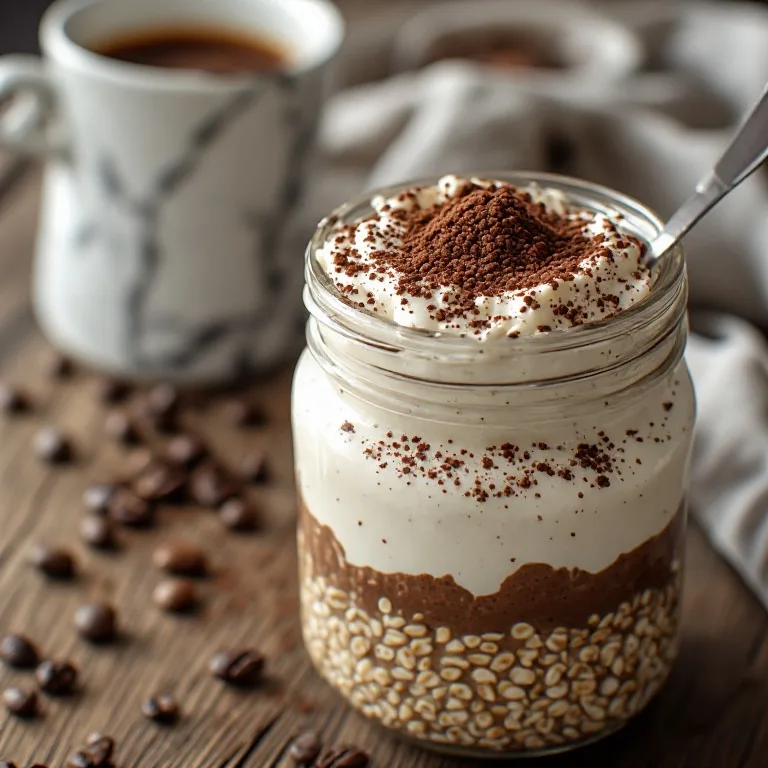
Chocolate espresso. Add 1 tablespoon unsweetened cocoa powder to the base. For the topping, mix 1 teaspoon sugar with ¼ teaspoon fine espresso powder, then torch. The espresso darkens at the edges slightly faster, so use a lighter hand.
Berry brûlée. Layer ¼ cup of fresh strawberries or raspberries on top of the oats before the sugar. The berries caramelize at the edges when torched, releasing a little juice that mixes into the sugar shell. Eat within 5 minutes — the berry juice accelerates re-dissolving.
High-protein (25–30g). Stir one scoop of vanilla protein powder into the base with the oats. Reduce maple syrup to 1 teaspoon since most protein powders are sweetened. Full-fat Greek yogurt + protein powder brings total protein to 25–30 grams per jar.
Vegan. Full-fat coconut yogurt instead of Greek yogurt. Oat milk or cashew milk for the liquid. The coconut yogurt keeps the base thick; thin nut milks (like almond milk) may produce a looser base — add 1 teaspoon of chia seeds to compensate.
What to Pair It With
The jar is a full breakfast on its own. If you want something alongside it, the crème brûlée flavor profile pairs naturally with an espresso or a strong black coffee — the bitterness cuts through the sweetness of the caramel shell. A small dish of fresh berries works well if you didn’t put them directly in the jar.
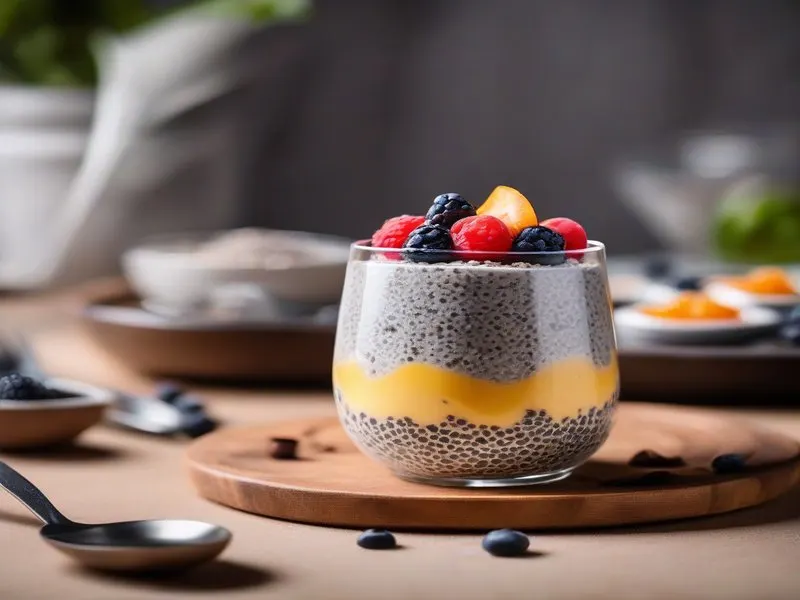
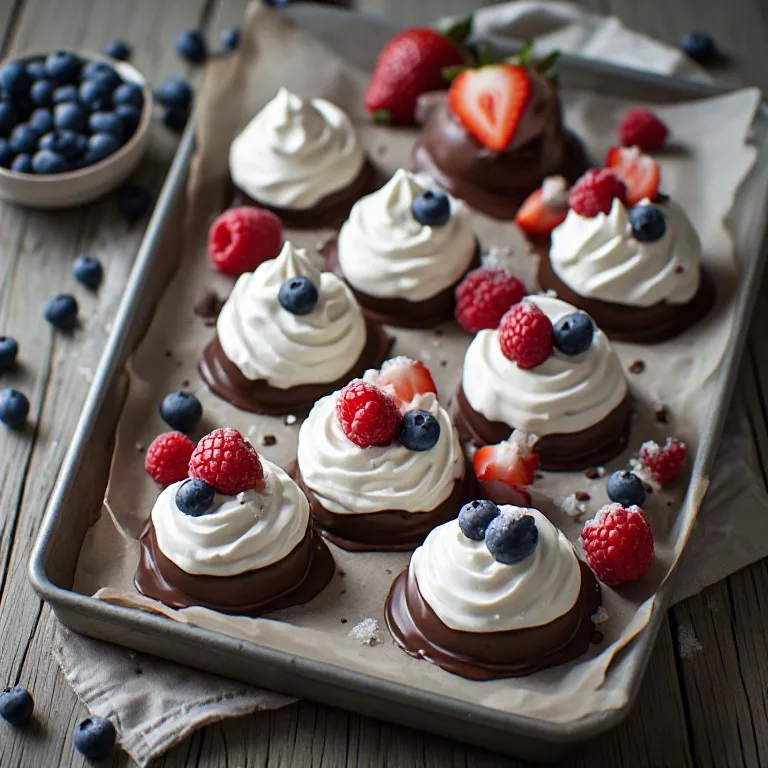
Other cold, prep-ahead breakfasts that follow the same make-the-night-before logic: viral TikTok chia pudding for a no-oats alternative, and frozen yogurt fruit clusters for something with a similar cold-base, textural-contrast concept.
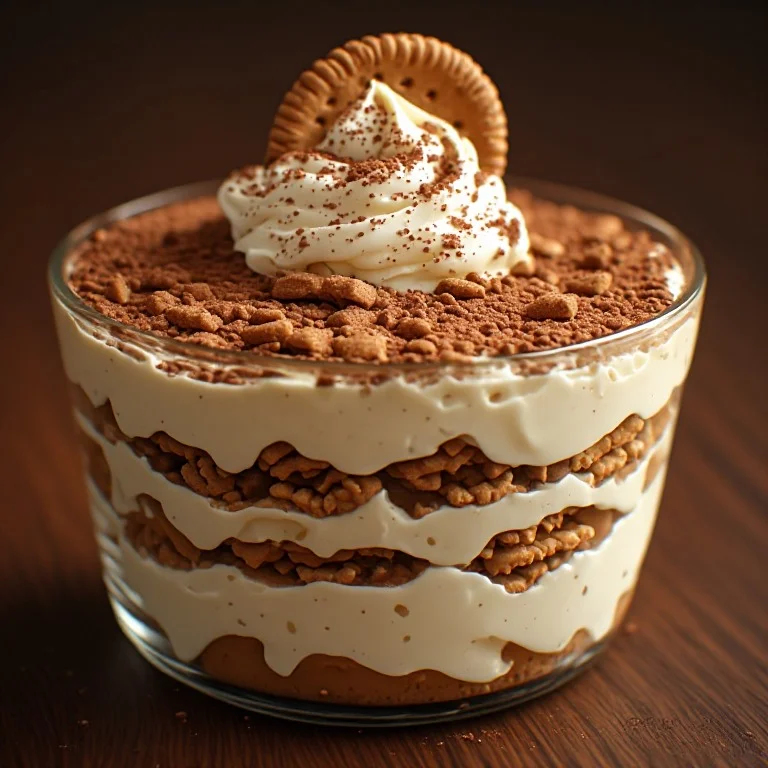
For a cold dessert-breakfast that leans the other direction (rich, no torching required), viral TikTok Biscoff yogurt tiramisu uses the same yogurt-base structure without any heat.