


Pin It

Viral TikTok French Onion Soup Potatoes

Viral TikTok French Onion Soup Potatoes
Jump to Recipe
Prep 15 min Cook 1 hr 20 min Serves 4
Quick answer: Bake large russet potatoes at 400°F for 60–75 minutes until completely tender. While they bake, caramelize 3 large yellow onions in butter and olive oil over medium-low heat for 35–45 minutes, deglaze with dry white wine, then add beef broth and fresh thyme until glossy and reduced. Slash the potatoes in an X, push open, scoop out a small cavity, and season with butter, salt, and pepper. Pack with caramelized onions, top generously with shredded Gruyère, and broil 3–5 minutes until bubbling and golden brown.

Viral TikTok French Onion Soup Potatoes

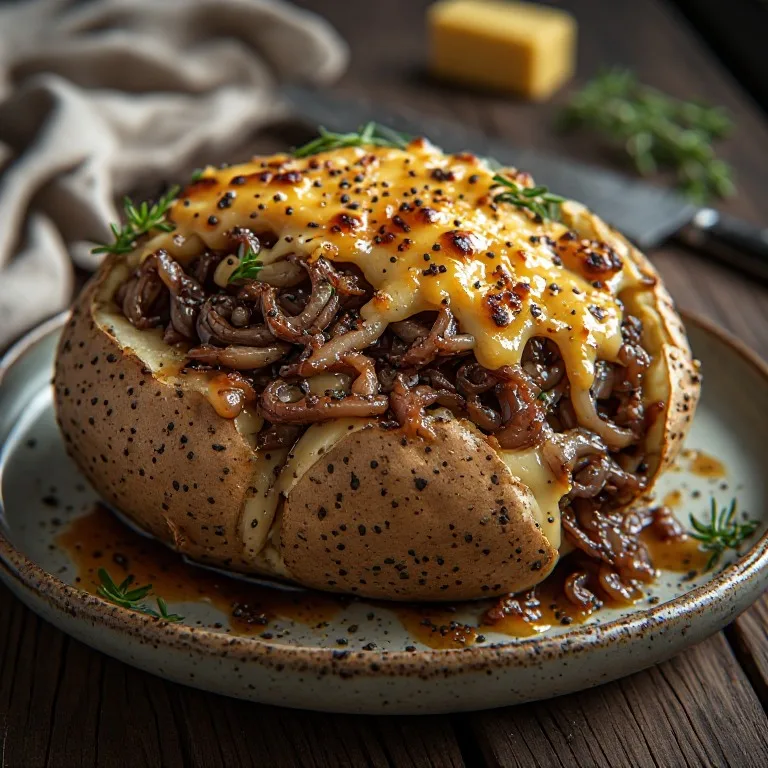
The viral TikTok French onion soup potatoes: whole russet potatoes baked until fluffy, then stuffed with deeply caramelized onions, beef broth, and bubbling Gruyère cheese — all the flavor of French onion soup, but inside a potato.

Medium Prep: 15 min Cook: 1 hr 20 min Total: 1h 35m4 servings ~$4.50/serving
Prep15 min
Cook1 hr 20 min
Total1h 35m
Servings
4
At home~$4.50/serving
vs
Restaurant~$20.25/serving
You save ~78%

The Story Behind the Recipe

French onion soup has been the template for TikTok food mashups since 2022, when the French onion pasta went viral and proved that caramelized onions plus Gruyère make almost anything better. The potato version followed a logical next step: instead of bread at the bottom of a soup crock, use a whole baked potato. Taste of Home called it "the TikTok food mashup we can't get enough of," and the format resurfaces every fall when comfort-food searches spike. The dish works visually because the X-cut potato fans open and the caramelized onions spill out under a golden cheese crust — exactly the dramatic reveal TikTok rewards.

A restaurant loaded baked potato runs $9–14 and usually means sour cream, bacon, and cheddar. This version costs roughly $3 per potato and tastes like a restaurant French onion soup crock got merged with a steakhouse side. The one technique that actually matters: the caramelized onions take 35–45 minutes of patient stirring over medium-low heat. No shortcut produces the same depth, and that depth — sweet, savory, almost wine-dark — is the whole reason the mashup works.

Nutrition Facts

Per serving (4 servings)
Calories480
Total Fat22g
Total Carbs57g
Dietary Fiber5g
Sugars9g
Protein16g
Sodium770mg

* Estimated values based on standard recipe preparation. Actual values may vary.

Ingredients

  • For the potatoes
  • For the caramelized onion filling
  • For the topping

Instructions

💡
Pro tip: This recipe tastes even better the next day. The flavors need time to meld together in the fridge.
❄️
Storage: Keeps in an airtight container in the fridge for up to 2 weeks. Freezer-friendly for up to 3 months.
🎃 Free Halloween cookbook — download now The Copycat Halloween Cookbook A ready-made, photo-illustrated PDF of our best halloween copycat recipes — free to download, no building required. Pay what you want to support if you love it.

Free PDF — instant download. We'll also send new seasonal copycat recipes now and then; unsubscribe anytime. Or just download it →

Viral TikTok French Onion Soup Potatoes — Everything You Love About the Soup, Inside a Potato

The French onion soup mashup formula has been one of TikTok’s most reliable templates: take the signature elements of French onion soup — deeply caramelized onions, beefy broth, bubbling Gruyère — and graft them onto something else. French onion soup pasta went viral in 2022. French onion chicken in 2023. French onion rice. French onion grilled cheese. French onion meatballs. The pattern works because the flavor combination is genuinely extraordinary, and putting it inside or on top of a new vehicle just gives new audiences a reason to search for it.

The potato version is the most intuitive iteration yet: a whole russet potato acts as an edible bowl, the slashed interior is packed with jammy, slow-caramelized onions braised in white wine and beef broth, and the whole thing gets Gruyère melted on top under the broiler until golden and bubbling. You get crispy potato skin, fluffy starchy interior, onion filling with wine-dark depth, and a cheese crust that mirrors the top of a restaurant French onion soup crock. Taste of Home called it “the TikTok food mashup we can’t get enough of,” and it keeps resurfacing every fall.

The Two Versions — and Why One Is Actually Worth Making

Before you get to the recipe, it’s worth being honest about the viral TikTok shortcut version versus the from-scratch version, because they produce meaningfully different results.

The TikTok shortcut uses canned condensed French onion soup plus a packet of dry onion soup mix, tossed with diced potatoes and butter, then baked until tender. It’s genuinely easy and the result is savory. But it doesn’t taste like French onion soup — it tastes like well-seasoned potatoes with a strong onion-powder note, which is not the same thing. The depth of a real French onion soup comes from the aromatic compounds that form when you caramelize fresh onions for 35–45 minutes over low heat. No powder, no can, no shortcut produces those compounds.

The from-scratch version takes more time but delivers the flavor the viral videos actually suggest. The technique isn’t complicated — it’s patient. You will spend 35–45 minutes stirring onions.

The Caramelization Science (So You Know Why It Takes Time)

Raw onions are approximately 89% water. Before the surface temperature can reach the 285–330°F needed for Maillard browning reactions, that water has to evaporate. For the first 20–25 minutes of cooking, the onions are essentially simmering in their own liquid — they soften and turn translucent but don’t brown. The temperature at the surface stays near 212°F (boiling point) as long as liquid is present.

Only after most of the moisture cooks off does the temperature rise, the sugars concentrate, and the browning reactions begin — producing the amber color and the sweet, sulfur-free, almost wine-like flavor of properly caramelized onions. Cooking on high heat to “speed things up” steams the onions rapidly and scorches the exterior before the sugars have time to properly caramelize. You get bitter, unevenly cooked onions with none of the sweetness.

Medium-low heat, 35–45 minutes, patience. That’s the technique.

The Gruyère Broil: Replicating the Soup Crock

The signature finish of French onion soup is the cheese crust: Gruyère (sometimes Swiss) melted under a broiler until bubbling and golden-brown, forming a slightly crisp shell over the soup. The viral TikTok French onion potatoes replicate this specifically.

Two things make the broil work correctly on a potato:

  • The potato must be at or near serving temperature when it goes under the broiler. If the filled potato is cool, the cheese browns before the interior heats through, and you eat warm cheese over a lukewarm potato. Stuff the potatoes while they’re still hot.
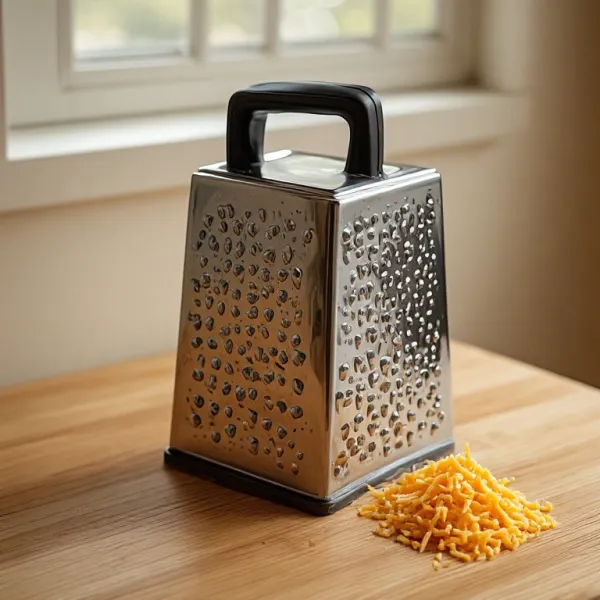
  • The Gruyère should be shredded fresh from the block. Pre-shredded Gruyère contains anti-caking starches that prevent the clean, even melt you need. Fresh-shredded forms the glossy, bubbling crust; pre-shredded tends to clump and brown unevenly.
Gruyère vs. Swiss — Which One?

Gruyère (Gruyère AOP) is the historically correct cheese for French onion soup, used since the dish was documented in mid-18th century France. It’s a cave-aged alpine cheese, aged a minimum of 5 months (most sold in American grocery stores is 8–12 months), with a nutty, slightly fruity, faintly earthy flavor that complements caramelized onions without competing with them. It melts cleanly under a broiler and forms the golden crust the dish is known for.

Swiss Emmental is a legitimate substitute — same flavor family, milder in depth, with the characteristic holes in the cheese body. Comté, the French cousin of Gruyère, works identically. What doesn’t work well: sharp American cheddar (too assertive), mozzarella alone (melts beautifully but contributes almost no flavor), and Parmesan alone (too sharp and doesn’t melt into a crust the same way).

If budget is a concern, a blend of Gruyère and Swiss (50/50) is more economical than all-Gruyère and nearly as good.

🥗

Make It Healthier

Love Viral TikTok French Onion Soup Potatoes but want a lighter version? Try these simple swaps:

  • ✓Use mushroom broth instead of beef broth to make the filling fully vegetarian — porcini mushroom broth provides comparable umami without the animal products.
  • ✓Replace 1 tablespoon of butter in the onion filling with a tablespoon of olive oil — the caramelized flavor develops the same way with slightly less saturated fat.
  • ✓Reduce Gruyère to 1.5 cups instead of 2 — the intensely flavored caramelized onions carry the dish; the cheese is a finish, not the foundation.
  • ✓Use medium potatoes (6–8 oz) instead of large ones for a side-dish portion at about 340 calories per serving.

Frequently Asked Questions

What makes this different from a regular loaded baked potato?

A loaded baked potato uses toppings that contrast with the potato — typically cool sour cream, crispy bacon, and sharp cheddar, which balance the potato's starchy neutrality. A French onion soup potato replaces that contrast with reinforcement: the caramelized onion filling and beefy broth are both warm, savory, and deeply umami, which turns the potato into a vehicle for soup flavors rather than a blank starch canvas. The Gruyère broiled on top replicates the cheese crust on a French onion soup crock. The textures also differ — no cool, tangy sour cream here, just soft jammy onions and a melted cheese crust. Think of it less as a 'loaded' potato and more as an edible soup bowl.

How long does it actually take to caramelize onions for this recipe?

35–45 minutes over medium-low heat — not the 5–10 minutes many recipes claim. Raw onions are roughly 89% water. That water has to evaporate before the surface temperature can climb high enough for browning to occur. For the first 20–25 minutes the onions soften and turn translucent but don't brown — they're essentially simmering in their own liquid. Only after most of the moisture cooks off does the Maillard reaction begin, producing the amber color and deep sweet-savory flavor. Trying to rush with higher heat steams and scorches the onions without building that flavor. The only real shortcut: adding 1/4 teaspoon of baking soda per pound of onions in the first few minutes. The alkalinity accelerates browning and cuts the time to about 20 minutes, though the texture becomes slightly softer.

Can I use the canned soup shortcut instead of caramelizing from scratch?

The TikTok convenience version uses one 10-oz can of condensed French onion soup, one packet of dry onion soup mix, and melted butter — you toss diced potatoes in that mixture and bake until tender. It's genuinely fast (no 40-minute caramelization) and the result is savory and decent. But it doesn't taste like French onion soup — it tastes like seasoned potatoes with a strong onion-powder note. The depth you're after comes from actual caramelized fresh onions and real beef broth, which produce aromatic compounds (sulfur-based flavor molecules, Maillard compounds) that no powder or canned shortcut can replicate. If you want the dish to wow people the way the TikTok videos suggest, caramelize the onions from scratch.

What cheese works if I can't find Gruyère?

Comté is the best substitute — it's the French equivalent of Gruyère, aged similarly, with comparable nutty and slightly sweet flavor. Swiss Emmental is a solid fallback with the same flavor family but milder depth. Fontina melts extremely well and has a nutty character that approximates Gruyère. Mozzarella works for the visual cheese pull and bubbling effect but adds almost no flavor — if you use it, blend in 50% Gruyère or Swiss to keep the French onion soup profile. Avoid American cheddar: sharper and more assertive, it competes with the onion flavor rather than complementing it. The one thing all three best-choice cheeses share: they're cave-aged alpine cheeses with a similar moisture and fat content that makes them melt cleanly under a broiler without breaking.

How do I prevent the caramelized onions from making the potato soggy?

Two steps prevent sogginess. First, reduce the caramelized onion mixture until almost no liquid remains before stuffing — if the onions still have runny broth around them, that liquid will steam the potato interior and make it wet. The filling should be glossy and jammy, not wet and soupy. Second, create a small barrier: scoop out a tablespoon of potato flesh from the cavity before filling, then press the scooped-out area lightly with a paper towel to absorb surface moisture. The potato's own starchy flesh at the edge acts as a natural barrier; the problem only occurs when the filling is too liquid and overwhelms it.

Can I make French onion soup potatoes ahead of time?

Yes — in stages. Bake the potatoes up to 24 hours ahead, cool, wrap, and refrigerate. Caramelize the onions up to 3 days ahead (they actually improve after a day in the fridge as flavors deepen). To finish: reheat the potatoes in a 350°F oven for 15–20 minutes until warmed through, then stuff with reheated caramelized onions (microwave or warm in a skillet), top with Gruyère, and broil. Don't assemble and refrigerate the stuffed potato — the onions steam the interior overnight and you get a waterlogged result. Treat them as components until the last step.

Can I make this vegetarian?

Yes — substitute mushroom broth for beef broth. Porcini mushroom broth is the best option: it has deep umami character that approximates beef broth's savoriness. Make a quick version by soaking 1/2 oz of dried porcini mushrooms in 2 cups of hot water for 20 minutes, then straining. Ready-made mushroom broth like Pacific Foods Organic Mushroom works well. A teaspoon of soy sauce or tamari stirred into vegetable broth is a workable fallback. Gruyère itself is always vegetarian (it's made with vegetarian-approved rennet in most commercial production, though always check your specific brand's label if strict vegetarian status matters).

Love this recipe? Share it!

Free PDF: our 12 most-wanted copycat recipes — instant download.

Made it? Buy us a coffee

Every recipe here is free, with no paywalls. If this one was a hit at your table, a small tip keeps new copycats coming.

$

Ratings & Reviews

—
No ratings yet

Rate this recipe

Click a star to rate

Leave a Review

0/500

CS

Copycat Spices Editorial

Researched + fact-checked. Every recipe on Copycat Spices is built from published sources — official ingredient lists, brand-published recipes, interviews and food-science references — and fact-checked before it goes live, then written as clear, step-by-step instructions for home cooks of all skill levels.

Learn more about our mission →