

Viral TikTok Gingerbread Tiramisu
In the annual flood of Christmas dessert content, gingerbread tiramisu has carved out a specific spot: it’s the make-ahead showstopper for people who don’t want to be in the kitchen on Christmas Day. The recipe is simpler than it looks, requires no oven, and is measurably better the day after you make it.
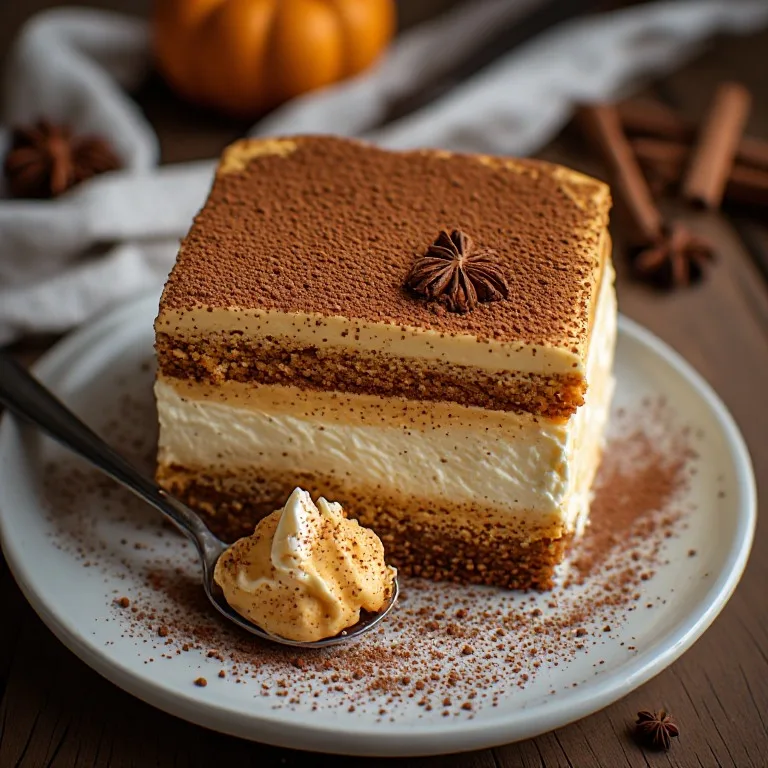
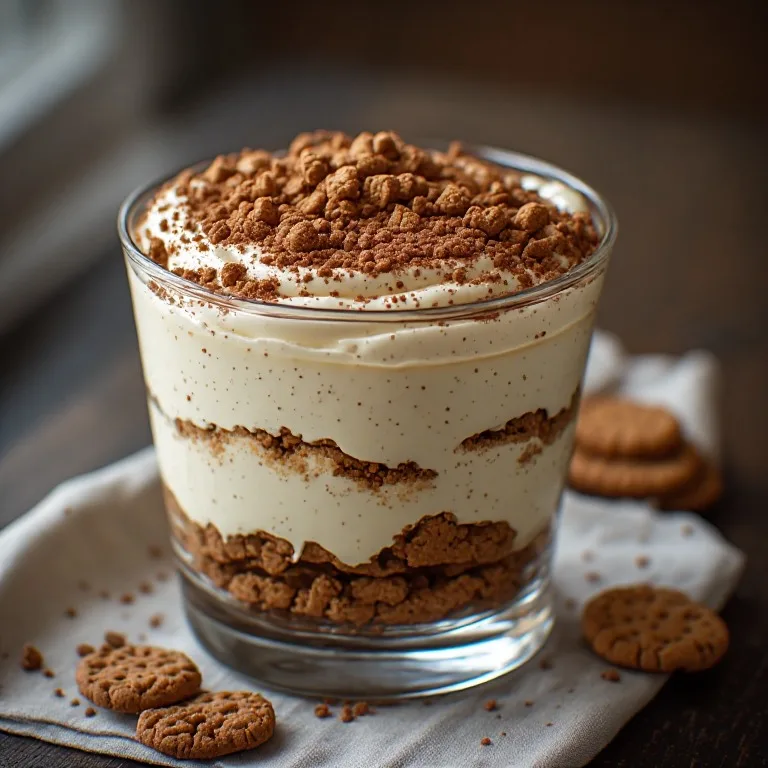
The structure is straight from the classic Olive Garden tiramisu: a soaking liquid for the cookies, a mascarpone-and-cream filling, and a cocoa-powder finish. The only changes are seasonal — gingersnap cookies in place of ladyfingers, and a filling spiced with ginger, cinnamon, nutmeg, and cloves. The clear-cup format, where alternating layers of dark cookies and ivory cream show through the glass, is the TikTok frame that earns the views.
Why Gingersnaps Work Better Than Ladyfingers Here
Ladyfingers are made to soak. They’re dry, light, and porous — a 3-second dip in espresso turns them from crisp to satiny. Gingersnaps are denser and harder, but they work well here for a different reason: they’re thin and uniformly dry from the baking process, and they hold their shape during a brief dip without falling apart.
The critical variable is time. Dip a gingersnap for 2–3 seconds per side and it absorbs enough espresso to soften overnight in the fridge into a cake-like layer. Dip it for 10 seconds and it falls apart during assembly. Work fast — hold each cookie by the edge, dip one side for 2–3 seconds, flip, dip the other side, and immediately place it in the dish. Never submerge the whole cookie.
This is the only technique you need to get right. Everything else in this recipe is difficult to mess up.
The Mascarpone Cream
The filling has one non-negotiable condition: the mascarpone must be at full room temperature.
Cold mascarpone seizes when beaten. The fat globules contract, the texture goes grainy, and no amount of additional beating fixes it. Set the mascarpone on the counter for at least 30–45 minutes before you start. It should feel soft throughout when you press the container — not cold in the center with a warm exterior.
The egg yolks are beaten with sugar until pale, thick, and ribbony — this takes 4–5 full minutes with electric beaters. You’re building volume and dissolving the sugar completely. When the mixture falls from the beaters in a thick ribbon that holds its shape for a moment before disappearing, it’s ready. Add the room-temperature mascarpone and beat until smooth.
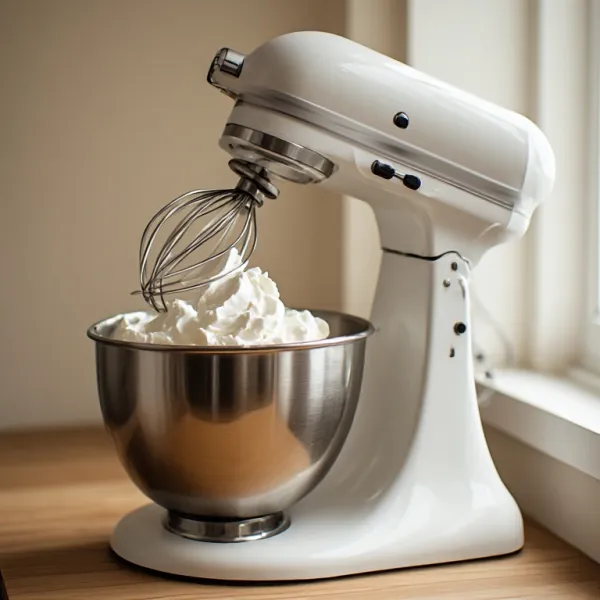
In a separate cold bowl, whip the heavy cream to medium-stiff peaks — the cream should hold its shape when the beaters are lifted but still look glossy, not dry. Fold the whipped cream into the mascarpone mixture in two additions, using a rubber spatula with large, gentle strokes to preserve the volume. Add the ginger, cinnamon, nutmeg, cloves, vanilla, and salt and fold once more.
The Spice Balance
The filling is assertively spiced in a way that registers as “gingerbread” rather than generic warm spice. The combination that produces this:
- Ground ginger is the primary note and the dominant flavor
- Cinnamon adds warmth and length
- Nutmeg contributes a slightly floral, aromatic quality
- Cloves are the sharp, intense undertone — use less than you think
The quantities in this recipe produce a filling that smells unmistakably like gingerbread when you fold in the spices. If you want it milder, pull back the ginger first (reduce to 1 tsp). If you want it more intense, add a pinch more cloves, not more ginger — cloves are where the “spice burn” comes from and a little more goes a long way.
The Make-Ahead Timeline
Gingerbread tiramisu needs a minimum of 4 hours in the refrigerator, and the overnight version is noticeably better.
What changes overnight: the gingersnaps continue absorbing moisture from the cream and the soaking liquid, becoming fully hydrated into a soft, cake-like layer. The gingerbread spices in the filling migrate outward and infuse the entire dessert. The mascarpone cream firms from loose and airy to sliceable and dense. At the 4-hour mark you can eat it; at the 12-hour mark you’re eating the final version.
Practical timing: if you’re serving this Christmas Day, assemble it December 24th. If you’re serving Sunday, assemble Saturday morning. Cover tightly with plastic wrap so the cocoa dusting doesn’t happen until just before serving — cocoa dusted in advance picks up moisture and turns wet and muddy. Dust and garnish in the 10 minutes before the dessert hits the table.
Individual Cups vs. Casserole Dish
The individual cup format is what you see in every viral TikTok video. Eight clear glasses, mason jars, or large wine glasses show the alternating layers through the sides. This format has real advantages:
- No serving anxiety — each cup is a single portion, handed directly to a guest
- The presentation requires no knife or serving spoon
- The layers are more visible and pronounced than they appear in a sliced casserole
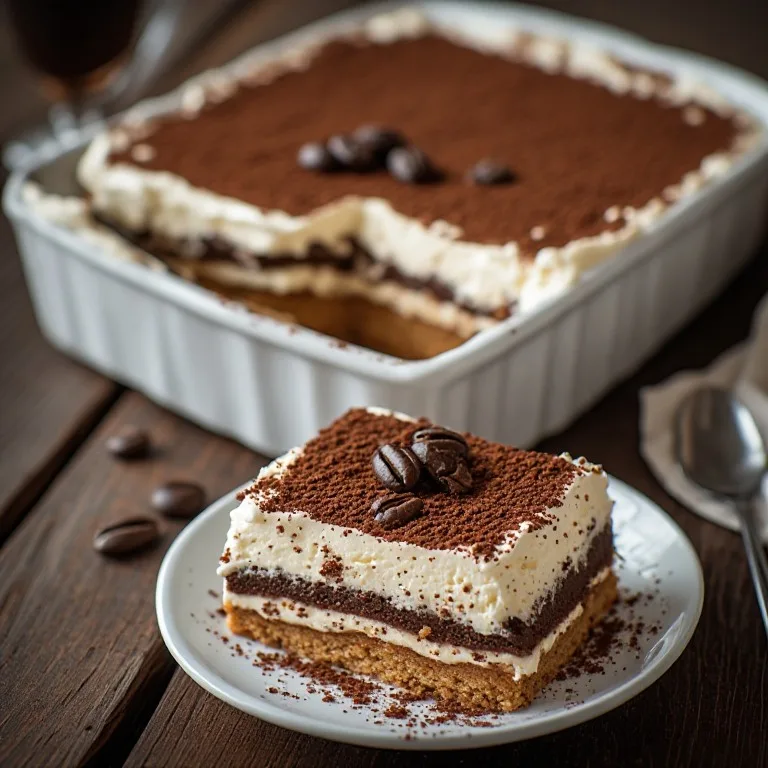
The casserole dish is better for a crowd. An 8x8 pan serves 8–9 people, slices cleanly after an overnight chill, and is easier to transport. For a dinner party where you’re plating the dessert yourself, the casserole dish is lower-friction.
For the pumpkin tiramisu and espresso martini tiramisu, the same decision applies — use whatever format matches how you’re serving.
Right Before Serving
Dust the cocoa powder through a fine-mesh sieve held 6–8 inches above the dish. This height and the sieve together produce an even, matte layer without clumps. Work quickly — the cream’s moisture starts to dissolve the cocoa within a few minutes.
Scatter a handful of coarsely crushed gingersnap cookies over the top. The crunch against the soft, set filling is a textural contrast worth having, and it signals clearly that this is a gingerbread dessert before the first bite.
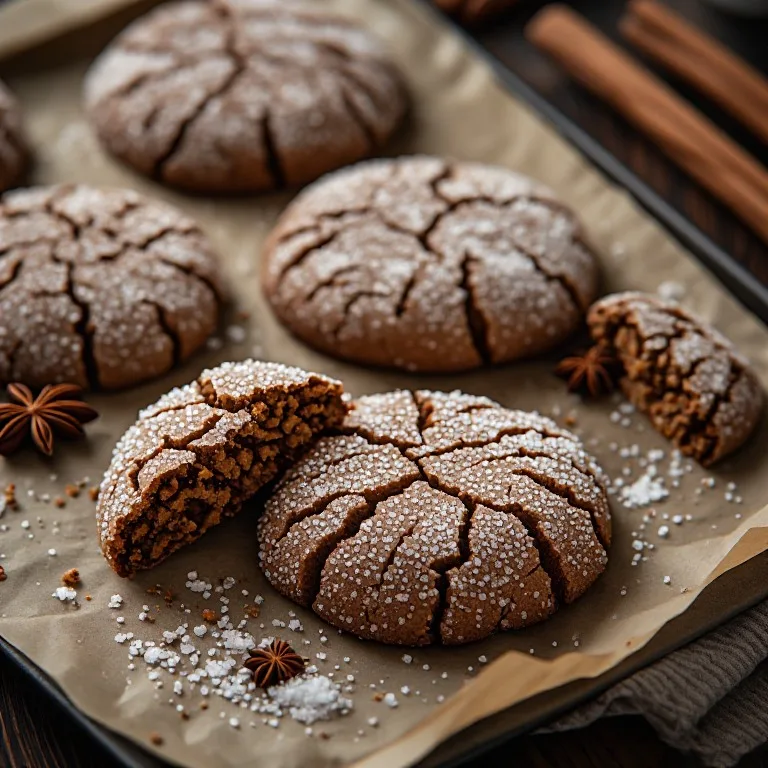
A final note on the soft chewy gingerbread cookies: they’re too soft to use here — they fall apart on contact with the espresso. The crispy gingersnap is the one you want. Keep the chewy version for everything else.