
Viral TikTok Pumpkin Tiramisu — The Fall No-Bake Dessert That Gets Better Overnight
Prep: 25 min active + 4 hrs chilling (overnight best) | No-bake, no raw eggs | Serves: 6 | Make-ahead friendly
Pumpkin tiramisu has circulated every September on FoodTok since at least 2023, and it comes back every fall for a simple reason: it genuinely delivers on the concept. You get espresso-soaked ladyfingers, a rich pumpkin-mascarpone cream layered between them, and a spiced cocoa dusting — assembled in 25 minutes, requiring zero oven time, and improving significantly the longer it sits in the refrigerator. The overnight version is the one people ask for the recipe for.
This recipe covers every technique detail that determines whether the cream holds its shape or turns runny, how to dip ladyfingers without destroying them, and why this is better made the night before rather than the same day.
What Made This Go Viral
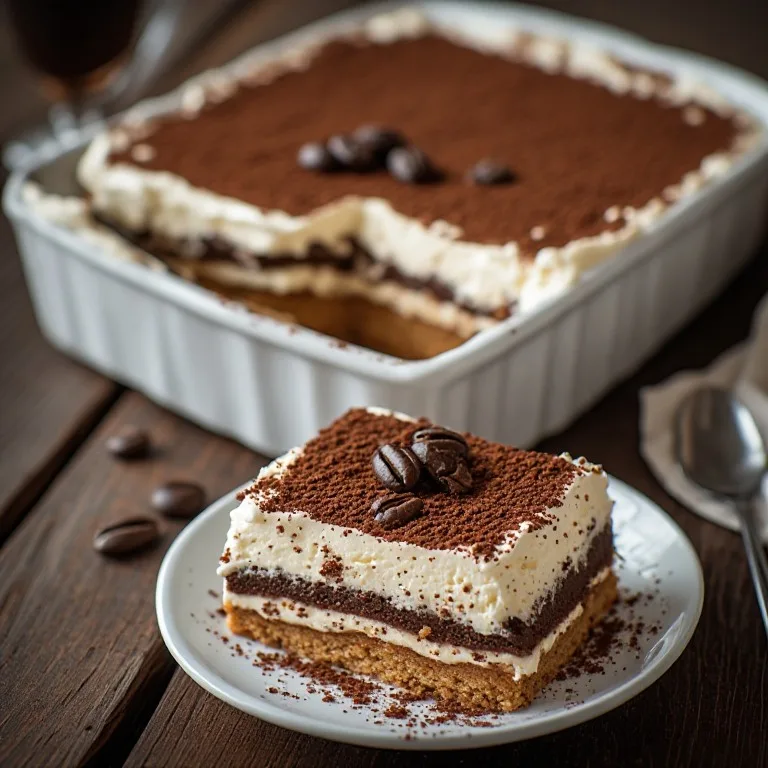
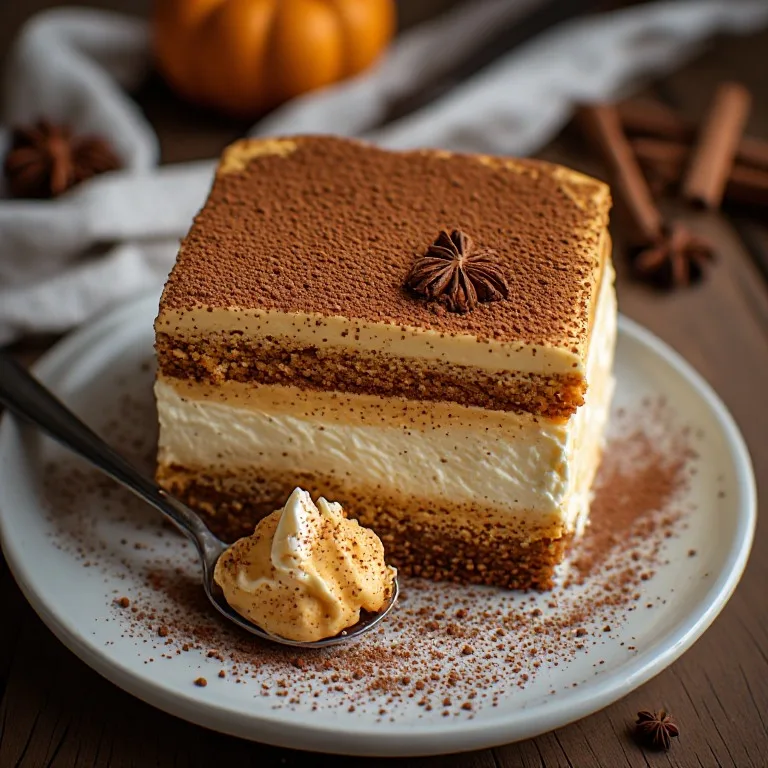
Pumpkin tiramisu ticks every viral food criterion: it looks striking (the orange-cream layers against espresso-dark ladyfingers, with the spiced cocoa crust on top), it’s simple enough that the assembly is satisfying to watch in a short video, and it’s genuinely better than it has any right to be for the effort required.
The September timing is deliberate — this is the dessert that signals fall has arrived in the home kitchen. It replaces pumpkin pie for people who want something more textured and complex, and it replaces traditional tiramisu for people who don’t want to deal with tempering egg yolks or sourcing Italian pumpkin (or who just want a fall version). FoodTok pushes it heavily from late September through Thanksgiving, where its make-ahead nature makes it the practical choice for holiday dinners where oven space is at a premium.
The other reason it spread: no raw eggs. Traditional Italian tiramisu uses raw egg yolks and sometimes raw whipped whites, which requires either sourcing pasteurized eggs or accepting the raw-egg risk. This version uses whipped cream as the aerating agent, completely bypassing the egg question and producing a cream that’s arguably more stable and easier to slice cleanly.
The Critical Technique: Why Mascarpone Temperature Matters
This is the technique point that determines whether your pumpkin cream is silky and stable or grainy and runny.
Mascarpone is essentially ultra-rich cream cheese — it’s about 42% fat, and at refrigerator temperature that fat is firm. When you try to mix cold mascarpone with room-temperature pumpkin puree (which is mostly water), you’re essentially forcing a cold fat to incorporate a water-based ingredient. The result is resistance: the fat forms clumps, the pumpkin separates to the bottom, and the mixture looks broken before you’ve even started.
Room-temperature mascarpone, by contrast, has softened enough that its fat-and-water emulsion blends smoothly with pumpkin puree in a few gentle folds. The cream comes together uniformly, holds its pale orange color evenly, and doesn’t require aggressive mixing that would break the fat structure.
The rule: 30 minutes out of the fridge minimum. The container should feel cool but yielding to a gentle squeeze — not hard.
The second error is over-beating. Unlike butter (which benefits from being beaten for extended periods), mascarpone has a fat emulsion that’s relatively fragile. Once that emulsion breaks — usually from 2+ minutes of high-speed electric mixing — the fat separates from the water phase and the cream becomes grainy, wet, and impossible to save. The correct approach for this recipe: mix by hand with a spatula, stopping the moment the pumpkin and mascarpone are evenly combined. No standing mixer, no hand mixer, no extended whisking.
Dipping Ladyfingers: The 1-Second Rule
Savoiardi ladyfingers are engineered to absorb liquid quickly. Their porous foam structure (created by separating and whipping the eggs in the original recipe) gives them a very high surface area relative to their mass, which means a brief dip in espresso fully saturates the interior without completely destroying the structure.
The timing that works: 1 second per side — 2 seconds total. At this timing, the ladyfinger absorbs a visible espresso color all the way through but retains enough structure to pick up and transfer to the dish without bending. During chilling, it will continue softening as it absorbs moisture from the cream above it.
| Dip Duration | Result After Chilling |
|---|---|
| Under 1 sec per side | Dry, slightly crunchy interior — distinct and separate from cream |
| 1 sec per side (target) | Tender, moist, cake-like — blends seamlessly with cream |
| 3+ sec per side | Mush — falls apart during transfer, produces a soggy, indistinct layer |
Temperature matters too. Hot or even warm espresso accelerates absorption dramatically — a 1-second dip in hot espresso gives you the same absorption as 3 seconds in cool espresso. Let the espresso cool fully to room temperature (or chill it) before you start.
One technique if you’re moving quickly: lay the ladyfinger flat in the espresso at a slight angle, count “one,” and swipe it across the surface as you flip — this lets you do both sides in a single smooth motion and keeps your pace up without rushing.
Why This Is Better the Next Day
The transformation between a freshly assembled tiramisu and a 24-hour-old tiramisu is significant enough that it changes the experience.
At 0 hours: The cream is set but the ladyfinger layers are still relatively distinct — you can see their shape through the cream. The espresso flavor is concentrated in the cookie layers.
At 4 hours: The ladyfingers have softened into a tender, slightly springy layer. The cream has firmed up and slices cleanly. The pumpkin pie spice has started to bloom through the cream.
At 12–24 hours: The boundary between the ladyfinger layers and the cream has nearly disappeared. The ladyfingers have absorbed moisture from the cream above and below them, becoming a soft, fully integrated layer that slices through cleanly without crumbling. The espresso and pumpkin spice flavors have melded into a unified whole rather than distinct components. This is the version you want to serve.
Make-ahead timeline for Thanksgiving or a dinner party:
- Assemble Wednesday night or Thursday morning
- Serve Thursday evening or Friday — this is the peak
- Day 3 (Friday or Saturday): Still excellent
- Day 4+: Past its best
Building the Layers
| Layer | What | Notes |
|---|---|---|
| 1 | Espresso-dipped ladyfingers | Snug single layer; break cookies for the edges |
| 2 | Half the pumpkin-mascarpone cream | Spread edge-to-edge with an offset spatula; ~1 inch thick |
| 3 | Second layer of dipped ladyfingers | Same 1-second-per-side rule; use remaining espresso |
| 4 | Remaining pumpkin-mascarpone cream | Smooth the top flat — this is the display surface |
| 5 | Spiced cocoa dust | 2 tbsp Dutch cocoa + ½ tsp pumpkin pie spice, sifted through a fine strainer |
The spiced cocoa dust is worth mixing specifically for this: straight cocoa powder tastes bitter and flat on the nose. The pumpkin pie spice addition (cinnamon, ginger, nutmeg, allspice) makes the aromatic top layer match the cream below it — you smell the cinnamon before the first bite, which primes the expectation.
Use Dutch-process cocoa rather than natural cocoa if you have the choice. Dutch-process is alkalized, which removes much of the acid bite and makes the cocoa taste smoother and more chocolaty without the bitterness. Natural cocoa (like Hershey’s original) is sharper and less smooth on a dessert that’s meant to be rich and mellow.
Variations
Maple Pumpkin Tiramisu: Replace the brown sugar with 3 tablespoons pure maple syrup (not pancake syrup). Maple’s earthy sweetness pairs exceptionally well with pumpkin spice and adds a distinctly autumnal note. The cream may be slightly softer due to the liquid; compensate by chilling the assembled tiramisu a full 6 hours minimum.
Apple Cider Dipping Liquid: Replace the espresso with 1 cup warm apple cider (cooled to room temp). The result tastes more apple-and-cinnamon than coffee-forward — a completely different experience that’s equally valid and doesn’t require an espresso machine. Add a tablespoon of dark rum to the cider if using.
Bourbon Pumpkin Tiramisu: Replace the coffee liqueur with 2 tablespoons good bourbon. The vanilla and caramel notes in bourbon amplify the brown sugar in the cream and work better with pumpkin than rum does.
Cream Cheese Hybrid: Replace half the mascarpone (8 oz) with room-temperature full-fat cream cheese. This cuts the fat by about 25% and adds a slight tang that plays well with the pumpkin. Mix the cream cheese and mascarpone together first until smooth before adding the pumpkin — they need to be fully blended before the pumpkin goes in or you’ll get streaks.
Gingersnap Version: Replace the Savoiardi ladyfingers with gingersnap cookies. Dip them briefly (1 second total — they’re denser) in the espresso or in spiced apple cider. The ginger-and-molasses flavor in gingersnaps is a natural companion to pumpkin pie spice and produces a slightly more textured, less delicate layer.
How This Compares to Traditional Tiramisu
| Pumpkin Tiramisu | Classic Tiramisu | |
|---|---|---|
| Eggs | None | Raw egg yolks + sometimes whites |
| Fat base | Mascarpone + whipped cream | Mascarpone + egg yolks + whipped cream |
| Flavor profile | Pumpkin spice, espresso, vanilla | Espresso, vanilla, cocoa |
| Seasonal | Fall–winter | Year-round |
| Make-ahead window | 3 days | 2 days |
| Calories per serving | ~590 | ~420–500 |
| Raw egg risk | None | Present (use pasteurized to avoid) |
| Complexity | Low | Moderate (zabaglione requires heat) |
The calorie difference exists because pumpkin tiramisu uses whipped cream as the aerating agent instead of egg whites, which adds fat the egg version doesn’t have. The trade is a more stable cream that doesn’t risk deflating or weeping during extended refrigeration.
Cost
| Ingredient | Amount | Approximate Cost |
|---|---|---|
| Mascarpone (16 oz) | 1 container | ~$6.00 |
| Heavy cream (1 cup) | Small carton | ~$2.00 |
| Canned pumpkin puree | 1 can (15 oz) | ~$2.50 |
| Savoiardi ladyfingers | 1 package | ~$4.00 |
| Espresso | 1 cup | ~$0.30 |
| Brown sugar, pumpkin pie spice, vanilla, cocoa | Small amounts | ~$0.75 |
| Coffee liqueur (optional) | 2 tablespoons | ~$0.75 |
| Total for 6 servings | ~$16.00–16.50 | |
| Per serving | ~$2.75 |
A restaurant tiramisu serving runs $10–16. The pumpkin version costs roughly what you’d pay for a single slice out.
For other no-bake fall desserts in this style, the Biscoff Yogurt Tiramisu uses strained Greek yogurt instead of mascarpone for a dramatically lighter version with 15g protein per serving. The Brown Butter Apple Cake is the baked fall alternative when you want something more substantial. The Pumpkin Bread is the crowd-pleaser for anyone who wants pumpkin spice without the chill time.