Pin It

Espresso Martini Tiramisu

Espresso Martini Tiramisu
Jump to Recipe
Prep 30 min active + 4 hrs chilling (overnight best) Cook 0 min (no-bake) Serves 6
Quick answer: The soak is a real espresso martini — combine ½ cup (4 shots) cooled espresso with 3 oz Kahlúa and 2 oz vodka in a shallow bowl. For the cream: beat 16 oz room-temperature mascarpone with ¼ cup sifted powdered sugar, 2 tablespoons Kahlúa, and 1 teaspoon vanilla for 30–45 seconds until smooth — stop the moment it's uniform. Whip 1 cup cold heavy cream to stiff peaks in a separate bowl, then fold into the mascarpone in three additions. Dip each Savoiardi ladyfinger in the soak for 1.5 seconds per side (the alcohol makes them soften faster than plain espresso — don't go past 2 seconds). Layer snugly in an 8×8-inch dish. Spread half the cream, add a second dipped ladyfinger layer, spread remaining cream flat. Dust with 2 tablespoons cocoa powder through a fine-mesh strainer. Place 3 espresso beans per serving on top. Cover and refrigerate at least 4 hours — overnight is significantly better. Serves 6.

Espresso Martini Tiramisu

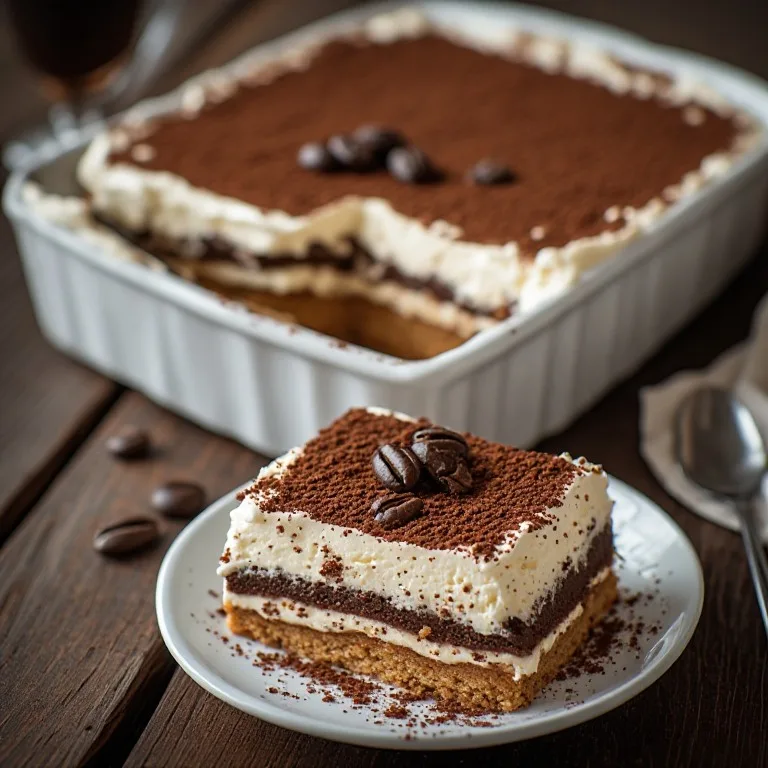
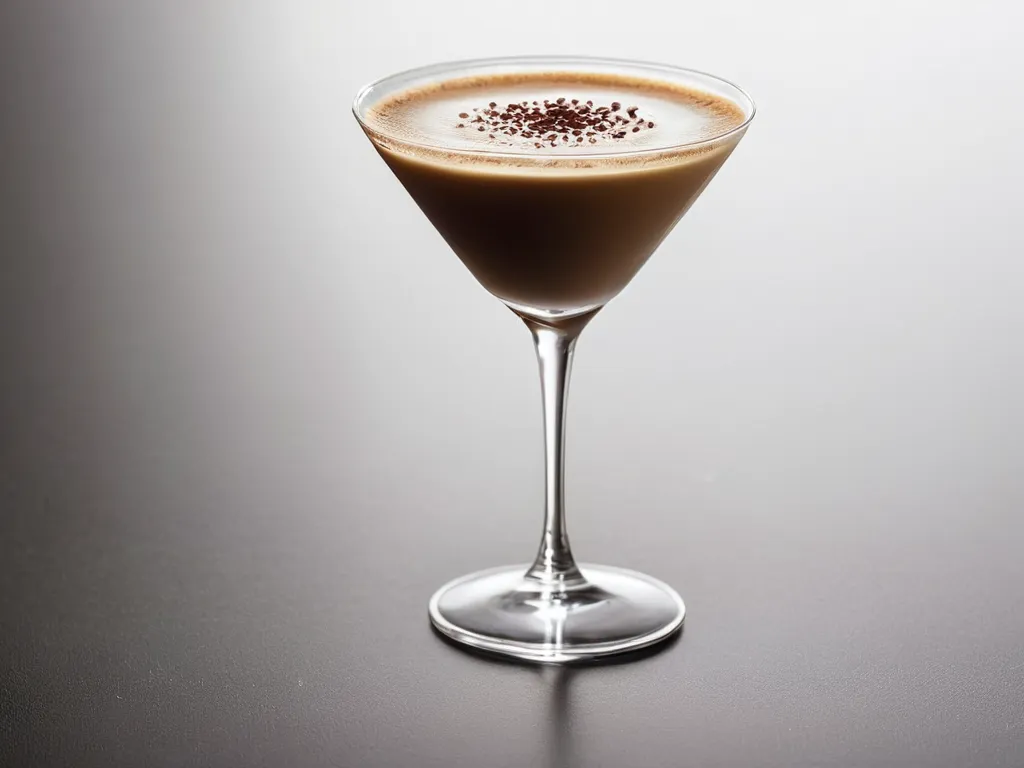
The viral TikTok espresso martini tiramisu: ladyfingers soaked in a real espresso martini (espresso, Kahlúa, and vodka), layered with Kahlúa mascarpone cream, and finished with cocoa powder and three coffee beans per serving. No eggs, no baking, better overnight. Here's exactly how to make it work.

Easy Prep: 30 min active + 4 hrs chilling (overnight best) Cook: 0 min (no-bake) Total: 4h 30m6 servings ~$4.50/serving
Prep30 min active + 4 hrs chilling (overnight best)
Cook0 min (no-bake)
Total4h 30m
Servings
6
At home~$4.50/serving
vs
Restaurant~$20.25/serving
You save ~78%

The Story Behind the Recipe

Tiramisu means "pick me up" in Italian — named for the espresso that soaks the ladyfingers. The espresso martini, invented by London bartender Dick Bradsell in the 1980s for a customer who asked for something to "wake me up, then mess me up," had a massive TikTok-driven resurgence: CGA/NielsenIQ named it the most-ordered cocktail in the UK in 2022, and in the US it climbed into the top handful of most-ordered bar cocktails. The mashup was almost inevitable: a tiramisu where the soak is a literal espresso martini — vodka, Kahlúa, and cold espresso — and the mascarpone cream is spiked with extra coffee liqueur. The result is a dessert that's noticeably more grown-up than the original, with the boozy complexity of the cocktail woven into every layer.

The espresso martini tiramisu first went viral in 2023 when FoodTok creators posted the finished dessert garnished with three coffee beans per serving — the classic espresso martini signal — and the hashtag accumulated tens of millions of views. At-home cost runs about $20 for 6 servings; a single round of six espresso martinis at a bar runs $80–$110. The dessert takes 30 minutes of active work and is made entirely ahead — it rests overnight and is sliced cold at the table. Three technique points actually matter: cool the espresso completely before dipping, let the mascarpone come to room temperature before beating, and stop beating the cream the moment it's smooth.

Nutrition Facts

Per serving (6 servings)
Calories640
Total Fat42g
Total Carbs34g
Dietary Fiber0g
Sugars24g
Protein8g
Sodium140mg

* Estimated values based on standard recipe preparation. Actual values may vary.

Ingredients

  • For the espresso martini soak
  • For the Kahlúa mascarpone cream
  • For assembly

Instructions

💡
Pro tip: This recipe tastes even better the next day. The flavors need time to meld together in the fridge.
❄️
Storage: Keeps in an airtight container in the fridge for up to 2 weeks. Freezer-friendly for up to 3 months.
🎃 Free Halloween cookbook — download now The Copycat Halloween Cookbook A ready-made, photo-illustrated PDF of our best halloween copycat recipes — free to download, no building required. Pay what you want to support if you love it.

Free PDF — instant download. We'll also send new seasonal copycat recipes now and then; unsubscribe anytime. Or just download it →

Espresso Martini Tiramisu — The Viral TikTok Boozy Tiramisu

Prep: 30 min active + 4 hrs chilling | No-bake | Serves: 6 | Adult dessert | Better overnight

The espresso martini tiramisu is exactly what it sounds like: classic tiramisu made with a real espresso martini as the soaking liquid. The ladyfingers don’t soak in plain espresso — they soak in vodka, Kahlúa, and espresso, the same cocktail, cooled and poured into a shallow dish. The mascarpone cream is spiked with an extra splash of coffee liqueur. The top is finished with cocoa powder and three coffee beans per serving — the signature espresso martini garnish — so guests know exactly what they’re eating before they take a bite.

It’s a no-bake dessert. Thirty minutes of active work, overnight in the refrigerator, sliced cold at the table. The booze doesn’t cook off and doesn’t fade — this is an adult dessert, and it tastes like one.

What Went Viral (and Why)

The espresso martini had been the defining cocktail of the early 2020s — by 2022 it was the most-ordered cocktail in the UK and a top-ranked bar order in the US, and bartenders reported they couldn’t keep up with demand. TikTok’s food community noticed something obvious: tiramisu is already made with espresso and mascarpone. An espresso martini is espresso, vodka, and coffee liqueur. What happens when you use the cocktail as the soak?

The answer — a tiramisu with a noticeably boozy soak and a richer mascarpone cream — went viral in 2023. Creators posted the finished dessert garnished with three coffee beans per serving (the classic espresso martini signal), and the hashtag accumulated tens of millions of views. The hook was the garnish: audiences immediately recognized the three-bean pattern and understood what they were looking at without a word of explanation.

The practical draw: it’s a crowd dessert that makes itself the night before. The full active work is under 30 minutes; the rest is refrigerator time. A single round of six espresso martinis at a bar runs $80–$110. Six servings of this costs about $20.

The Espresso Martini Soak — The Only Part That Changes

Classic tiramisu soaks ladyfingers in strong espresso. This one soaks them in an espresso martini — ½ cup espresso plus Kahlúa and vodka. The proportions matter.

Why cool the espresso before mixing in the liqueurs: Hot espresso and cold vodka can dull the flavor (especially in Kahlúa, which has a light aromatic character that fades slightly when heated). More importantly, hot soak absorbs too fast — your 1.5-second dip window disappears. Brew, pour, let it cool for at least 15 minutes, then add the Kahlúa and vodka.

Why refrigerate the soak before dipping: Alcohol softens ladyfingers faster than plain liquid. A cool soak (not warm, not room temp) is the easiest way to manage absorption without shortening the dip time so much that you’re barely touching the cookies to the liquid. Pull the soak from the fridge when you’re ready to start dipping — it’ll be 40–50°F, which gives you a reliable 1.5-second window.

The dipping rule: 1.5 seconds per side, no more than 2. The goal is a ladyfinger that’s moist all the way through but still holds together when you pick it up. If you can press the cookie flat without resistance, it’s over-soaked.

How much soak you’ll use: The full batch makes slightly more than you’ll need, which is intentional — you want leftover soak rather than running dry mid-assembly and rushing to brew more espresso. Discard the excess.

Making the Kahlúa Mascarpone Cream

This is the step where most tiramisu failures happen, and both failure modes are avoidable.

Room-temperature mascarpone is non-negotiable. Cold mascarpone (straight from the refrigerator) will not incorporate smoothly with liquid ingredients — it stays lumpy regardless of how long you beat it, because the cold fat resists blending. Leave it on the counter for 30 minutes minimum. It should feel slightly glossy and soft, not stiff and cold.

Beat for 30–45 seconds and stop. Once you add the powdered sugar, Kahlúa, and vanilla, beat on medium speed just until the mixture is smooth and uniform — about 30–45 seconds. Stop the moment it looks right. Mascarpone has about 41% fat, and those fat molecules will separate into grainy visible curds if beaten past smoothness. The broken texture is permanent; start over with fresh mascarpone if it happens. It’s a quick mistake to make and an expensive one to fix.

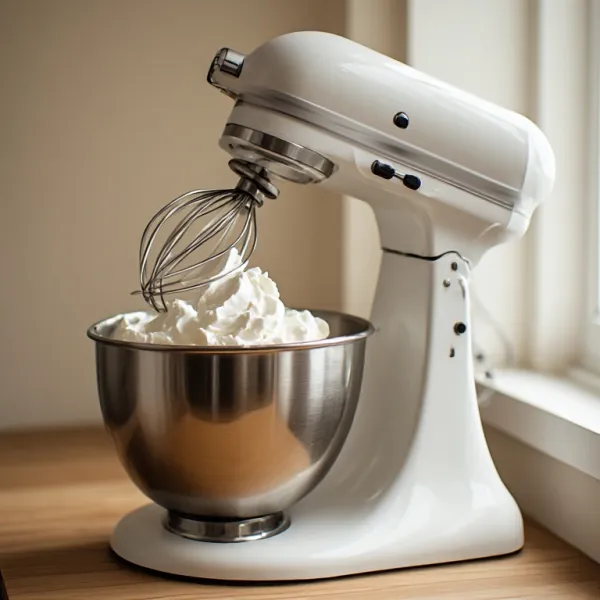
Folding in the whipped cream: Whip the cold heavy cream in a separate bowl until stiff peaks form — the cream should hold a firm peak when you lift the beater, look thick and white, and not be at all wet or loose. Fold it into the mascarpone in three additions with a large rubber spatula. Slow, deliberate under-and-over strokes. After all three additions, the cream should be light and airy but still hold its shape. Too many folds and you lose the air; too few and you get streaks of plain cream.

Coffee Liqueur Comparison

LiqueurSweetnessCoffee intensityNotes
KahlúaHighModerateMost common; rounds and sweetens the mascarpone
Mr BlackLowHighSharper, more bitter; serious coffee flavor
Tia MariaMediumModerateSlightly rum-forward; a bit drier than Kahlúa
Baileys Coffee LiqueurHighMediumAdds a creamy, milk-chocolate note
Store-brand coffee liqueurHighLow (often artificial)Avoid — flattens the flavor
Assembly: Layering the Dish
LayerComponentKey point
1Dipped ladyfingers1.5 sec per side; snug rows; break pieces to fill gaps
2Half the Kahlúa mascarpone creamSpread to edges; tap dish to settle
3Dipped ladyfingersSame 1.5-sec rule; keep count consistent
4Remaining mascarpone creamSpread completely flat — this is what shows
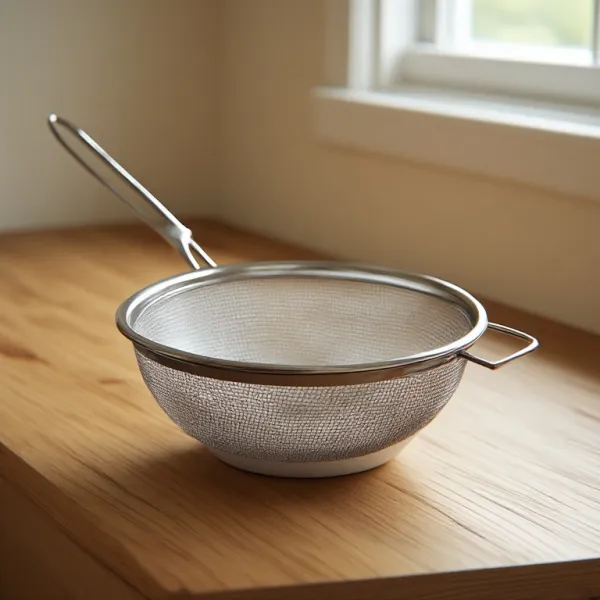
5Cocoa powder dustingFine-mesh strainer, 6 inches above, even coverage
63 espresso beans per servingMark 6 squares; 3 beans centered on each

The most common assembly mistake: letting dip time creep up as you go. After several minutes of dipping, the soak warms slightly and the ladyfingers absorb faster. Keep counting to 1.5 seconds per side on every single cookie — resist the temptation to add extra time just because the last few felt dry.

How the Overnight Chill Changes Everything

Four hours gives you a good tiramisu. Overnight gives you the version people photograph.

At 4 hours: Ladyfingers are moist but still have slight firmness in the center — you can feel a faint bite. The cream is set but the layers haven’t fully fused. The espresso martini flavor in the soak layer is forward and bright.

At 8–12 hours: The ladyfingers have absorbed fully and transformed into something soft and cake-like — no crunch, no firmness, yielding throughout. The layers have melded into a cohesive block that slices cleanly. The coffee, mascarpone, and cocoa flavors have integrated and deepened. This is the version you want to serve.

Make it the night before. It’s genuinely better, and it removes all last-minute work.

Serving

Slice into 6 squares using the espresso bean markers as your guide. A thin offset spatula or pie server works cleanly on a cold, well-set tiramisu. Serve cold — the mascarpone cream is meant to be cold and slightly firm.

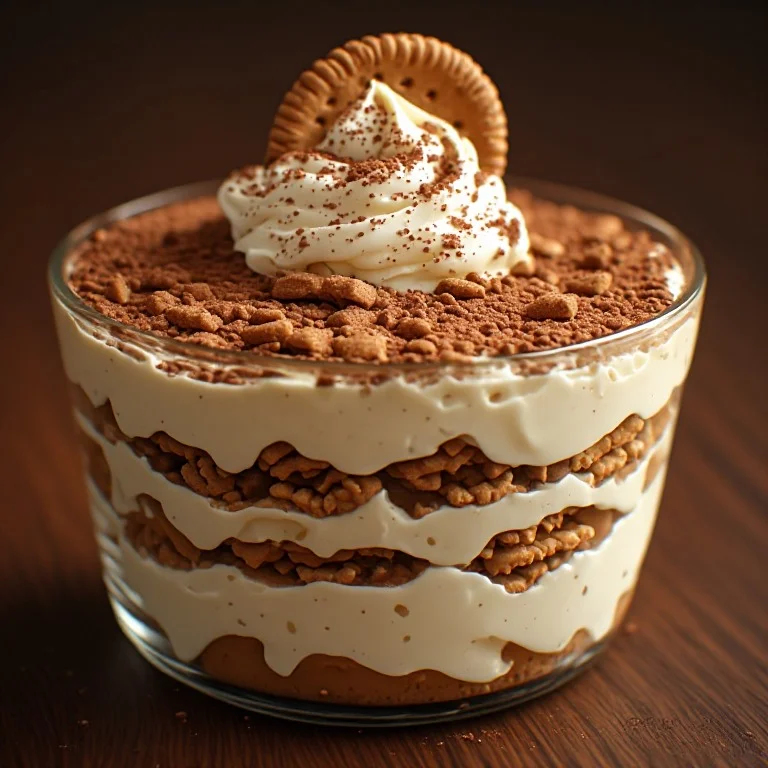
Individual jar version: Build in 8-oz wide-mouth mason jars with broken ladyfinger pieces — one layer of broken cookies, cream, second layer of broken cookies, cream, cocoa, 3 beans on top. The layers show through the clear glass. Easy to portion and transport for a dinner party.

The flaky sea salt note: A small pinch of flaky sea salt on each serving just before eating is not in the original recipe but it sharpens both the coffee flavor and the mascarpone in a way that makes the dessert noticeably more complex. Entirely optional; worth trying once.

Espresso Martini Tiramisu vs. Classic Tiramisu
Espresso Martini TiramisuClassic Tiramisu
SoakEspresso + Kahlúa + vodkaEspresso (sometimes with Marsala or rum)
CreamMascarpone + Kahlúa + whipped creamMascarpone + egg yolks + whipped cream
Raw eggsNoneYes (egg yolks)
AlcoholProminent — adult dessertLight to moderate
Garnish3 espresso beans per servingCocoa powder only
Make-aheadUp to 2 daysUp to 2 days
Calories/serving~640~450–520

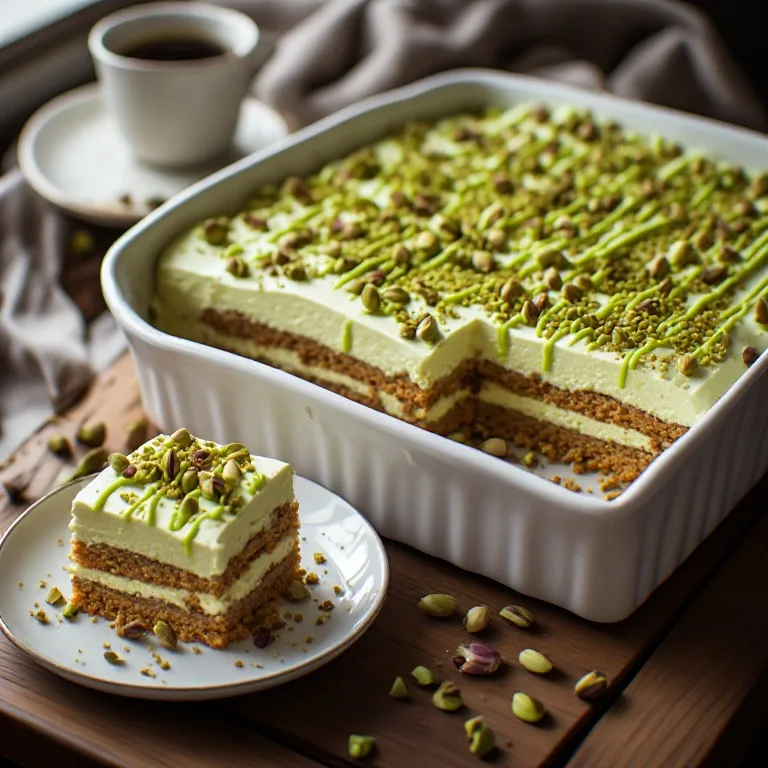
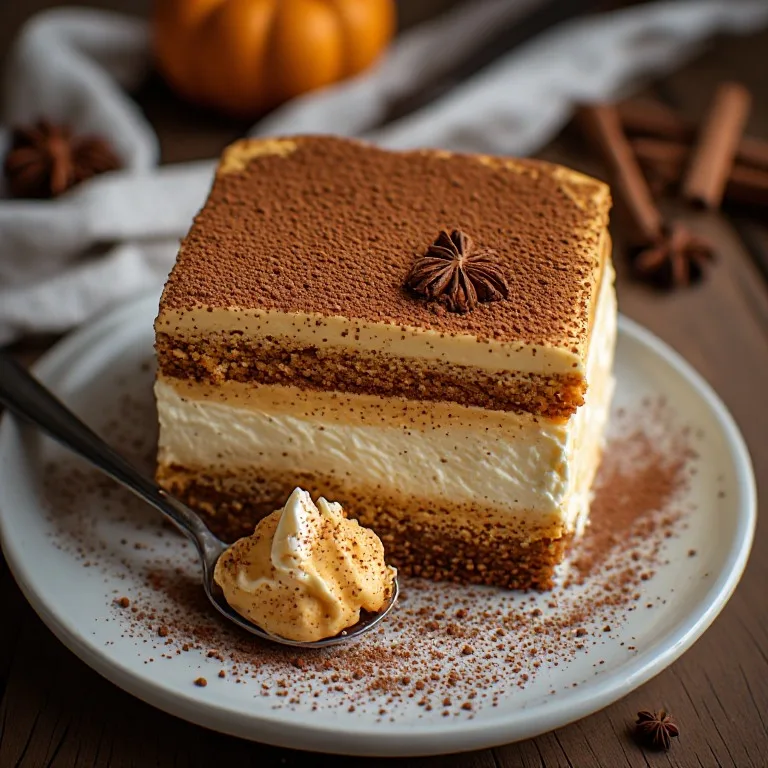
The main differences: no raw eggs in this version (the structure comes entirely from the whipped cream folded into mascarpone, not from egg yolks), higher alcohol content, and a notably boozy flavor profile. Classic tiramisu can be served to anyone; this version is explicitly for adults. If you want the same no-bake mascarpone technique in a kid-friendly or seasonal direction, the pumpkin tiramisu and pistachio tiramisu use the identical layering method without the alcohol.
🥗

Make It Healthier

Love Espresso Martini Tiramisu but want a lighter version? Try these simple swaps:

  • ✓Reduce the vodka to 1 oz (or omit it entirely, using just espresso + Kahlúa) to cut about 60 calories per serving — the dessert stays distinctly boozy from the coffee liqueur alone, and the ladyfingers absorb a little more cleanly without the high-proof spirit.
  • ✓Swap the mascarpone for strained full-fat Greek yogurt: drain 32 oz in cheesecloth for 3 hours, then mix with 2 tablespoons Kahlúa + 2 tablespoons powdered sugar + 1 teaspoon vanilla. Cuts calories by roughly 35–40% per serving and adds about 10g protein; texture is lighter, coffee-cocoa flavors stay clear.
  • ✓Use Mr Black cold brew liqueur instead of Kahlúa — it has the same coffee flavor with significantly less sugar (Mr Black has about half the sugar of Kahlúa per ounce) and a cleaner, more intense coffee note that suits the tiramisu format well.
  • ✓Make individual jar portions in 8-oz wide-mouth mason jars with a single broken ladyfinger layer — you naturally end up with smaller portions (about 80% of a dish serving), which makes controlled indulgence easier when serving a crowd.

Frequently Asked Questions

What's the best coffee liqueur for espresso martini tiramisu?

Kahlúa is the most commonly available and adds the characteristic sweetness of the cocktail. Mr Black is drier, more intensely coffee-flavored, and less sweet — it produces a sharper, more sophisticated tiramisu and is the pick if you want the coffee flavor to dominate. Tia Maria is drier than Kahlúa and has a slight rum undertone. Baileys Coffee Liqueur adds a creamier, more milk-chocolate note. All four work; the choice changes the flavor character more than the texture. Avoid store-brand coffee liqueurs that taste primarily of artificial vanilla — they flatten the coffee flavor in the mascarpone cream.

Can I make this without alcohol?

Yes. Replace the full soak with ½ cup cooled espresso + 2 teaspoons vanilla extract + 1 teaspoon instant espresso powder dissolved in the hot espresso. Replace the Kahlúa in the cream with 1 teaspoon instant espresso powder dissolved in the vanilla. The flavor is more one-note coffee (less of the rounded sweetness that Kahlúa adds) but still a very good tiramisu. The ladyfingers absorb more slowly without the alcohol, so you can hold each cookie in the soak for 2–2.5 seconds instead of 1.5.

Why do the ladyfingers fall apart when I dip them?

Two reasons. First, the soak has alcohol in it — vodka in particular softens ladyfingers significantly faster than plain espresso. Shorten your dip time to 1.5 seconds per side and work quickly. Second, the soak may still be warm. Espresso brewed and used immediately can still be 100°F+ — at that temperature, cookies absorb liquid almost instantly. Cool the soak to room temperature or refrigerate it first. If both adjustments don't solve it, your ladyfingers might be very dry and porous — older packages of ladyfingers have sometimes dried out further and need even less time.

The mascarpone cream looks grainy — what happened?

Mascarpone broke. This happens for two reasons: the mascarpone was too cold when you started mixing, or you overbeat it after adding the liquid ingredients. Cold mascarpone (straight from the refrigerator) doesn't blend smoothly — it stays lumpy regardless of how long you beat it. Let it sit out for 30 minutes minimum. Once you add the powdered sugar, Kahlúa, and vanilla, beat for exactly 30–45 seconds and stop the moment it's uniform. Past that point, the fat in the mascarpone separates and the grainy texture is permanent — start over with a fresh batch.

Why 3 coffee beans per serving?

Three coffee beans placed on the foam of an espresso martini is the drink's classic garnish, traditionally said to represent health, wealth, and happiness — a reference to Italian coffee culture in the Sambuca con mosca tradition. On the tiramisu, the beans serve two functions: they're the visual signal that this is the espresso martini version (not just a standard tiramisu), and they mark the six serving squares so you know where to cut. Without the beans, it looks like standard tiramisu. With them, guests immediately understand the concept before they've taken a bite.

Can I use cold brew instead of espresso?

Yes, if it's undiluted concentrate. Cold brew concentrate (not ready-to-drink diluted cold brew — look for products labeled 'concentrate' on the bottle, like Chameleon Organic Concentrate or Stok Not Too Sweet) is strong enough to stand up to the Kahlúa and vodka in the soak. Ready-to-drink cold brew is too dilute — the soak will taste watery. If you're using concentrate, use 3 oz of concentrate rather than ½ cup (the concentrate is much more intense than pulled espresso shots, so you need less volume).

How far in advance can I make this?

Up to 2 days. At 4 hours: ladyfingers are moist but still have slight firmness in the center, layers are distinct. At 8–12 hours (overnight): ladyfingers have fully absorbed the espresso martini soak and transformed into a tender, cake-like texture; the layers are cohesive; the mascarpone, coffee liqueur, and cocoa flavors have melded into something richer than the sum of the parts. This is the version you want. Day 2: still excellent, slightly softer throughout, flavors fully integrated. Day 3+: mascarpone cream begins weeping at the edges; best eaten today. Store covered in the refrigerator. Do not freeze — the freeze-thaw cycle breaks the mascarpone into a grainy texture.

Love this recipe? Share it!

Free PDF: our 12 most-wanted copycat recipes — instant download.

Made it? Buy us a coffee

Every recipe here is free, with no paywalls. If this one was a hit at your table, a small tip keeps new copycats coming.

$

Ratings & Reviews

—
No ratings yet

Rate this recipe

Click a star to rate

Leave a Review

0/500

CS

Copycat Spices Editorial

Researched + fact-checked. Every recipe on Copycat Spices is built from published sources — official ingredient lists, brand-published recipes, interviews and food-science references — and fact-checked before it goes live, then written as clear, step-by-step instructions for home cooks of all skill levels.

Learn more about our mission →