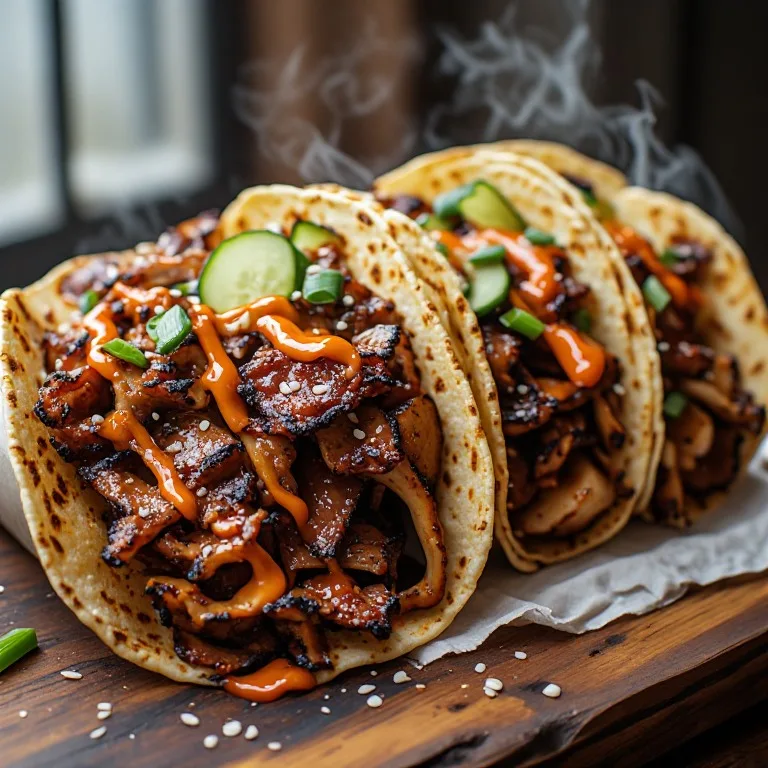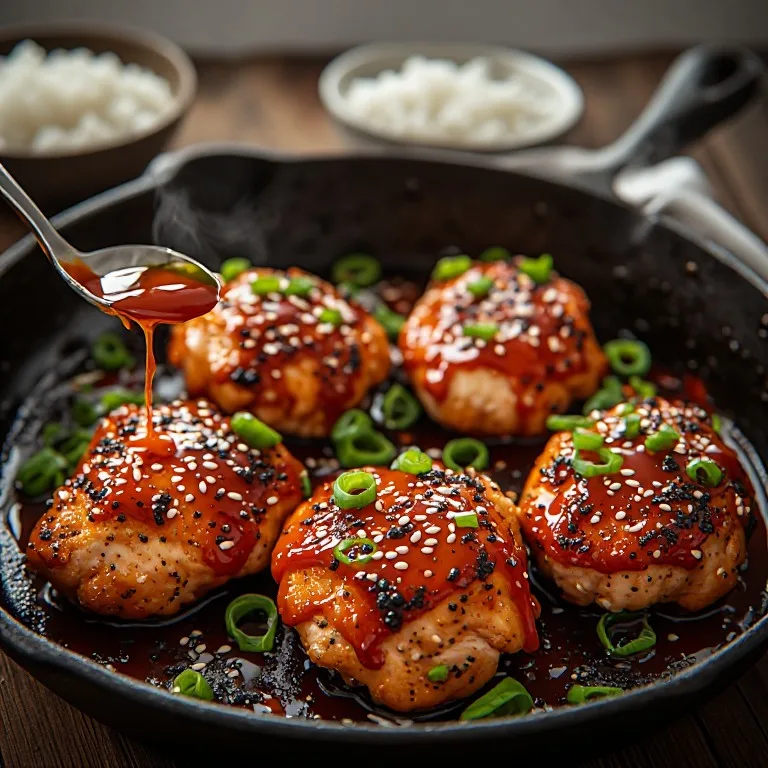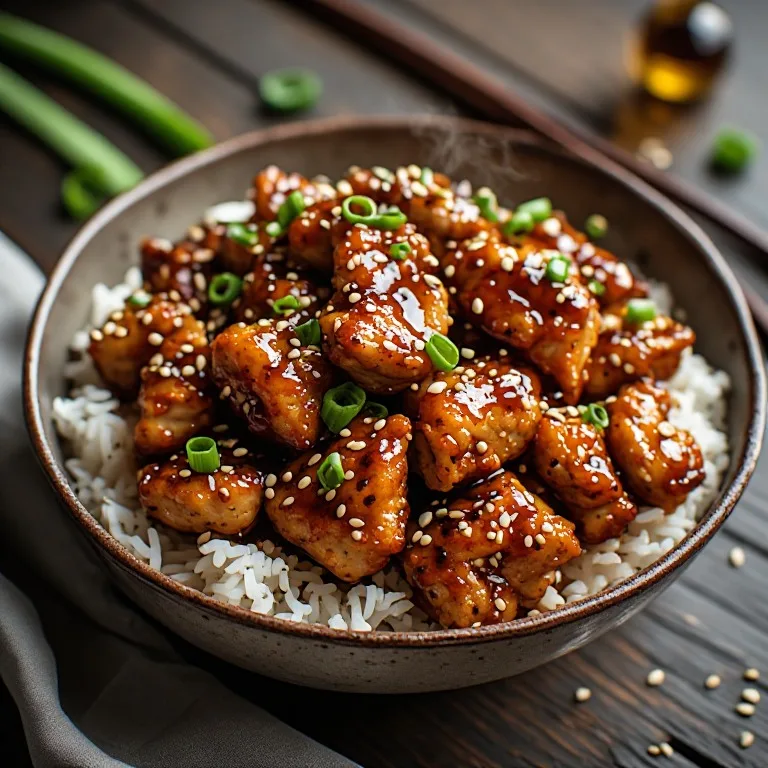


Gochujang chicken is one of those rare FoodTok trends that genuinely works at home — and the reason it keeps resurfacing is that gochujang is not just another hot sauce.
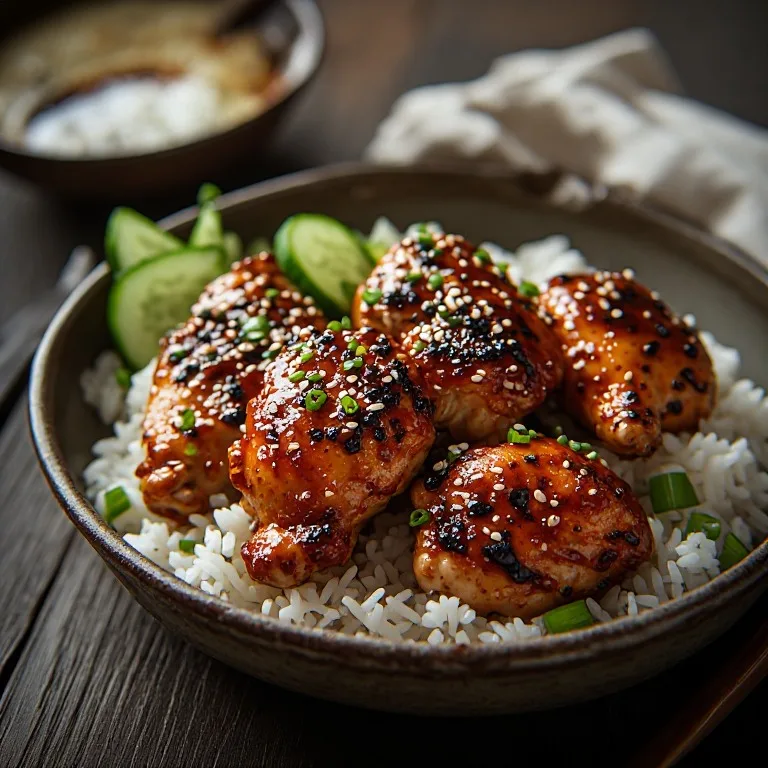
The fermentation is the unlock. Gochujang is a Korean fermented chili paste made from red chilies, glutinous rice, fermented soybeans, and salt — the same koji fermentation process behind miso and soy sauce. That fermentation produces glutamates: flavor compounds that register as deep savory umami, not just heat. When you roast gochujang-glazed chicken at high heat, those glutamates concentrate and bake into the skin, building a flavor depth that no blend of sriracha and soy sauce can replicate. The broil at the end lacquers the residual sugars into a sticky, charred-edge crust. That 2-minute window under the broiler is the entire reason this looks and tastes like restaurant-quality food.
Why Bone-In Thighs (Not Breasts, Not Boneless)
The glaze requires heat and time to lacquer properly. Boneless, skinless breasts reach 165°F in 20 to 22 minutes — before the sugars in the glaze have had enough time to caramelize into a crust. The result is wet-coated chicken, not lacquered chicken.
Bone-in, skin-on thighs solve both problems at once. The bone conducts heat from the inside while the skin protects the meat on the outside, giving you a 30- to 35-minute roasting window during which the glaze can go through multiple stages of caramelization. The skin also acts as a fat baster, basting the meat continuously from below as it renders. By the time the interior hits temperature, the exterior surface is ready for the broil finish.
The Gochujang Ratio
The most common mistake is using too much gochujang in the raw glaze: three-plus tablespoons straight from the tub produces a sharp, metallic taste that doesn’t represent how gochujang tastes when cooked. The fermented sharpness dissipates with heat — the 2-tablespoon-to-2-tablespoon gochujang-to-honey ratio is the sweet spot for the final cooked flavor.
The rice vinegar does two jobs: it adds brightness that balances the sweetness, and it keeps the sugar chemistry under control during the broil. High-sugar glazes without an acid component can scorch in under 90 seconds under direct broiler heat. The tablespoon of rice vinegar gives you a slightly wider broiling window before the glaze crosses from lacquered to burnt.
Gochujang Heat Level Guide
Different brands vary significantly in spice level. This recipe is calibrated for standard-heat gochujang (Bibigo and CJ Haechandle are the most widely available; both are moderate).
| Brand | Heat Level | Glaze Character |
|---|---|---|
| Bibigo (standard) | Mild–medium | Sweeter, rounder, beginner-friendly |
| CJ Haechandle | Medium | Balanced fermented-sweet-spice |
| Sempio | Medium-hot | More fermented depth, less sweet |
| Wang | Hot | Use 1.5 tbsp instead of 2 |
If you are new to gochujang, start with Bibigo or CJ at 1.5 tablespoons and taste the raw glaze before committing to 2 tablespoons. The heat amplifies slightly during roasting.
Four Failure Modes (and How to Avoid Them)
1. Skipping the broil. The roast alone produces good chicken. The broil produces restaurant-level glazed chicken. They are not the same dish. If your oven broiler is broken, use a very hot cast iron skillet on the stovetop for a 60-second sear per side at the end of roasting to simulate the same caramelization.
2. Broiling too close. At 4 inches from the broiler element, gochujang’s sugars go from perfect to burnt in 90 seconds. Stay at 6 inches. Watch continuously — not every 2 minutes, continuously.
3. Crowding the pan. Thighs touching each other trap steam between them, which prevents the skin from crisping and dilutes the glaze effect. Leave at least 1 inch of space on all sides.
4. Short marinating time. Thirty minutes is the minimum and produces a surface-level flavor. Overnight marinating lets the garlic and ginger break through the skin into the meat and produces a noticeably deeper flavor in the final dish. If you have time, do it the night before.
Five Variations
Extra spicy: Add 1 teaspoon gochugaru (Korean red pepper flakes) to the glaze. Gochugaru amplifies the heat without adding more of the fermented paste’s sugar load.
Soy-glazed side-by-side: Reduce the rice vinegar to 1 teaspoon and add 1 tablespoon mirin and 1 teaspoon toasted sesame oil to the glaze — closer to a traditional Korean dakgalbi-style application.
Butter-finished glaze: After removing the pan from the broiler, scrape the foil drippings into a small saucepan and whisk in 1 tablespoon cold butter over low heat. The emulsified butter-dripping sauce is excellent over rice.
Air fryer version: Air fry at 400°F skin-side down for 12 minutes, flip, brush with glaze, and continue for 8 to 10 more minutes until 165°F internal. Air fryer produces a slightly different texture — crispier skin, less lacquered surface — but it is faster and requires no oven preheating.
Drumsticks: Substitute 6 to 8 drumsticks for the thighs. Reduce roast time to 25 to 28 minutes; the broil step stays the same.
What to Serve With It
The pan drippings — the concentrated, slightly charred glaze that pools on the foil — are essentially a finished sauce. Scrape them into a bowl before discarding the foil.
- Steamed rice is the default pairing; the glaze-forward chicken needs the neutral base.
- Pickled cucumbers (quick-pickled in rice vinegar + salt + a pinch of sugar for 10 minutes) cut the richness of the glaze and provide textural contrast.
- Kimchi is the ideal side dish — its sourness and funk complement rather than compete with gochujang.
- Butter lettuce cups for the no-rice version; pull the chicken off the bone and wrap with rice, scallions, and sesame seeds.
Frequently Asked Questions
Can I use gochujang paste vs. gochujang sauce? Use gochujang paste (the thick, brick-red, savory product sold in plastic tubs). Gochujang sauce is sweetened, thinner, and formulated for dipping — it produces a cloyingly sweet glaze that lacks the fermented depth of paste.
Can I marinate longer than overnight? Up to 24 hours is fine. Beyond 24 hours, the acids and enzymes in the gochujang begin to break down the outermost layer of meat, producing a slightly mushy surface texture.
Is gochujang gluten-free? Traditional gochujang is fermented with barley or wheat, so most standard tubs are not gluten-free. Certified gluten-free versions do exist — Chung Jung One (sold as O’Food) and Roland both make one — but you have to buy them specifically; a regular tub of Bibigo or CJ Haechandle is not GF. Always check the label for a gluten-free mark. Then swap the soy sauce for tamari (verify the tamari label too, since some contain wheat), and the whole dish is gluten-free.
What if my glaze burns in the broiler? You were too close or the broiler was on too long. The fix: remove the pan, let the chicken cool 2 minutes to stop the cooking, and brush a thin layer of fresh honey over the blackened spots. It will not undo the char, but it will cover the bitter surface and add some visual gloss. For next time: 6 inches minimum, and watch it the entire time.
Can I freeze the marinated raw chicken? Yes. Coat the raw chicken in the glaze, place in a zip-top bag with as much air removed as possible, and freeze for up to 3 months. Thaw overnight in the refrigerator and roast as directed. The freeze-thaw cycle actually deepens the marinade penetration into the meat, so frozen-then-thawed produces even more flavor than fresh-marinated.
How long do leftovers keep? Cooked gochujang chicken keeps refrigerated for 4 days. Reheat in a 375°F oven for 10 to 12 minutes — microwave reheating softens the glazed crust into a wet coating. The leftover chicken is excellent cold over rice with a drizzle of sesame oil and scallions.
The gochujang chicken trend resonates because it hits the three things FoodTok rewards: a single pantry ingredient that does unexpected work, a technique shortcut (the broil) that explains why the restaurant version looks different, and a flavor profile — sweet-spicy-savory-umami — that photographs beautifully and genuinely tastes as good as it looks. Once gochujang is in your refrigerator, it keeps for months and opens up the viral gochujang pasta, gochujang butter noodles, and a dozen other formats. The chicken is the easiest argument for stocking it.
See also: Korean Fried Chicken · French Onion Chicken (Gruyère-Braised) · Honey Garlic Chicken