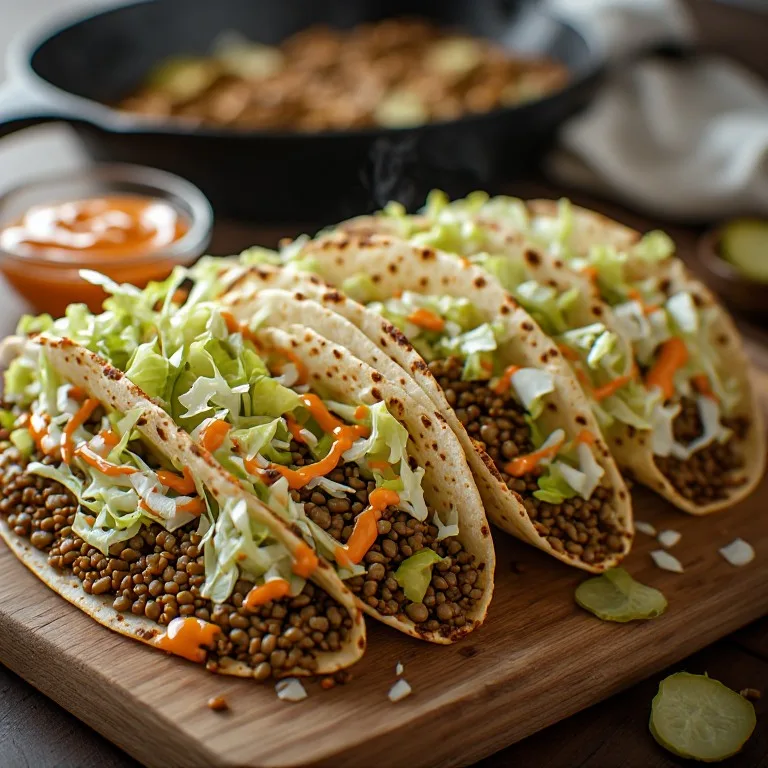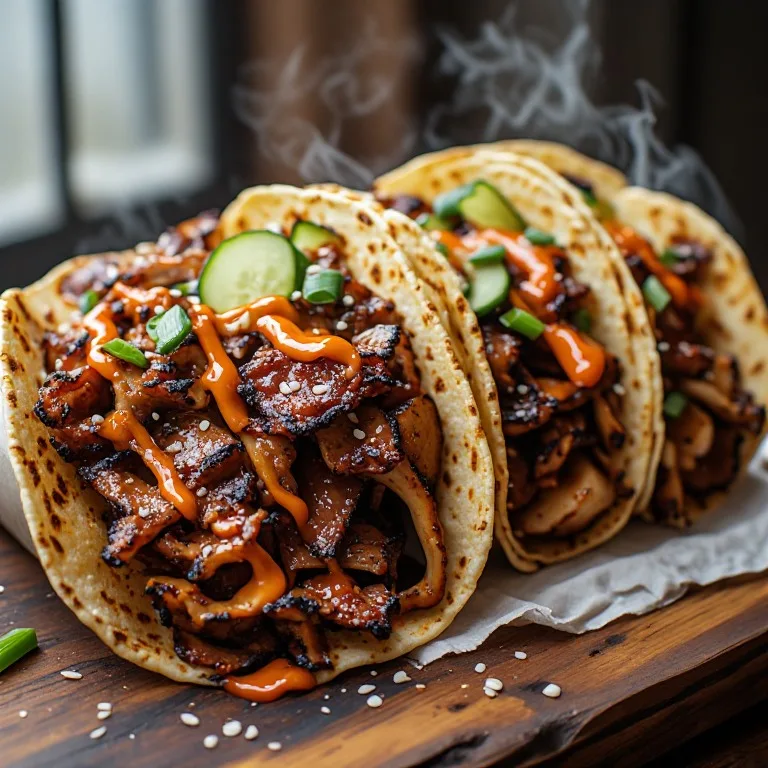



Gochujang mushroom tacos are the vegetarian dinner that keeps showing up on every corner of FoodTok — and they work because they don’t try to fake meat. They do something different: they use the structural properties of oyster mushrooms and the fermented depth of gochujang to produce a result that’s genuinely satisfying in the same way Korean BBQ is satisfying.
The tearing technique is the whole recipe. Oyster mushrooms have a layered fan structure with naturally fibrous grain. When you pull them apart by hand, the strips come away with ragged, frayed edges — thin flaps that char and crisp at 425°F while the thicker parts stay tender inside. Cut the same mushroom with a knife and you get smooth, uniform surfaces that steam instead of crisping. Every video that went viral used the hand-torn version. That’s not a coincidence.
Why Gochujang Works Here (and Why Sriracha Doesn’t)
The viral mushroom taco format works because of gochujang’s specific chemistry, not just its heat. Gochujang is a fermented paste — made from red chilies, glutinous rice, and fermented soybeans, aged in the same way miso and soy sauce are aged. That fermentation produces glutamates: the same flavor compounds found in meat that register as deep umami rather than simple heat. When gochujang-marinated mushrooms roast at 425°F, those glutamates concentrate and bind to the mushroom surface, building a savory depth that tastes like you spent hours in the kitchen.
Sriracha is a different product: it’s a fresh chili and vinegar sauce with no fermentation and no glutamates. Subbing it into the marinade produces spicy, tangy mushrooms — but not the BBQ-depth that makes these tacos feel like a complete dinner rather than a snack.
Maple syrup (or honey) in the marinade adds another layer: the sugars are low enough in molecular weight to caramelize rapidly at high heat, contributing the slightly charred sweetness that Korean BBQ gets from the grill. The combination of glutamates from the gochujang and caramelized sugars from the maple syrup is why the finished mushrooms smell and taste like they came off a grill, not a sheet pan.
The Oyster Mushroom Advantage
Standard cremini or button mushrooms don’t work for this technique — they’re spherical with no fibrous structure to tear. Oyster mushrooms have two properties that make them structurally suited to the recipe:
1. High water content that drives off quickly at high heat. Oyster mushrooms are about 90% water by weight. At 425°F, that moisture vaporizes in the first 10 to 12 minutes of roasting, leaving a dense, concentrated, meaty layer behind. By the time the oven caramelizes the gochujang glaze on the outside, the interior texture has gone from spongy to chewy-tender in a way that feels substantial.
2. Frayed edges from hand-tearing. The fan structure of an oyster mushroom separates along grain lines, exactly like wood splits along the grain. Where the edges are thin and frayed, they dehydrate completely in the oven and char like crackling. Where the strip is thick in the middle, it stays moist and tender. That contrast — crispy outside, chewy inside — is what the meat-cooking accounts on TikTok replicate with slow-roasted pork shoulder. These do it in 25 minutes from a $5 package of mushrooms.
Quick-Pickle Ratio (The One That Actually Works)
The quick-pickle needs to be aggressive enough to cut through the gochujang’s richness but not so sharp it dominates. This ratio works: 3 tablespoons rice vinegar + 1 teaspoon sugar + ½ teaspoon kosher salt per 2 Persian cucumbers, 15 minutes at room temperature. The cucumbers will soften slightly, turn translucent at the edges, and become pleasantly tart without tasting like vinegar on its own. Daikon radish (julienned) works the same way and adds crunch; add both if you have them.
Serving Variations
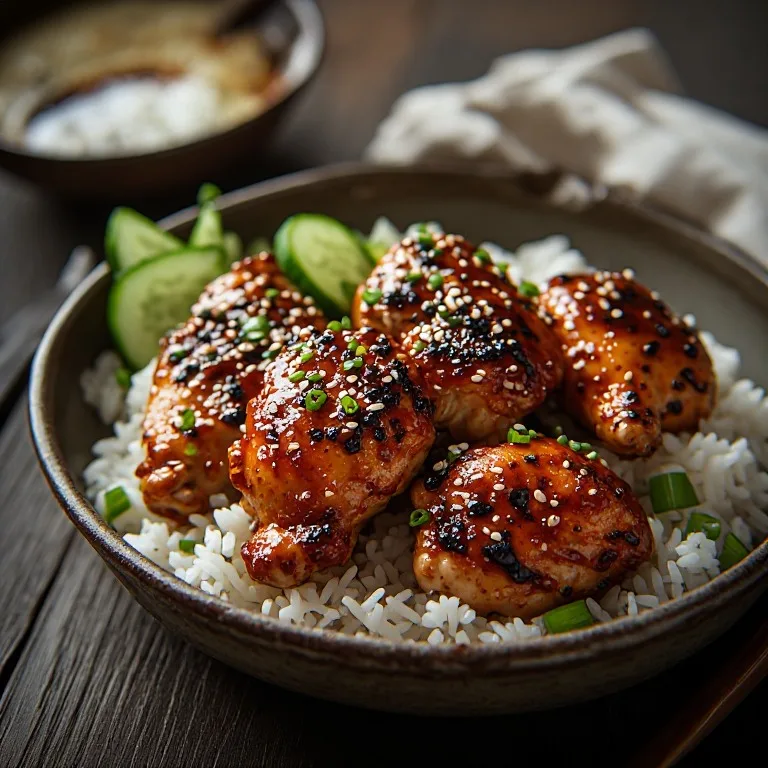
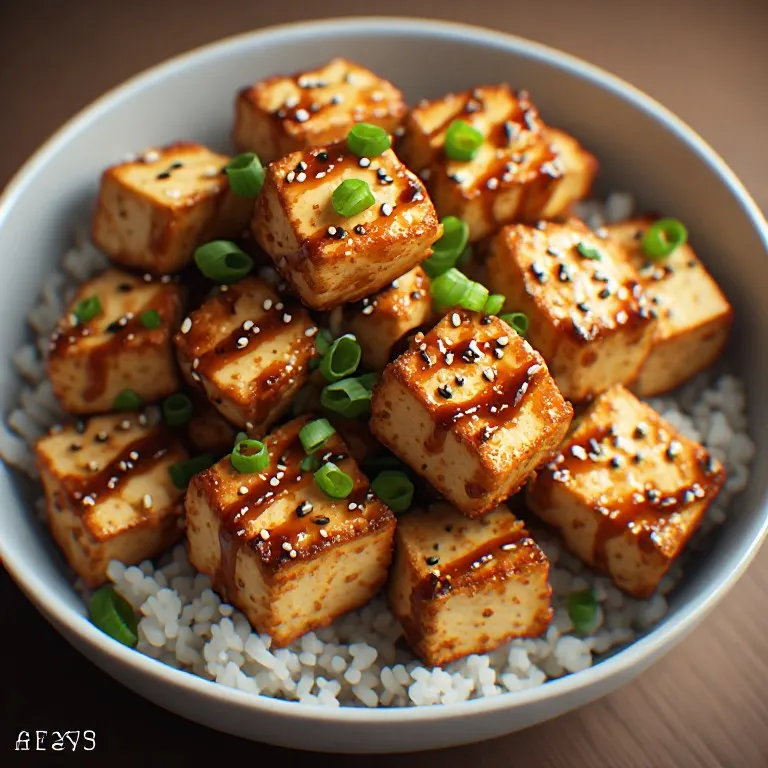
Korean rice bowl. Skip the tortillas. Serve the mushrooms over steamed jasmine rice, drizzle with gochujang mayo and extra sesame oil, and top with a soft-fried egg and a pile of quick-pickled cucumber. This is the version that went viral on the “vegetarian Korean beef bowl” side of TikTok.
Gochujang mushroom bao. Load into steamed bao buns with the gochujang mayo and a few drops of sesame oil. The pillowy bun against the charred mushroom is an entirely different register than tacos.
Ramen topping. Add the roasted mushrooms as a topping to instant ramen with soft-boiled eggs, scallions, and a drizzle of the gochujang mayo thinned with a splash of the ramen broth. The crispy mushrooms soften slightly in the hot broth and infuse it with gochujang and sesame flavor.