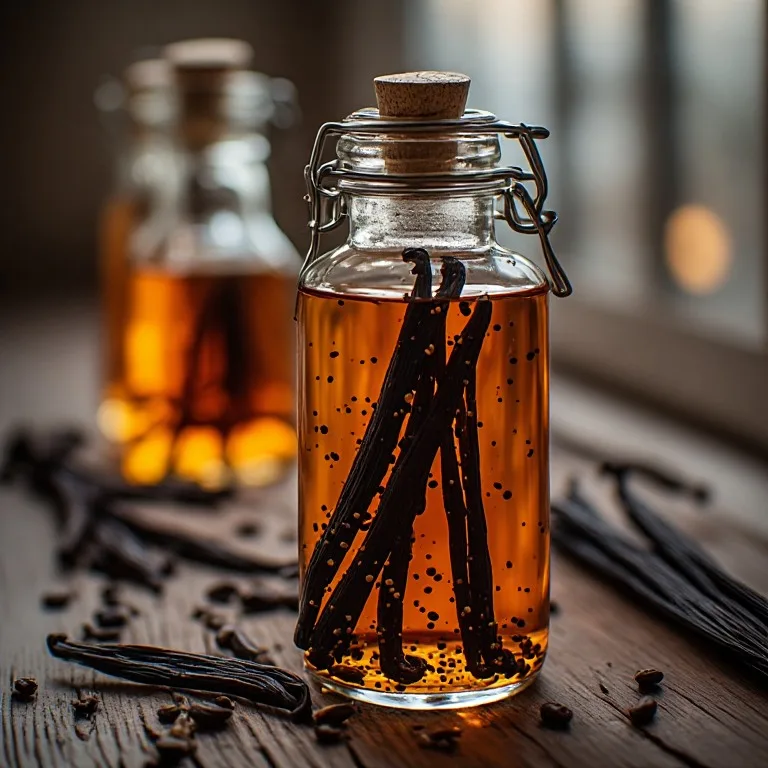

Five vanilla beans. One cup of vodka. Eight weeks. That’s the entirety of the TikTok recipe that’s turned thousands of home bakers into their own extract producers — and the homemade version tastes better than anything you can buy at the grocery store.
Why Homemade Vanilla Extract Took Over TikTok
The appeal isn’t novelty — people have been making vanilla extract at home for decades. What TikTok did was make the economics visible. When a creator films themselves filling 20 little amber bottles for Christmas gifts and shows a total cost under $50 — against roughly $300 to buy the equivalent — the comment section erupts: “I’ve been paying $15 for one bottle?” That moment of arithmetic is the hook.
Pure vanilla extract made at home using quality beans and neutral vodka runs roughly $2 to $2.50 per 2-oz bottle, and less with bulk extraction-grade beans. Nielsen-Massey Pure Vanilla Extract, the gold standard at the grocery store, costs $15–18 for the same quantity. For a baker who uses vanilla in everything — cookies, cakes, custards, buttercream, whipped cream — it’s the gift they’ll actually use and remember.
The quality argument is just as strong as the cost argument. Commercial extract is made to a legal minimum and priced for margins; your homemade version uses whatever bean-to-alcohol ratio you choose and infuses for as long as you want. Most home bakers who start making their own extract never go back.
The Only Technique That Matters
Homemade vanilla extract fails in exactly one way: insufficient surface area. Whole, unsplit vanilla beans infuse extremely slowly — the closed pod keeps most of the interior compounds protected from the surrounding alcohol. Split them, and you expose the seeds and the moist interior of the pod to direct alcohol contact, roughly tripling the extraction surface. The difference in color and flavor depth between split and unsplit beans at the 8-week mark is dramatic.
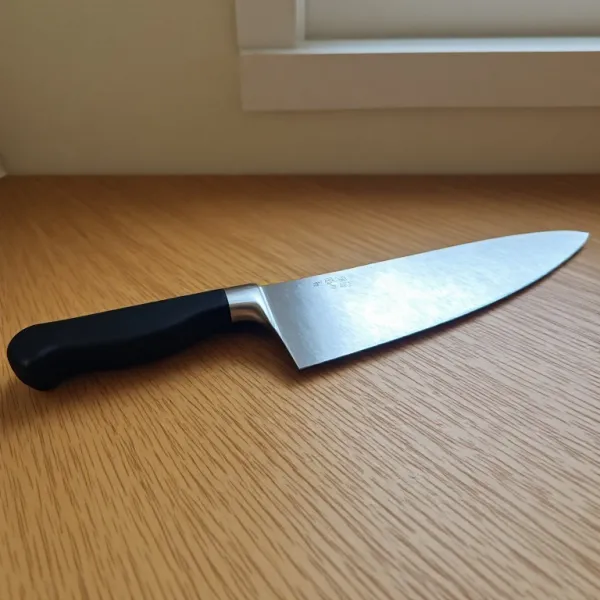
How to split a vanilla bean correctly: Hold the bean by one end against a cutting board. Press the tip of a sharp paring knife into the bean about half an inch from the top. Slice through the center lengthwise in a single stroke, stopping half an inch from the bottom. The bean is now open along its length but still attached at both ends — it stays together in the jar instead of fragmenting. The black vanilla seeds are visible inside; leave them there. They contribute flavor for the entire infusion.
Do not scrape the seeds out and discard the pod. Both the seeds and the pod itself contain vanillin and the aromatic compounds that make vanilla complex. Removing the seeds and throwing away the pod wastes roughly 40% of the flavor.
Choosing Your Vanilla Beans
Madagascar Bourbon vanilla beans are the most widely available and the standard for American baking. They have a sweet, creamy, classic vanilla flavor that works in everything. They’re what Nielsen-Massey uses and what most recipes are tested against.
Tahitian vanilla beans (from Tahiti or Papua New Guinea) have a floral, slightly fruity character with notes of cherry and anise. They’re excellent in delicate custards, whipped cream, and fruit-based desserts but can taste slightly off in aggressively spiced applications like gingerbread.
Mexican vanilla beans have an earthier, spicier flavor with warm notes that stand up well to chocolate. Avoid any Mexican extract or beans sold without clear origin labeling — some inexpensive Mexican imitation extracts have historically contained coumarin, a potentially harmful compound. Buy from a reputable source.
Where to buy: Costco carries Madagascar Bourbon vanilla beans seasonally (October through December, typically), and the price is exceptionally good. Trader Joe’s sells small bags at reasonable prices. Online, Beanilla and Slofoodgroup consistently ship high-quality beans; look for Grade A (plump, moist, visibly oily) and buy Grade B extraction-grade if you want to save money per bean without sacrificing extract quality.
The Gift Timing
If you’re making vanilla extract for Christmas gifts, start today. Eight weeks from October 21 is December 16 — just in time for holiday giving, with a week of buffer. Start a week later and you’re cutting it close; start two weeks later and you’re giving people an extract that needs more time.
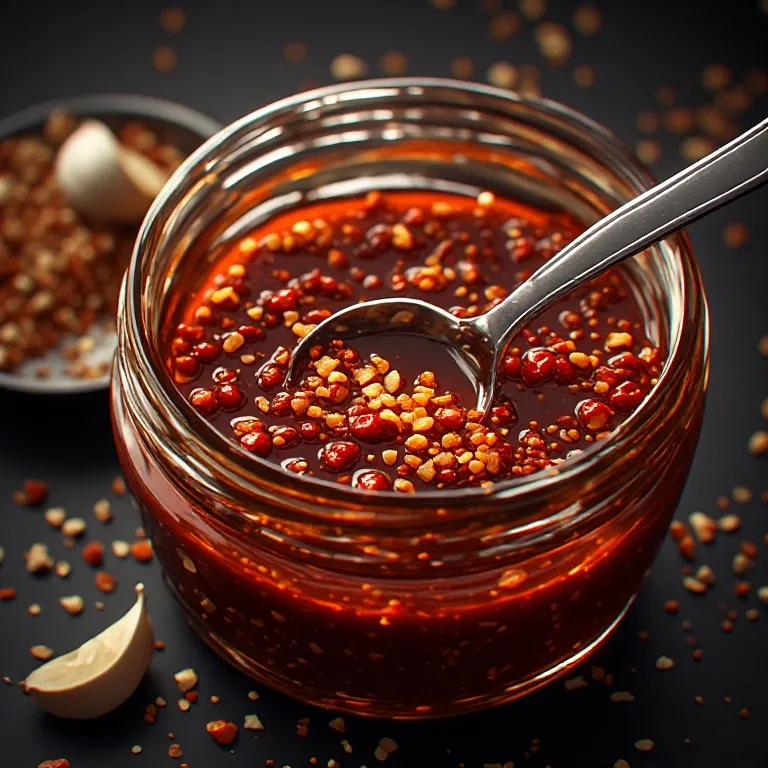
For gifting, 2-oz swing-top bottles are the standard. Each holds 12 teaspoons of extract — about 6–8 months of use for a regular home baker. Drop a half-inch sliver of spent vanilla bean into each bottle as a visual note. Print or write labels that say “Pure Vanilla Extract — Made October 2026” and include a short note: “Gets better with age. Shake before using.” Pair the bottle with another make-ahead edible gift like homemade chili crisp or garlic confit for a giftable pantry trio.
A single jar — 1 cup (240 ml) of vodka and 5–6 beans — fills about four 2-oz bottles once you decant it. Scale up proportionally: 2 cups of vodka and 11–12 beans fills eight 2-oz bottles. For 20 gift bottles you need about 30 vanilla beans and 5 cups of vodka — a total investment of roughly $45–55 that looks like $300-plus in gifts.
The Perpetual Vanilla Method
The most-viewed vanilla extract content on TikTok isn’t the initial batch — it’s the perpetual method. Instead of using up the jar and starting over:
- When the jar is about half empty, top it off with fresh vodka (same amount you removed).
- After the second or third refill, add 1–2 new split beans to replenish intensity.
- The jar goes on indefinitely. Some home bakers have jars that are 4–5 years old.
The flavor in a jar that’s been going for a year is genuinely richer than any commercial extract: it has depth from the accumulated compounds of multiple infusion cycles. The color deepens from amber to nearly black over multiple years. Professional pastry chefs often maintain extract jars this way.
Using Your Extract
Substitute homemade vanilla extract in a 1:1 ratio anywhere a recipe calls for vanilla extract — 1 teaspoon is 1 teaspoon, and the potency is comparable to commercial pure vanilla extract. If your batch infused for 12+ weeks and has intensified in flavor, you can reduce to 3/4 teaspoon per teaspoon called for.
Add vanilla off-heat when possible: vanilla’s most volatile aromatic compounds are sensitive to sustained high heat. In cookies and cakes this doesn’t matter much (the heat exposure is brief). In pastry cream, puddings, and sauces on the stovetop, stir vanilla in after you remove the pan from heat to preserve the full aromatic range.
For whipped cream, frosting, and no-bake cheesecakes — items where the vanilla isn’t cooked at all — the difference between pure homemade extract and imitation vanilla is most pronounced. Imitation vanilla (vanillin in a water base with corn syrup and often propylene glycol) reads as slightly chemical in uncooked applications. Pure extract reads as vanilla. It’s the same principle behind a good vanilla sweet cream — the vanilla there is never heated, so the quality of the extract is front and center.