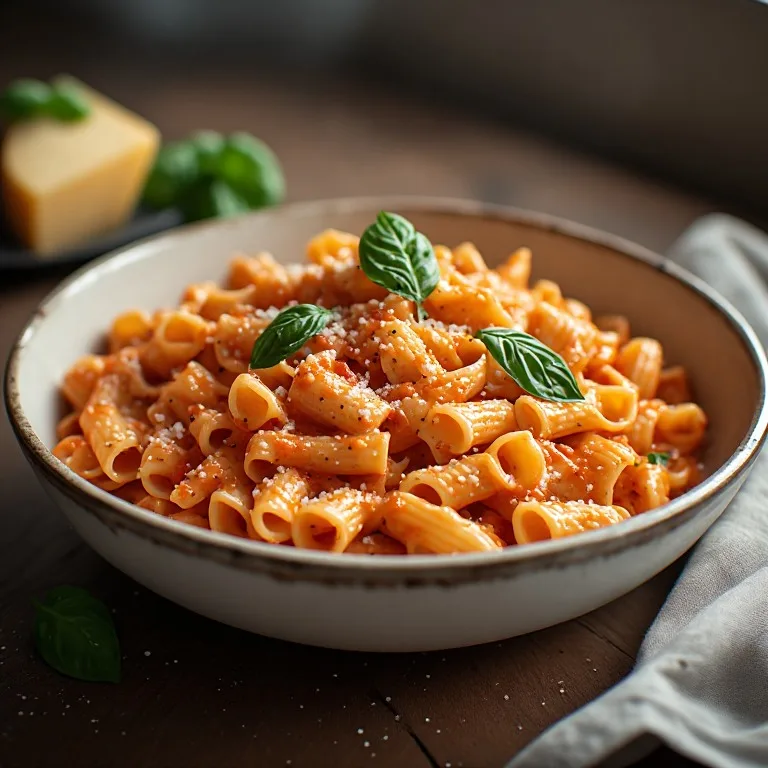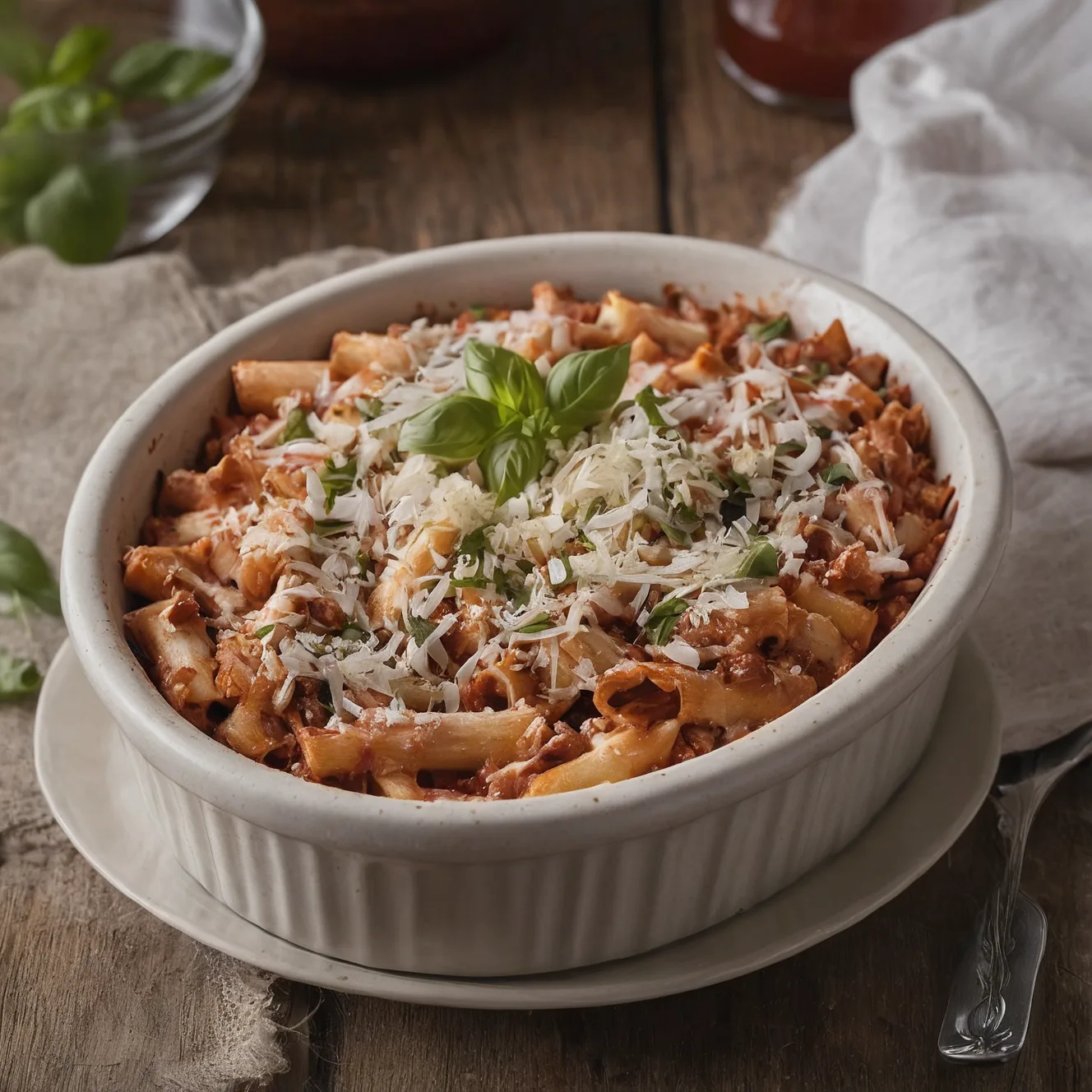


Viral TikTok Honeycomb Pasta Bake (Rigatoni Pie)
If you’ve scrolled past a video of someone standing rigatoni upright in a springform pan, watching the camera pull back to reveal a honeycomb of golden cheese, and thought — wait, is that actually a meal — yes. It’s real, it works, and it tastes better than a standard baked ziti.
The technique is not new. Variations of the rigatoni pie have existed in Italian-American cooking for decades under names like “pasta cake” and “baked ziti pie.” TikTok found it, gave it the name “honeycomb pasta,” and turned it into one of the most-shared baked-pasta videos of the era — creator Anna Rothfuss (@bananalovesyoutoo) racked up nearly 12 million views on her version, and the recipe keeps recirculating every time a new wave of home cooks discovers the springform reveal. Her original stuffed a chunk of string cheese into every tube. This version swaps that for a herby ricotta filling — more on why below — but keeps the payoff intact: release the latch, and the pasta stands on its own like a cake.
Why the Springform Pan Changes Everything
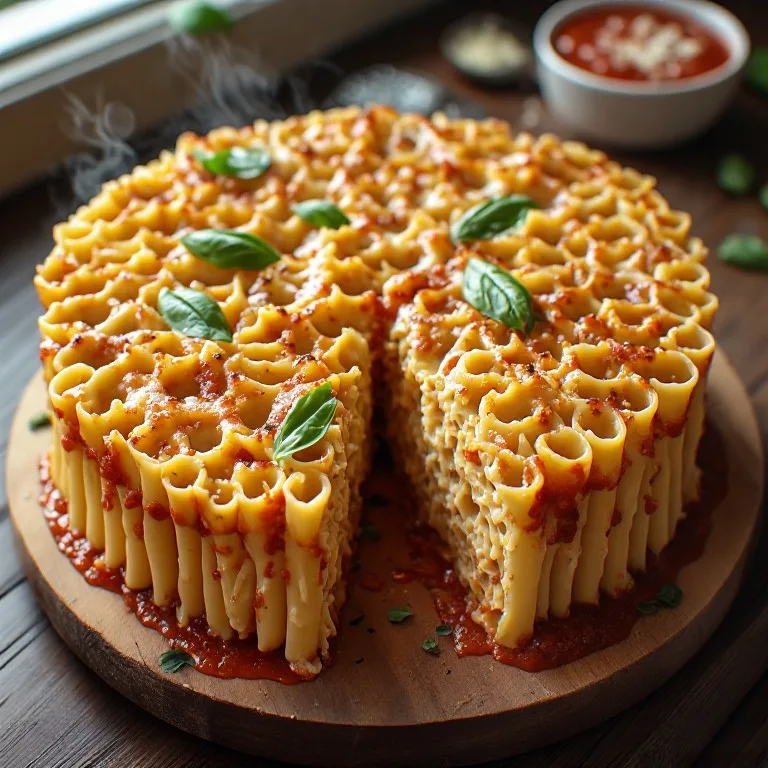
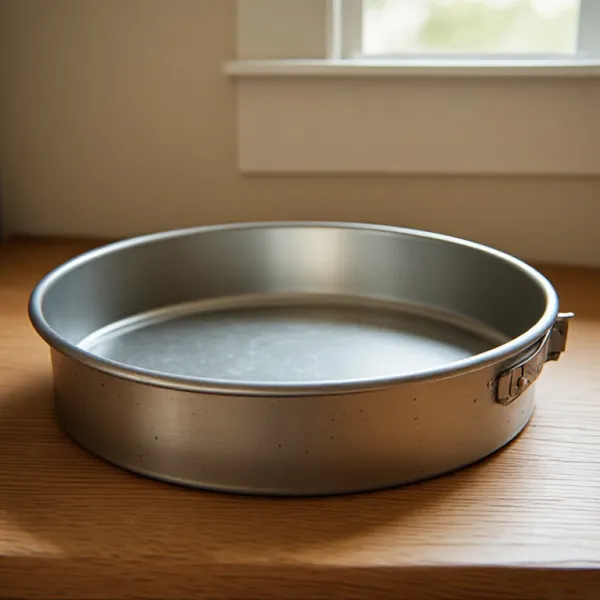
A regular baking dish produces a scoop-it-out pasta bake. A springform pan produces a pasta cake you can slice. The sides hold the rigatoni in formation during baking; when you release the latch, those sides pull away to reveal the honeycomb cross-section — all those little tubes packed together, each filled with creamy ricotta and capped with browned cheese.
The reveal is the reason this is TikTok content and not just dinner. But the springform pan also improves the recipe structurally: the pasta cooks more evenly when it can’t spread out, and the vertical orientation means every tube gets sauce both above and below as the ricotta melts.
The Technique That Makes or Breaks It: Resting
Every step in this recipe is forgiving except one: the 15-minute rest before unmolding.
The ricotta filling sets as it cools, binding the pasta tubes together so they hold their shape when you release the springform and slice. If you’re impatient and release the latch at 5 minutes, the ricotta is still molten, the pasta shifts, and the honeycomb slumps. At 15 minutes, it holds. At 20 minutes, it slices cleanly.
This is not optional.
The String Cheese Debate
Early viral videos showed creators stuffing individual rigatoni tubes with pieces of string cheese before standing them in the pan. It looks satisfying in the assembly video. In practice, it creates an uneven result: the tubes with string cheese become pools of molten rubber, the tubes without it have a ricotta center, and the whole bake has a patchy, inconsistent texture.
The ricotta filling spooned across the top — pushed into the tubes with a bench scraper — distributes more evenly and produces a genuinely better result. You get a creamy, lightly eggy ricotta inside every tube, not a lottery of cheese vs. no cheese. Skip the string cheese unless you’re making the version specifically for visual content.
Building the Filling
The ricotta mixture is doing two things: holding the bake together structurally (via the egg) and providing the flavor backbone (the parmesan, garlic, and herbs). Season it assertively — once it’s inside the tubes, there’s no way to add salt. The mixture should taste slightly over-seasoned on its own because it will dilute once surrounded by pasta.
The egg is non-negotiable. Ricotta without egg stays loose and runny; ricotta with egg sets to a sliceable consistency as it bakes. One egg per 15 oz of ricotta is the right ratio.
The Sauce Question
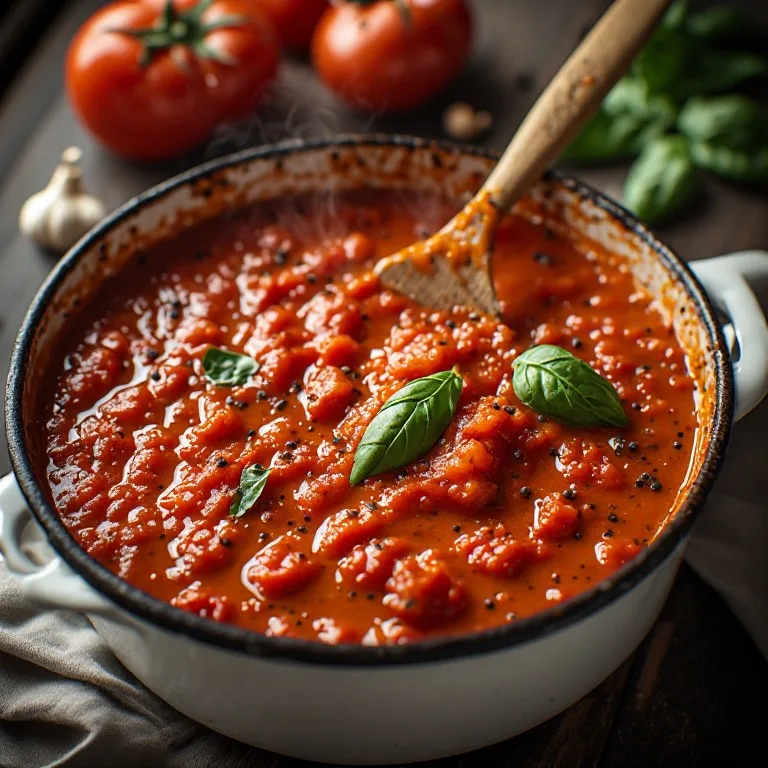
Rao’s Homemade Marinara is the right call here. It has no added sugar, a short ingredient list, and a flavor that tastes like someone’s grandmother made it. It won’t waterlog the bake. If you’re making your own, use the standard slow-cooked marinara and don’t skip the basil — it’s the flavor bridge between the ricotta interior and the crispy mozzarella top.
If you want a meat version, brown Italian sausage and combine it with the marinara before adding it to the bake. A meat sauce poured over the top produces a richer, heartier result that reads more like Sunday dinner than weeknight pasta.
Serving
Slice the honeycomb pasta cake into 6 wedges — sharper knife, cleaner cut. Each wedge shows the cross-section of standing pasta tubes filled with white ricotta and topped with rust-red marinara and browned cheese. Serve with warm marinara alongside for dipping the tips of the wedge.
The bake holds at room temperature for about 45 minutes without losing its shape. Leftovers reheat well at 350°F covered for 15 minutes, though the crust won’t be as crispy the second day. A drizzle of good olive oil when reheating brings it back.