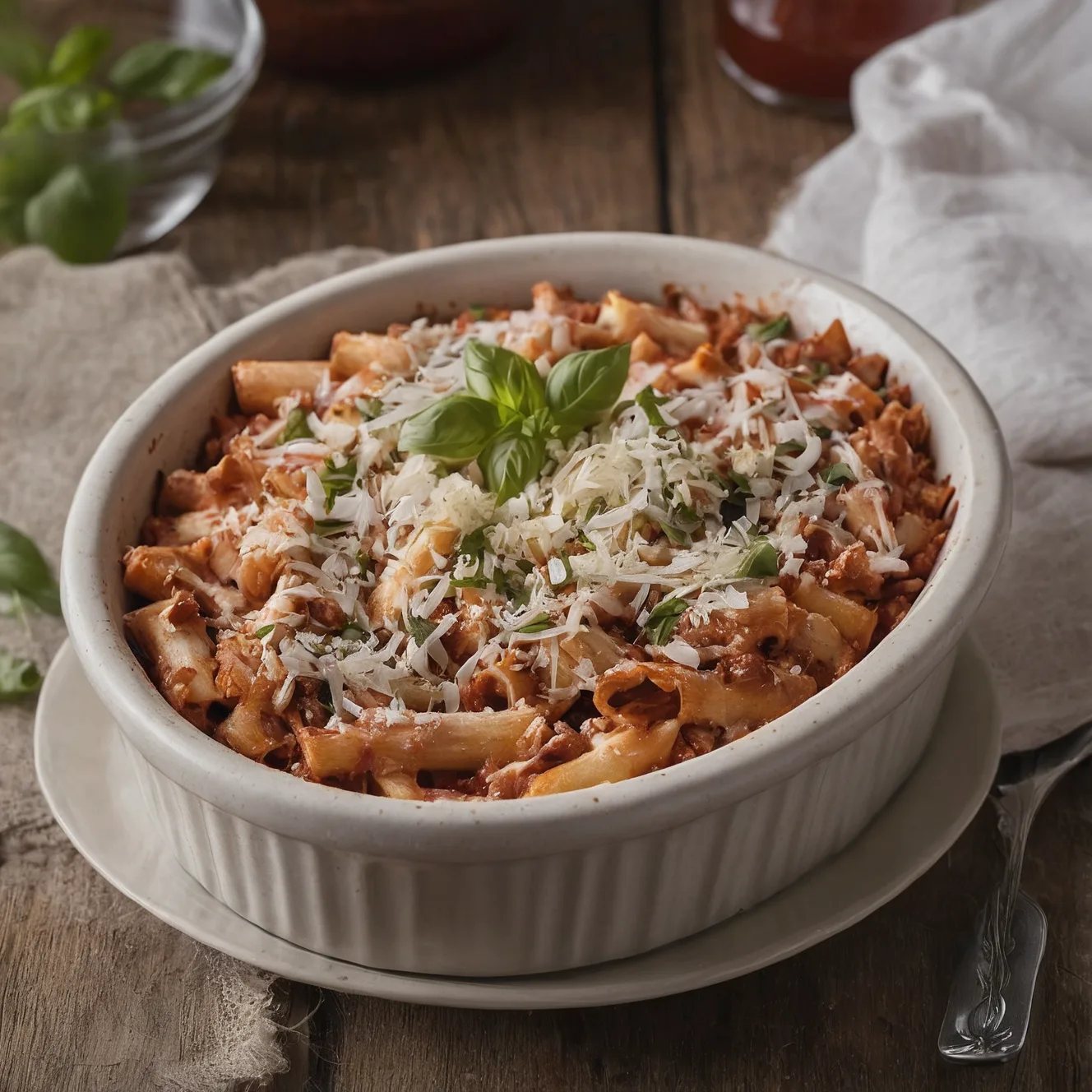
Copycat Maggiano’s Taylor Street Baked Ziti
Prep time: 15 min Cook time: 40 min Servings: 4
Maggiano’s Taylor Street Baked Ziti is not what you expect. Every baked ziti you have ever made, or ordered at a local Italian-American spot, almost certainly had ricotta in it — a thick, creamy interior layer that makes the dish dense and rich. This one does not. The pasta goes into the baking dish tossed in a light Italian sausage pomodoro sauce, the provolone goes on top, and the whole thing goes under the broiler for two to four minutes. That is the dish.
The result is cleaner and more focused than ricotta-based baked ziti: the tomato and sausage flavors come through directly, the sauce clings to each piece of ziti without a creamy buffer, and the provolone crust on top does the job that ricotta usually does in the interior — it adds richness and savory dairy depth, but positioned where you want it, on the surface, where it can brown and develop complexity instead of sitting in a pale, steamed layer below.
The dish is named for Chicago’s Taylor Street, the Near West Side neighborhood that was the largest Italian-American settlement in Chicago — its original Little Italy. Maggiano’s first restaurant opened in River North, not on Taylor Street itself. The dish is a tribute to that neighborhood and the Italian-American family cooking it represents: hearty, unfussy, built around ingredients that work simply together rather than techniques that require explanation.
Why “Taylor Street”?
Taylor Street in Chicago was, for most of the 20th century, the center of Chicago’s Italian-American community. At its peak, a third of all Italian immigrants in Chicago lived in or near Taylor Street. The neighborhood was known for family-run groceries, bakeries, restaurants, and the kind of communal cooking — big batches of pasta, long simmering sauces, food that fed many people without demanding unusual ingredients — that is exactly what this dish represents.
Maggiano’s built its brand around this tradition. The name “Little Italy” in the restaurant’s full name is not incidental; it is a deliberate claim of lineage. The Taylor Street Baked Ziti is the dish on the menu that most directly states that lineage: it is named for the neighborhood, not for a technique or a chef, and it is the most deliberately old-school pasta on the menu. A Chicago Italian grandmother from Taylor Street would recognize it immediately.
No Ricotta: What That Actually Changes
This is worth dwelling on because it is the most consequential thing about the dish.
Traditional baked ziti — the version in every Italian-American cookbook, at every family restaurant, in every home recipe — layers ricotta cheese through the interior. The ricotta mixes with the pasta and the sauce to create a unified, creamy, somewhat dense filling. It tastes good. It is also a different dish from this one.
Without ricotta, the pasta and sauce are the thing. The sauce has to be good enough to stand without the ricotta’s richness softening it, which is why the white wine deglaze and the fresh basil matter more here than they would in a ricotta-based version. And the cheese on top has to do double duty: provide the richness and the savory dairy note that ricotta usually handles, in addition to creating the browned crust. Provolone does both better than mozzarella does.
Provolone vs. Mozzarella: Why It Matters
The Maggiano’s recipe uses provolone, but many copycat versions substitute mozzarella because it is more likely to be in the refrigerator. Both work. The differences are real.
Mozzarella melts into long, elastic strings and has a very clean, mild flavor — almost neutral — that lets the sauce and sausage lead. Under the broiler it turns bubbly and pale gold but rarely develops significant color or crust.
Provolone melts to a firmer, slightly chewier set, and develops color more readily under the broiler. Mild provolone has a faint savory tang and a hint of smokiness that mozzarella does not. It tastes like something, which matters when it is the only cheese in the dish besides Parmesan. When properly broiled, provolone forms a unified, lightly golden crust across the top of the dish rather than islands of melted cheese separated by visible gaps.
Use deli-sliced provolone rather than pre-shredded or pre-sliced packaged provolone: the thicker, more uniform slices from the deli counter cover the dish better and melt more evenly.
Cost Comparison: Home vs. Restaurant
| Maggiano’s | Homemade (4 servings) | |
|---|---|---|
| Per plate | ~$24 | — |
| Full batch (4 plates) | ~$96 | ~$12–16 |
| Per serving | ~$24 | ~$3–4 |
| Savings per plate | — | ~$20 |
The restaurant version’s main cost driver for the home cook is the Italian sausage (about $6–8/lb for a good quality sausage) and the provolone (about $3–4 for 8 oz from the deli). Everything else — pasta, canned tomatoes, jarred marinara, wine, butter, garlic — is pantry territory.
Note on the restaurant sodium: at approximately 4,060mg per individual portion, the restaurant’s Taylor Street Baked Ziti contains nearly twice the recommended daily maximum of sodium (2,300mg) in a single dish. The home version lands around 980mg per serving by using a standard marinara sauce; switching to a low-sodium marinara drops that further to roughly 700–750mg.
The Broiler Technique: Two to Four Minutes
Broiling is not a casual step. The difference between golden-spotted provolone and scorched, bitter provolone is about 90 seconds. Follow these rules:
- Top rack only. Move the oven rack to the highest position — about 6 inches from the broiler element — before turning the broiler on.
- High broil. Use the high setting; low broil takes longer and produces uneven results.
- Stay and watch. Do not walk away. Check every 60 seconds after the cheese starts to melt. You want bubbly, with golden-brown spots developing across the surface. Remove immediately.
- Rest before serving. Three to four minutes of resting lets the cheese firm slightly and the pasta absorb the last of the sauce. Cutting into it immediately produces a loose, saucy mess; resting produces clean scoops.
Three Things That Go Wrong
1. Skipping the wine reduction
The most commonly skipped step, and the one that most clearly separates a restaurant-tasting version from a home version. After the sausage is browned and the garlic goes in, the wine goes in next and must reduce to almost nothing before the tomatoes are added. If it doesn’t reduce — if the wine goes in along with the tomatoes without a separate reduction — the sauce tastes flat and slightly thin. The fond-deglazing and the reduction are two different things: deglazing lifts the brown bits (flavor), and reduction concentrates the wine’s depth while cooking off the alcohol. Both happen automatically if you let the pan run hot and dry before adding the tomatoes.
2. Overcooking the pasta before baking
Ziti that goes into the oven at the recommended al dente mark comes out slightly past al dente after the broiler. Ziti that is fully cooked when it goes in comes out mushy. Remove it 2 minutes early, while it still has a firm bite at the center; it finishes cooking in the sauce and under the broiler.
3. Using a dish that’s too small
A pan with high sides produces a pile of pasta 3 inches deep, where the broiler reaches only the top inch and everything below stays pale and underbroiled. A 9×13 baking dish spreads the pasta into a layer 1½ to 2 inches deep, giving the broiler contact with a much larger proportion of the surface area. The cheese covers the top properly and the broiler reaches the pasta at the edges rather than just the center peak.
Tips & Variations
- Hot Italian sausage. Swap mild for hot Italian sausage for a spicier version — the base dish is mild enough that the heat reads clearly without being aggressive. Or do a half-and-half blend.
- Add spinach. Stir 3 cups of fresh baby spinach into the sauce just before adding the pasta — it wilts immediately and adds color and mild earthiness without changing the dish’s character.
- Make it a 30-minute weeknight dish. Use a high-quality jarred marinara as the entire sauce base (skip the diced tomatoes and reduce the marinara to 28 oz total). The dish loses some textural variation but is genuinely good in a fraction of the time.
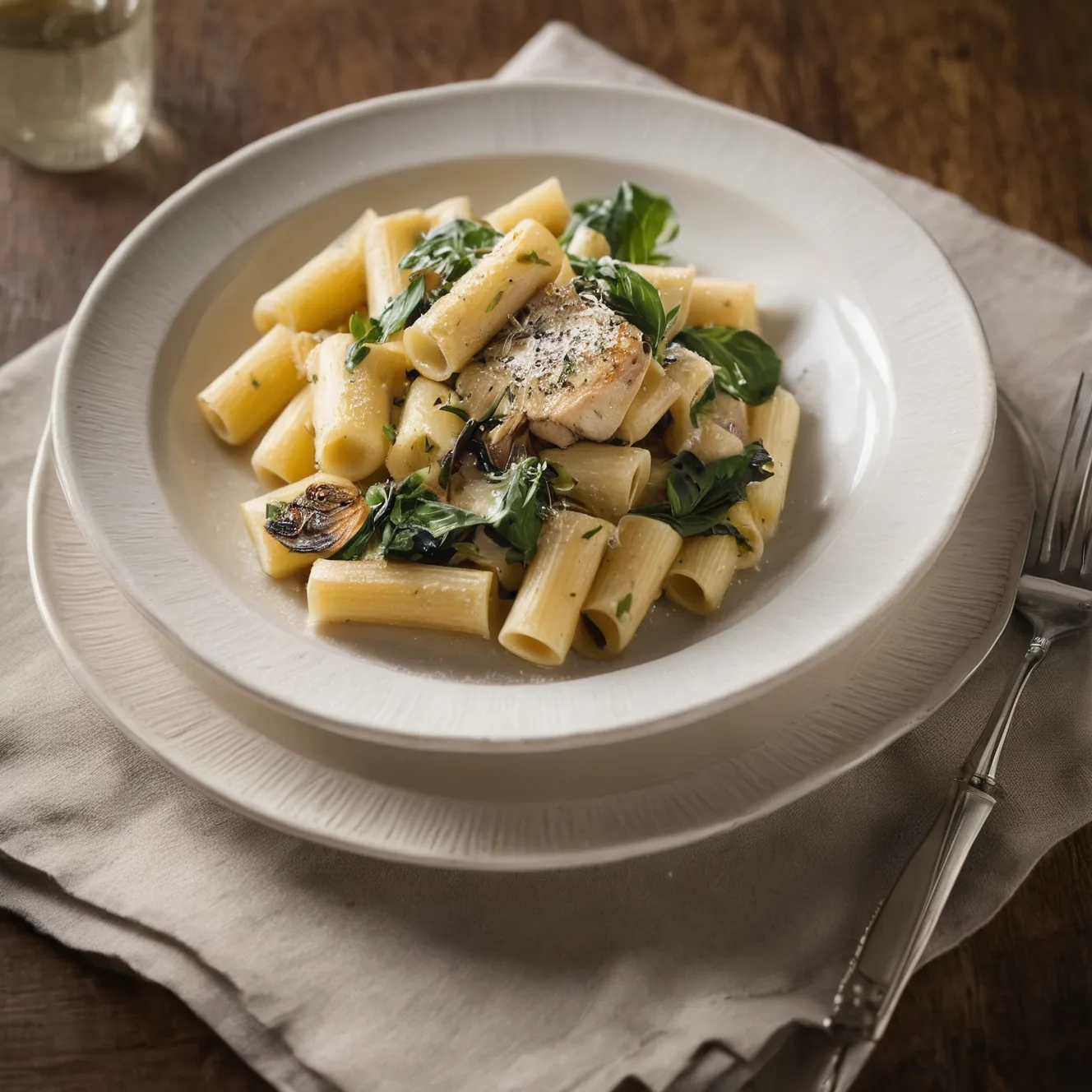
- Rigatoni substitute. Rigatoni works nearly as well as ziti in this recipe — the ridges hold the pomodoro sauce differently (more surface area) and the tubes are slightly larger. If you prefer rigatoni, it is an acceptable swap; the dish is architecturally the same. The restaurant name says ziti, but this is not a dish that depends on the pasta shape the way Rigatoni D does.
- No provolone? Smoked mozzarella is the closest substitute (it has provolone’s slight smokiness in a more elastic melt). Fontina is a second option. Standard whole-milk mozzarella works and is the most common copycat substitute; just don’t expect the same golden crust.
Storage & Reheating
Leftovers keep for 4 days covered in the refrigerator. The sausage pomodoro sauce deepens as it sits — the garlic, basil, and wine notes integrate — and the next-day version is noticeably more complex. Reheat in a skillet over medium-low heat with 2 to 3 tablespoons of marinara sauce or water stirred in to loosen (the pasta continues to absorb liquid in the refrigerator). Alternatively, reheat covered in a 325°F oven for 15 minutes. Avoid microwaving the provolone crust if you can — it turns rubbery.
More Maggiano’s and Italian-American Copycat Recipes
- Copycat Maggiano’s Rigatoni D — the restaurant’s signature: balsamic mushrooms, caramelized onions, and a dry Marsala cream sauce named for founding Chef David Di Gregorio
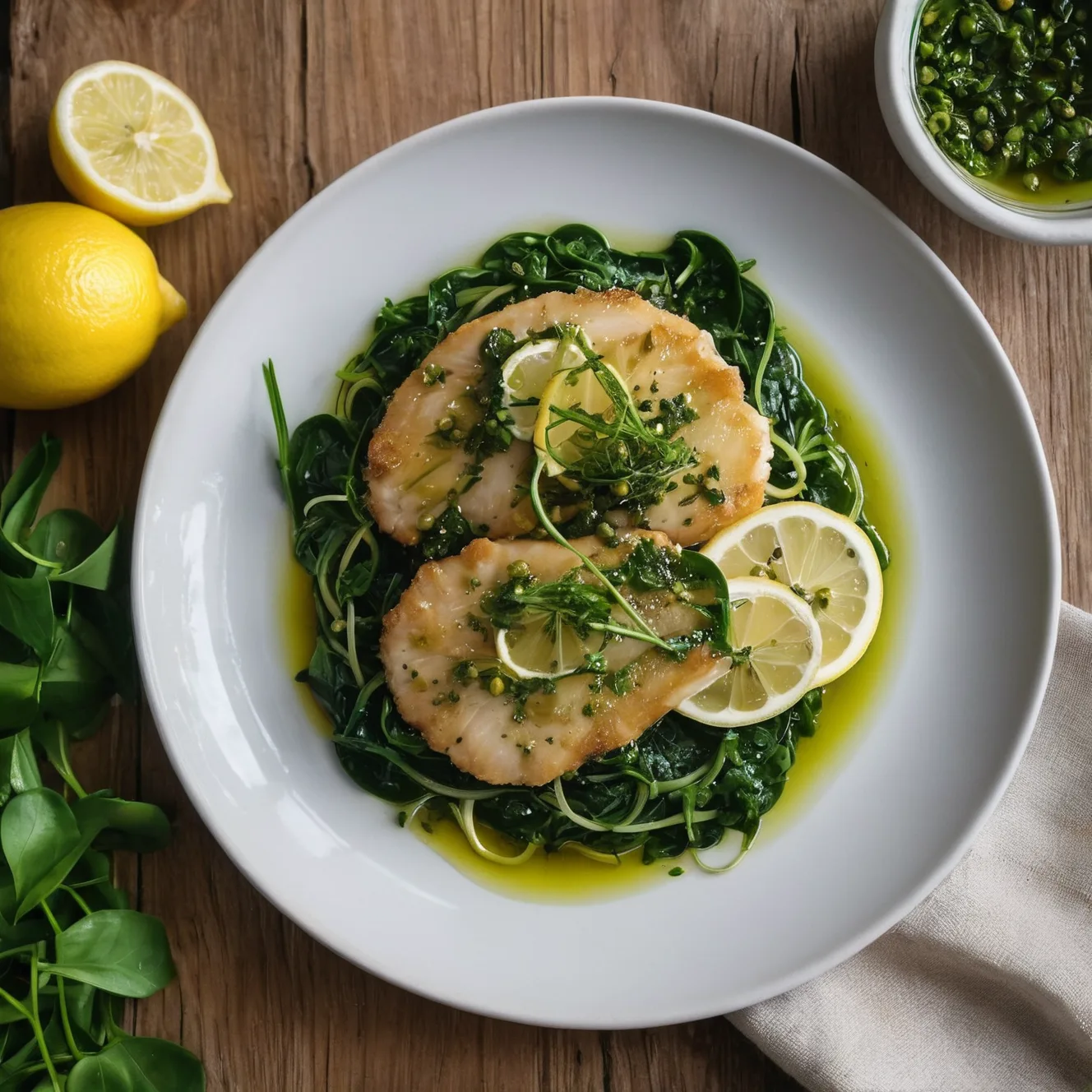
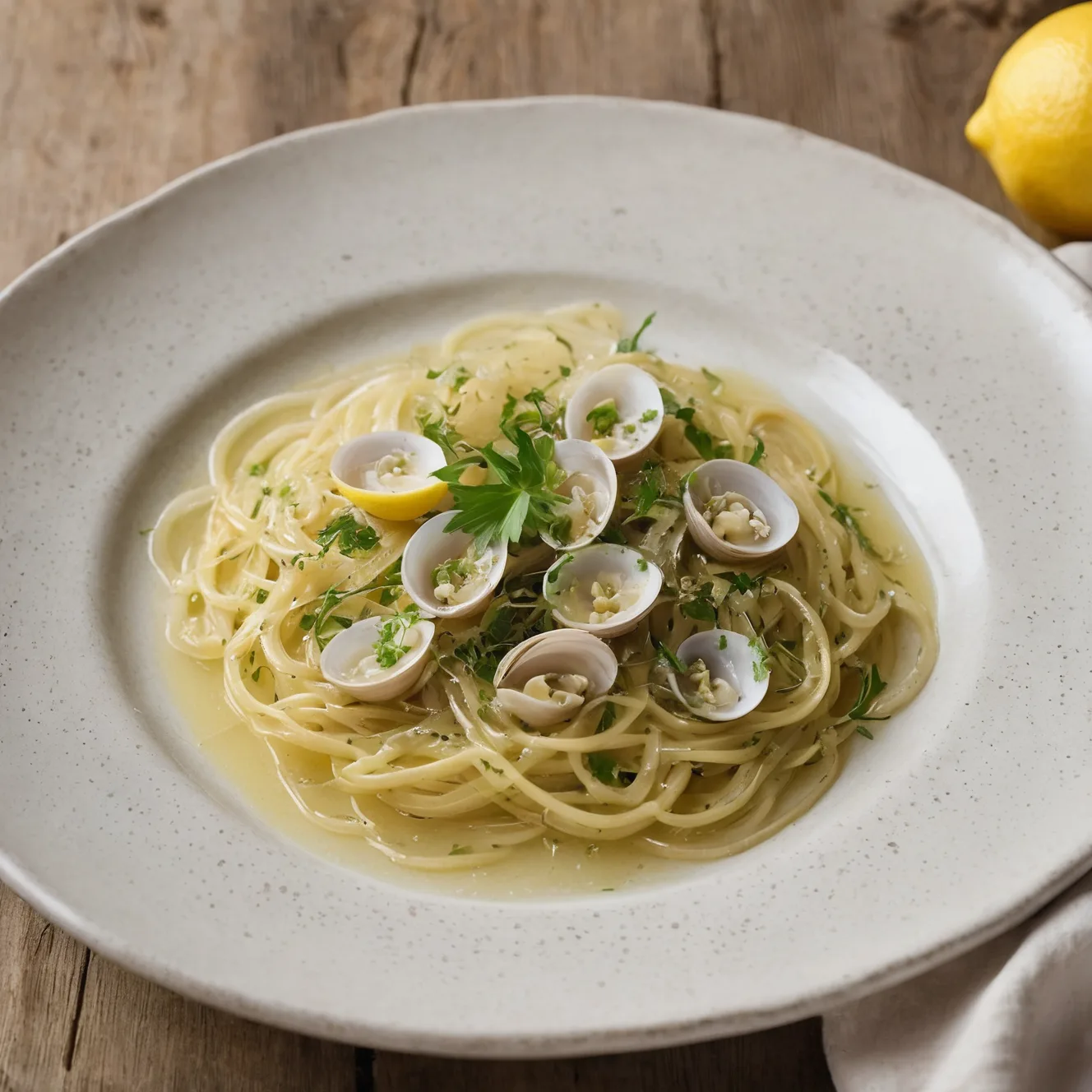
- Copycat Maggiano’s Chicken Piccata — butter-mounted lemon-caper sauce, no cream, with a spinach sauté and the restaurant’s Spaghetti Aglio Olio on the side
- Copycat Cheesecake Factory Four Cheese Pasta — similar Italian-American comfort style; four-cheese cream sauce where Maggiano’s uses a light pomodoro
- Copycat Olive Garden Lasagna Classico — layered baked pasta with a meat sauce and ricotta; the ricotta-forward contrast to what Maggiano’s does here
See all Maggiano’s copycat recipes →