


How to Actually Caramelize Onions — The 45-Minute Truth the Internet Keeps Lying About
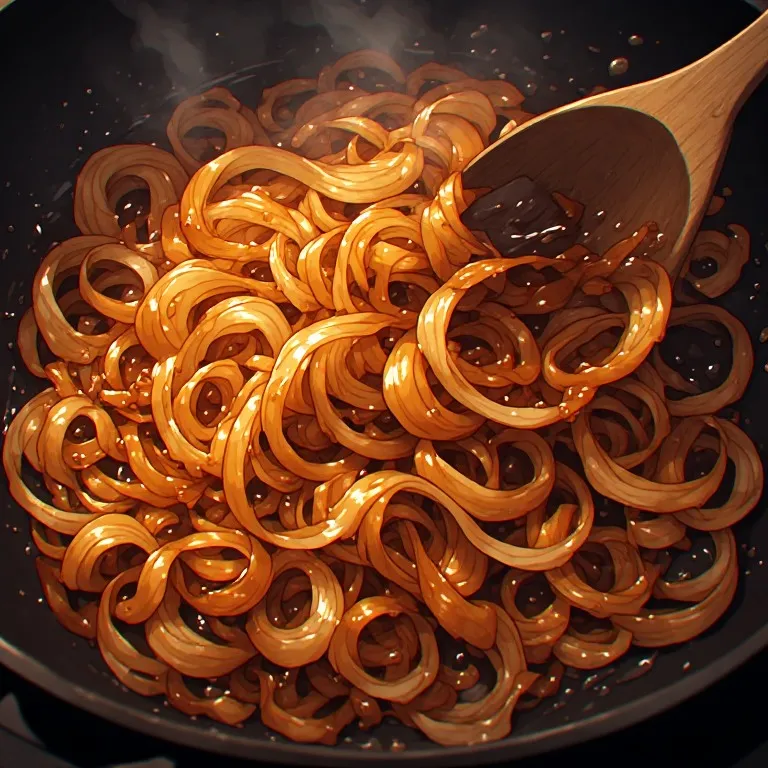
In 2012, a food writer fact-checked a common recipe claim and published the finding: when a recipe says “caramelize onions, about 10 minutes,” the actual time for real caramelization is closer to 45 minutes. The article went viral and sparked a years-long debate about what “caramelized” even means. A decade later, TikTok reignited it.
The conversation goes like this: someone shares a video of properly caramelized onions — deeply brown, jammy, impossibly sweet — with a caption explaining it took 45 minutes. The comments fill up with people insisting their recipe says 10 minutes and works fine. And they’re not entirely wrong. You can make good, savory, softened onions in 10–15 minutes at higher heat. But they’re not caramelized. They’re two fundamentally different things.
What Caramelization Actually Means
Two reactions are responsible for caramelized onion flavor and color, and both require time and heat to occur.
Maillard reaction: Amino acids and reducing sugars react when heated above approximately 280°F (140°C), producing hundreds of new flavor compounds including the deep, savory, complex notes we associate with browned meat, roasted coffee, and toasted bread. In onions, this requires the surface moisture to evaporate enough that the onion tissue reaches Maillard temperatures.
Sugar caramelization: Onions contain fructose, glucose, and sucrose — about 5g of sugar per 100g of raw onion. When heated, these sugars break down and recombine into over 100 volatile flavor compounds, including the sweet, nutty, slightly bitter notes that define caramelized onion flavor.
Both reactions require moisture to first evaporate (onions are 89% water), then for temperatures to build as the sugar concentration increases. At medium-low heat, this takes 40–55 minutes. At high heat, the exterior burns before the interior moisture escapes, producing bitter, dark-spotted onions that aren’t actually sweet.
The 10-Minute Version (and What It Actually Is)
Here’s what’s happening when a recipe produces “caramelized” onions in 10 minutes at high heat: the moisture is driven out quickly, the exterior browns rapidly, but the Maillard compounds formed are different (higher-temperature, more bitter) and the interior sugars haven’t had time to caramelize. The result is browned but not sweet, slightly bitter, with occasional burned spots.
Some recipes add balsamic vinegar or a pinch of sugar to shortcut the color and sweetness. These produce a reasonable facsimile — sweet, brown onions — but the flavor is one-dimensional compared to genuinely caramelized onions developed through the full process.
Is the quick version bad? No. It’s a different, faster product. But calling it the same thing leads to the recipe confusion that TikTok is now (hilariously) reckoning with.
The Practical Variables That Actually Speed Things Up
Within the honest 40–55 minute window, there are legitimate ways to push toward the faster end without compromising the result.
Use a wide pan. More surface area means more evaporation, which means moisture leaves faster. A 12-inch skillet will caramelize onions faster than a 10-inch for the same volume.
Slice thin. Thinner slices have more surface area relative to volume and release moisture faster. 1/4 inch is appropriate; thinner than that and the onions disintegrate.
Salt early. Salt draws moisture out of the onion tissue through osmosis within the first few minutes of cooking, accelerating the early evaporation phase.
The optional sugar. A teaspoon of sugar added at the beginning provides additional substrate for browning reactions. It speeds up color development without noticeably adding sweetness (the onions already become dramatically sweet on their own).
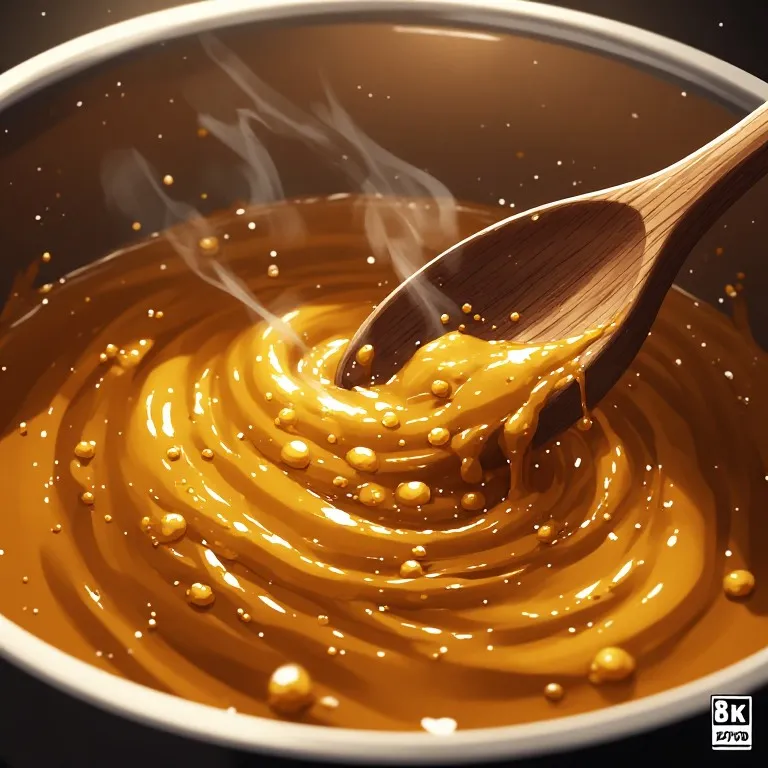
Deglaze deliberately. When the fond on the bottom of the pan threatens to burn, a splash of water or wine lifts it. This is not a rescue move — it’s an intentional technique. The fond is concentrated caramelized onion flavor, and deglazing incorporates it into the onions rather than leaving it burned on the pan.
What You Can Do With a Large Batch
The payoff for the time investment is significant. Properly caramelized onions keep refrigerated for a week and frozen for months. A Sunday batch unlocks:
- French onion soup in 20 minutes instead of 75
- An extraordinary grilled cheese (with gruyere and caramelized onions)
- Pizza topping with blue cheese and pear
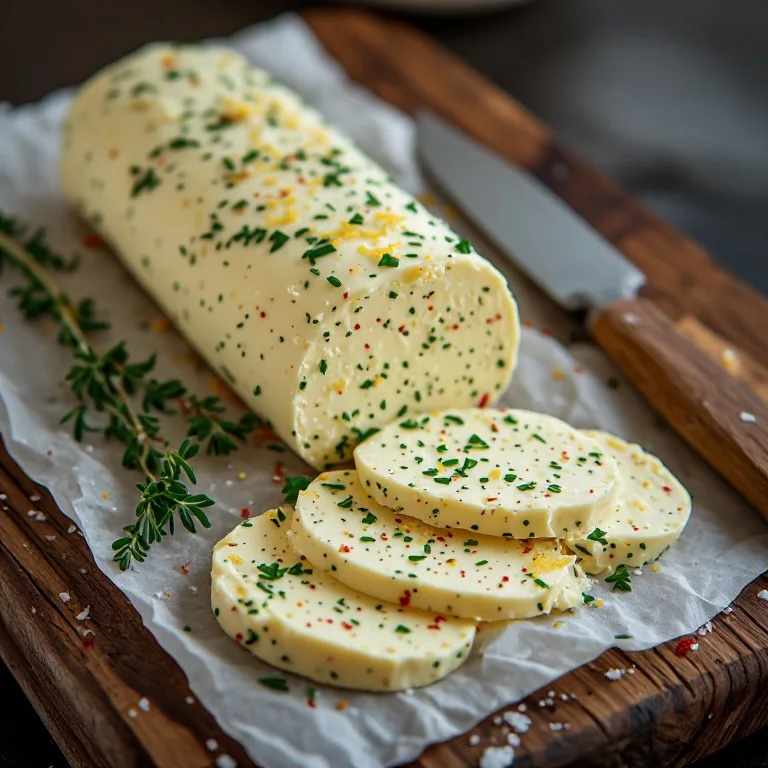
- A compound butter for steak (mixed with room-temperature butter and herbs)
- The spread on a proper croque monsieur
- Pasta sauce base that rivals a two-hour bolognese in depth
The difficulty of caramelized onions is not skill. It’s attention and time. Pay attention, stir, deglaze when needed, and wait. The technique does the rest.