

Pin It

The Diner Smash Technique — How to Make Perfect Smash Burgers at Home

The Diner Smash Technique — How to Make Perfect Smash Burgers at Home
Jump to Recipe
Prep 10 min Cook 8 min Serves 2
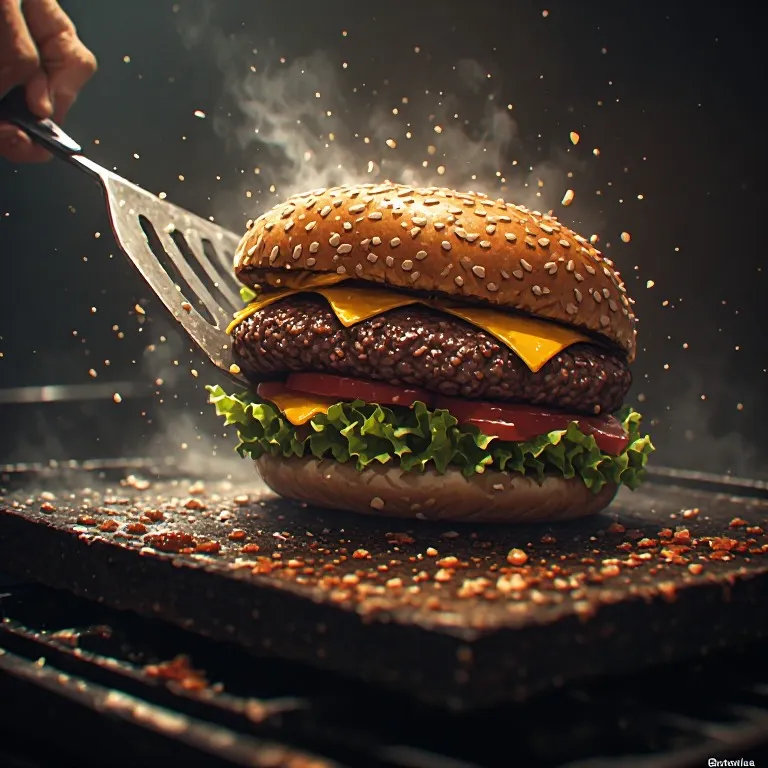
Quick answer: Use 80/20 ground beef in 2 oz loose balls, smash them paper-thin against a screaming-hot cast iron, season immediately, flip once after 90 seconds, add American cheese, stack. The thin patties maximize Maillard surface and create the lacy crust TikTok obsesses over.

Shop the tools

Gear matched to this recipe. These are Amazon affiliate links — we may earn a small commission if you buy, at no extra cost to you.

As an Amazon Associate, Copycat Spices earns from qualifying purchases. Product images are generic illustrations, not the exact item listed.

The Diner Smash Technique — How to Make Perfect Smash Burgers at Home

The TikTok burger technique that creates craggy, lacy edges and maximum Maillard crust by smashing thin patties against a screaming hot surface.

Easy Prep: 10 min Cook: 8 min Total: 18 min2 servings ~$3.50/serving
Prep10 min
Cook8 min
Total18 min
Servings
2
At home~$3.50/serving
vs
Restaurant~$15.75/serving
You save ~78%

The Story Behind the Recipe

The TikTok burger technique that creates craggy, lacy edges and maximum Maillard crust by smashing thin patties against a screaming hot surface.

Nutrition Facts

Per serving (2 servings)
Calories620
Total Fat39g
Total Carbs32g
Dietary Fiber1g
Sugars6g
Protein34g
Sodium820mg

* Estimated values based on standard recipe preparation. Actual values may vary.

Ingredients

Instructions

💡
Pro tip: This recipe tastes even better the next day. The flavors need time to meld together in the fridge.
❄️
Storage: Keeps in an airtight container in the fridge for up to 2 weeks. Freezer-friendly for up to 3 months.
🎃 Free Halloween cookbook — download now The Copycat Halloween Cookbook A ready-made, photo-illustrated PDF of our best halloween copycat recipes — free to download, no building required. Pay what you want to support if you love it.

Free PDF — instant download. We'll also send new seasonal copycat recipes now and then; unsubscribe anytime. Or just download it →

The Diner Smash Technique — Why the Thinnest Burger Makes the Most Crust

The smash burger technique has been sitting in diners and fast-food joints for decades. Steak ‘n Shake, In-N-Out, Shake Shack, Whataburger — the entire fast-casual burger category is built on thin patties cooked fast on flat griddles. TikTok didn’t invent it. What TikTok did was explain why it works, in slow motion, with narration over the sizzle, and that explanation turned a whole generation of home cooks into smash burger converts.

The principle is counterintuitive. Most burger advice focuses on keeping patties thick so they stay juicy. Smash does the opposite: make it as thin as possible to maximize the surface area in contact with the hot cooking surface. Less juicy by design? No. Differently juicy — the fat renders into the crust rather than pooling in the center, and the result is crispy, beefy, and deeply savory in a way that thick burgers just aren’t.

The Maillard Math

The Maillard reaction — the browning of proteins and sugars that produces the flavors we associate with cooked meat — only happens at the surface. The interior of a burger, regardless of how thick it is, stays pink and mild because it never reaches the temperatures needed for browning.

A thick patty maximizes interior and minimizes surface. A smash patty maximizes surface and minimizes interior. If you’re chasing flavor (you are), this is simple math: more surface contact with a hot pan equals more Maillard products, which equals more flavor.

The extreme thinness of a smash patty means the ratio of crust to interior is dramatically higher than a thick patty. In a well-executed double smash, you get four crust surfaces (top and bottom of each patty) with minimal bland interior. The whole burger is essentially crust.

The Craggy Edge: Why Handling Matters

Those lacy, irregular edges that jut out past the bun edge and turn dark and crispy — they don’t happen with compacted beef. They happen with loosely handled beef that still has its natural irregular texture when it hits the pan.

When you press a tightly compressed, smooth beef ball against a hot surface, you get a smooth disc. The surface area in contact with the pan is uniform and limited to the flattened circle. When you press a loose, craggy beef ball, you get an irregular disc with fins and ridges and thin spots that cook faster and crisp harder. Those thin spots are the lacy edges.

Handle the beef as little as possible. Form loose balls without packing or rolling. Cold is better — straight from the fridge holds its shape through the smash better than room-temperature beef, which spreads uncontrollably.

The Cheese Layer: A Technical Argument for American

Home cooks often resist American cheese on principle, reaching instead for cheddar, gouda, or gruyere. For most burgers, that’s a reasonable choice. For smash burgers, it undermines the technique.

The chemistry: natural aged cheeses contain proteins that coagulate (tighten) when melted, which squeezes out fat as a separate oily liquid. The result is a greasy, broken-looking cheese layer. American cheese (specifically processed American — not the cellophane-wrapped singles that contain almost no real dairy) contains sodium citrate and sodium phosphate, emulsifying salts that keep the fat and protein suspended together in a smooth, glossy emulsion even at high temperatures.

That glossy, smooth melt is what you see coating the stacked double patty in every viral smash burger video. It looks stunning and functionally binds the two patties together into a cohesive unit. It’s the technically correct choice.

Speed Is the Final Variable

Everything about the smash burger technique is fast. The cook is 90 seconds per side. The cheese melts from carryover heat in another 45 seconds. The build should take under a minute. Total cook time for two double smash burgers: under 10 minutes.

And the eating window is narrow. Smash burgers are extraordinary for about 3–5 minutes after leaving the griddle, while the crust is still crackling hot and the cheese is still molten. After 10 minutes, the bun has absorbed steam and softened, the crust has lost its crunch, and the cheese has firmed. They’re still a good burger, but not the superlative smash experience.

This is why diners serve smash burgers at the counter. The technique and the serving model were designed together. Make them, plate them, eat them immediately.
🥗

Make It Healthier

Love The Diner Smash Technique — How to Make Perfect Smash Burgers at Home but want a lighter version? Try these simple swaps:

  • ✓Use 85/15 beef instead of 80/20 to reduce fat without eliminating the juiciness the smash technique needs
  • ✓Make single-patty versions using 3 oz balls for a lighter burger that still gets full crust coverage
  • ✓Serve on lettuce wraps instead of a bun to significantly reduce carbs and calories
  • ✓Load up on pickles and onion — they add almost zero calories and balance the richness of the beef and cheese

Frequently Asked Questions

Why does the fat content matter so much for smash burgers?

The smash technique works by maximizing surface contact for crust development. Leaner beef has less fat to render and baste the cooking surface, and it compacts more densely under pressure, reducing the irregular, craggy texture you want. 80/20 beef has enough fat to stay moist during the fast, high-heat cook and creates the lacy edges that are characteristic of a proper smash burger.

Can I make smash burgers in a regular non-stick pan?

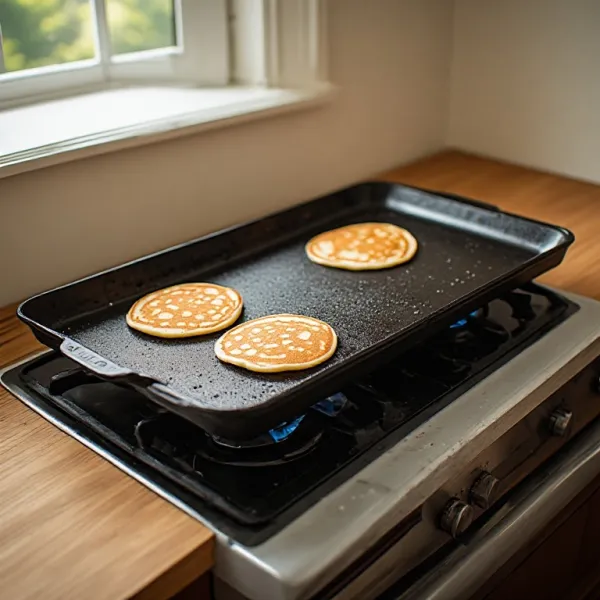
Technically yes, but you'll get significantly worse results. Non-stick coatings degrade at very high temperatures (above 500°F), and high heat is required for proper smash burger crust. Cast iron or stainless steel is safer and produces better results. A griddle designed for high heat is ideal.

Why American cheese specifically?

American cheese contains emulsifying salts that cause it to melt into a smooth, glossy liquid rather than separating into greasy and solid components like natural aged cheeses. It coats the patty evenly and binds a double stack together. For smash burgers, it's the technically correct choice, not a compromise.

My edges aren't lacy. How do I get that look?

Lacy edges require three things: loosely handled beef (not compressed before smashing), a very hot surface (so the fat renders and crisps immediately rather than pooling), and thin smashing (you want 1/4 inch, not 1/2 inch). Press harder and use beef that hasn't been overworked.

Love this recipe? Share it!

Free PDF: our 12 most-wanted copycat recipes — instant download.

Made it? Buy us a coffee

Every recipe here is free, with no paywalls. If this one was a hit at your table, a small tip keeps new copycats coming.

$

Ratings & Reviews

—
No ratings yet

Rate this recipe

Click a star to rate

Leave a Review

0/500

CS

Copycat Spices Editorial

Researched + fact-checked. Every recipe on Copycat Spices is built from published sources — official ingredient lists, brand-published recipes, interviews and food-science references — and fact-checked before it goes live, then written as clear, step-by-step instructions for home cooks of all skill levels.

Learn more about our mission →