


Pin It

Italian Sausage Broccoli Pasta

Italian Sausage Broccoli Pasta
Jump to Recipe
Prep 8 min Cook 22 min Serves 4
Quick answer: Bring a large pot of heavily salted water to a boil. Cook 12 oz rigatoni. Add 3 cups small broccoli florets directly to the boiling pasta water in the last 3 minutes of cooking time — they cook together in the same pot. Meanwhile, brown 1 lb Italian sausage (casings removed) in a large skillet over medium-high heat, breaking it into small pieces. Once browned, add 5 sliced garlic cloves and cook 90 seconds. Deglaze with ¼ cup pasta water to lift all the brown bits. Reserve 1 cup pasta water total, then drain pasta and broccoli together. Add them to the skillet, pour in ¼ cup heavy cream and ½ cup pasta water, and toss over medium heat 1 minute until the sauce clings. Off the heat, fold in ½ cup freshly grated Parmigiano Reggiano. Taste for salt, finish with red pepper flakes and a squeeze of lemon.

Shop the tools

Gear matched to this recipe. These are Amazon affiliate links — we may earn a small commission if you buy, at no extra cost to you.

As an Amazon Associate, Copycat Spices earns from qualifying purchases. Product images are generic illustrations, not the exact item listed.

Italian Sausage Broccoli Pasta

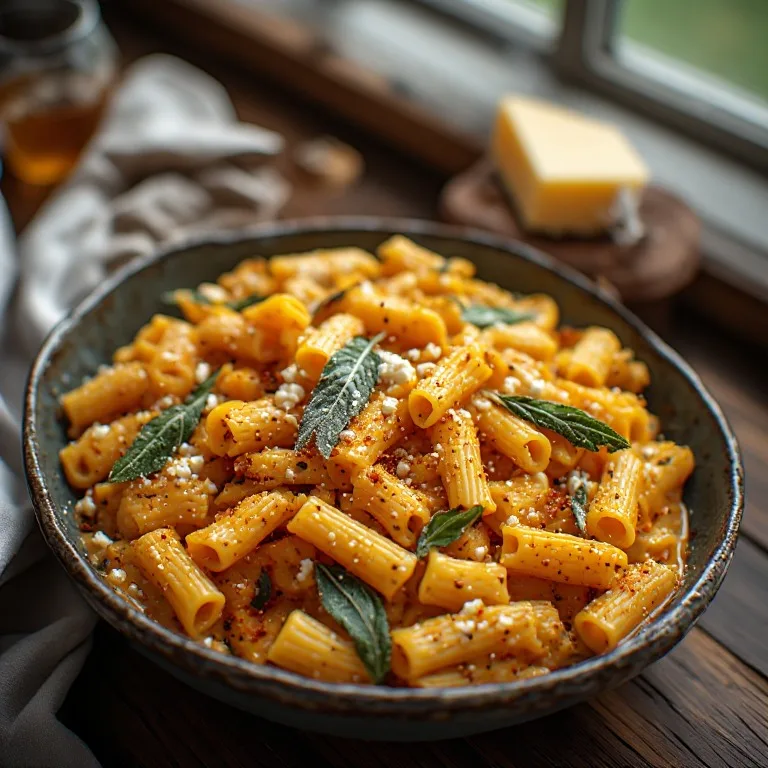
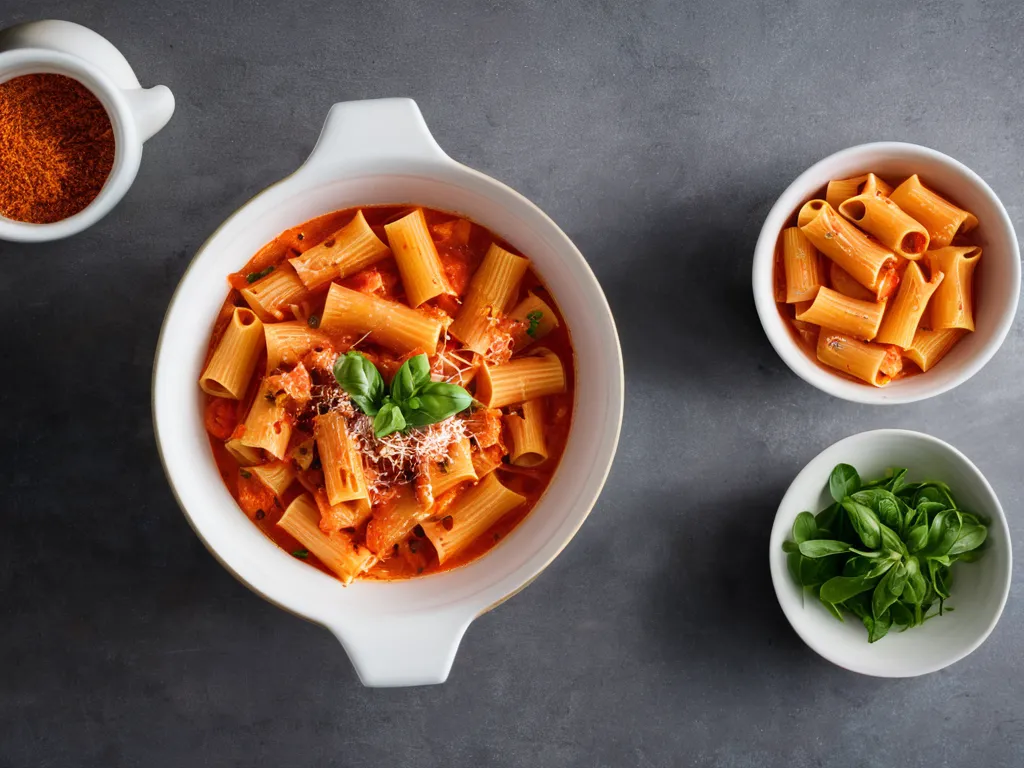
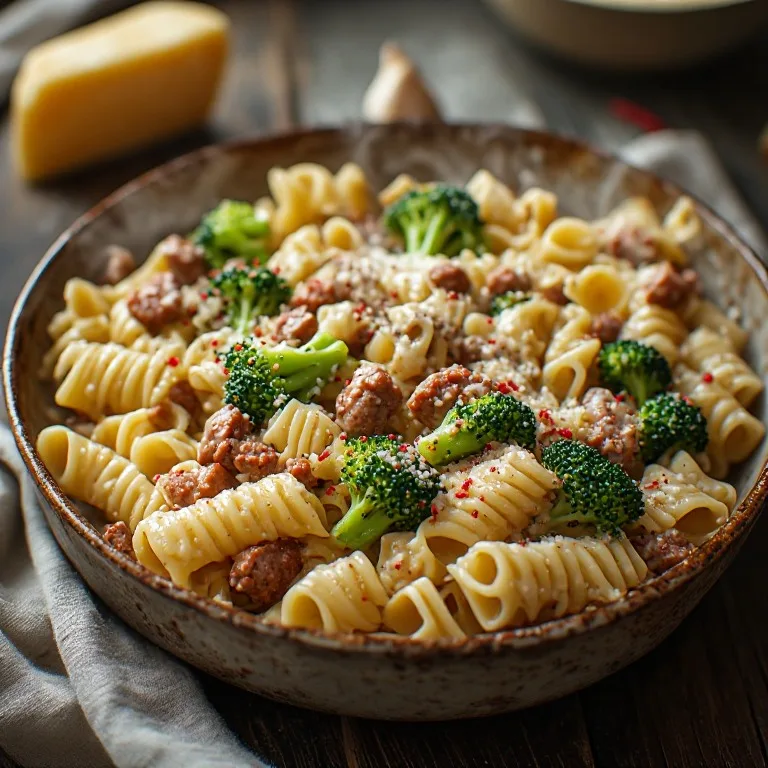
The viral TikTok Italian sausage broccoli pasta — rigatoni cooked with the broccoli right in the pasta pot, then tossed with browned sausage, sliced garlic, a splash of cream, and Parmigiano Reggiano into a glossy, barely-sauced dish. Ready in 30 minutes. One pan.

Easy Prep: 8 min Cook: 22 min Total: 30 min4 servings ~$4.50/serving
Prep8 min
Cook22 min
Total30 min
Servings
4
At home~$4.50/serving
vs
Restaurant~$20.25/serving
You save ~78%

The Story Behind the Recipe

The Italian sausage and broccoli pasta combination is genuinely ancient — it's the weeknight equivalent of orecchiette con cime di rapa (orecchiette with broccoli rabe), the southern Italian dish that's been eaten in Puglia for centuries. What's new is how TikTok creators packaged it: a single skillet, 30 minutes, one cooking technique that makes it almost idiot-proof. Nutritionist Emily English's version spread widely in 2025 because it hit the exact convergence of "high-protein weeknight" and "looks better than it is to make." Jessie James Decker's version got another wave of shares in 2026, partly because the visual — golden sausage crumbles, vivid green broccoli, glistening rigatoni — photographs beautifully even in a home kitchen.

The actual technique upgrade that TikTok brought to this old dish is cooking the broccoli directly in the boiling pasta water for the last three minutes of the pasta's cook time, then draining both together. Restaurant cooks have done this for decades (blanching vegetables in the pasta water saves a burner and seasons the vegetables with the pasta salt simultaneously), but home recipe sites rarely called for it because it felt unusual. The second unlock: deglaze the sausage pan with pasta water before adding cream — the browned fond that would otherwise sit stuck to the pan lifts into the sauce and transforms what could be a plain cream-coated pasta into something that tastes genuinely built. One pan. Thirty minutes. The best sausage pasta you'll make without ever leaving home.

Nutrition Facts

Per serving (4 servings)
Calories760
Total Fat35g
Total Carbs66g
Dietary Fiber3g
Sugars4g
Protein34g
Sodium980mg

* Estimated values based on standard recipe preparation. Actual values may vary.

Ingredients

  • For the pasta
  • For the sauce
  • To finish
  • Optional additions

Instructions

💡
Pro tip: This recipe tastes even better the next day. The flavors need time to meld together in the fridge.
❄️
Storage: Keeps in an airtight container in the fridge for up to 2 weeks. Freezer-friendly for up to 3 months.
🎃 Free Halloween cookbook — download now The Copycat Halloween Cookbook A ready-made, photo-illustrated PDF of our best halloween copycat recipes — free to download, no building required. Pay what you want to support if you love it.

Free PDF — instant download. We'll also send new seasonal copycat recipes now and then; unsubscribe anytime. Or just download it →

Italian sausage broccoli pasta is the TikTok-viral weeknight dinner with a technique borrowed from Italian restaurant kitchens: cook the broccoli directly in the boiling pasta water for the last 3 minutes, brown the sausage until the pan is coated in mahogany-colored fond, and use starchy pasta water to deglaze and build a glossy, barely-there sauce that’s finished with just a splash of cream and fresh Parmigiano. Total time: 30 minutes. One pot of pasta water, one skillet.

The dish started reaching wide audiences through nutritionist-creators like Emily English and Jessie James Decker who framed it as the “high-protein weeknight pasta that feels like a treat.” It’s technically the American cousin of orecchiette con cime di rapa — the ancient Pugliese pasta made with broccoli rabe, sausage, and garlic — simplified for regular broccoli and the way most people actually stock their kitchens.

Why This Hits Differently Than Other Sausage Pastas

Most sausage pasta recipes tell you to cook the sausage, add cream, and call it a day. The TikTok version has two specific moves that make the difference: cooking broccoli in the pasta water (the broccoli gets seasoned, softens to exactly the right texture, and you don’t dirty another pot), and deglazing the sausage fond before any cream enters the picture.

That fond — the sticky brown crust on the bottom of the skillet after browning sausage — is caramelized protein and fat. When you hit it with a ladle of starchy pasta water, it lifts off the pan and turns into a concentrated, savory liquid that coats every piece of pasta. Without it, you have cream-coated pasta. With it, you have something that tastes like it simmered for an hour.

The Broccoli Timing Question

This recipe calls for adding broccoli to the boiling pasta water 3 minutes before the pasta is done. That’s the number. Broccoli florets cut to roughly walnut-size cook through in 3 minutes of boiling. Larger pieces take 4 to 5 minutes; broccolini takes 2. Cut everything to a consistent size before the pot comes to a boil, and you won’t need to think about it again.

If you prefer broccoli with more bite: add it at the 2-minute mark. If you want it very soft (almost melted into the sauce): add it at the 4-minute mark.

The Sausage Decision

The recipe works with sweet, hot, or fennel Italian sausage — each gives a distinct result.

Sweet sausage: mild, pairs well with the lemon finish, crowds-pleaser.

Hot sausage: real heat (not just the red pepper flakes), excellent for people who want the dish to have a kick.

Fennel sausage: the most aromatic, most “Italian” tasting — the fennel seed gives a faint anise note that complements the garlic beautifully.

All three versions benefit from removing the casing (just snip the end and squeeze the meat out) and browning the sausage in crumbled pieces rather than in thick slices — small pieces create more surface area, more fond, and more flavor.

Serving and Variations

Classic: Rigatoni + sausage + broccoli + garlic cream + Parmigiano + lemon. Done in 30 minutes.

With white beans: Add a drained can of cannellini beans with the pasta. They absorb the sauce and make this more of a main without needing more pasta.

With cherry tomatoes: Cook halved tomatoes with the garlic until they burst (about 3 minutes). The tomato juice deglazes the pan with additional acidity.

Lighter version: Skip the cream entirely and sauce with pasta water and Parmigiano only — this is closer to the original Italian method and produces a more intensely meaty, lighter dish.

Closer to the Italian original: Use broccoli rabe instead of broccoli, orecchiette instead of rigatoni, and dissolve 2 anchovy fillets in the garlic fat before adding sausage back. Different dish, equally excellent.
🥗

Make It Healthier

Love Italian Sausage Broccoli Pasta but want a lighter version? Try these simple swaps:

  • ✓Use chicken Italian sausage (not pork) — it has about half the fat and 30% fewer calories per ounce, but still builds flavorful fond when browned. Brands like Al Fresco have real Italian seasoning and behave almost identically to pork sausage in the pan.
  • ✓Double the broccoli (or add broccolini, kale, or spinach) and reduce the pasta to 8 oz — this keeps the serving size substantial but cuts carbs by about 20g per serving while adding fiber and micronutrients.
  • ✓Skip the cream entirely and use only pasta water to sauce the dish — starchy pasta water alone emulsifies with the sausage fat and Parmigiano into a glossy sauce (this is the technique behind pasta aglio e olio and cacio e pepe). The result is leaner and more intensely meaty in flavor.
  • ✓For a lower-sodium version, look for Italian sausage labeled 'reduced sodium' (some brands run ~350mg/serving versus ~600mg for standard) and use a light hand with added salt in the pasta water.

Frequently Asked Questions

What kind of Italian sausage works best for this pasta?

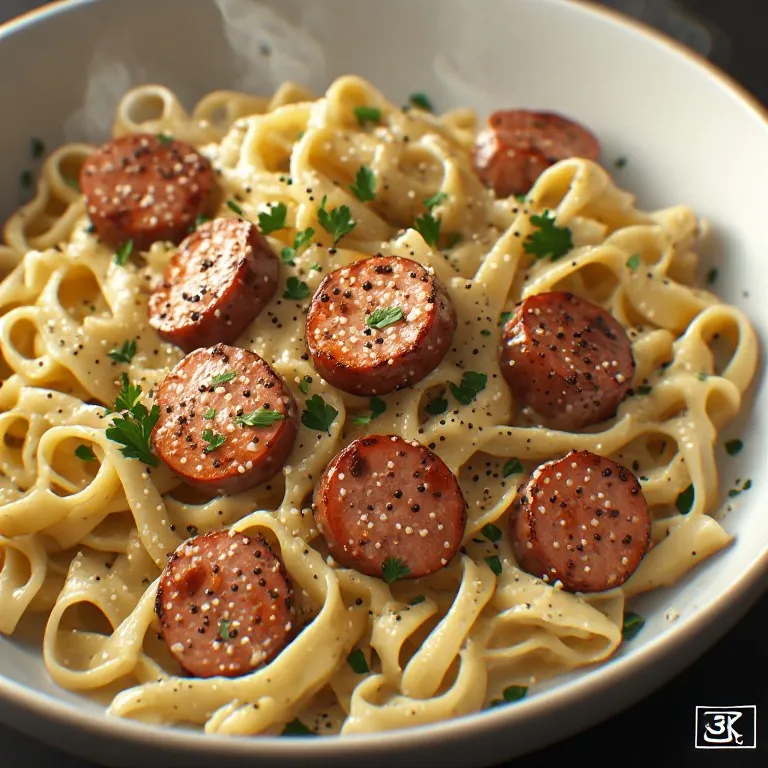
Sweet Italian sausage is the standard and the most versatile — it has fennel seed and mild spices that complement the broccoli without competing. Hot Italian sausage is excellent if you want real heat; it pairs particularly well with the lemon finish. Fennel sausage, if you can find it, gives the most aromatic result and is worth seeking out. Avoid fully-cooked pre-packaged sausage (like smoked chicken sausage in links) — it doesn't release enough fat into the pan or develop the brown fond that makes the sauce. You want raw sausage, either in links (casings removed) or as bulk sausage.

Can I use frozen broccoli instead of fresh?

Yes, with an adjustment. Frozen broccoli is already partially cooked (it's blanched before freezing), so it only needs 1 to 2 minutes in the boiling pasta water instead of 3. Add it in the final 1 to 2 minutes of pasta cooking time. The texture will be slightly softer than fresh, which is fine for this sauce-style dish — it almost melts into the pasta in a pleasant way. Don't try to use frozen broccoli directly in the skillet (it releases too much water and steams instead of sautéing).

Why is my sauce watery or not coating the pasta?

Two likely culprits: either the pasta water wasn't starchy enough (if you used too much water in the pot, the starch gets diluted) or you skipped the vigorous tossing step. Sauce this dish while it's in the skillet over medium heat, not in the serving bowl — the heat helps the emulsion form. Toss for a full 60 seconds with tongs. If the sauce is still thin, keep tossing over heat — the starch activates as it heats and the sauce will tighten. If it's too thick and sticky, add pasta water a tablespoon at a time.

Can I make this ahead or meal prep it?

The pasta itself is best eaten immediately — the rigatoni absorbs the sauce as it sits and becomes gummy when reheated. However, you can make two components ahead: brown the sausage and toast the garlic up to 2 days early (refrigerate, bring back to room temp before proceeding), and cut the broccoli. When ready to serve, boil a fresh pot of pasta and broccoli, deglaze the reheated sausage pan with pasta water, and finish as directed. This cuts the active cooking time to about 15 minutes.

Is this the same as orecchiette with broccoli rabe (orecchiette con cime di rapa)?

Related but distinct. Orecchiette con cime di rapa is a southern Italian (specifically Pugliese) classic that uses broccoli rabe (cime di rapa) — which is more bitter and peppery than regular broccoli — with anchovies and often without cream. This TikTok version uses sweeter regular broccoli, no anchovy, a splash of cream, and rigatoni, which makes it substantially milder and more approachable. If you want to move toward the classic: swap the cream for an anchovy (cook 2 oil-packed anchovy fillets in the garlic fat until dissolved), use broccoli rabe instead of broccoli, and use orecchiette. Equally excellent, different dish.

What can I add to make this more substantial?

White beans are the best addition — add a drained 15-oz can of cannellini beans with the pasta in the last step. They pick up the sausage-cream flavor and add protein and fiber without changing the character of the dish. Cherry tomatoes (added with the garlic, cooked until they burst) add sweetness and cut through the richness. Sun-dried tomatoes (about 2 tablespoons, roughly chopped) add a concentrated sweet-savory note. For a more restaurant-style presentation: top with a handful of torn fresh basil or flat-leaf parsley and a drizzle of your best olive oil just before serving.

Can I make this without heavy cream?

Yes — Italian cooks do it all the time. Use just pasta water and Parmigiano to sauce the dish: add ¾ cup starchy pasta water to the deglazed sausage pan, add the pasta, and toss vigorously over medium heat until the pasta water reduces by half and the sauce is glossy and coating. Then add the Parmigiano off heat. The result is lighter, more intensely porky in flavor, and closer to how this dish is actually eaten in Italy. The cream version (which is more of an Italian-American adaptation) is richer and more crowd-pleasing for most palates.

Love this recipe? Share it!

Free PDF: our 12 most-wanted copycat recipes — instant download.

Made it? Buy us a coffee

Every recipe here is free, with no paywalls. If this one was a hit at your table, a small tip keeps new copycats coming.

$

Ratings & Reviews

—
No ratings yet

Rate this recipe

Click a star to rate

Leave a Review

0/500

CS

Copycat Spices Editorial

Researched + fact-checked. Every recipe on Copycat Spices is built from published sources — official ingredient lists, brand-published recipes, interviews and food-science references — and fact-checked before it goes live, then written as clear, step-by-step instructions for home cooks of all skill levels.

Learn more about our mission →