


Pin It

Viral TikTok Baked Feta Butternut Squash Pasta (The Fall 2026 Version)

Viral TikTok Baked Feta Butternut Squash Pasta (The Fall 2026 Version)
Jump to Recipe
Prep 15 min Cook 40 min Serves 4
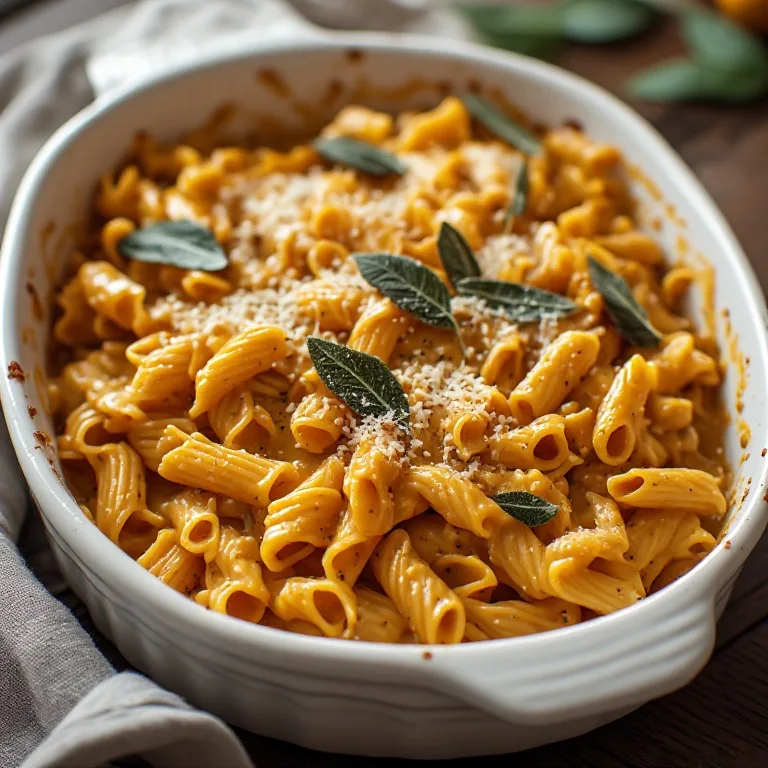
Quick answer: Peel and cube 1 medium butternut squash into ¾-inch pieces. Toss with olive oil, salt, pepper, and red pepper flakes in a 9×13 baking dish. Nestle a 7–8 oz block of feta in the center. Drizzle olive oil over the feta. Roast at 400°F for 35 to 40 minutes until the squash is fork-tender and golden at the edges and the feta is soft and browned on top. Cook 12 oz of pasta 1 minute under package time, reserving ½ cup of pasta water. Mash the roasted squash and feta together, add the pasta and pasta water, toss to coat. Top with crispy sage leaves fried in brown butter.

Shop the tools

Gear matched to this recipe. These are Amazon affiliate links — we may earn a small commission if you buy, at no extra cost to you.

As an Amazon Associate, Copycat Spices earns from qualifying purchases. Product images are generic illustrations, not the exact item listed.

Viral TikTok Baked Feta Butternut Squash Pasta (The Fall 2026 Version)

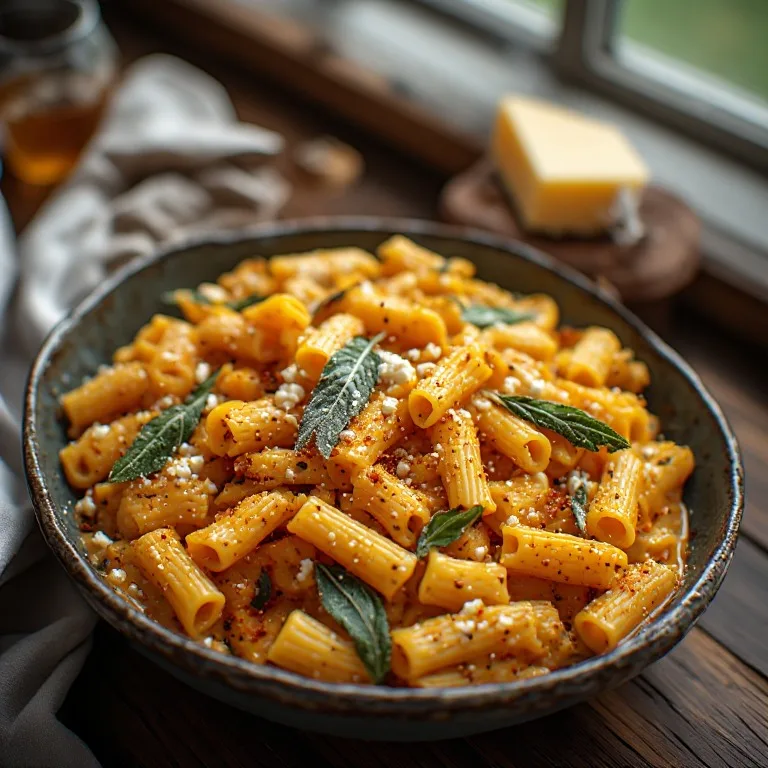
The TikTok fall spin on baked feta pasta — roast a block of feta with cubed butternut squash, mash into a silky golden-orange sauce, toss with pasta. Sweeter, creamier, and thicker than the original tomato version. Full recipe, cube-size guide, four failure modes, and the sage-brown-butter finish that makes it restaurant-quality.

Easy Prep: 15 min Cook: 40 min Total: 55 min4 servings ~$4.50/serving
Prep15 min
Cook40 min
Total55 min
Servings
4
At home~$4.50/serving
vs
Restaurant~$20.25/serving
You save ~78%

The Story Behind the Recipe

The TikTok fall spin on baked feta pasta — roast a block of feta with cubed butternut squash, mash into a silky golden-orange sauce, toss with pasta. Sweeter, creamier, and thicker than the original tomato version. Full recipe, cube-size guide, four failure modes, and the sage-brown-butter finish that makes it restaurant-quality.

Nutrition Facts

Per serving (4 servings)
Calories620
Total Fat30g
Total Carbs70g
Dietary Fiber6g
Sugars8g
Protein18g
Sodium950mg

* Estimated values based on standard recipe preparation. Actual values may vary.

Ingredients

  • For the sage brown butter finish (optional but recommended)
  • To serve

Instructions

💡
Pro tip: This recipe tastes even better the next day. The flavors need time to meld together in the fridge.
❄️
Storage: Keeps in an airtight container in the fridge for up to 2 weeks. Freezer-friendly for up to 3 months.
🎃 Free Halloween cookbook — download now The Copycat Halloween Cookbook A ready-made, photo-illustrated PDF of our best halloween copycat recipes — free to download, no building required. Pay what you want to support if you love it.

Free PDF — instant download. We'll also send new seasonal copycat recipes now and then; unsubscribe anytime. Or just download it →

The original baked feta pasta used cherry tomatoes. This is the fall version — butternut squash in their place, roasted until caramelized and fork-tender, then mashed together with the feta into a thick golden-orange sauce that clings to pasta differently than any tomato-based version does. McKenzie Smith (@grilledcheesesocial) has the most widely shared version; the format has spread across food TikTok every fall since 2022 and sees its biggest re-surge each September when butternut squash hits the market.

The difference is fundamental: tomatoes burst and release liquid, making a thin, bright, acidic sauce. Butternut squash caramelizes, concentrates, and mashes into something closer to a purée — thick, slightly sweet, earthy, and rich in a way the tomato original isn’t. Combined with salty roasted feta and finished with crispy fried sage leaves in brown butter, it lands in a flavor register that feels entirely like fall.

This recipe stands on its own — it isn’t a replacement for the original baked feta pasta, it’s a different dish that uses the same technique. The original is bright and tangy and works year-round. This one is warm, earthy, and specifically a September-through-November recipe. If you already love the tomato version, this is what you make when butternut squash appears at the farmers market.

The one decision that controls everything: cube size

Butternut squash takes longer to soften than cherry tomatoes. The entire recipe hinges on getting the squash to fork-tender in the same window that the feta properly roasts — 35 to 40 minutes at 400°F. That only works if the squash cubes are ¾ inch or smaller.

Grocery-store pre-cut squash is typically sold in 1-inch to 1.5-inch cubes. Those sizes will still be firm at the 35-minute mark, making a sauce that is chunky and slightly watery instead of smooth and creamy. Cut them smaller before roasting. When in doubt, go smaller rather than larger — you can always roast a fully tender squash a few more minutes for more caramelization, but you can’t fix one that’s still firm.

Why the sauce is thicker than the tomato version

Butternut squash is about 10% carbohydrate by weight, including natural pectin and starches. When it roasts and softens, those starches gelatinize and bind the sauce together without any thickener. When you mash the roasted squash with the feta, you’re creating a paste that holds the pasta water in suspension rather than letting it run to the bottom of the bowl.

Pasta water completes the sauce. The dissolved starch in the cooking water emulsifies the squash paste and feta into a glossy coating — the same mechanism that makes cacio e pepe work. Add it a few tablespoons at a time, not all at once: you can always add more, but there’s no easy way to pull back a sauce that’s become too thin.

The sage brown butter is worth five extra minutes

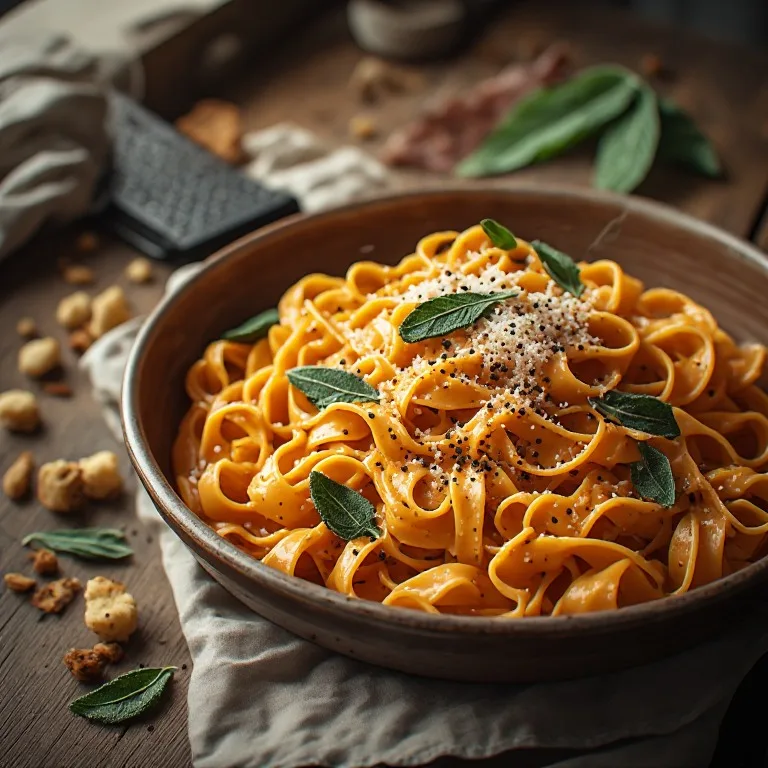
The base recipe is a complete dish without it. But crispy sage fried in browned butter is one of the canonical Italian pairings with butternut squash — it appears on restaurant pasta, risotto, and ravioli for good reason. The Maillard reaction in browned butter produces a nutty, toasted flavor that amplifies the squash’s natural depth. Fried sage leaves lose their sharp, piney raw flavor and become mild, papery, and slightly mineral — a completely different herb than the one that’s aggressive when raw.

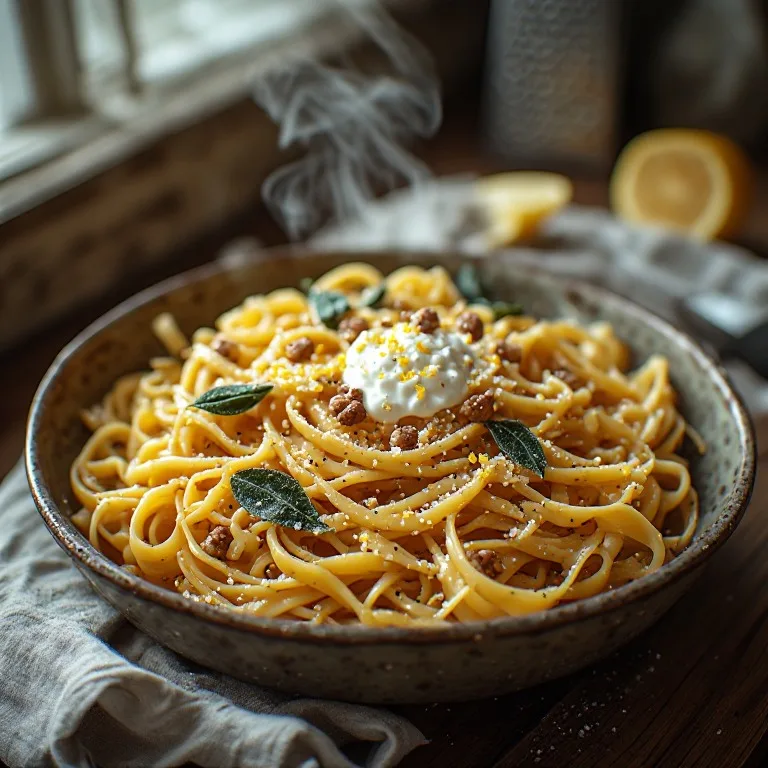
Brown the butter in a small pan over medium heat until the foam subsides and the milk solids at the bottom turn golden, about 2 to 3 minutes. Add the sage leaves — they sizzle immediately and are done in 20 to 25 seconds per side. Pull them onto a paper towel. The brown butter left in the pan is the drizzle.

Four failure modes

1. Cubing the squash too large. Cubes larger than ¾ inch stay firm in the center at 35 to 40 minutes. The sauce comes out chunky and watery instead of smooth and creamy. Cut smaller.

2. Using crumbled feta. Pre-crumbled feta is dry and contains anti-caking agents that make it turn grainy when baked. Block feta in brine softens into a creamy paste. The texture difference in the final sauce is significant.

3. Underseasoning. Butternut squash is naturally sweet and needs more salt than you expect. Season the squash generously before roasting and taste the assembled pasta before serving — you may also want extra red pepper flakes to balance the sweetness.

4. Adding the pasta water all at once. The squash sauce is thick — adding all ½ cup of pasta water at once can make it runny. Add 3 to 4 tablespoons, toss, and evaluate. If the sauce coats the pasta and clings, stop. If it looks dry or clumpy, add another splash.
🥗

Make It Healthier

Love Viral TikTok Baked Feta Butternut Squash Pasta (The Fall 2026 Version) but want a lighter version? Try these simple swaps:

  • ✓Skip the brown butter and sage in favor of a drizzle of raw olive oil and fresh basil — still delicious, saves about 90 calories per serving.
  • ✓Use half the amount of feta (3.5 to 4 oz) for a lighter sauce. The squash provides enough creaminess that the dish holds together with less cheese. The sauce will be less rich but the squash flavor comes through more clearly.
  • ✓Add a 15-oz can of white beans (drained and rinsed) to the baking dish alongside the squash. They roast alongside the squash, absorb flavor, and add about 9g of protein per serving with minimal fat.
  • ✓Swap regular pasta for a high-protein chickpea or lentil pasta — same cooking method, higher protein and fiber per serving. The sauce pairs well with the slightly earthier taste.

Frequently Asked Questions

What makes this different from the original baked feta pasta with tomatoes?

The original viral baked feta pasta (Finnish food blogger Jenni Häyrinen's Uunifetapasta, popularized on TikTok in early 2021) uses cherry tomatoes. Tomatoes release a lot of liquid when they burst, creating a thin, acidic, bright red sauce. Butternut squash behaves differently: it caramelizes rather than bursts, releasing very little liquid, and its natural starches create a thick, creamy golden-orange sauce that clings to pasta rather than pooling at the bottom of the bowl. The flavor profile is completely different — tomato baked feta pasta is bright and tangy; butternut squash baked feta pasta is earthy, slightly sweet, and rich. They are the same technique applied to completely different vegetables with completely different results.

Can I use pre-cut butternut squash from the grocery store?

Yes, with one adjustment: check the cube size. Grocery-store pre-cut squash is often sold in 1-inch to 1.5-inch cubes, which won't be fully tender in 35 to 40 minutes. Cut the store-bought cubes in half to bring them closer to ¾ inch before roasting. Otherwise the feta will be perfectly done while the squash is still firm in the center and the sauce will be chunky rather than creamy. The convenience is worth it — just resize the cubes.

Can I use crumbled feta instead of block feta?

Block feta in brine is strongly preferred. During roasting, block feta retains moisture and softens into a creamy, spoonable mass that mashes easily with the squash. Pre-crumbled feta is drier and contains anti-caking agents — it turns grainy and crumbly when baked rather than creamy. If block feta isn't available, pile crumbled feta tightly in a mound so it retains some moisture during roasting, but expect a more textured, less silky sauce. For the sauce to work as intended, block feta in brine is the right choice.

My sauce came out watery and thin. What went wrong?

The two most likely causes: the squash was cut too large (so it released moisture before fully softening), or the squash wasn't roasted long enough. Butternut squash must be truly fork-tender — a fork should slide through a cube with zero resistance — before it mashes into the thick, creamy paste that makes this sauce work. Squash with any firmness left will release water when you mash it instead of breaking down into a paste. Make sure your cubes are ¾ inch and that you're roasting for the full 35 to 40 minutes. If your sauce is still thin, stir in a tablespoon of Parmesan to tighten it, or let the pasta sit in the dish for 2 minutes — the squash and pasta starches will absorb some of the liquid.

Do I need the sage brown butter, or can I skip it?

You can skip it — the dish is complete without it. The base recipe (roasted squash, feta, pasta, pasta water) is already a finished dish. The sage brown butter is the finishing move that takes it from good to restaurant-quality: the nutty, toasted-milk-solid flavor of brown butter amplifies the savory depth, the crispy sage leaves add texture and their papery herbal note (raw sage is sharp and piney; fried sage is mild and slightly mineral), and the brown butter naturally pairs with butternut squash the way garlic butter pairs with steak. If you're cooking weeknight-fast, skip it. If you have 5 extra minutes, do it.

Can I add maple syrup or brown sugar to make it sweeter?

No — butternut squash is already naturally sweet, especially after roasting concentrates its sugars. Adding maple syrup or brown sugar pushes the dish into dessert territory and covers the savory feta-squash balance the recipe depends on. If you want to amplify the sweetness in a way that stays savory, use hot honey as a finishing drizzle (1 teaspoon per bowl) — the heat balances the sweetness and plays against the salty feta. That's the right direction. Avoid sweeteners during roasting.

What pasta shape works best?

Short, ridged or tubular shapes that can hold the thick squash-feta sauce. Rigatoni (the sauce fills the tubes), penne rigate (ridges catch the squash mixture), and cavatappi (corkscrew traps the sauce in its spiral) are the best options. Fusilli also works well. Avoid long, smooth shapes like spaghetti or linguine — the thick sauce slides off them rather than coating, and they don't pick up the chunks of squash the way short shapes do. Orecchiette (little ears) is an excellent choice if you have it — the cupped shape holds a pocket of sauce in every bite.

Can I make this ahead of time?

The roasted squash-feta mixture can be made up to 3 days ahead and refrigerated. Reheat it gently in the baking dish or in a saucepan with a splash of olive oil before adding freshly cooked pasta. The assembled pasta does not hold well — it absorbs the sauce within 30 minutes and becomes clumpy. Always cook and toss the pasta fresh, using pre-made roasted squash as your base. Leftovers reheat well with a splash of water and a minute in a covered pan — the sauce loosens back up.

Is there a dairy-free version?

Two approaches work. The first uses a firm block of store-bought vegan feta (Violife is widely available and melts similarly to dairy feta in the oven) — follow the same recipe with no other changes. The second skips feta entirely and mashes the roasted squash with ¼ cup of the pasta water, 2 tablespoons of nutritional yeast, and 1 tablespoon of white miso paste for a savory, umami-rich sauce. The miso route changes the flavor significantly — it becomes more savory and less tangy than the feta version. Both are valid; the vegan feta route is the most faithful to the original.

Love this recipe? Share it!

Free PDF: our 12 most-wanted copycat recipes — instant download.

Made it? Buy us a coffee

Every recipe here is free, with no paywalls. If this one was a hit at your table, a small tip keeps new copycats coming.

$

Ratings & Reviews

—
No ratings yet

Rate this recipe

Click a star to rate

Leave a Review

0/500

CS

Copycat Spices Editorial

Researched + fact-checked. Every recipe on Copycat Spices is built from published sources — official ingredient lists, brand-published recipes, interviews and food-science references — and fact-checked before it goes live, then written as clear, step-by-step instructions for home cooks of all skill levels.

Learn more about our mission →