

Pin It

Old Bay Cheddar Biscuits

Old Bay Cheddar Biscuits
Jump to Recipe
Prep 10 min Cook 14 min Serves 12 biscuits
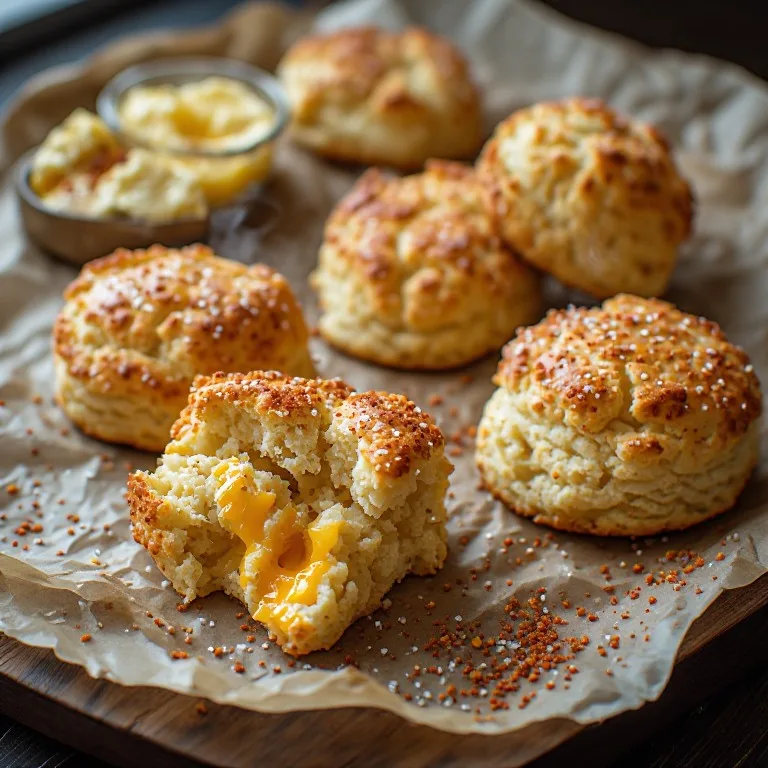
Quick answer: Viral TikTok Old Bay cheddar biscuits are flaky drop biscuits made by grating frozen butter into flour, folding in sharp cheddar and Old Bay seasoning, adding cold buttermilk, and scooping the shaggy dough onto a baking sheet — no rolling, no cutting, no special technique. They bake at 425°F for 12–14 minutes and come out of the oven to be brushed immediately with a melted Old Bay butter glaze. Bon Appétit's Bake Club ran these as its February 2026 recipe (developed by Shilpa Uskokovic with biscuit baker Cheryl Day), and TikTok ran with it because the Old Bay butter glaze glistens for the camera and the first bite delivers a deeply savory, slightly briny flavor that separates these from every other cheddar biscuit you've had.

Old Bay Cheddar Biscuits

Viral TikTok Old Bay cheddar biscuits: flaky drop biscuits loaded with sharp cheddar and Old Bay seasoning, brushed hot from the oven with an Old Bay butter glaze. The Bon Appétit Bake Club recipe that blew up on TikTok — ready in 30 minutes.

Easy Prep: 10 min Cook: 14 min Total: 24 min12 biscuits servings ~$4.50/serving
Prep10 min
Cook14 min
Total24 min
Servings
12
At home~$4.50/serving
vs
Restaurant~$20.25/serving
You save ~78%

The Story Behind the Recipe

Old Bay seasoning was created in 1939 by Gustav Brunn, a German immigrant who settled in Baltimore after fleeing Nazi Germany and found work grinding spices. He built a custom blend of 18 spices — celery salt, paprika, both red and black pepper, bay leaf, allspice, cloves, and mace — specifically formulated for Maryland blue crab. The seasoning never left the Mid-Atlantic for decades; it was a strictly regional product, the kind of thing you could only get if you'd been to a crab boil in the Chesapeake Bay region. Then the internet happened, and Old Bay became one of the most Googled seasoning blends in the country.

The cheddar biscuit with Old Bay is what happens when someone applies a seafood seasoning to a classic biscuit dough and discovers that the celery salt and paprika in Old Bay do something remarkable to sharp cheddar — they deepen the savory notes and add a faint brininess that makes the cheese flavor pop rather than just sit there. Bon Appétit's Bake Club featured these in 2026 as a technically accessible but flavor-surprising recipe; TikTok picked it up because the Old Bay butter glaze shines under phone-camera lighting and the visual contrast — golden biscuit, orange-flecked glaze — is immediately shareable. At crab shacks and seafood restaurants along the Chesapeake, something close to this costs $6 for two. This recipe makes 12 for about $5 total.

Nutrition Facts

Per serving (12 biscuits servings)
Calories225
Total Fat13g
Total Carbs22g
Dietary Fiber1g
Sugars1g
Protein6g
Sodium390mg

* Estimated values based on standard recipe preparation. Actual values may vary.

Ingredients

  • Biscuit Dough
  • Old Bay Butter Glaze

Instructions

💡
Pro tip: This recipe tastes even better the next day. The flavors need time to meld together in the fridge.
❄️
Storage: Keeps in an airtight container in the fridge for up to 2 weeks. Freezer-friendly for up to 3 months.
🎃 Free Halloween cookbook — download now The Copycat Halloween Cookbook A ready-made, photo-illustrated PDF of our best halloween copycat recipes — free to download, no building required. Pay what you want to support if you love it.

Free PDF — instant download. We'll also send new seasonal copycat recipes now and then; unsubscribe anytime. Or just download it →

Old Bay Cheddar Biscuits — The Viral TikTok Recipe Everyone Made in 2026

Prep time: 10 min Cook time: 14 min Makes: 12 biscuits

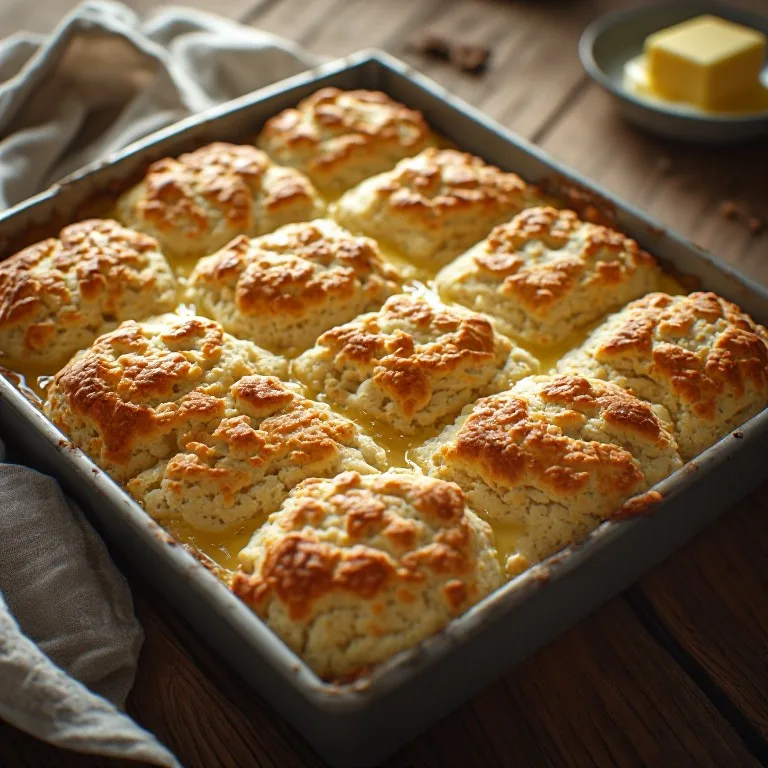
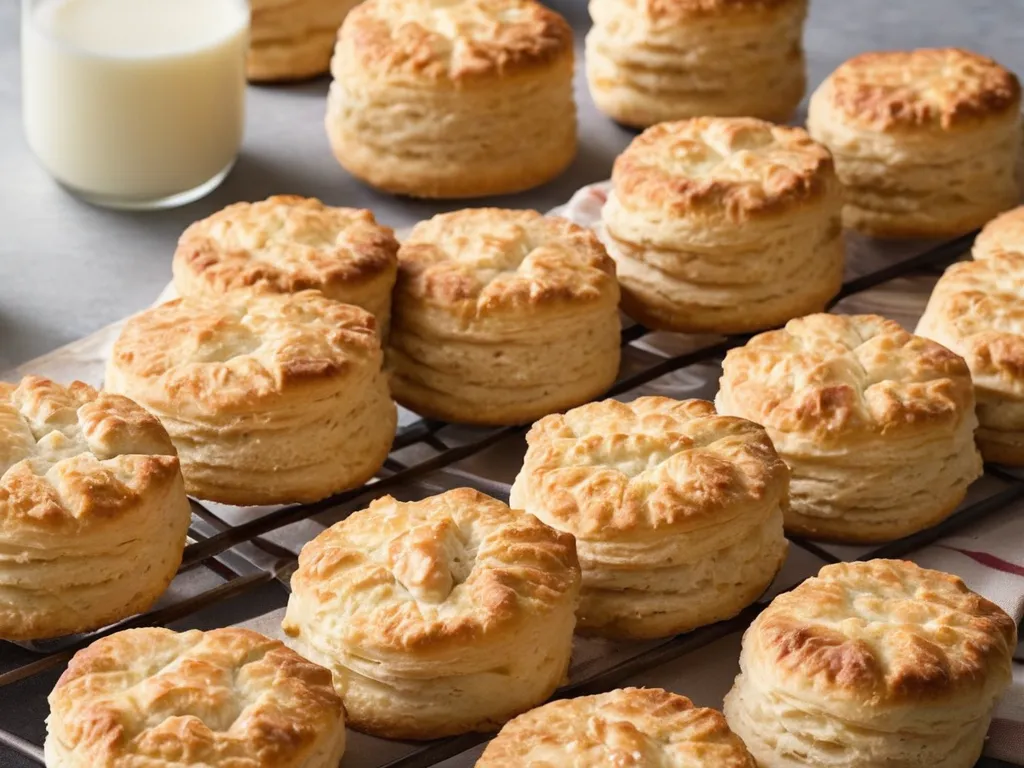
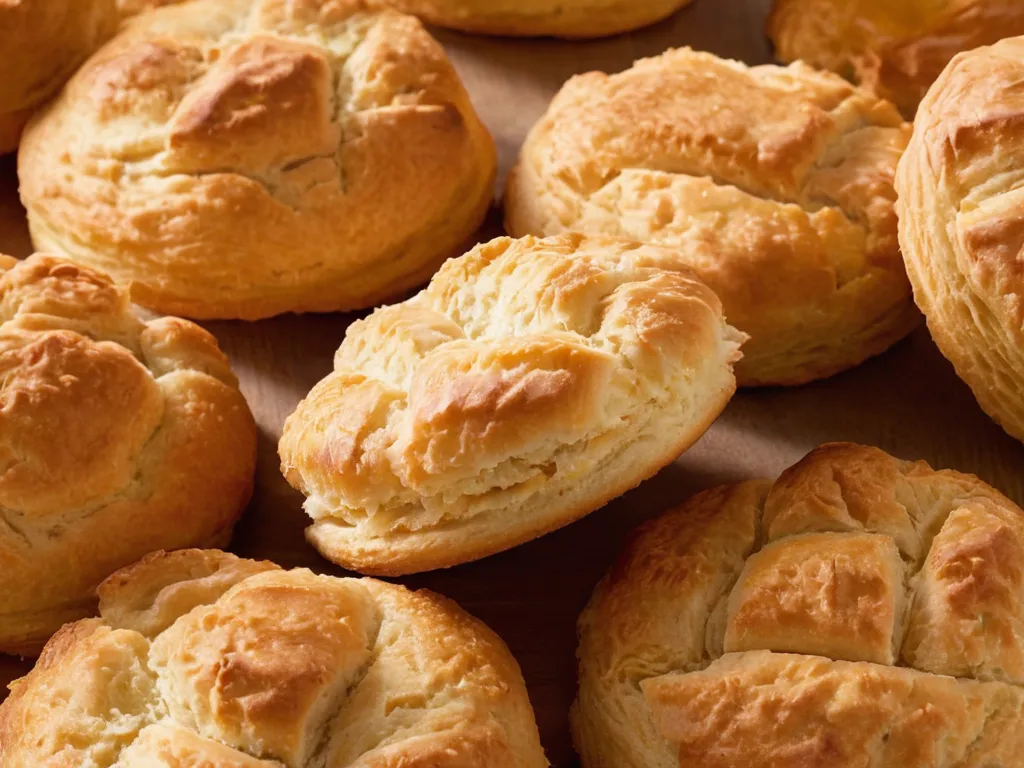
Viral TikTok Old Bay cheddar biscuits are drop biscuits — no rolling, no cutting, no special technique — made by grating frozen butter into seasoned flour, folding in sharp cheddar and Old Bay, and dropping rough scoops of dough onto a baking sheet. They bake to golden, craggy, deeply savory biscuits in 12 minutes. The move that makes them TikTok-famous: a brush of melted butter spiked with more Old Bay the instant they come out of the oven, so the glaze soaks into every crack while the biscuits are still steaming. Bon Appétit’s Bake Club made it the February 2026 recipe — “like a bag of Chesapeake Bay crab chips in biscuit form,” as they put it. The internet immediately agreed.

The Story Behind the Recipe

Old Bay seasoning was created in 1939 by Gustav Brunn, a German immigrant who settled in Baltimore and built a custom blend of 18 spices — celery salt, paprika, red and black pepper, bay leaf, allspice, and mace — specifically formulated for Maryland blue crab. The seasoning stayed a regional secret for decades. Then the internet happened, and Old Bay became one of the most searched-for spice blends in the country, used on everything from french fries to popcorn to guacamole.

The cheddar biscuit with Old Bay is what happens when someone applies a seafood seasoning to a classic biscuit dough and discovers that the celery salt and paprika in Old Bay do something remarkable to sharp cheddar: they deepen the savory notes and add a faint brininess that makes the cheese flavor pop. Bon Appétit’s Bake Club featured these as a technically accessible but flavor-surprising recipe; TikTok picked it up because the Old Bay butter glaze shines under phone-camera lighting and the visual contrast — golden biscuit, orange-flecked glaze — is immediately shareable.

The One Technique That Makes These Flaky

Grate frozen butter into the flour. That’s it. That’s the whole secret.

Cold butter, when it hits oven heat, vaporizes and creates steam that pushes the dough layers apart — producing the flaky, pull-apart interior. If the butter melts into the dough before baking (because your hands warmed it, or you started with soft butter), you get a tender crumb rather than distinct layers.

Grating eliminates the problem. Freeze the butter for 15 minutes, run the flat end of the stick along a box grater, toss the shreds into the flour after every few passes. The thin slivers coat each flour particle and stay solid while you add the buttermilk and scoop the dough. By the time the biscuits hit the oven, you have uniform, tiny cold-butter pockets distributed throughout — exactly what you want.

Work quickly. Don’t squeeze the dough. Don’t overmix. The goal is a shaggy, rough-looking dough with visible butter streaks.

Two Applications of Old Bay: Why Both Matter

In the dough: 1 teaspoon of Old Bay seasons the interior of every biscuit. It blooms in the fat from the butter and cheddar as the biscuit bakes, distributing the celery salt and paprika notes through every bite. More than 1 teaspoon and the salt compounds with the cheddar into something harsh; less and you don’t taste it inside at all.

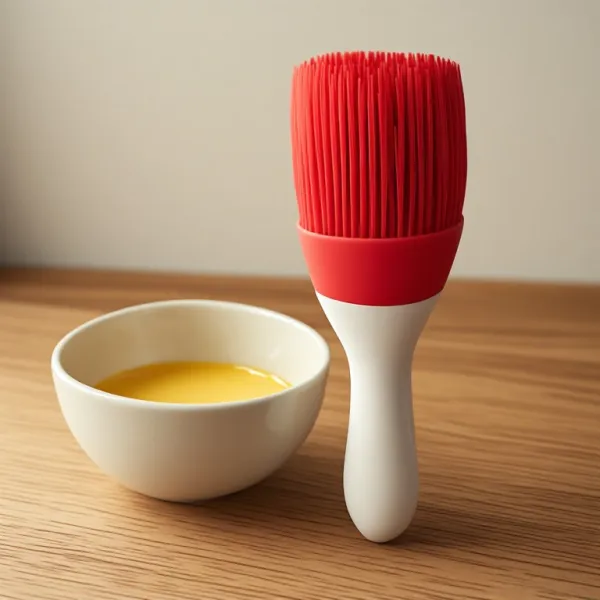
In the glaze: 1/2 teaspoon of Old Bay in 3 tablespoons of melted butter, brushed on hot biscuits, delivers the flavor where you experience it first — the surface. The paprika in Old Bay goes orange-vivid in butter and creates the glowing color that photographs so well. The brininess hits immediately on the first bite, before the interior note of Old Bay reaches you on the finish.

This two-layer approach — subtle inside, forward outside — is what makes these different from a Red Lobster Cheddar Bay Biscuit (which is butter-garlic forward) or a standard buttermilk biscuit with a pinch of spice. It is a biscuit that tastes like it was made by someone who actually thought about where flavor lives.

The Cheddar Question

Only sharp or extra-sharp cheddar. The reasoning is simple: mild cheddar hasn’t aged long enough to develop the crystalline, tangy sharpness that stands up to Old Bay’s brininess. It melts fine but the flavor disappears into the dough. Sharp cheddar (Cabot, Tillamook, or any block aged 12+ months) has the aggressive flavor you need.

Grate it from the block. Pre-shredded cheddar is coated in cellulose powder to prevent clumping, which interferes with how it melts in the dough and can produce a slightly gritty texture. A box grater and 90 seconds is all it takes.

For a more complex biscuit: replace half the sharp cheddar with a good aged white cheddar, or try a smoked cheddar in place of the whole amount if you’re serving these alongside barbecue rather than seafood.

Serving Context

These are the right biscuit for any seafood dinner — crab cakes, clam chowder, shrimp, lobster roll. The Old Bay in the biscuit bridges directly to anything that would otherwise take Old Bay as a dipping seasoning.

Beyond seafood: creamy chicken soup, beef stew, chili (the briny note cuts through smokiness well), or a weekend brunch with scrambled eggs and hot sauce. They also hold up as a standalone snack in a way that plain biscuits do not — the flavor complexity means they don’t need anything on them.

Eat them within 10–15 minutes of glazing. Like all drop biscuits, the exterior crisps as they cool and the interior tightens. Reheat at 350°F for 5–6 minutes to restore some of that freshness — but the first 10 minutes out of the oven is when they’re at their best.

Make-Ahead: The Frozen Dough Method

Scoop the raw dough balls onto a parchment-lined sheet, freeze until solid (about 1 hour), then transfer to a zip-lock bag. They keep frozen for 3 months.

Bake directly from frozen at 425°F for 16–18 minutes. Do not thaw first — the cold butter in the frozen dough behaves exactly as grated frozen butter in fresh dough, and the biscuits come out just as flaky as same-day. This is the standard trick for holiday tables: scoop a triple batch in October, bake from frozen throughout fall.

Related Biscuit and Bread Recipes
🥗

Make It Healthier

Love Old Bay Cheddar Biscuits but want a lighter version? Try these simple swaps:

  • ✓Replace half the all-purpose flour with whole wheat flour for 3g extra fiber per biscuit — the nuttier flavor actually complements the Old Bay's earthy spice notes.
  • ✓Cut butter to 6 tablespoons (instead of 8) and add 2 tablespoons of plain Greek yogurt to the buttermilk — saves about 25 calories per biscuit while keeping the tang and moisture.
  • ✓Use a reduced-fat sharp cheddar to drop fat by about 3g per biscuit; the flavor is slightly milder but the Old Bay glaze compensates.
  • ✓Make smaller biscuits (about 3 tablespoons of dough each, yielding 16 instead of 12) and serve two per person — portion control without changing the recipe at all.

Frequently Asked Questions

What exactly is Old Bay seasoning and why does it work in biscuits?

Old Bay is a blend of 18 spices created in Baltimore in 1939, anchored by celery salt, paprika, red and black pepper, and bay leaf, with background notes of allspice, cloves, and mace. It was designed for shellfish — specifically Maryland blue crab — which is why it tastes slightly briny and complex rather than simply spicy. In a cheddar biscuit, the celery salt reinforces the savory depth of sharp cheddar, the paprika adds a warm, faintly smoky background, and the allspice and mace give the biscuit a subtle spice complexity you can't quite place but definitely notice. It doesn't taste like seafood in the biscuit; it tastes like the most interesting cheddar biscuit you've ever eaten. The glaze (Old Bay mixed into melted butter and brushed on hot) is where the seafood-adjacent brininess shows up most clearly.

Why grate the butter instead of cutting it in?

Grating frozen butter creates uniform, thin slivers that distribute evenly through the flour without warming up — which is the entire goal. Cold butter, when it hits the oven, creates steam that pushes the layers of dough apart, producing flakiness. If butter melts into the flour before baking (because your hands warmed it during cutting, or you used soft butter), you get a tender, crumbly biscuit rather than a layered, flaky one. Freezing the stick of butter for 15–20 minutes before grating it on a box grater gives you cold, thin shards that coat each flour particle and stay solid until the oven heat hits them. It is faster and more reliable than a pastry cutter. The one rule: work quickly after grating and don't compress the dough with warm hands.

What type of cheddar is best for these biscuits?

Sharp or extra-sharp cheddar is the only correct choice. Mild cheddar has not aged long enough to develop the crystalline sharpness and deep flavor that stands up to Old Bay's brininess — it melts fine but tastes flat. Extra-sharp aged cheddar (Cabot Extra Sharp, Tillamook Vintage Extra Sharp, or any cheddar aged 12+ months) has the pronounced tang and slightly crumbly texture that the biscuit dough benefits from. Shred it yourself from a block — pre-shredded cheddar is coated in cellulose powder (to prevent clumping) that interferes with melting and can make the texture slightly gritty. If you want to go further, replace half the cheddar with a sharp white cheddar or a smoked cheddar for a more complex bite.

Can I make these without buttermilk?

Yes, two substitutes work well. The classic swap: add 1 tablespoon of white vinegar or lemon juice to a measuring cup, pour in enough whole milk to reach the 3/4-cup line, stir, and let sit for 5 minutes until slightly curdled — that's cultured buttermilk's acidity, which reacts with the baking powder to create lift. The richer swap: use plain full-fat kefir (strained yogurt works too, thinned with a tablespoon of milk). Avoid skim milk substitutes — the fat content matters for both tenderness and flavor. Do not use regular milk without acid — the biscuits will be noticeably denser because the acid-baking powder reaction won't fire properly.

Can these be made ahead of time?

Two approaches: (1) Scoop the dough balls onto the baking sheet, freeze until solid (about 1 hour), transfer to a zip-lock bag, and bake directly from frozen at 425°F for 16–18 minutes. This is the best method — the biscuits come out just as flaky as fresh because the frozen butter does exactly what cold-grated butter does. (2) Bake fully, cool completely, and store in an airtight container at room temperature for up to 2 days. Reheat at 350°F for 5–7 minutes to revive the exterior crispness. Do not refrigerate baked biscuits — cold storage stales them quickly. The unbaked frozen method is far better if you're planning ahead.

What do you serve Old Bay cheddar biscuits with?

Their natural pairing is any seafood dish: crab cakes, clam chowder, shrimp bisque, lobster rolls, or a simple pan of garlic butter shrimp. The Old Bay bridge between the biscuit and the seafood is obvious and complementary. Beyond seafood, they work well alongside: creamy chicken and rice soup (the Old Bay cuts through the richness), a bowl of vegetable beef stew (the biscuit substitutes for bread), scrambled eggs for weekend brunch, or chili (the briny Old Bay note contrasts nicely with a smoky red chili). They are also exactly right on a holiday table where you'd otherwise serve dinner rolls — more interesting and faster to make.

How much Old Bay should I use — the recipe seems to call for a small amount?

The dough uses 1 teaspoon of Old Bay, which seasons 12 biscuits to a level that's noticeable but not overpowering. Old Bay's celery salt is potent — more than 1 teaspoon in the dough and the saltiness compounds with the cheddar and the baking powder into something harsh. The real Old Bay flavor delivery is the glaze: 1/2 teaspoon of Old Bay dissolved into 3 tablespoons of melted butter and brushed on the hot biscuits concentrates the seasoning on the surface where you taste it first. If you want a stronger Old Bay flavor, increase the glaze amount (double it) rather than adding more to the dough.

Love this recipe? Share it!

Free PDF: our 12 most-wanted copycat recipes — instant download.

Made it? Buy us a coffee

Every recipe here is free, with no paywalls. If this one was a hit at your table, a small tip keeps new copycats coming.

$

Ratings & Reviews

—
No ratings yet

Rate this recipe

Click a star to rate

Leave a Review

0/500

CS

Copycat Spices Editorial

Researched + fact-checked. Every recipe on Copycat Spices is built from published sources — official ingredient lists, brand-published recipes, interviews and food-science references — and fact-checked before it goes live, then written as clear, step-by-step instructions for home cooks of all skill levels.

Learn more about our mission →