

Pasta alla Gricia: The Roman Pasta That Predates Carbonara
Prep time: 5 minutes Cook time: 20 minutes Servings: 4
Pasta alla gricia is the Roman pasta most Americans have never heard of. It predates both carbonara and amatriciana. It has four ingredients. It takes twenty minutes. It produces zero egg-scrambling anxiety. And it consistently tastes better than people expect.
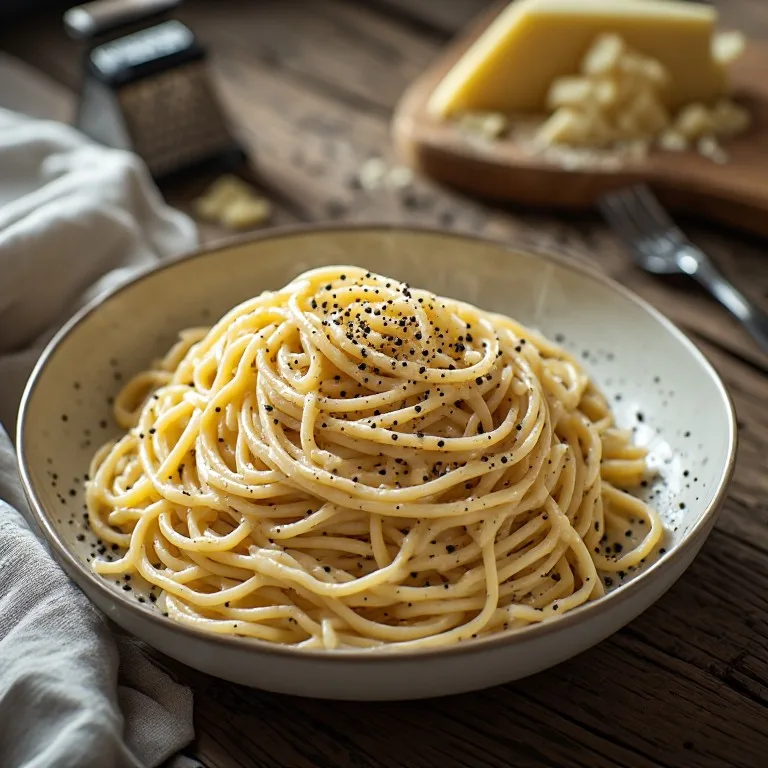
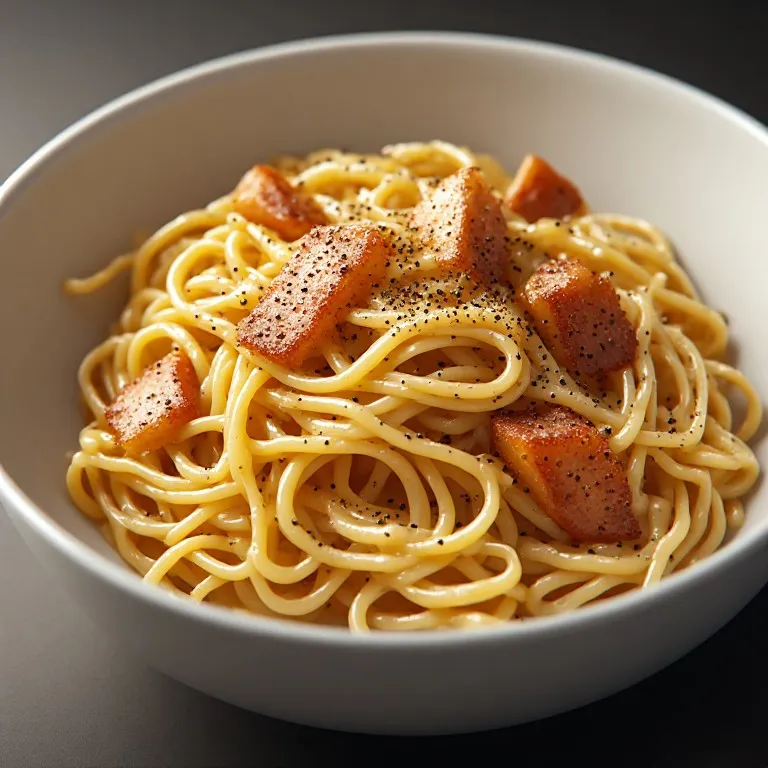
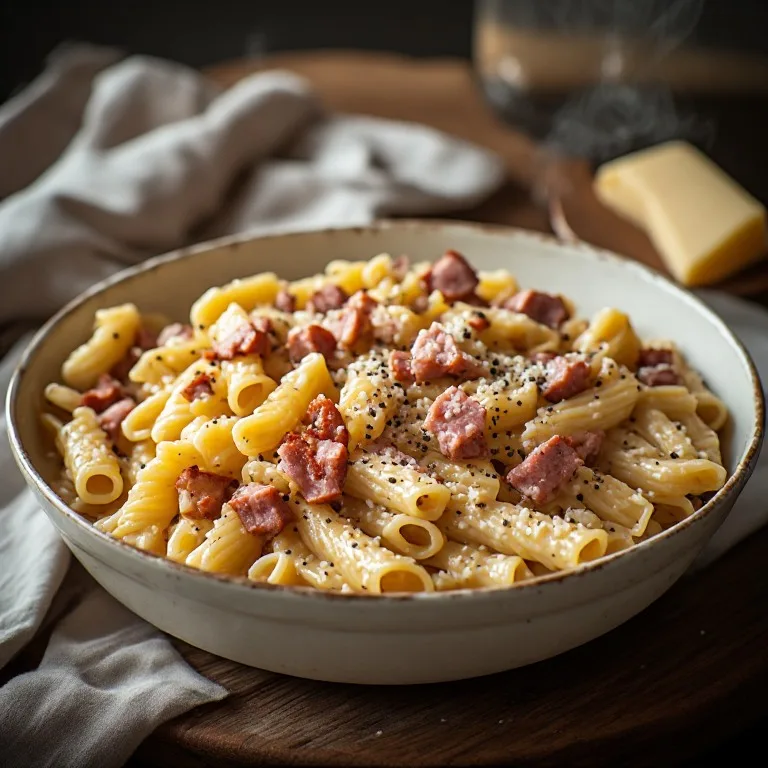
The formula: guanciale rendered until the edges are just crispy, its fat pooled in the pan, black pepper toasted in that fat, pasta tossed through it, then Pecorino Romano emulsified off the heat with reserved pasta water into a glossy, savory coating. No eggs. No tomatoes. No cream. No oil. The guanciale fat is the sauce.
TikTok found it — the “carbonara without the anxiety” framing landed — and it’s been pulling serious search traffic ever since. #pastagricia, #griciarecipe, “how to make pasta alla gricia.” The videos of guanciale slowly rendering, fat pooling in the pan, then that final toss with Pecorino turning glossy and smooth — it’s exactly the kind of cooking video people watch three times and then immediately go buy guanciale.
Why Gricia Might Be Older Than Carbonara
The four canonical Roman pastas — cacio e pepe, gricia, amatriciana, and carbonara — are often assumed to be ancient Roman traditions. They’re not that old, but gricia almost certainly came first.
Amatriciana is gricia plus tomatoes. Tomatoes didn’t reach Lazio (the region Rome is in) in any meaningful quantity until the late 1700s, and didn’t become a common kitchen ingredient until the mid-1800s. Before the tomato, the shepherds and peasants of the Apennine mountains near Amatrice were already making a guanciale-and-Pecorino pasta without it. That proto-amatriciana is what we now call gricia.
Carbonara is more contested. The most plausible origin theory: American soldiers stationed near Rome after World War II brought bacon and powdered eggs from ration kits; Roman cooks combined those with the existing guanciale-and-Pecorino formula and added eggs to the technique. Whether that’s true or not, gricia has a legitimate claim to being the oldest of the four.
The name “gricia” probably comes from Griciano, a small hamlet near Amatrice in the Rieti province of Lazio. Some food historians also point to “grici” — the name Romans gave to Lombard bread vendors who worked in the city during the Renaissance, who also sold salumi and cured meats. Either way, it’s a Roman word for a Roman dish.
The Three Things Most Recipes Get Wrong
1. Skipping guanciale. Guanciale — cured pork jowl, not belly — is not a preference; it’s the difference between the dish working and not. Guanciale has a higher fat content and more collagen than pancetta. When it renders, the fat is softer and more yielding, and it produces a pool of silky pork fat that emulsifies beautifully with the cheese. Pancetta works as a backup, but the sauce will be slightly tighter and less sweet. Bacon doesn’t work — the smoke flavor doesn’t belong here, and the added sugar changes the rendering behavior.
2. Starting guanciale in a hot pan. Cold pan, always. Start the guanciale from cold and increase heat to medium-low. This is how you render fat gently and evenly. A preheated pan sears the outside before the interior has a chance to soften and release its fat. You want crispy-edged, tender-centered lardons swimming in rendered fat — not chewy, overcooked nuggets with barely any fat in the pan.
3. Adding Pecorino to a hot pan. Same principle as carbonara. If the pan is hot when the cheese hits it, it seizes immediately into grainy clumps. Turn the heat completely off. Add pasta water first. Then add the finely grated Pecorino in a stream while tossing constantly. The combination of motion, residual heat, and pasta water’s starch is what creates a sauce instead of a disaster.
Guanciale: Where to Find It
Most Italian specialty grocery stores carry it, as do many good butcher shops. Eataly and Buon Italia (New York), Paulina Market (Chicago), and similar shops reliably stock it. Amazon and online Italian food retailers like Ditalia ship it. If you’re in a city with a significant Italian-American population, ask your local deli — many receive it regularly even if it’s not displayed.
If you genuinely cannot find guanciale and need a substitute today: pancetta cubetti (pre-cubed pancetta) or a thick-cut pancetta from a deli counter. The dish will still be good. It just won’t be gricia in the strict Roman sense.
The Pasta Water Is Non-Negotiable
Reserved pasta water does two things in gricia. First, it lowers the temperature of the pan when you add Pecorino — preventing the cheese from seizing. Second, the starch in it acts as an emulsifier, binding the pork fat and the cheese into a cohesive sauce rather than two greasy, separate components.
Use less water than you normally would when boiling pasta — a slightly more concentrated pot means more starch in the water. And reserve a full cup before draining, not a splash. The difference between good gricia and great gricia often comes down to having enough pasta water on hand to adjust the sauce during the final toss.
Cost and Scale
A restaurant plate of pasta alla gricia in Rome runs €14–18. In New York at a well-regarded Italian restaurant (Lilia, L’Artusi, I Sodi) expect $24–28 for a comparable guanciale-and-Pecorino pasta. Made at home: a pound of guanciale costs $12–18; a quarter of it makes this recipe. The Pecorino runs $6–9 for a wedge that covers two or three batches. Four restaurant-quality portions for around $8–10 total.
The recipe scales exactly. Two people: cut everything in half and use a 10-inch pan. Eight people: double everything and use a 14-inch straight-sided sauté pan or do it in two batches rather than crowding.