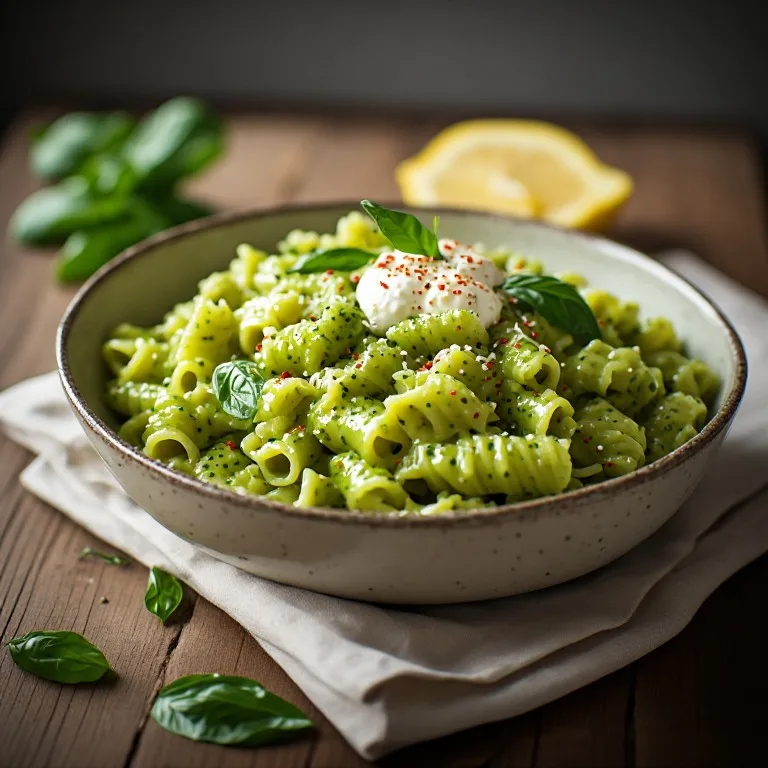

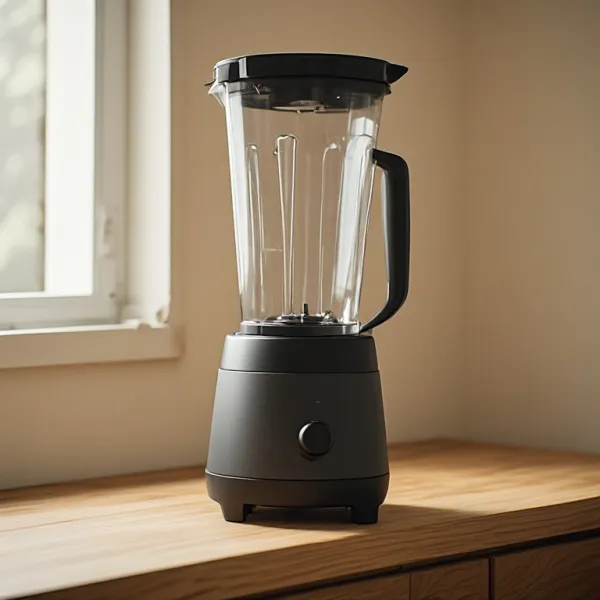
Green goddess pasta is the dish that turns a bag of fresh herbs into something people screenshot. It takes about 30 minutes, uses one pot of water, requires a blender, and produces a sauce so vividly green and genuinely herbaceous that the first time most people make it, they photograph it before eating.
The sauce went viral for a simple reason: it is, against all expectations, delicious. Fresh basil, parsley, and chives, blanched briefly to hold their color and blended with mascarpone and parmesan, produces something richer and more complex than any of those ingredients would suggest separately. The herbs give brightness and depth; the mascarpone provides silky body without heaviness; the pasta water makes it all cling.
Three Things Most Green Goddess Pasta Recipes Get Wrong
Mistake 1: Blending the greens raw. Raw spinach and basil blended at room temperature oxidize as they’re processed — the enzyme peroxidase degrades chlorophyll on contact with oxygen, and within minutes of blending, your sauce shifts from bright, vivid green to an olive-drab grey-green. A 30-second blanch in boiling water followed by an immediate ice bath deactivates this enzyme and locks the chlorophyll in its stable, bright form. It also removes raw bitterness from spinach and parsley. The color difference is dramatic: blanched herbs produce an almost neon-green sauce; raw herbs produce something murkier. Every restaurant herb sauce you have admired uses this technique. So should yours.
Mistake 2: Using cream cheese instead of mascarpone. Cream cheese looks like mascarpone in the grocery store but behaves differently in a blended sauce. It contains stabilizers (locust bean gum or carob bean gum) that give it a slightly grainy texture that doesn’t blend fully smooth. More importantly, cream cheese has a pronounced tang from its acidification process — a sharpness that competes with the lemon and herbs. Mascarpone is made from heavy cream and has no added stabilizers. It is 60–75% fat, neutral in flavor, and melts into the sauce completely, letting the basil and parsley lead. The sauce should taste of herbs with a creamy background, not cream cheese with herbs in it.
Mistake 3: Not using hot pasta water for emulsification. A sauce made in a blender is a cold emulsion — fat and water held together by the proteins and lecithin in the mascarpone and parmesan. When you toss it with hot pasta, you want it to cling, not slide. Hot pasta water — starchy from the pasta that cooked in it — does two things: it loosens the thick sauce to a coating consistency, and the starch acts as an additional emulsifier that helps the fat bond to the pasta surface rather than pooling at the bottom of the bowl. Use ½ cup in the blender to loosen the sauce before tossing, then add more as needed while tossing. Plain water has no starch and will not do the same job.
The Blanching Step, Explained
You are not cooking the herbs — you are treating them chemically. The goal is to:
- Deactivate peroxidase — the oxidative enzyme that makes cut herbs go brown-green.
- Remove raw bitterness — particularly from raw spinach and flat-leaf parsley, which both have bitter compounds that cooking mellows.
- Soften cell walls — so the herbs blend into a completely smooth sauce rather than leaving fibrous flecks.
The method: boiling salted water, 30 seconds, straight into ice water, 1 minute, then squeeze bone-dry. Everything in this sequence matters. Too long in the boiling water (90+ seconds) and the chlorophyll begins to degrade anyway. Not cold enough in the ice bath (using room-temperature water instead of genuinely icy water) and the cooking continues as the herbs cool, with the same result. Wet herbs that are not squeezed thoroughly will waterlog the sauce.
Think of it as the technique behind every vivid herb sauce you have ever seen in a professional kitchen — chimichurri prep, persillade, pesto. The best versions all start with blanched herbs.
The Pasta
This sauce is moderately thick and designed to cling. The pasta shapes that work best are those with surface area, ridges, or cavities:
- Orecchiette — the cup shape scoops sauce and holds it inside; every bite has a concentrated pocket of herb sauce
- Rigatoni — ridges + hollow center, easy to find, excellent coating
- Fusilli — spiral grooves trap sauce; slightly more rustic presentation
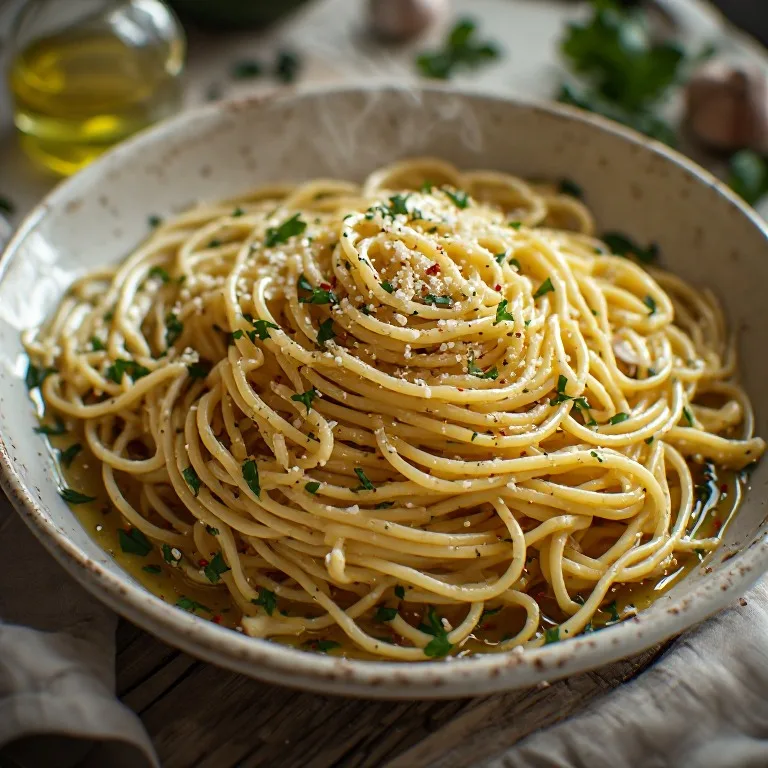
- Linguine or spaghetti — long pasta works well with the sauce’s silky texture; stir aggressively when tossing so strands separate
Avoid large smooth shapes (paccheri, calamarata) or tiny smooth shapes (orzo, ditalini) — both give uneven coverage. Stuffed pasta, especially cheese tortellini, is an exceptional upgrade: serve it tossed in green goddess sauce with torn burrata for a dish that photographs brilliantly.
The Burrata Question
Burrata is optional, but it is the finishing touch that made the dish go viral for good reason. The cold, milky, barely-set center of torn fresh burrata contrasts with hot herb-coated pasta in a way that is genuinely exciting — temperature, texture, and flavor all working at once. The pasta is hot and herby; the burrata is cool and milky; the chili flakes give heat.
If you use it, place the burrata on top after plating and serve immediately — it will begin to melt and spread within a minute of touching hot pasta, which is a feature, not a flaw.
Variations
Vegan version: Replace mascarpone with ¼ cup soaked-and-blended raw cashews (soak in water 2 hours, drain, blend with ¼ cup fresh water until completely smooth). Replace parmesan with 3 tablespoons nutritional yeast. The sauce is excellent — less rich but genuinely herby and bright.
White bean boost: Add one 15-oz can of drained cannellini beans to the blender along with the herbs. The beans thicken the sauce significantly, add protein and fiber, and have a neutral flavor that doesn’t compete. This is a satisfying high-protein weeknight dinner that happens to be vegetarian.
Avocado version: Add half a ripe avocado to the blender for extra creaminess and body. Reduce mascarpone to 2 oz. The sauce will be slightly more muted in color (avocado green rather than herb-neon green) and richer in texture.
Spicy green goddess: Add one small serrano or jalapeño (seeded for moderate heat, unseeded for significant heat) to the blender. The combination of heat and bright herbs is excellent and leans into a different direction from the base recipe.
Marry Me Green Goddess: After tossing the pasta with sauce, add ½ cup sun-dried tomatoes (oil-packed, roughly chopped) and a handful of baby arugula. The tomatoes add sweetness and chew; the arugula adds peppery bite. Finish with whipped ricotta on top instead of burrata.