


Pin It

Pecan Pie Bars (The Thanksgiving Treat That's Actually Easier Than Pie)

Pecan Pie Bars (The Thanksgiving Treat That's Actually Easier Than Pie)
Jump to Recipe
Prep 20 min Cook 45 min Serves 24 bars
Quick answer: Pecan pie bars: whisk 2 cups flour, ½ cup powdered sugar, and ½ tsp salt. Cut in ¾ cup cold cubed butter until it resembles coarse sand. Press into a parchment-lined 9×13-inch pan; pre-bake at 350°F for 15 to 18 minutes until lightly golden. Whisk 4 eggs, 1½ cups brown sugar, ¾ cup light corn syrup, ¼ cup melted butter, 2 tsp vanilla, and ½ tsp salt. Stir in 2½ cups pecan halves. Pour over the hot crust. Bake 25 to 30 minutes until the edges are set and the center has just a slight jiggle. Cool 2 hours at room temperature, then 1 hour in the refrigerator before cutting. Pre-baking the crust is what stops it from going soggy; cooling completely is what gives you clean-cut bars instead of a flowing mess.

Shop the tools

Gear matched to this recipe. These are Amazon affiliate links — we may earn a small commission if you buy, at no extra cost to you.

As an Amazon Associate, Copycat Spices earns from qualifying purchases. Product images are generic illustrations, not the exact item listed.

Pecan Pie Bars (The Thanksgiving Treat That's Actually Easier Than Pie)

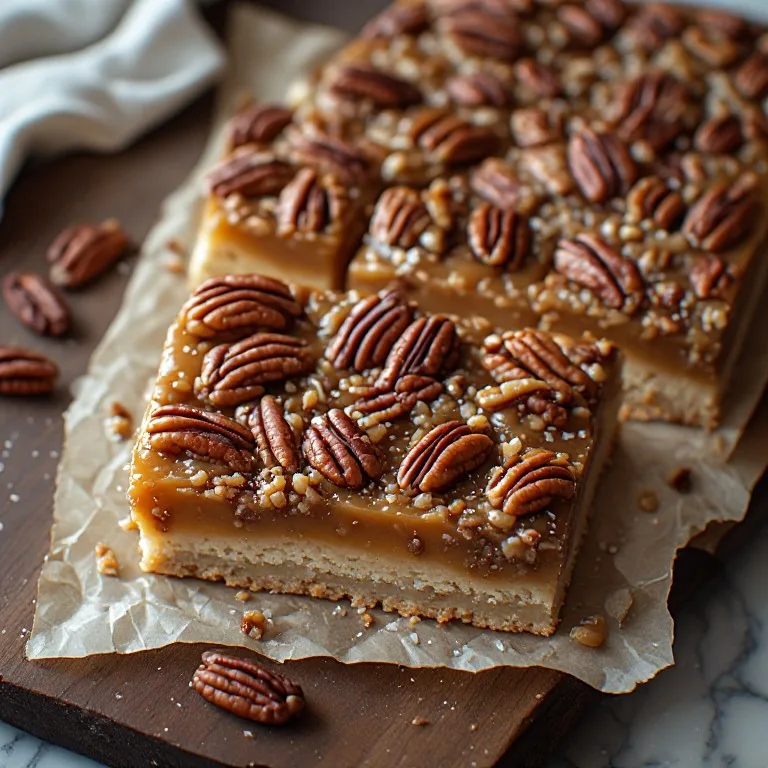
Viral TikTok pecan pie bars — a buttery shortbread crust topped with the same caramelized pecan filling as a full pie, baked in a 9×13 pan and cut into squares. No pie dish, no rolling, no fussing. The pre-bake crust trick, cooling guide, and how to get clean cuts every time.

Easy Prep: 20 min Cook: 45 min Total: 1h 5m24 bars servings ~$4.50/serving
Prep20 min
Cook45 min
Total1h 5m
Servings
24
At home~$4.50/serving
vs
Restaurant~$20.25/serving
You save ~78%

The Story Behind the Recipe

Pecans are native to North America — the only major commercially grown tree nut that is. Indigenous peoples across the Mississippi River valley had harvested and traded them for centuries before European settlers arrived. One of the earliest published American pecan pie recipes appeared around 1886, but the dish didn't become the Thanksgiving standard it is today until the 1930s, when Karo Corn Syrup began printing a pecan pie recipe on its label. The Karo version — eggs, corn syrup, butter, sugar, vanilla — became the template that millions of families baked for decades. A full pecan pie at a restaurant or bakery typically runs $35 to $45 for a 9-inch pie. Made at home with about $12 in ingredients, the same filling stretches across 24 bars.

The bar format went viral on TikTok when creators pointed out something obvious in retrospect: a pecan pie filling is just a custard — it doesn't need a round dish and a rolled-out crust to work. Press a shortbread base into a 9×13 pan, pre-bake it, pour the filling over the top, and bake again. The result cuts into clean squares that travel better than pie slices, serve a crowd without plates and forks, and reheat without the soggy-crust problem that haunts leftover pie. The hook in every viral video is the same: the glossy, caramelized pecan surface right out of the oven, and the clean slice through.

Nutrition Facts

Per serving (24 bars servings)
Calories320
Total Fat18g
Total Carbs38g
Dietary Fiber1g
Sugars27g
Protein3g
Sodium110mg

* Estimated values based on standard recipe preparation. Actual values may vary.

Ingredients

  • For the shortbread crust
  • For the pecan filling

Instructions

💡
Pro tip: This recipe tastes even better the next day. The flavors need time to meld together in the fridge.
❄️
Storage: Keeps in an airtight container in the fridge for up to 2 weeks. Freezer-friendly for up to 3 months.
🦃 Free Thanksgiving cookbook — download now The Copycat Thanksgiving Cookbook A ready-made, photo-illustrated PDF of our best thanksgiving copycat recipes — free to download, no building required. Pay what you want to support if you love it.

Free PDF — instant download. We'll also send new seasonal copycat recipes now and then; unsubscribe anytime. Or just download it →

Pecan pie bars are what TikTok realized pecan pie was always trying to be: the same caramelized-pecan filling over a buttery shortbread crust, baked in a rectangular pan, cut into squares that you can eat with your hands. No pie dish. No rolled crust. No fussy crimped edges. The filling is identical — brown sugar, corn syrup, eggs, butter, vanilla — and the result holds its shape on a dessert table without needing plates.

The format spread fast because it solved the actual inconveniences of full pecan pie without changing anything about the flavor. Pie slices require plates and forks and collapse if someone cuts them wrong at the table. Bars travel well, stack for gifting, and serve a crowd of 24 from a single pan that takes about 20 minutes of active work.

The two steps that actually matter

Every pecan pie bar recipe is the same base recipe, but two techniques determine whether the result is worth eating.

Pre-bake the crust. Pour a wet egg-and-sugar filling directly onto unbaked shortbread and the filling seeps into the flour before the butter has set — you get a gummy, dense bottom layer that doesn’t taste like crust, it just tastes like soft cake. 15 to 18 minutes at 350°F is enough to partially set the shortbread barrier. The crust finishes baking when the filling goes in; the pre-bake is just enough to close it off.

Cool completely. Pecan pie filling is a custard. It sets as it cools, not in the oven. Bars cut at the 1-hour mark will have filling that flows out the sides. Bars cut at the 3-hour mark will be clean-edged and slice like a brownie. There’s no shortcut — the chemistry of egg custard requires time at a lower temperature to fully firm. Two hours at room temperature followed by one hour in the refrigerator is the minimum.

The right crust texture

The shortbread crust should look and feel like coarse damp sand when you mix it — not a smooth dough, not dry powder. If you squeeze a handful and it briefly holds together before crumbling, that’s the right texture. If it refuses to stick at all, work in 1 to 2 teaspoons of cold water. If it’s cohesive like cookie dough, the butter got too warm — refrigerate the mixture 15 minutes before pressing.

Press it firmly into the pan. Use the flat bottom of a measuring cup to get an even, compact layer. Uneven crust means uneven baking: thick spots stay raw in the center while thin spots overbrown at the edges.

Reading the filling when it comes out of the oven

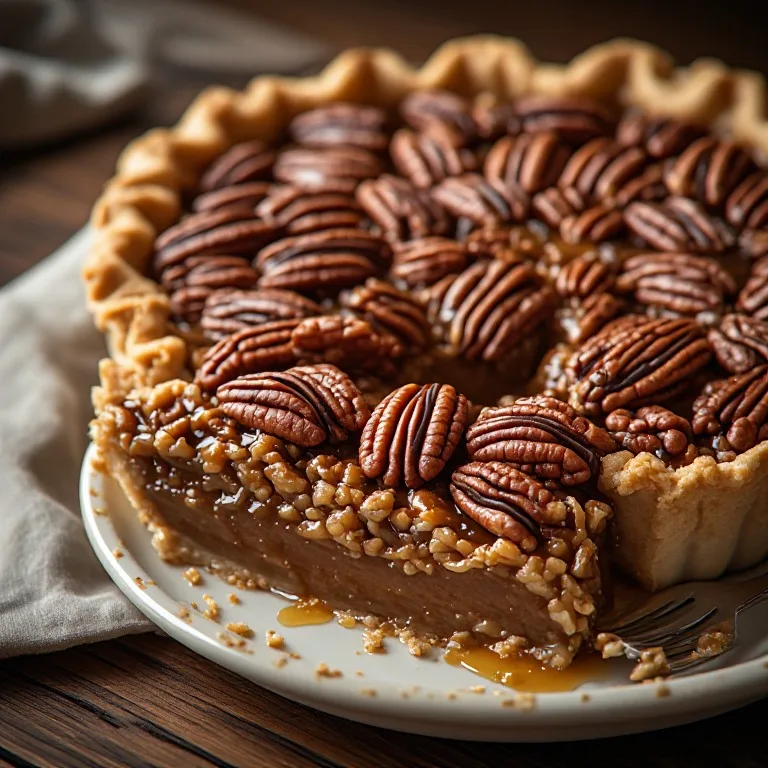
Pull the pan when the edges are set and the center has a very slight jiggle — like barely-set Jell-O. The surface should be deep brown, glossy, and toasted on the pecans. If the entire surface jiggles freely when you shake the pan, it needs 5 more minutes. If there’s no jiggle at all, it’s overbaked — the texture will be dry and crumbly rather than chewy and caramelized.

The filling continues to set after it leaves the oven. The slight-jiggle center at the 28-minute mark becomes fully firm after the cooling period.

Make-ahead for Thanksgiving

These bars are genuinely better made 1 to 2 days ahead. The shortbread crust firms up as it rests and becomes more distinct against the filling; freshly baked bars have a softer crust. Store covered in the refrigerator for up to 4 days. Bring to room temperature for 20 to 30 minutes before serving — the filling softens from refrigerator-firm to the chewy, caramelized texture you want.

They also freeze well: wrap individual bars in plastic wrap, seal in a freezer bag, and freeze for up to 3 months. Thaw overnight in the refrigerator.
🥗

Make It Healthier

Love Pecan Pie Bars (The Thanksgiving Treat That's Actually Easier Than Pie) but want a lighter version? Try these simple swaps:

  • ✓Replace ¼ cup of the corn syrup with pure maple syrup — same setting power, slightly less-processed sweetness, and a more complex flavor that pairs especially well with dark brown sugar.
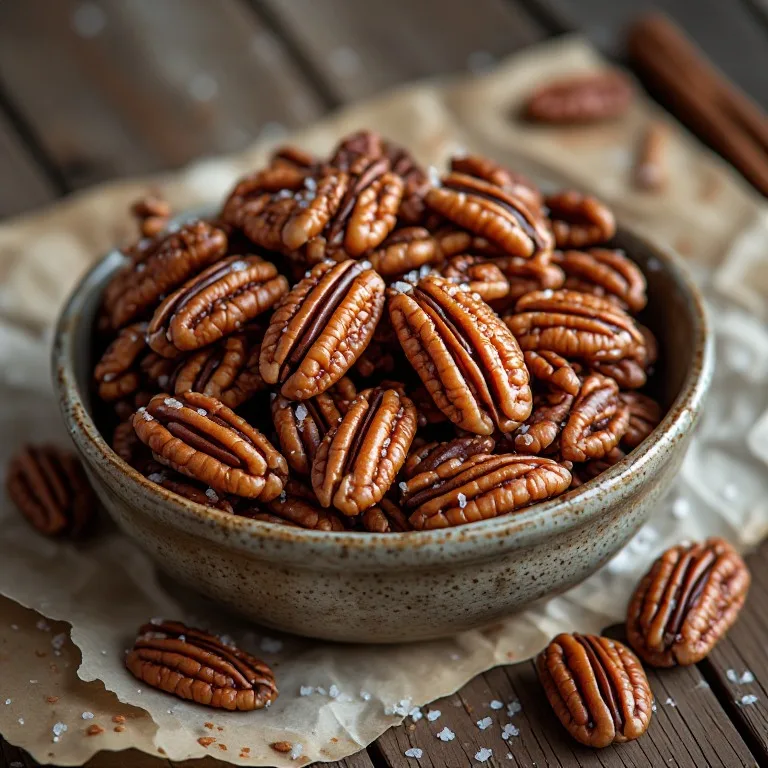
  • ✓Toast the pecan halves at 350°F for 8 to 10 minutes before adding them to the filling. No calorie change, but toasted pecans have a deeper, nuttier flavor and they stay crispier inside the baked filling.
  • ✓Reduce the crust's powdered sugar to ⅓ cup. The filling is very sweet on its own; a slightly less sweet shortbread layer provides better contrast and lets you taste the pecan flavor more clearly.
  • ✓Cut into 32 smaller pieces instead of 24. The filling is rich — a 2-inch square is genuinely satisfying without feeling excessive, and a smaller portion size is much easier to eat at a crowded dessert table.

Frequently Asked Questions

Why do I need to pre-bake the crust? Can I skip that step?

No — and this is the single most important step in the recipe. A shortbread crust has almost no structure until it's partially baked: if you press it raw into the pan and pour the wet filling directly on top, the filling seeps into the unbaked flour-butter mixture and turns it gummy and dense. Pre-baking drives off enough moisture and sets the fat-flour matrix so the crust holds a barrier. The result is a distinct, crumbly shortbread bottom layer instead of a soggy, undifferentiated mass. 15 to 18 minutes at 350°F is the window — the crust should be lightly golden at the edges and look dry in the center. Don't skip it.

My bars came out runny or the filling never set. What went wrong?

Two likely causes. The first: underbaking. The filling should jiggle slightly in the center when you pull it out, but the edges should be set and not liquid. If the entire surface jiggles freely, give it 5 more minutes. The second, and more common: cutting too early. Pecan pie filling is a custard — the eggs and sugars firm as they cool, not while they're hot. Cutting into warm bars releases the filling before it has set. The minimum is 2 hours at room temperature followed by 1 hour in the refrigerator. If you're in a hurry, 1 hour at room temperature followed by 2 hours in the refrigerator works too. The filling that looks underdone at 90 minutes will be clean-cut at the 3-hour mark.

Can I use maple syrup instead of corn syrup?

Partially. Pure maple syrup has a lower glucose content than corn syrup, so it doesn't set as firmly — a full substitution will produce a softer, more flowing filling that may not hold clean cuts. The best approach: use ½ cup corn syrup and ¼ cup pure maple syrup. This gets you the maple flavor and slightly deeper sweetness while keeping enough corn syrup glucose to set the custard properly. If you go full maple, expect bars that are slightly gooier and require longer refrigeration to hold their shape. Full dark corn syrup works perfectly as a 1:1 swap and produces a more molasses-forward flavor.

How far ahead can I make pecan pie bars?

Up to 4 days ahead, stored covered in the refrigerator. The crust actually benefits from a day of rest — it firms up and becomes more distinct as it absorbs a little of the filling's richness. Bars on day 2 and day 3 are often better than bars on day 1. Store them in the pan, covered with plastic wrap, or in an airtight container with layers of parchment between them. Bring to room temperature for 20 to 30 minutes before serving — the filling softens from refrigerator-firm to the correct chewy-caramelized texture.

Do pecan pie bars need to be refrigerated?

Yes, after the first day. Like any custard (egg-based filling), they are safe at room temperature for up to 2 hours during service, but should be refrigerated for any longer storage. At room temperature, they stay good for up to 2 days if your kitchen is cool — but the filling softens progressively and the texture is best cold. In the refrigerator, covered, they keep well for 4 days. Frozen (individually wrapped in plastic wrap and sealed in a bag), they keep for up to 3 months — thaw overnight in the refrigerator.
Can I use chopped pecans instead of halves?

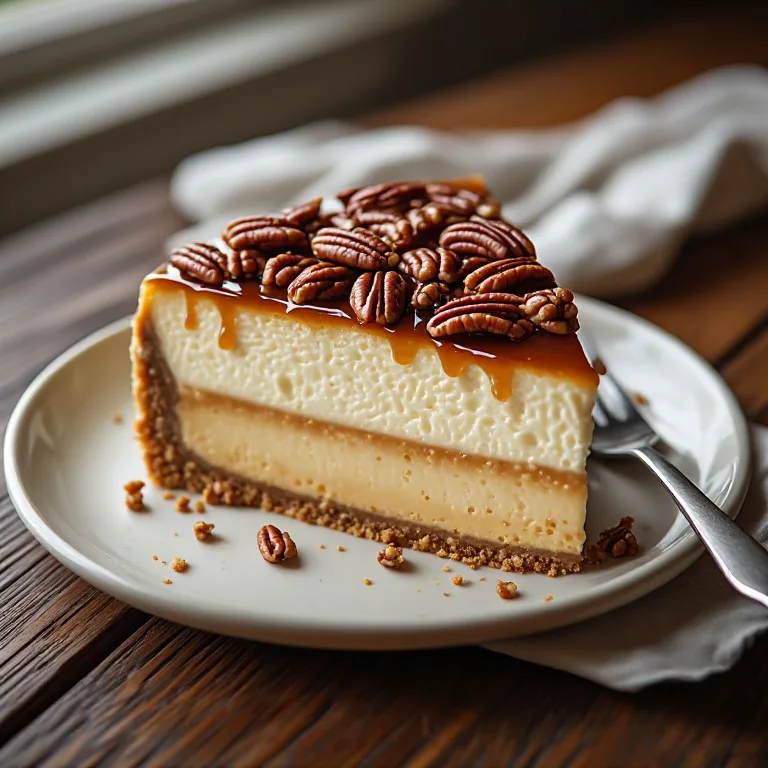
Yes. Chopped pecans distribute more evenly through the filling and make the bars easier to cut cleanly — the halves can create uneven resistance when you slice through. The flavor is identical. The visual difference is significant: halves produce the iconic caramelized-nut surface that reads as a pecan pie; chopped pecans look more like a bar cookie. For a Thanksgiving dessert table, halves have the presentation advantage. For a cookie box or shipped gift, chopped holds together more neatly.

My crust is crumbly and falls apart when I try to press it. How do I fix it?

The butter pieces need to be smaller. 'Coarse sand with some pea-sized pieces' is the right texture after mixing — if it's still clumping into large shaggy pieces or not coming together at all, the butter wasn't worked in enough. Squeeze a handful of the mixture: it should hold together briefly when compressed and then crumble apart when you release it. If it's too dry to hold at all, work in 1 to 2 teaspoons of cold water. If it's too wet and sticky, the butter was too warm — return everything to the bowl and refrigerate 15 minutes. Press firmly and evenly, using the bottom of a flat measuring cup to get an even layer — an uneven crust will have thin spots that overbake and thick spots that stay raw.

Can I double this recipe for a very large crowd?

A single batch in a 9×13 pan makes 24 standard bars or 32 smaller ones and serves 12 to 15 people comfortably at a dessert table. For a larger crowd, make two separate batches in two pans rather than trying to scale to a larger vessel — the filling depth and bake time are calibrated for the 9×13 format. An overfilled pan will take significantly longer to set and the crust-to-filling ratio will be off. Two pans, two separate bakes, same result.

Love this recipe? Share it!

Free PDF: our 12 most-wanted copycat recipes — instant download.

Made it? Buy us a coffee

Every recipe here is free, with no paywalls. If this one was a hit at your table, a small tip keeps new copycats coming.

$

Ratings & Reviews

—
No ratings yet

Rate this recipe

Click a star to rate

Leave a Review

0/500

CS

Copycat Spices Editorial

Researched + fact-checked. Every recipe on Copycat Spices is built from published sources — official ingredient lists, brand-published recipes, interviews and food-science references — and fact-checked before it goes live, then written as clear, step-by-step instructions for home cooks of all skill levels.

Learn more about our mission →