Pin It

Pecan Pie Cheesecake

Pecan Pie Cheesecake
Jump to Recipe
Prep 35 min Cook 1 hr 20 min Serves 12 slices
Quick answer: Pecan pie cheesecake: press a crust of 1½ cups graham cracker crumbs, ½ cup finely chopped pecans, 3 tbsp sugar, and 5 tbsp melted butter into a 9-inch springform pan (bottom and 1 inch up the sides) and bake 8 minutes at 325°F. Beat 24 oz (three 8-oz blocks) room-temperature cream cheese with 1 cup sugar until completely smooth, then add 3 eggs one at a time, 1 cup sour cream, 2 tbsp flour, and 1 tsp vanilla. Pour over the cooled crust; bake in a water bath at 325°F for 60 to 65 minutes until the edges are set and the center has a 2-inch jiggle. Turn off the oven, crack the door, and cool 1 hour. Refrigerate uncovered at least 4 hours, preferably overnight. For the topping: melt 3 tbsp butter in a saucepan, add ½ cup each corn syrup and brown sugar and stir until dissolved. Whisk 2 eggs in a bowl, temper in 2 tbsp of the hot mixture, then add the tempered eggs back and stir 2 minutes over medium heat until slightly thickened. Stir in 1½ cups pecan halves, 1 tsp vanilla, and ¼ tsp salt. Pour over the cold cheesecake and refrigerate at least 30 minutes before slicing.

Shop the tools

Gear matched to this recipe. These are Amazon affiliate links — we may earn a small commission if you buy, at no extra cost to you.

As an Amazon Associate, Copycat Spices earns from qualifying purchases. Product images are generic illustrations, not the exact item listed.

Pecan Pie Cheesecake

The viral TikTok pecan pie cheesecake recipe: a New York–style cream cheese filling baked in a pecan-graham crust, then finished with a glossy brown-sugar pecan pie topping. How to get both layers to set perfectly, why the water bath matters, and whether the no-bake version is worth making.

Intermediate Prep: 35 min Cook: 1 hr 20 min Total: 1h 55m12 slices servings ~$4.50/serving
Prep35 min
Cook1 hr 20 min
Total1h 55m
Servings
12
At home~$4.50/serving
vs
Restaurant~$20.25/serving
You save ~78%

The Story Behind the Recipe

Pecan pie cheesecake went from holiday dinner-party showpiece to a regular fixture of food TikTok beginning in late 2023, when videos of the glossy brown-sugar pecan topping being poured over a cream cheese layer started accumulating tens of millions of views. The appeal is legible in the first frame: you can see exactly what you're getting — the classic tang and creaminess of cheesecake underneath, and the caramelized, sticky-sweet pull of pecan pie on top. At a restaurant or bakery, a single slice runs $12 to $16 and is only available seasonally. Made at home, the full cheesecake (12 servings) costs roughly $18 in ingredients, or about $1.50 per slice. The dish was popularized on TikTok partly because both components — pecan pie and cheesecake — are things that intimidate home bakers on their own, but together the process is actually easier to manage: the cheesecake is forgiving enough that slight imperfections in the base are hidden by the topping.

The technique that makes this work is sequencing. The cheesecake is baked in a water bath, cooled completely in the oven, and refrigerated overnight before the pecan topping goes on. This order matters: a pecan pie topping poured over warm or even room-temperature cheesecake will destabilize the surface and cause the topping to pool unevenly. The topping itself is made separately — brown sugar, corn syrup, butter, and eggs cooked briefly on the stovetop — then poured over the cold cheesecake and returned to the refrigerator for at least 30 minutes to set. The result is two distinct, cleanly defined layers: a creamy, dense cheesecake base and a glossy, slightly chewy pecan topping that holds its shape when sliced.

Nutrition Facts

Per serving (12 slices servings)
Calories665
Total Fat46g
Total Carbs51g
Dietary Fiber2g
Sugars43g
Protein9g
Sodium310mg

* Estimated values based on standard recipe preparation. Actual values may vary.

Ingredients

Instructions

💡
Pro tip: This recipe tastes even better the next day. The flavors need time to meld together in the fridge.
❄️
Storage: Keeps in an airtight container in the fridge for up to 2 weeks. Freezer-friendly for up to 3 months.
🦃 Free Thanksgiving cookbook — download now The Copycat Thanksgiving Cookbook A ready-made, photo-illustrated PDF of our best thanksgiving copycat recipes — free to download, no building required. Pay what you want to support if you love it.

Free PDF — instant download. We'll also send new seasonal copycat recipes now and then; unsubscribe anytime. Or just download it →

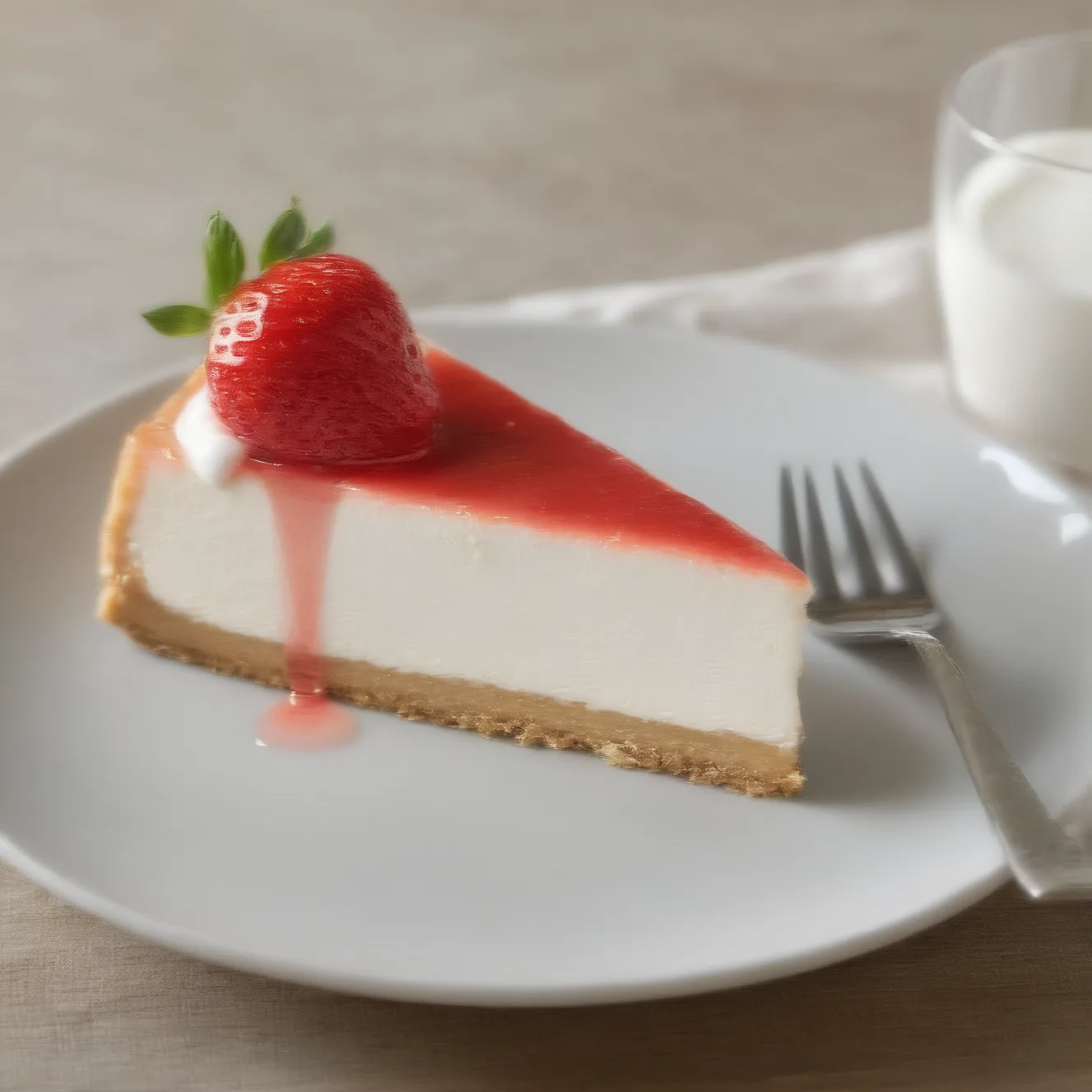
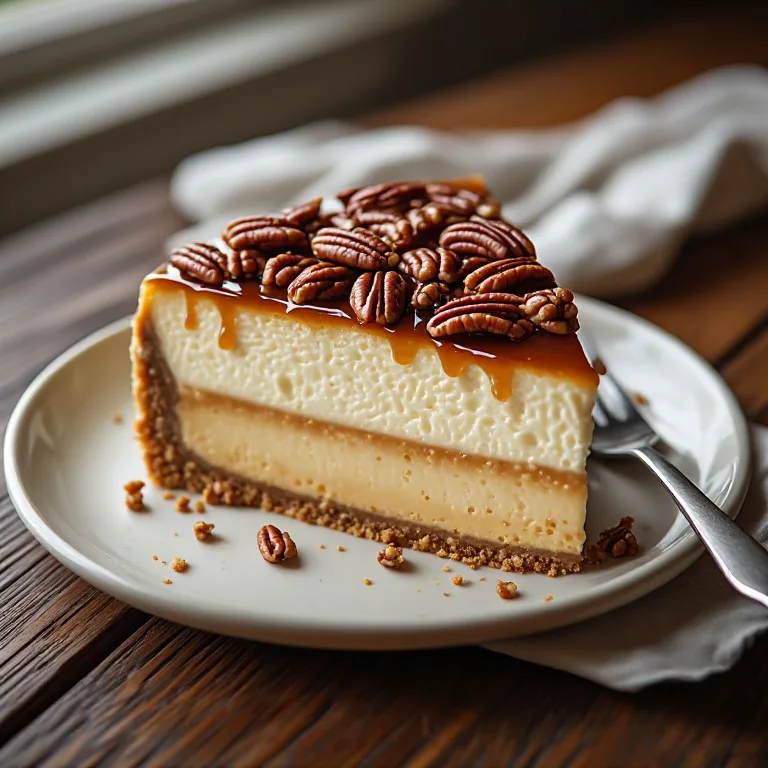
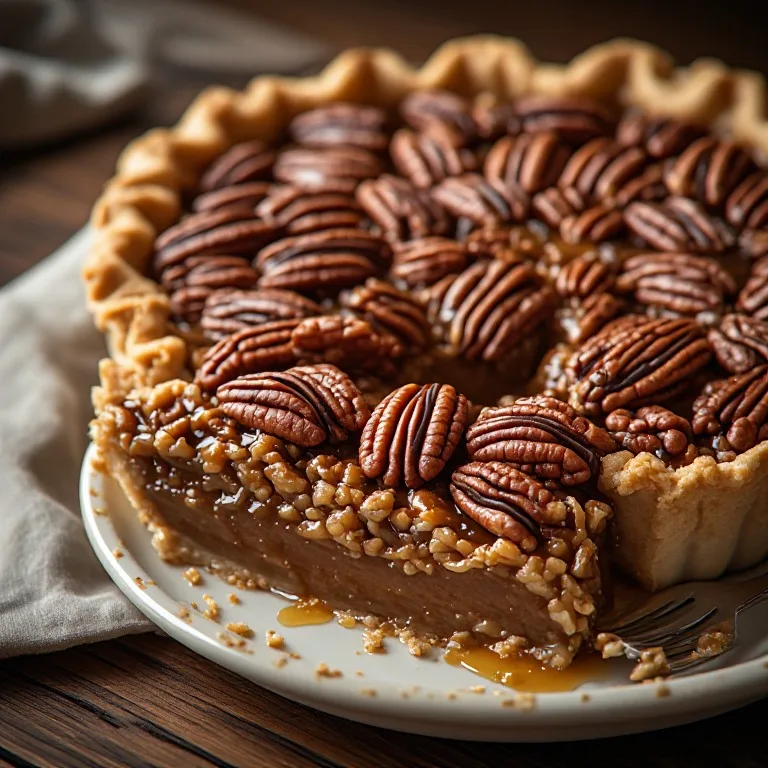
Pecan pie cheesecake has a clear visual hook — you can see exactly what you’re eating before you even pick up a fork. The glossy, amber-brown pecan topping on top of a cream-colored cheesecake layer makes the flavors legible in the first glance: sweet, caramelized, and nutty on top; tangy, dense, and creamy underneath. Cutting through it reveals a clean cross-section of two distinct layers above the pecan-flecked graham crust.

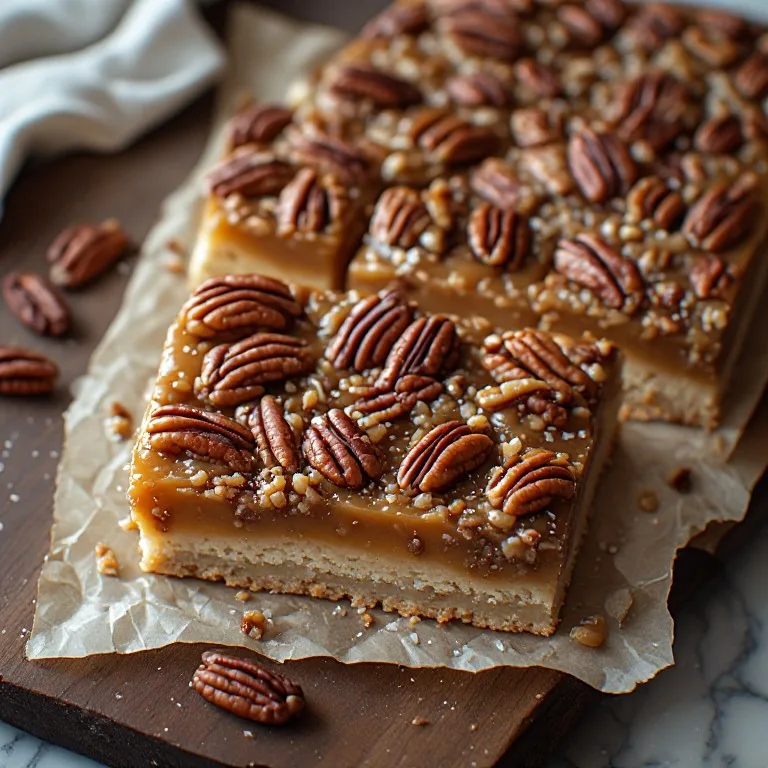
The dish earned its viral TikTok run because both components are beloved on their own and because the combination is more forgiving than either one made alone: the cheesecake base doesn’t need to look perfect, since the topping covers the surface; and the pecan pie filling doesn’t need to hold a pie-crust shell, since the cheesecake is the base it sits on. If you want the same flavors in a simpler form, the pecan pie bars skip the cheesecake and hold clean slices at room temperature.

Why room-temperature ingredients matter more here than in almost any other recipe

A cheesecake filling starts as a solid (cream cheese) being emulsified into a smooth, pourable liquid. If the cream cheese is cold, it doesn’t fully incorporate — you get a lumpy batter with cold pockets that never smooth out, even if you beat longer. The eggs and sour cream don’t blend evenly into cold cream cheese either, which produces pockets of unset filling after baking. This is the same dense, New York–style base used in the Cheesecake Factory original cheesecake — the topping is what sets this version apart.

Pull the cream cheese, eggs, and sour cream out 1 hour before mixing. If you’re in a hurry, cut the cream cheese into 1-inch cubes and let them sit at room temperature for 20 minutes — the increased surface area speeds warming. Don’t microwave cream cheese to speed the process; it warms unevenly and starts to melt the outer edges while the interior stays cold.

The water bath: why it prevents cracks and how to set it up without leaks

A cheesecake baked without a water bath is surrounded on all sides by dry oven air at 325°F. The edges of the filling, which are exposed to that heat most directly, set fast and firm — while the center is still liquid. As the center eventually sets, it contracts and pulls away from the already-rigid edges, producing cracks.

A water bath surrounds the sides of the pan with water at 212°F (the maximum temperature water can reach at sea level, regardless of oven temperature). This caps the temperature at the sides, slows the bake, and allows the edges and center to set at a much more even rate.

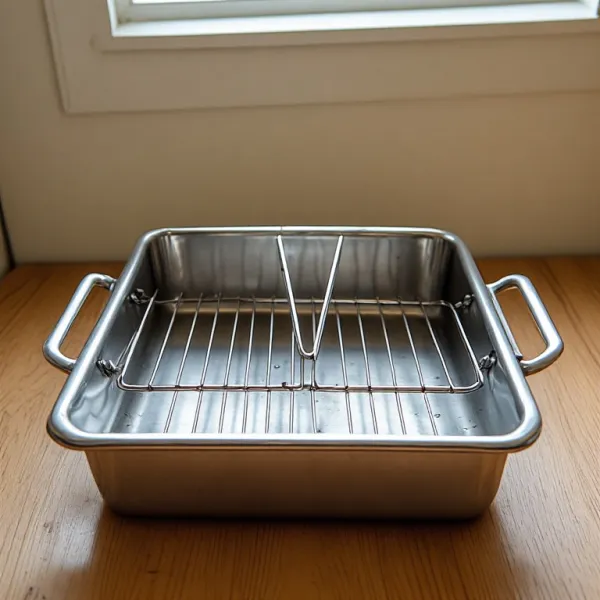
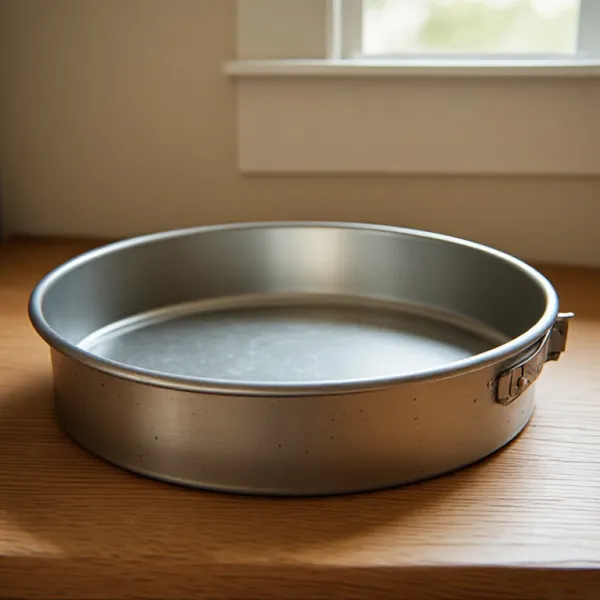
The leak risk is real — springform pans are not waterproof, and a wet crust ruins a cheesecake. The fix is two overlapping sheets of heavy-duty aluminum foil wrapped tightly around the outside of the pan, pressed firmly against the seam. Regular foil tears at the bottom seam; heavy-duty holds. An alternative that works even better: slip the springform into a large slow cooker liner bag (available at any grocery store), tie it loosely around the top, and place it in the roasting pan — the bag seals more completely than foil and eliminates leaks.

Making the pecan pie topping: temper the eggs or they scramble

The pecan pie topping is a stovetop pie filling: corn syrup and brown sugar cooked with butter, thickened with eggs. The egg-addition step is the one technique that matters. If you add cold eggs directly to the hot corn syrup mixture, they scramble on contact — you get a sweet eggy curd instead of a smooth glaze.

The fix is tempering: add 2 tablespoons of the hot mixture to the beaten eggs while whisking constantly, warming the eggs gradually. Then pour the warmed egg mixture back into the hot pan. The gradual temperature increase allows the eggs to emulsify into the mixture without cooking into solid pieces. Stir constantly over medium heat for 2 full minutes after adding the eggs — the mixture will noticeably thicken, shifting from thin and liquid to a texture that coats the spoon. This is what sets up as the glossy topping layer.

Timing the topping: cold cheesecake, warm (not hot) topping

The topping must go onto a cold cheesecake — refrigerator-cold, at least 4 hours after baking. A warm cheesecake has a soft, wet surface; the topping will sink partially into it instead of sitting as a defined layer on top.

After making the topping, let it cool for 10 minutes before pouring. The goal is warm and pourable, not hot. If it cools too much and starts to set in the pan, return it briefly to low heat while stirring. The window is generous: anywhere from 5 to 20 minutes off the heat is fine. Too hot and it warms the surface of the cheesecake; too cold and it sets before you can spread the pecans evenly.

Slicing cleanly through both layers

Run a sharp chef’s knife under the hottest tap water for 10 seconds, then dry it completely. Cut straight down in one smooth motion — don’t drag or saw. The hot blade melts slightly through the set pecan topping without dragging it sideways. Wipe the knife with a paper towel and reheat it between every cut. A cold knife drags the topping and smears the cross-section; the few seconds of rinsing between cuts is worth doing.
🥗

Make It Healthier

Love Pecan Pie Cheesecake but want a lighter version? Try these simple swaps:

  • ✓Use full-fat cream cheese and don't substitute with low-fat — the fat content is what gives the cheesecake its dense, sliceable texture. Low-fat cream cheese has more water and produces a grainy, wet filling that cracks more easily and doesn't hold clean slices.
  • ✓Toast the pecans for the crust and the topping before using them — 8 minutes at 350°F. Raw pecans taste flat against the richness of the cheesecake and corn syrup topping; toasted pecans have a deeper, buttery flavor that holds its own. Let them cool completely before adding to either component.
  • ✓Temper the eggs before adding them to the hot corn syrup mixture. Add 2 tablespoons of the hot corn syrup mixture to the beaten eggs while whisking constantly, then add the warmed egg mixture back to the pan. This prevents the eggs from scrambling and gives you a smooth, glossy topping instead of a lumpy one.
  • ✓Pull the cheesecake from the oven when the center still has a 2-inch jiggle — it will look underdone. The filling continues to set as it cools in the oven and then in the refrigerator. Pulling it too early and overbaking is the single most common cause of cracks; a slightly underbaked cheesecake always finishes setting properly during the chill.

Frequently Asked Questions

How do I make the viral TikTok pecan pie cheesecake without it cracking?

Four things prevent cracks: room-temperature ingredients, a water bath, not opening the oven during baking, and a slow cool. Room-temperature cream cheese and eggs beat smoothly with almost no air incorporated — cold cream cheese beats unevenly and traps air pockets that expand and crack. The water bath (a roasting pan filled with 1 inch of hot water, with the springform set in it) moderates the oven temperature around the cheesecake so the edges don't overcook before the center sets. Opening the oven door during baking drops the temperature suddenly and causes the partially-set filling to contract unevenly. The slow cool — oven off, door cracked open, cheesecake resting 1 hour — lets the cheesecake contract slowly so the surface doesn't pull away from the sides. Any minor surface crack is completely hidden under the pecan pie topping, so even an imperfect bake produces a visually flawless result.

Can I make a no-bake version of this pecan pie cheesecake?

Yes, with one significant difference in texture: a no-bake cheesecake is much lighter and mousselike, while the baked version is dense and sliceable. For no-bake: beat 16 oz room-temperature cream cheese with ¾ cup powdered sugar until smooth, then fold in 1½ cups heavy cream whipped to stiff peaks. Pour into the prepared crust and refrigerate at least 6 hours or overnight. Once fully set, pour the cooled (not cold) pecan pie topping over it and return to the refrigerator 30 minutes. The no-bake version works and has its fans — the lighter texture contrasts interestingly with the heavy topping — but it cannot match the dense, creamy bite of a properly baked New York–style base. The baked version is worth the extra step for a holiday centerpiece.

How do I keep the pecan pie topping from being too runny?

The topping sets as it cools. Immediately after pouring, it looks liquid; after 30 minutes in the refrigerator on a cold cheesecake, it sets to a glossy, slightly chewy layer. Three things cause a topping that stays runny: (1) The topping wasn't cooked quite long enough — cook it over medium heat, stirring constantly, for a full 2 minutes after adding the eggs until it has visibly thickened and coats the back of a spoon. (2) The cheesecake wasn't cold enough when you poured the topping — if the cheesecake is warm or room temperature, the topping spreads into the surface of the cheesecake rather than sitting on top of it. Always add the topping to a refrigerator-cold cheesecake. (3) The ratio of corn syrup to brown sugar is off — this recipe uses equal parts (½ cup each); more corn syrup and less brown sugar produces a softer set.

Why does my cheesecake sink in the middle?

A sunken center almost always means the filling was overbeaten and incorporated too much air. When a cream cheese filling with a lot of trapped air bakes, the air bubbles expand, cause the filling to puff up above the edges of the pan, and then collapse as the cheesecake cools — the result is a sunken middle and, often, cracks. Beat the cream cheese and sugar on medium speed, not high. Add the eggs one at a time on low speed, mixing only until each one disappears. Stop the mixer as soon as the filling is homogeneous. A properly mixed cheesecake filling should look dense and creamy, not light and fluffy.

How far ahead can I make pecan pie cheesecake?

The cheesecake base (without the pecan topping) can be made 2 to 3 days ahead — it actually improves on day 2 and day 3 as the flavor deepens and the texture firms. Store covered in the refrigerator. Add the pecan topping no more than 24 hours before serving; it can be added 30 minutes before serving and allowed to set briefly, but a several-hours set gives a neater slice. The fully assembled cheesecake keeps refrigerated for up to 5 days. For freezing: wrap individual slices in plastic wrap and freeze in a single layer, then transfer to a freezer bag. Thaw overnight in the refrigerator. The cheesecake layer freezes well; the pecan topping becomes slightly less glossy after freezing but is still good.

What's the difference between a regular cheesecake and this pecan pie version?

The cheesecake base in this recipe is a standard New York–style filling: cream cheese, sugar, eggs, sour cream, a small amount of flour (which stabilizes the filling and prevents cracking), and vanilla. What makes this version distinct is the pecan pie topping — a cooked mixture of corn syrup, brown sugar, butter, eggs, and pecan halves — that gets poured over the cold cheesecake as a separate layer. It's two distinct desserts, each made by its own method, assembled together. The pecan pie component is essentially a stovetop pie filling without the bottom crust; the cheesecake is the 'crust' it sits on.

Can I use a different crust for the pecan pie cheesecake?

Yes. The recipe uses a graham cracker–pecan crust, which adds nut flavor to every bite and connects the base to the topping. Alternatives that work well: an all-pecan crust (2 cups finely ground toasted pecans, 3 tbsp brown sugar, 4 tbsp melted butter — slightly more fragile but more intensely pecan-flavored); an Oreo crust (replacing the graham crackers with crushed Oreos, omitting the added sugar); or a plain graham cracker crust without the pecans for a more neutral base that lets the cream cheese flavor come forward. All three are pressed and baked at 325°F for 8 minutes. Avoid a pastry crust — it doesn't compress reliably in a springform pan and gets soggy under the cream cheese filling.

Love this recipe? Share it!

Free PDF: our 12 most-wanted copycat recipes — instant download.

Made it? Buy us a coffee

Every recipe here is free, with no paywalls. If this one was a hit at your table, a small tip keeps new copycats coming.

$

Ratings & Reviews

—
No ratings yet

Rate this recipe

Click a star to rate

Leave a Review

0/500

CS

Copycat Spices Editorial

Researched + fact-checked. Every recipe on Copycat Spices is built from published sources — official ingredient lists, brand-published recipes, interviews and food-science references — and fact-checked before it goes live, then written as clear, step-by-step instructions for home cooks of all skill levels.

Learn more about our mission →