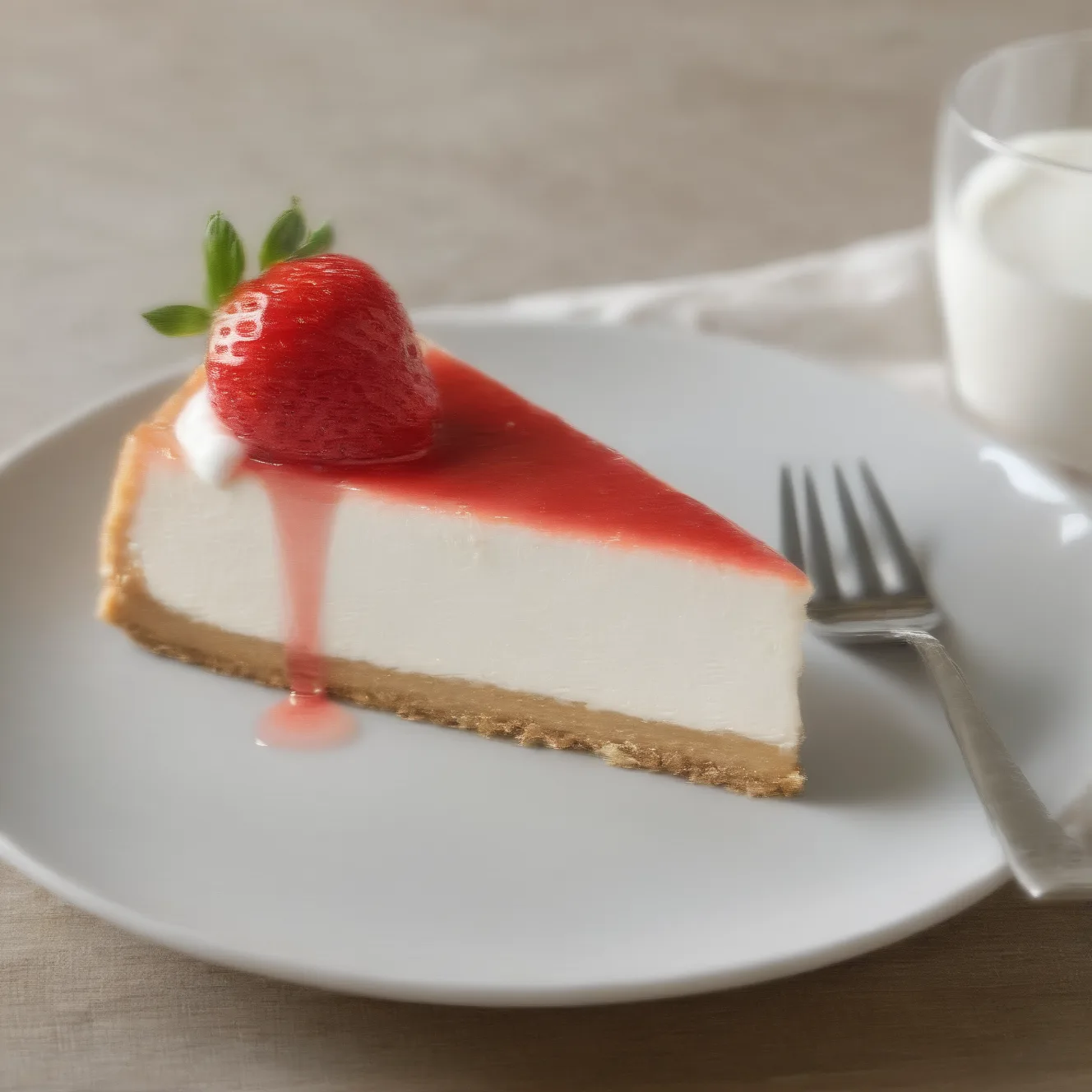
Pin It

Copycat Cheesecake Factory Original Cheesecake

Copycat Cheesecake Factory Original Cheesecake
Jump to Recipe
Prep 30 min Cook 70 min Serves 10
Quick answer: The Cheesecake Factory Original Cheesecake is a dense, New York-style cheesecake with three elements most home recipes miss: a sweeter-than-normal graham cracker crust (1/3 cup sugar, not 1 tablespoon), a full cup of sour cream in the filling for velvety tang, and a sweetened sour cream cap spread over the surface after baking and briefly returned to the oven, which gives the top its smooth, crack-free, faintly glossy finish. A 325°F water bath, eggs added one at a time on low speed, and a slow oven cool keep the surface intact. Chill overnight before slicing.

Copycat Cheesecake Factory Original Cheesecake

Make the Cheesecake Factory's classic Original Cheesecake at home — a dense, ultra-creamy New York-style cheesecake on a sweet graham cracker crust. No flour, water bath, overnight chill. Feeds 10 for the price of one restaurant slice.

Hard Prep: 30 min Cook: 70 min Total: 1h 40m10 servings ~$4.50/serving
Prep30 min
Cook70 min
Total1h 40m
Servings
10
At home~$4.50/serving
vs
Restaurant~$20.25/serving
You save ~78%

Ingredients

Instructions

💡
Pro tip: This recipe tastes even better the next day. The flavors need time to meld together in the fridge.
❄️
Storage: Keeps in an airtight container in the fridge for up to 2 weeks. Freezer-friendly for up to 3 months.
~350-550 cal/serving · Rich & Indulgent🔥

The Story Behind the Recipe

Copycat Cheesecake Factory Original Cheesecake

Prep time: 30 min Cook time: 70 min + overnight chill Servings: 10

The Cheesecake Factory’s Original Cheesecake is, by definition, the most important item on their menu. It is the product the restaurant was named for. More than 30 cheesecake flavors on the menu are built on this one base recipe, and the whole chain grew out of Evelyn Overton’s original cheesecake, made at home in the 1970s before her son opened the first restaurant in 1978.

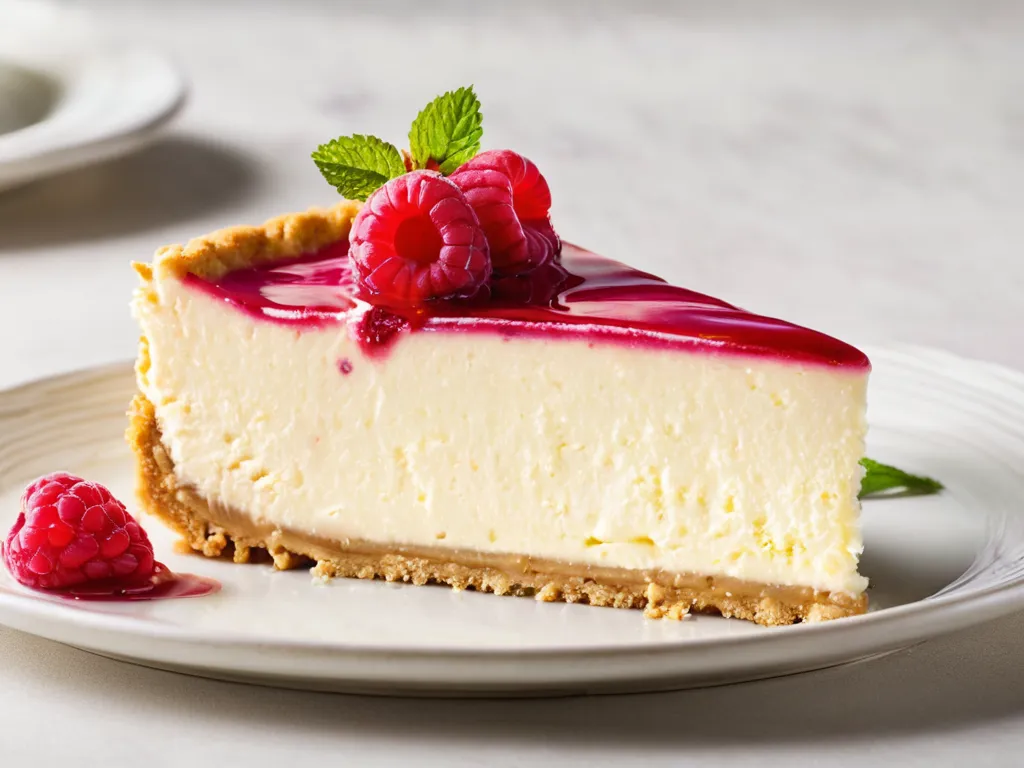
The Original is the plain one — no swirls, no chocolate, no candy bar on top. Just cheesecake on a graham cracker crust, served with a swirl of whipped cream. It sounds simple, but it is harder to nail than any of the flavored versions because there is nothing to hide behind. The texture, tang, and sweetness have to be exactly right.

This recipe replicates it with two key differences from most New York cheesecake recipes: no flour in the filling (which keeps the texture ultra-dense and creamy rather than cakey), and a full cup of sour cream (which is what gives Cheesecake Factory’s version its characteristic velvety tang). Everything else — four packages of full-fat cream cheese, the water bath, the slow oven cool, the overnight chill — follows the same logic as the restaurant’s version.

What Makes This Different from Every Other Cheesecake Recipe

Minimal starch, maximum cream cheese

Some restaurant-scale clone recipes add small amounts of flour and cornstarch to stabilize a very large fill (6 packages of cream cheese at the restaurant requires more structural support than a home-sized batch). For a 9-inch home cheesecake with 4 packages, skipping starch keeps the texture denser and creamier — starch prevents the proteins in the eggs and cream cheese from setting quite as tightly, which produces a cleaner slice but a slightly firmer, less indulgent texture. Without it, the cheesecake breaks apart almost reluctantly at the fork, in the way a great restaurant version does. The water bath and slow oven cool handle the cracking risk that starch would otherwise address.

A full cup of sour cream

Most recipes call for 1/4 cup. Some call for none. The Cheesecake Factory’s version uses a full cup. Sour cream does two things: its lactic acid adds a distinctive tangy counterpoint to the sweetness of the filling, and its fat content contributes to a silkier, more velvety texture than heavy cream alone would produce. This is why the Original Cheesecake has a clean, bright finish on the palate instead of being purely rich and sweet. The tang is not aggressive — you might not identify it as sour cream — but you notice when it is absent.

More sugar in the crust

Standard graham cracker crusts use 1 to 2 tablespoons of sugar. This recipe uses 1/3 cup. Cheesecake Factory’s crust has a distinctly sweet, almost dessert-in-itself quality that anchors the tangy filling. The extra sugar also caramelizes slightly during the pre-bake, deepening the flavor and creating a slightly sandy, crisp texture.

The sour cream cap

The detail budget copycat recipes skip and the best ones keep. After the cheesecake bakes, a thin layer of sweetened sour cream is spread over the surface and briefly returned to the oven for 5 minutes. This creates a smooth, lightly glossy cap that seals the top and adds a concentrated tangy-sweet layer you notice in every slice. It is what gives the finished cheesecake its clean white, crack-free surface, and it does double duty by covering any minor surface imperfections from the bake.

Cost Comparison: Home vs. Restaurant
Cheesecake FactoryHomemade (10 slices)
Per slice$10–12
Full cheesecake (10 slices)$100–120~$12–15
Per serving$10–12$1.20–1.50
Savings per slice~$9–10

The primary cost is four blocks of cream cheese ($8), a box of graham crackers ($3), and sour cream (~$2). The rest — butter, eggs, sugar, vanilla — are pantry staples. The total ingredient cost is about $14 for a cheesecake that serves 10, versus $100–120 if you bought every slice individually at the restaurant.

The Most Common Mistakes

Using cold cream cheese. This is the single most frequent cause of lumpy cheesecake. Cold cream cheese does not beat smooth no matter how long you run the mixer — it stays grainy and leaves pockets of unincorporated cheese in the batter. Set your cream cheese on the counter 2 full hours before baking.

Overmixing after the eggs go in. The cream cheese and sugar can be beaten at medium speed; once the eggs are added, you drop to low and stop as soon as each egg is incorporated. Overbeating after the eggs causes you to whip air into the batter, which expands during baking and then deflates, tearing the surface.

Pulling the cheesecake too early. The jiggle test makes people nervous — a cheesecake that still wobbles in the center looks underdone. It is correct. The center continues cooking from residual heat as it cools in the oven for that hour. Pull it at 60–70 minutes even if the center jiggles; it will set completely overnight in the refrigerator.

Rushing the chill. Freezing is not a shortcut. Cheesecake needs slow, cold refrigerator time to firm up correctly. The texture at 6 hours is acceptable but not ideal — the very center may still be slightly loose. Overnight (8–12 hours) produces a slice that holds its shape cleanly and has a fully integrated, balanced flavor.

Variations

Classic New York style: Add 2 tablespoons of all-purpose flour to the filling and use lemon zest (1 teaspoon) and lemon juice (1 teaspoon) in addition to the vanilla. The flour gives a slightly firmer texture and the lemon brightens the flavor — this is closer to a Junior’s-style NY cheesecake than the Cheesecake Factory version.

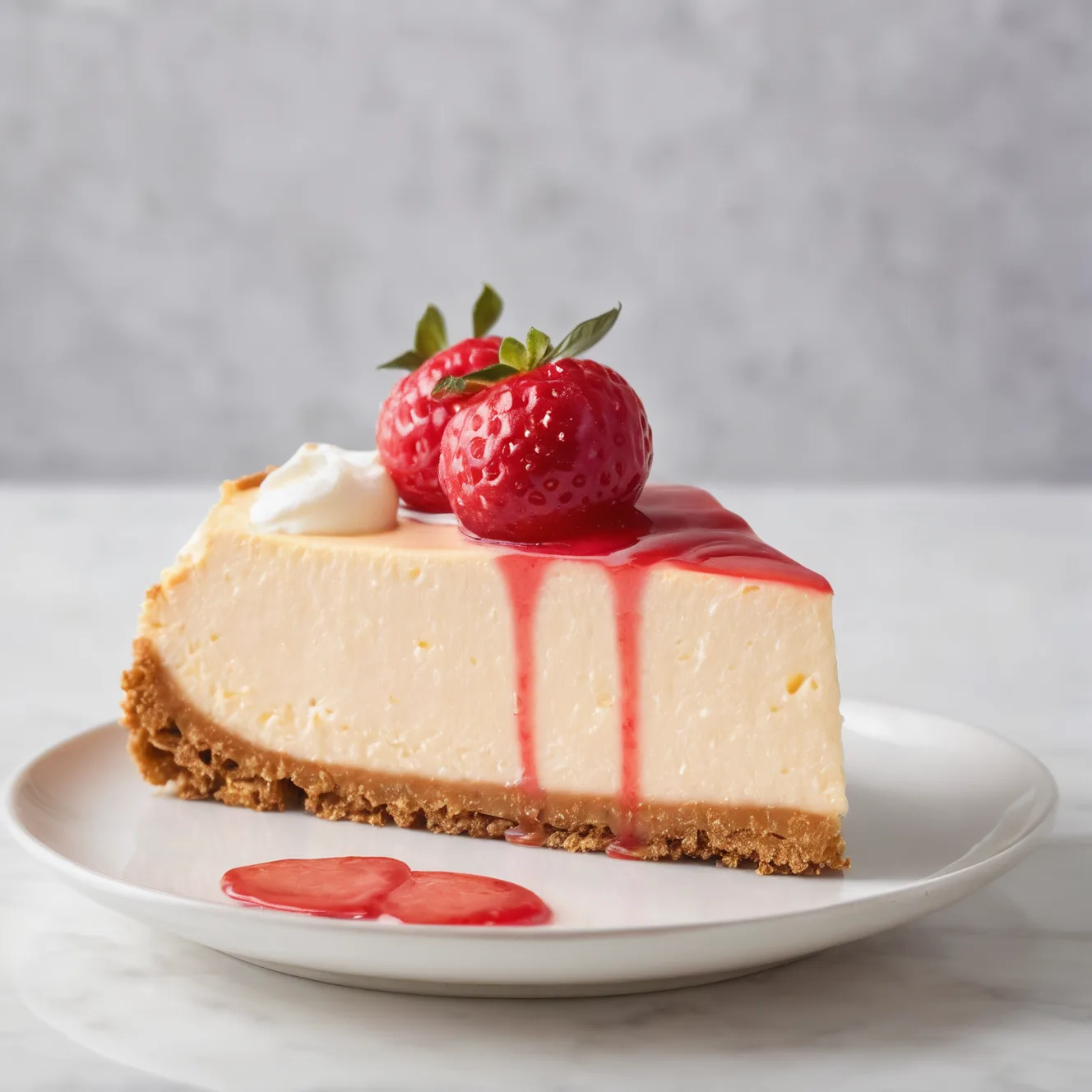
Strawberry topping: Simmer 2 cups fresh strawberries with 1/4 cup sugar and 1 tablespoon lemon juice for 10 minutes until the berries soften and the syrup thickens. Let cool completely before spooning over the chilled cheesecake. This is how the Cheesecake Factory serves their “Strawberry Cheesecake” variant.

Individual cheesecake cups: Press 2 tablespoons of crust mixture into the bottom of each well in a 12-cup muffin tin lined with parchment liners. Fill with 1/4 cup of batter per cup. Bake at 325°F for 20–22 minutes, no water bath needed. Cool in the oven, then refrigerate. No springform pan required.

Storage

Covered in the refrigerator: up to 5 days. The cheesecake is at its textural peak on days 2 and 3.

Frozen (individually wrapped slices or whole cheesecake): up to 2 months. Freeze uncovered until solid (about 30 minutes), then wrap tightly in plastic wrap and foil. Thaw overnight in the refrigerator.

Do not leave cheesecake at room temperature for more than 2 hours — cream cheese is a dairy product and will spoil.

More Cheesecake Factory Copycat Recipes

See all Cheesecake Factory copycat recipes →

Nutrition Facts

Per serving (10 servings)
Calories830
Total Fat59g
Total Carbs65g
Dietary Fiber0g
Sugars55g
Protein12g
Sodium490mg

* Estimated values based on standard recipe preparation. Actual values may vary.

🥗

Make It Healthier

Love Cheesecake Factory Original Cheesecake but want a lighter version? Try these simple swaps:

  • Reduce to 3/4 cup sugar in the filling — the cheesecake is still plenty sweet and the sour cream tang becomes more pronounced
  • Use Neufchâtel cheese (1/3 less fat) in place of regular cream cheese — the texture will be slightly softer but the flavor is nearly identical
  • Serve smaller slices (12 slices instead of 10) with fresh berries instead of whipped cream — saves roughly 80 calories per serving

Equipment You'll Need

9-inch springform pan

Removable sides let you release the cheesecake without inverting it — non-negotiable for cheesecake

Stand mixer or hand mixer

Beats cream cheese completely smooth, which a whisk or spatula cannot achieve

Large roasting pan

Holds the springform pan in the water bath for gentle, even heat

Heavy-duty aluminum foil

Waterproofs the springform pan; standard foil tears too easily — use heavy-duty

Frequently Asked Questions

What makes Cheesecake Factory cheesecake different from standard New York cheesecake?

Three things. First, no flour or cornstarch — most New York cheesecake recipes stabilize the batter with 2-3 tablespoons of flour; this recipe skips it entirely, which gives the interior a denser, creamier set rather than a firmer, cakey texture. Second, a full cup of sour cream versus the 1/4 cup used in most recipes — sour cream adds lactic acid tang and a velvety mouthfeel that plain heavy cream cannot replicate. Third, the crust has noticeably more sugar (1/3 cup) than typical recipes (1-2 tablespoons), making it sweeter and slightly sand-like in the best way. The result is a cheesecake that is simultaneously richer and tangier than the classic NY version.

Can I skip the water bath?

You can, but the risk of cracking increases dramatically. The water bath (bain-marie) works by surrounding the cheesecake with steam at 212°F while the oven is set to 325°F, creating a gentle, humid environment that cooks the cheesecake evenly from edge to center without overbaking the sides. Without it, the outer edges of the cheesecake set much faster than the center, creating tension in the batter that leads to surface cracks. If you skip the water bath, lower your oven to 300°F and place a separate pan of boiling water on the rack below the cheesecake to at least add humidity. Expect more cracks. Neither method affects flavor — cracked cheesecake tastes identical — but the presentation suffers.

Why did my cheesecake crack?

The four most common causes: (1) Overmixing after the eggs go in — mixing too vigorously incorporates air bubbles that expand in the oven and then deflate, tearing the surface. Use low speed and stop as soon as each egg is incorporated. (2) Opening the oven door during baking — the temperature drop causes the batter to contract unevenly. Keep the oven closed until the minimum bake time. (3) Cooling too fast — a rapid temperature change causes the center to sink and the surface to pull apart. Always cool in the turned-off oven for at least one hour before moving to the counter or fridge. (4) Water in the water bath leaked through the foil — this dilutes the crust and can cause steaming from below that bubbles up through the batter. Use two layers of heavy-duty foil and press it snugly around the outside of the springform pan.

How long do I need to refrigerate before slicing?

A minimum of 6 hours, but overnight (8-12 hours) is meaningfully better. Cheesecake continues to firm up as it chills. At 6 hours, the center may still be slightly soft and the flavors less developed. At 12 hours, the texture becomes fully dense and sliceable with clean edges, and the tang from the sour cream integrates more fully. If you need to serve the same day you bake, start early — bake in the morning, cool in the oven for 1 hour, refrigerate by noon, and serve at dinner.

How do I cut cheesecake cleanly?

Use a sharp thin-bladed knife (not a serrated bread knife) dipped in very hot water and wiped completely dry between every cut. The heat keeps the fat in the cream cheese pliable so the knife glides without dragging. Do NOT use a wet knife — water on the blade transfers to the cut surface and creates a soggy edge. Some bakers run the knife under hot water from the tap and shake off the excess; others keep a mug of very hot water nearby. For a 10-inch cheesecake, make a single cut straight through the center, then rotate the cheesecake and repeat, working around the clock rather than sawing back and forth.

Can I freeze cheesecake?

Yes — cheesecake freezes very well. After it is fully chilled and set, place uncovered slices or the whole cheesecake in the freezer for about 30 minutes until the surface is firm, then wrap tightly in plastic wrap followed by aluminum foil. Freeze for up to 2 months. Thaw overnight in the refrigerator — never at room temperature, which creates condensation that makes the surface wet and slightly grainy. The texture after thawing is indistinguishable from fresh for the first 4-6 weeks. Beyond that, some ice crystals can form that slightly affect creaminess.

Can I make this without a springform pan?

A springform pan is strongly recommended — it lets you remove the sides without inverting the cheesecake, which would ruin the crust. In a pinch, a 9-inch cake pan lined with parchment can work if you chill the cheesecake very thoroughly (12+ hours) and invert it carefully onto a plate before reinverting it onto a serving platter. The presentation will be less perfect and the crust may not survive intact. A springform pan is a one-time $15-20 purchase that pays for itself the first time you make cheesecake.

Love this recipe? Share it!

Shop the tools

Gear matched to this recipe's equipment list. We may earn a small commission if you buy through these links — at no extra cost to you.

As an Amazon Associate, Copycat Spices earns from qualifying purchases.

Free PDF: our 12 most-wanted copycat recipes — instant download.

Ratings & Reviews

No ratings yet

Rate this recipe

Click a star to rate

Leave a Review

0/500

CS

Copycat Spices Test Kitchen

Every recipe on Copycat Spices is developed and tested in our home test kitchen. We reverse-engineer beloved restaurant dishes and refine each one until the flavors and the instructions work reliably for home cooks of all skill levels.

Learn more about our mission →