

Why This Went Viral
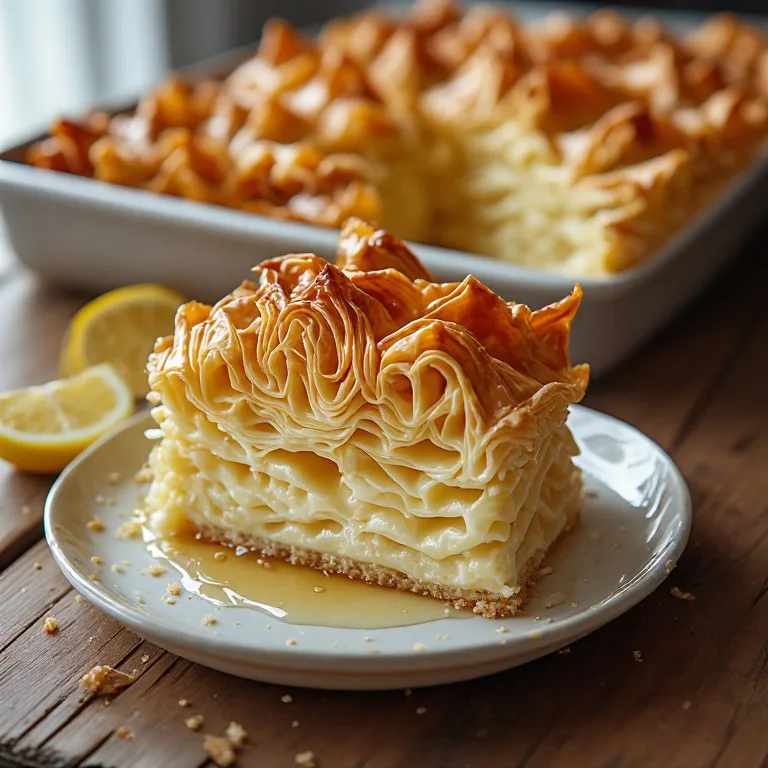
The phyllo crinkle cake followed the same viral logic as the best TikTok food content: the process is as watchable as the result. Creator @ramenasaidwow posted what became the original viral video, and the specific sequence — the slow accordion scrunch, the butter drizzle into golden folds, the liquid custard poured over the crisped surface, the sizzling syrup pour — hit every ASMR note that FoodTok rewards.
The appeal for home cooks is real, not just aesthetic. Traditional phyllo desserts like baklava require carefully brushing melted butter between 20 to 40 individual sheets — meticulous, time-consuming, and something most people do once and never repeat. The crinkle cake collapses that into pure texture: grab two sheets, scrunch, place, repeat. No brushing. No layering. No technique to learn. The result looks like a pastry-shop showpiece.
The syrup sizzle at the end — hot simple syrup hitting the surface of a 350°F cake fresh from the oven — is the video’s money shot. In a real sense, that moment is why this recipe exists: it answers the question every viewer asks before they’ve even seen the technique.
The Three-Bake Method
Most online versions explain what to do but not why the three-stage bake is necessary. Here’s the actual food science.
Stage one (dry crinkle, 10 minutes): Raw phyllo is thin, moist, and pliable. If you pour butter directly onto raw crinkled sheets, they unfurl and flatten under the weight of the liquid. The dry bake dehydrates the phyllo slightly and sets the gluten structure in the folds so they hold their accordion shape. Think of it as pre-setting the architecture.
Stage two (buttered crinkle, 10 minutes): Now the butter goes on and the phyllo fries from within. The fat penetrates the already-set folds and begins the Maillard browning that produces the deep flavor. This stage also seals the surface of each fold, which matters for the next stage.
Stage three (custard bake, 30–35 minutes): The custard pours onto warm, already-crisped phyllo. The set folds resist flattening. The custard seeps into the gaps between folds rather than collapsing them — you get custard pockets in the interior while the outer surfaces remain crisp. If you poured custard onto raw phyllo, the liquid weight would collapse the crinkles before they had a chance to bake into shape.
Phyllo Tips That Actually Matter
Keep it covered. Phyllo dries out fast — in under 2 minutes without covering, sheets at the edges of the stack start cracking. A barely-damp kitchen towel laid over the stack isn’t optional advice.
Thaw overnight in the fridge. Phyllo thawed on the counter gets condensation between sheets, making them stick and tear. The refrigerator thaw is slow enough to defrost without adding surface moisture. Once thawed, use it within 3 days.
Tears don’t matter. This is not baklava, where a tear creates a structural gap in a layered sheet. You’re scrunching the dough into a mass — small tears disappear into the crinkle. Use the torn sheets without anxiety.
Work in twos. Two sheets at a time is the sweet spot — more than two makes the accordion folds too stiff to crinkle easily; one sheet alone tears under its own weight as you handle it.
The Simple Syrup: Why Hot on Hot
The simple syrup must be hot when it hits the hot cake. This is not optional.
Phyllo absorbs liquid best when both the dough and the liquid are warm. The pores in the baked phyllo are open while the cake is hot — once it cools, the structure tightens and syrup sits on the surface rather than soaking through. The lemon juice in the syrup serves two purposes: flavor and chemistry. The acid slows sugar crystallization, keeping the syrup liquid and pourable longer as it cools, and adds a subtle brightness that keeps the sweetness from being cloying.
The sizzle you hear when syrup hits the cake is steam — the moisture from the syrup briefly flashes against the hot pan. This is the moment of maximum absorption. Pour slowly, in a thin stream, and move around the pan rather than dumping it all in the center.
Flavor Variations That Work
Rose and pistachio: Add 1 tablespoon rose water to the simple syrup and scatter ¼ cup crushed pistachios over the cake before the final syrup pour. This is the most common Lebanese-style variation and arguably the most elegant.
Cardamom and walnut: Add ½ teaspoon ground cardamom to the custard and use walnuts as the nut. This is the version most common across Middle Eastern bakeries and the one that most closely resembles the flavor profile of baklava.
Apple fall version: Arrange thin apple slices (from 1 large apple, sliced about 1/16-inch thick on a mandoline) into the folds after the butter stage and before the custard pour. Add ½ teaspoon cinnamon and ¼ teaspoon nutmeg to the custard; add 2 cinnamon sticks to the simple syrup. The apples bake into the crinkles and contribute tartness that cuts the sweetness.
Orange blossom: Replace the lemon juice in the syrup with 1 tablespoon orange blossom water and the zest of one orange in the custard. Pairs well with dark honey drizzled on top after the syrup soak.
Storage
The crinkle cake keeps at room temperature for 2 days. Cover it loosely — tight wrapping traps condensation, which softens the phyllo. The folds won’t be as crisp on day two but the flavor actually deepens as the syrup redistributes fully through the crinkles.
Refrigeration accelerates the loss of crispness and isn’t recommended unless your kitchen is very warm. If you refrigerate it, bring it fully to room temperature before serving.
Reheat individual slices in a 300°F oven for 8–10 minutes, uncovered, to partially restore crispness.
More Desserts Worth the Effort
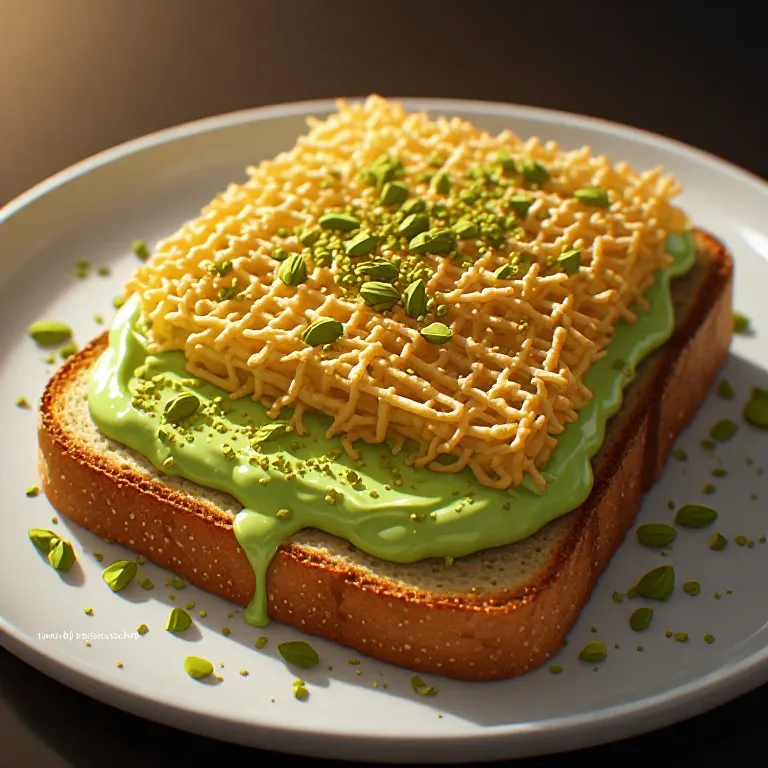
- Viral TikTok Dubai knafeh toast — the same shredded-phyllo-and-pistachio idea, built on toast as a breakfast
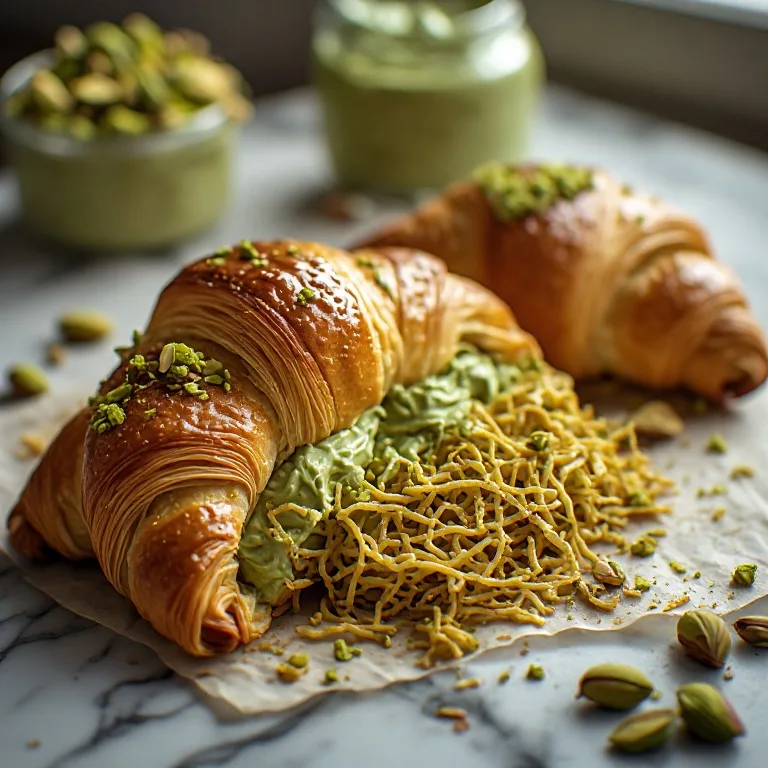
- Viral TikTok pistachio kunafa croissant — crisped kataifi and pistachio cream folded into a croissant
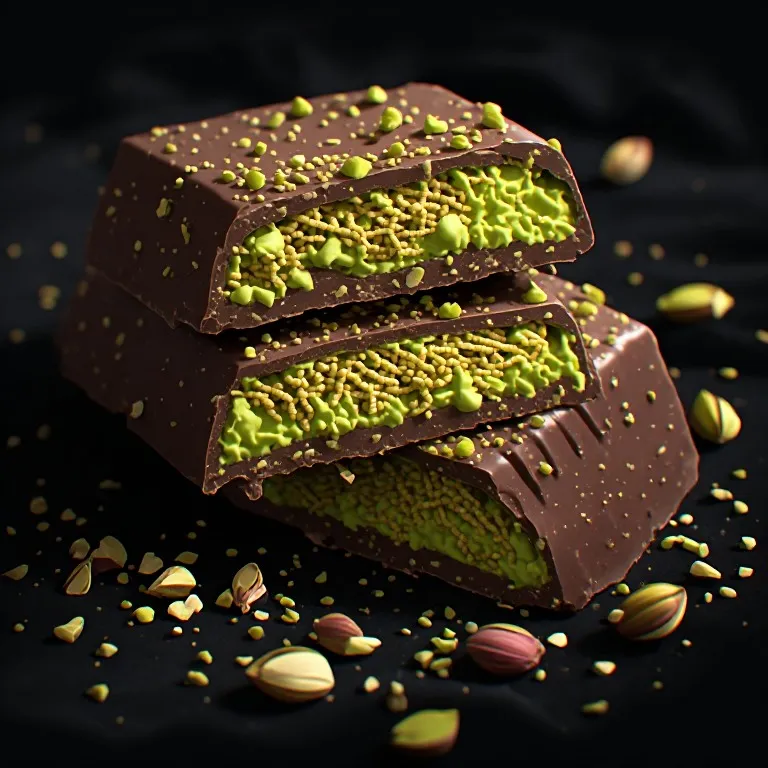
- Viral TikTok Dubai chocolate bar — the pistachio-kunafa chocolate that broke dessert TikTok first
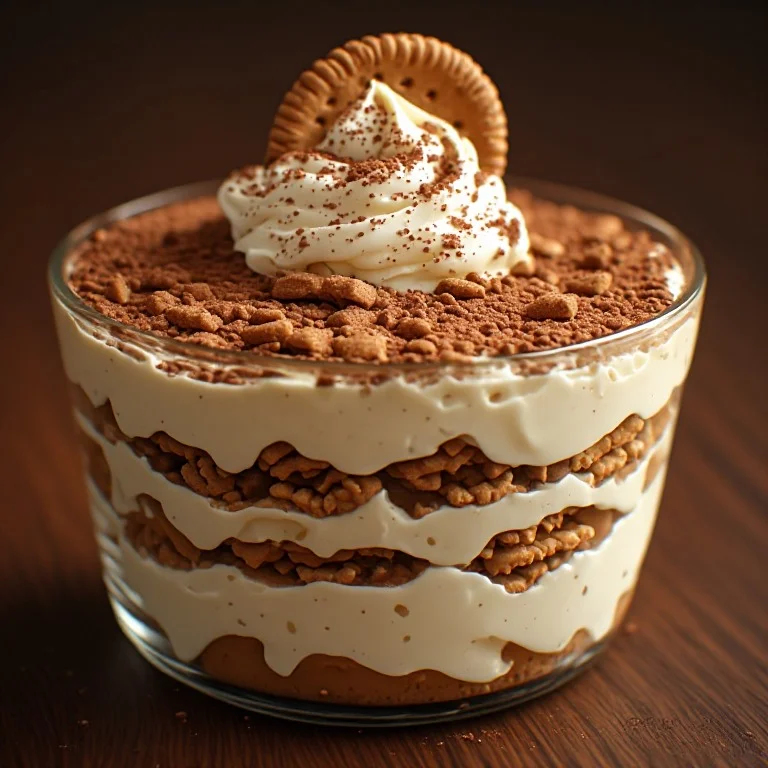
- Viral TikTok tres leches cake — the same soak-everything-in-liquid principle, Latin style