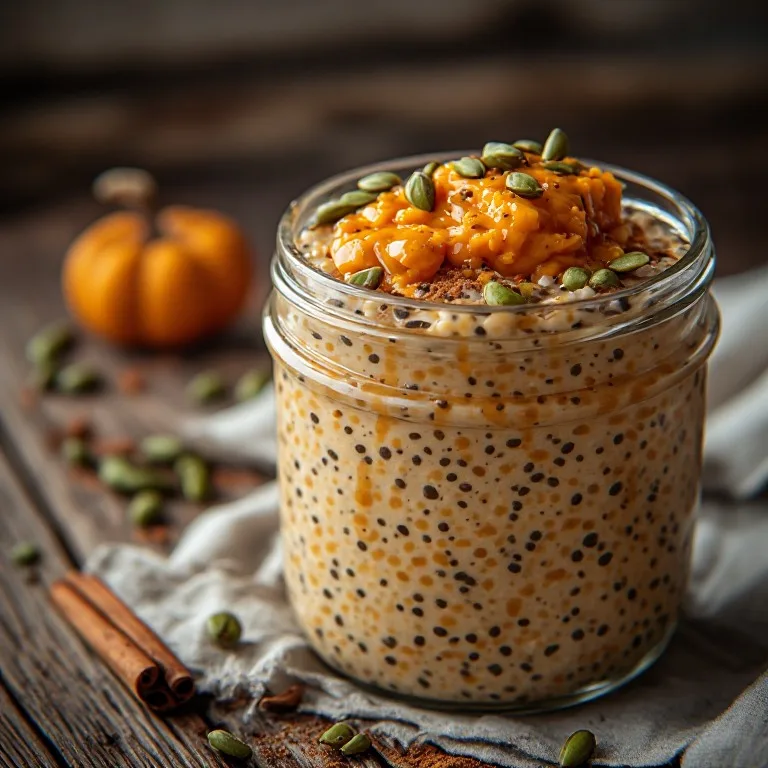


September arrives and every TikTok food account starts posting jars of orange-tinted overnight oats with pepita-studded tops. The concept is sound: pumpkin belongs in overnight oats. The execution varies wildly — and most home versions land either soupy or gummy, with flat spice flavor that tastes nothing like actual pumpkin pie.
Three specific problems account for almost every failed batch. Fix them and pumpkin overnight oats becomes one of the best meal-prep breakfasts in the fall rotation.
The Three Mistakes That Kill Pumpkin Overnight Oats
Mistake 1: Too much liquid. Overnight oats are forgiving, but pumpkin puree adds roughly 1 tablespoon of additional moisture per 3 tablespoons used. If you don’t account for this and use the same milk ratio you’d use for a plain overnight oats base, the result is thin and disappointing. The recipe above uses ½ cup milk + ¼ cup Greek yogurt for ½ cup oats — this ratio, with the pumpkin’s natural moisture, lands at the right creamy-not-soupy consistency after 8 hours.
Mistake 2: Too much pumpkin. A quarter cup to a half cup of pumpkin puree for half a cup of oats is a common ratio in viral recipes. At those amounts, the pumpkin starches crowd out the oat starches and the texture becomes dense, gummy, and oddly heavy — more like eating a pumpkin mousse than overnight oats. Three tablespoons (about 50 grams) is where the pumpkin flavor reads clearly without dragging the texture in the wrong direction.
Mistake 3: Dry spices in cold liquid. Cinnamon, ginger, nutmeg, and clove are all fat-soluble aromatic compounds. Cold milk is mostly water. Stirring dry spices into cold liquid doesn’t properly disperse them — you get uneven pockets of spice and a flat overall flavor. The fix takes 25 seconds: stir the spices into warm maple syrup (15 seconds in the microwave), let it bloom, then add the warm spiced syrup to the cold mixture. The difference in depth is real and immediate.
The Spice Blooming Step, Explained
This comes from basic cooking chemistry. Ground pumpkin-pie spices carry their aroma in volatile, largely fat-soluble oils that stay locked and unevenly dispersed when you stir dry powder straight into cold liquid. A short hit of gentle heat releases those aromatic oils and lets the warm syrup carry them evenly through the mix — the syrup turns darker and the scent intensifies, and you can smell the difference before you’ve added anything else. Want to push it further? Warm the spice in the tablespoon of nut butter from the topping options instead of the syrup — the fat is an even better carrier for those aromatic compounds.
The same principle drives why good chai starts with spices toasted in a dry pan, why Indian cooking blooms whole spices in hot oil before adding anything liquid, and why baking recipes that call for cinnamon usually have you cream it with butter or oil rather than stir it straight into a water-based mixture. Applied to fall overnight oats, it’s the fastest technique upgrade you can make.
What Rolled Oats Do Overnight
Old-fashioned rolled oats start as whole oat groats that have been steamed and flattened. That cooking and flattening breaks down the cell walls enough that cold liquid can finish the job given time. Over 6–8 hours in the refrigerator, the oats absorb the milk and yogurt, swell slightly, and soften from the outside in while maintaining a slight chew at the center. This is the texture people mean when they say overnight oats are “creamy but not mushy.”
Instant oats skip the chew because they’re pre-cooked further and rolled thinner — they’re fully saturated in under 30 minutes and turn to starch paste by morning. Steel-cut oats do the opposite — they’re barely processed and need sustained heat (simmered for 20–40 minutes) to soften; cold water overnight does almost nothing. Only old-fashioned rolled oats hit the overnight window correctly.
Building the Toppings Right
The visual that gets this recipe shared — the orange swirl on top, the pepitas, the maple drizzle — also adds texture and flavor contrast. Here’s how to make each element work:
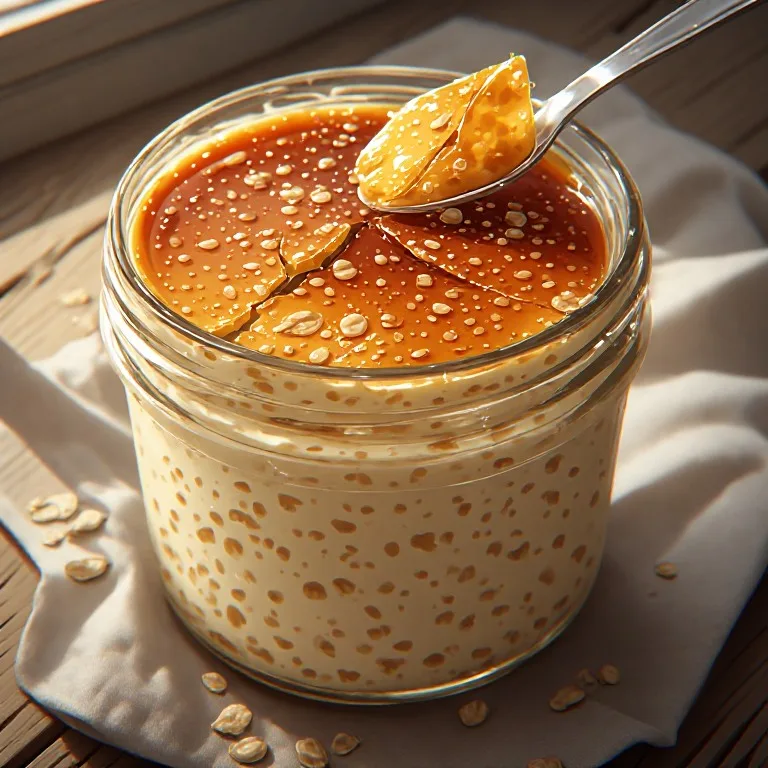
Extra pumpkin puree on top. Use just 2 teaspoons, spread or swirled over the surface. This is pure decoration and a flavor signal — it tells you what’s in the jar before you take a bite, and TikTok loves the orange-on-cream color contrast. Don’t add more than this; a thick layer of plain pumpkin puree on top is unpleasant to eat without incorporating it.
Pepitas. Roasted, lightly salted pepitas add a crunch that you don’t have anywhere else in the jar. Add them immediately before eating — they go soggy in under 10 minutes on cold oats. If you’re meal-prepping multiple jars and want the crunch ready to go, keep a small container of pepitas on the counter and add at the last minute.
Maple drizzle. A thin drizzle (1 teaspoon) over the top adds a visible shine and a hit of sweetness on the first spoonful. Because the oat base is already sweetened, this is finish, not flavor backbone.
Cinnamon dusting. A light dusting of cinnamon or pumpkin pie spice on top is a visual marker and a tiny aromatic hit before the first bite. It disappears once you stir, but that first moment of opening the jar matters for the experience.
Make-Ahead for the Week
One of the genuinely useful qualities of this recipe: it improves over time. Day 1 (same morning you make it) is good. Day 2 is noticeably better — the flavors have had more time to integrate and the chia seeds have fully thickened the base. Day 3 is the peak. Days 4 and 5 are still good.
Make five jars on Sunday. Label them with masking tape if you want to vary the protein or spice levels between jars. Keep lids on tight. Each morning, stir, add the toppings fresh, and you have a complete breakfast without any active cooking.
The only thing that doesn’t travel overnight: the pepita crunch. Add those fresh each morning. Everything else — including the pumpkin swirl on top if you want to prep it — holds fine for 5 days.
Warm vs. Cold
Cold is the standard fall experience. The pumpkin pie spice aroma comes through cleanly when cold, and the creamy texture contrasts pleasantly with the cool morning air. But warm pumpkin overnight oats in October is also legitimately good — it tastes like a fast, no-cook pumpkin oatmeal. Microwave for 90 seconds, stir once halfway, add a splash of milk, and top as usual. The texture shifts from cold-creamy to warm-porridge. Both work; which you prefer depends on your morning.
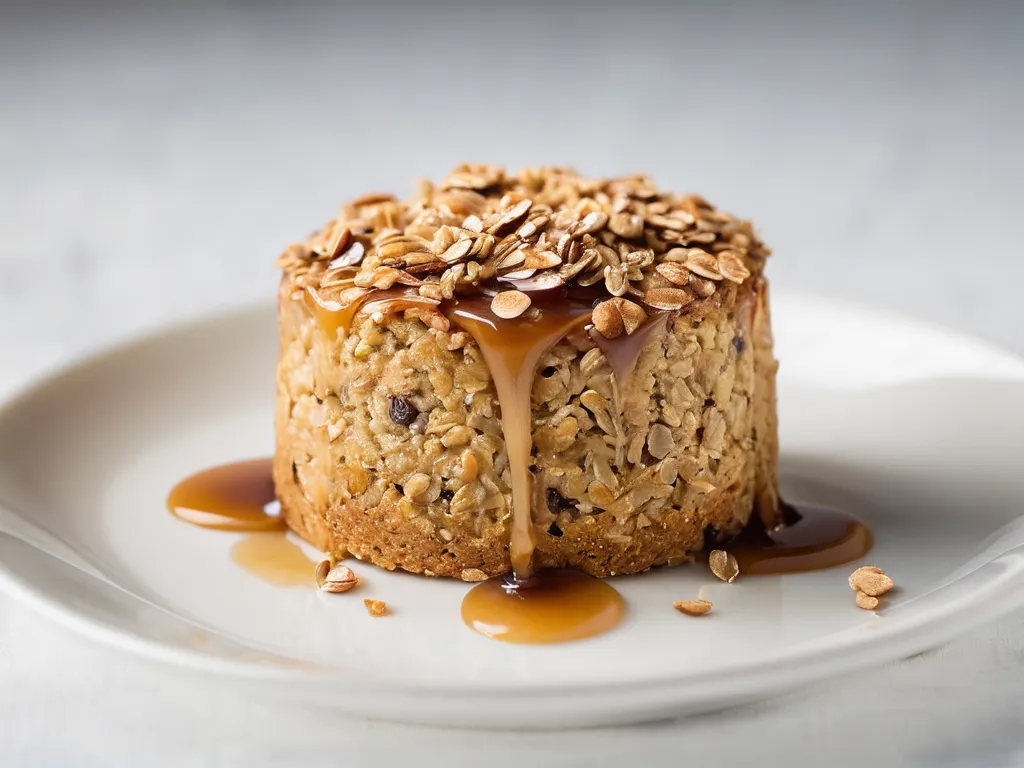
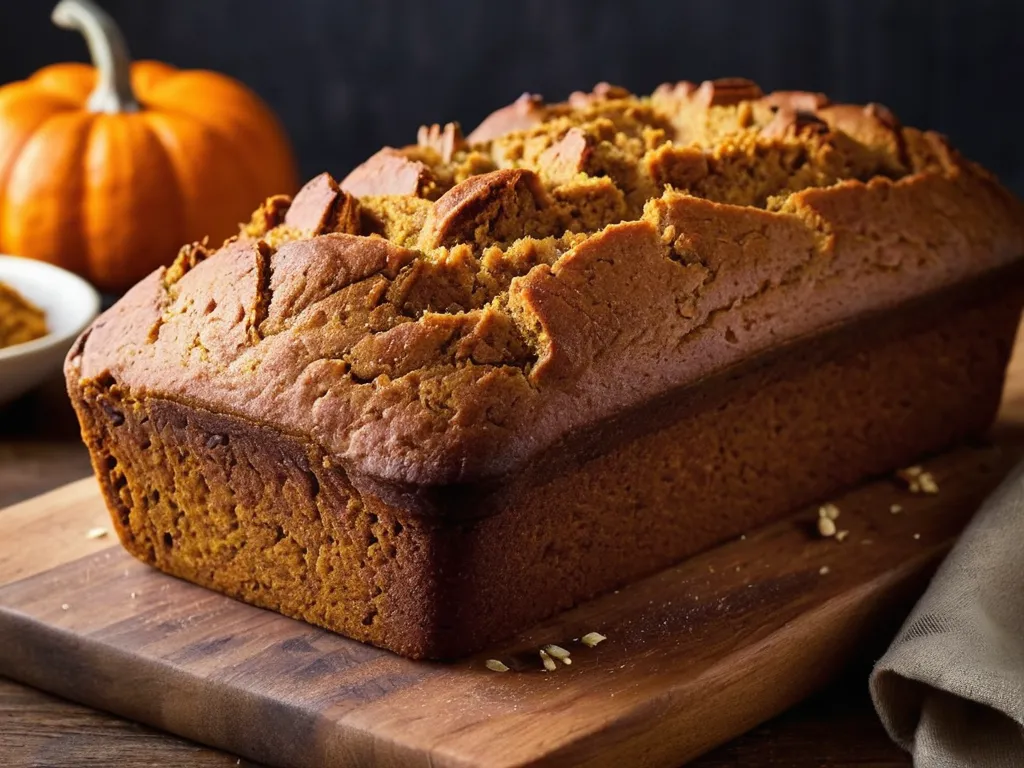
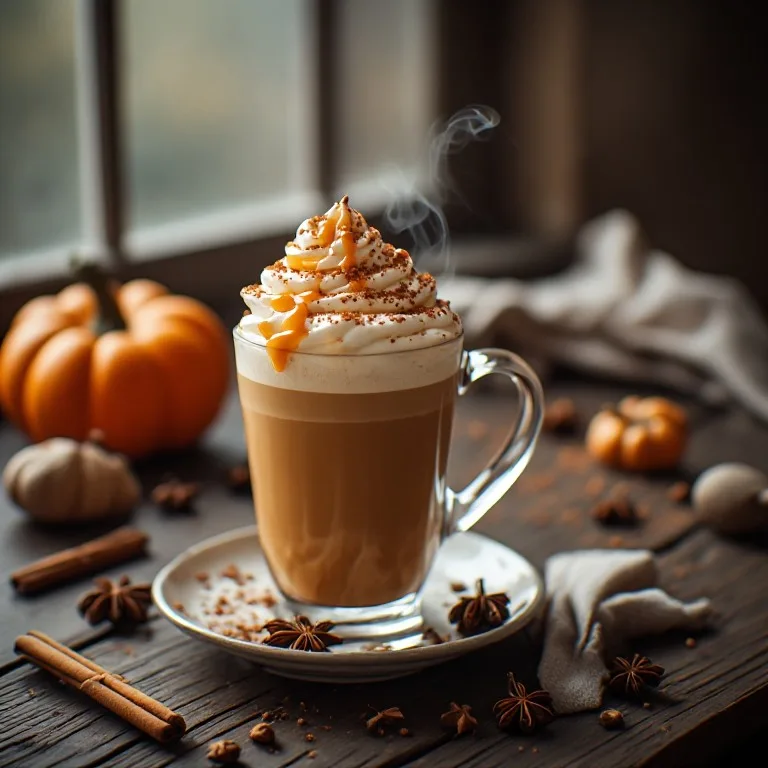
For more fall breakfast ideas: the viral TikTok baked oats take the same rolled oats and transform them into something that eats like cake. For pumpkin in other formats, pumpkin bread and pumpkin spice latte cover the rest of the season’s most-searched recipes.