
The TikTok Pumpkin Pasta You’ve Been Seeing Everywhere
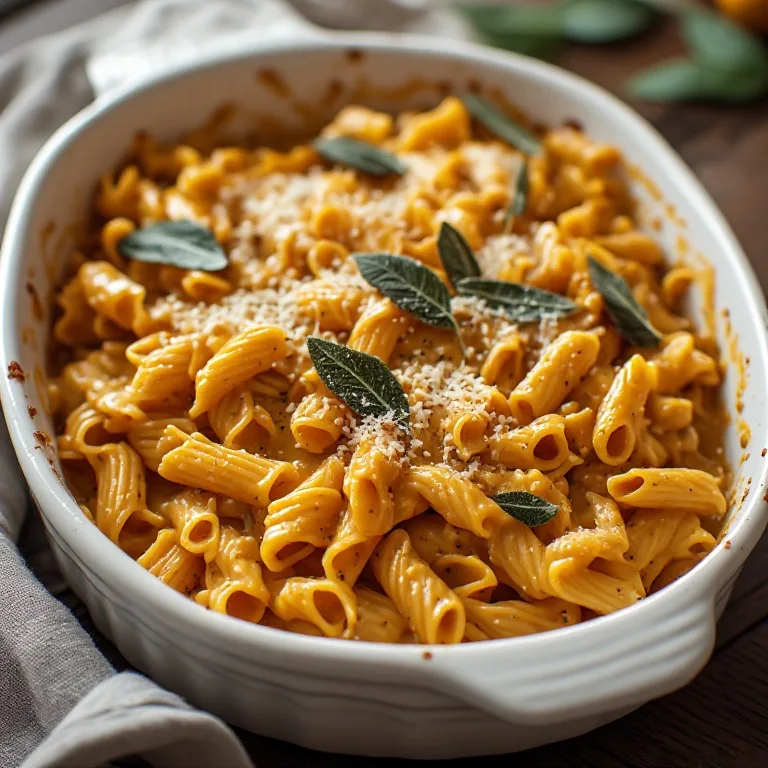
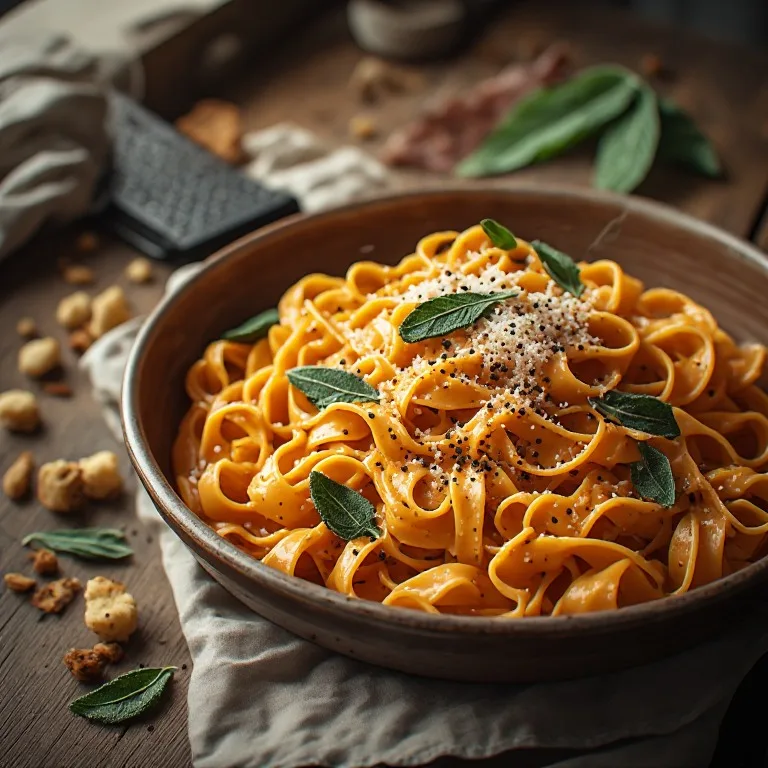
Every September, the same recipe takes over #FoodTok: a creamy, silky pasta with a sauce the color of autumn that comes together in under 25 minutes. It sounds like it should be sweet. It isn’t. Done correctly, this is one of the most satisfying fall weeknight meals in the pasta genre — savory, earthy, slightly nutty from brown butter, with a faint warmth from nutmeg and red pepper.
The TikTok angle is this: the sauce base is a single can of pumpkin puree that costs $1.50. Combined with brown butter, garlic, Parmesan, and pasta water, it becomes something that looks like it required effort.
What this is not: pumpkin pie pasta. The single most important instruction in this recipe is on the label of the can. Pumpkin puree — plain, unsweetened, nothing added — is the ingredient. Pumpkin pie filling, which is loaded with sugar and pre-mixed spices, will ruin the dish. Read the label before you start.
Why Brown Butter Changes Everything
You could make this with regular melted butter. The result would be perfectly edible but missing the defining character of the dish. Brown butter (beurre noisette, if you want the French name for it) happens when the milk solids in butter undergo the Maillard reaction — the same chemical process behind searing meat, toasting bread, or caramelizing onions. The transformation takes about 3–4 minutes over medium heat and produces a sauce base that tastes like hazelnuts, caramel, and something faintly smoky.
Pumpkin is mild and slightly sweet on its own. It needs that depth. The combination of brown butter + nutmeg + Parmesan is essentially the Italian canonical treatment for squash — this is why butternut squash ravioli with sage brown butter has been on restaurant menus for decades. TikTok didn’t invent the flavor profile; it made it accessible in a one-pan weeknight format.
The One Rule: Don’t Overcook the Brown Butter
Brown butter goes from deep amber to acrid black in under 30 seconds. Once it burns, there’s no recovering it — discard and start over.
The process: butter melts → foams → foam subsides → milk solids settle and turn golden → smell like toasted hazelnuts. That last stage is when you add the sage. The pan retains heat after you remove it from the burner, so pull it off at deep amber, not medium amber — carry-over heat will finish it.
Use medium heat, not medium-high. Stir constantly once the foam begins to subside. Stay in the kitchen.
The Four Failure Modes
1. Wrong can. Pumpkin pie filling instead of pumpkin puree produces a sweet, spiced sauce that belongs on a dessert table. Check the label: it should say “100% pure pumpkin” or “pumpkin puree.” Nothing else.
2. Burnt brown butter. See above. The fix is to start over — there is no salvaging black butter. Use medium heat.
3. Gluey sauce. Pumpkin starch tightens fast, especially as the sauce cools. Keep a full cup of reserved pasta water nearby and add it gradually while tossing. The pasta water’s dissolved starch helps emulsify the sauce from within; plain tap water does not do the same thing.
4. Underseasoning. Pumpkin is bland on its own. This sauce needs salt, nutmeg, and Parmesan at levels that may feel aggressive. Taste as you go. If the sauce tastes flat, add salt before reaching for more nutmeg or spice.
The Cream vs. Pasta Water Question
Most TikTok versions use heavy cream. It produces a richer, more restaurant-like result. The pasta water version — which swaps in 1/2 to 3/4 cup of starchy cooking water instead — is lighter and more weeknight-practical. It’s also genuinely good: the pasta starch creates an emulsified sauce that coats differently than cream, almost like how a cacio e pepe sauce clings.
The lighter version drops the calorie count by about 130 per serving and cuts the fat nearly in half. If you’ve never tried pumpkin pasta made without cream, test it on a night when you’re curious — it may become your default.
Crispy Sage: The Part You Can’t Skip
The fried sage leaves aren’t a garnish; they’re a structural component. Fresh sage is piney and slightly bitter. Fried in brown butter for 15–20 seconds, it becomes papery-crisp, with an intensified herbaceous flavor and zero bitterness. The contrast between the silky sauce and the shatter of a sage leaf in each bite is what makes this dish feel composed rather than thrown together.
Don’t overcrowd the pan when frying sage — each leaf needs to lie flat. Work in batches if necessary. They fry fast and keep for hours on a paper towel at room temperature, so you can fry them before you do anything else in the recipe.
Variations Worth Making
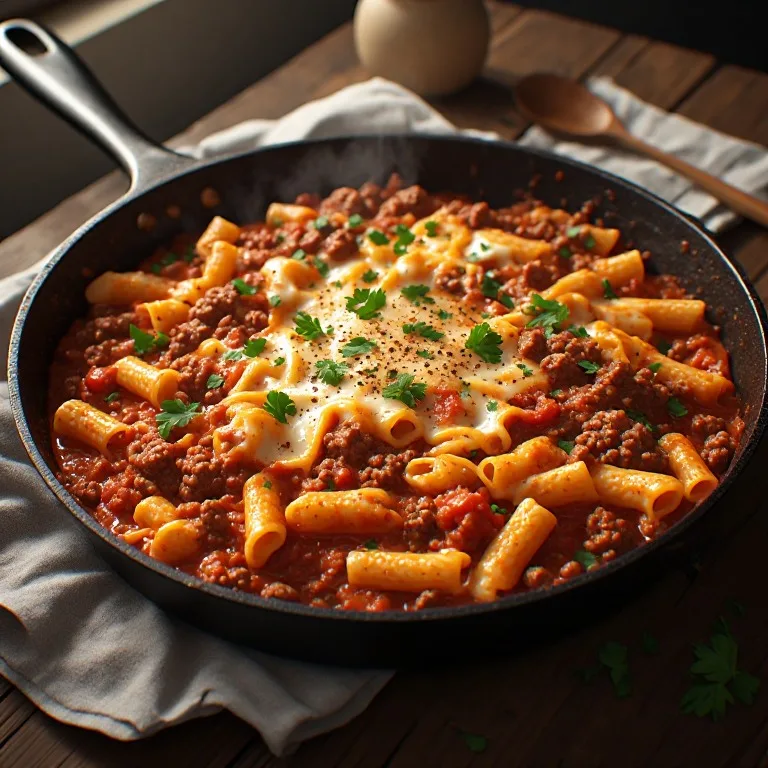
Italian sausage pumpkin pasta. Brown 8 oz of casings-removed Italian sausage (sweet or hot) in the skillet before browning the butter. Set aside, cook the sauce, then crumble the sausage back in with the pasta. This is the crowd-pleaser version.
Roasted butternut squash. Cube 1.5 lbs butternut squash, roast at 400°F with olive oil and salt for 30–35 minutes until caramelized, blend smooth with pasta water. Use in place of canned pumpkin. More complex flavor, 40 more minutes of total time.
Spicy pumpkin pasta. Add 1/4 teaspoon smoked paprika + an extra 1/4 teaspoon red pepper flakes to the sauce. Top with chili crisp instead of fried sage. Bolder, slightly smoky.
Vegan version. Use vegan butter, skip the Parmesan (sub 2 tablespoons nutritional yeast + 1 teaspoon white miso stirred in at the end), and use full-fat coconut cream in place of heavy cream. The coconut cream adds a faint sweetness that works well with pumpkin.
Pumpkin pasta with white beans. Add one rinsed, drained can of cannellini beans to the sauce during the simmer step. They absorb the pumpkin flavor and add creaminess from within. Excellent vegetarian protein addition.