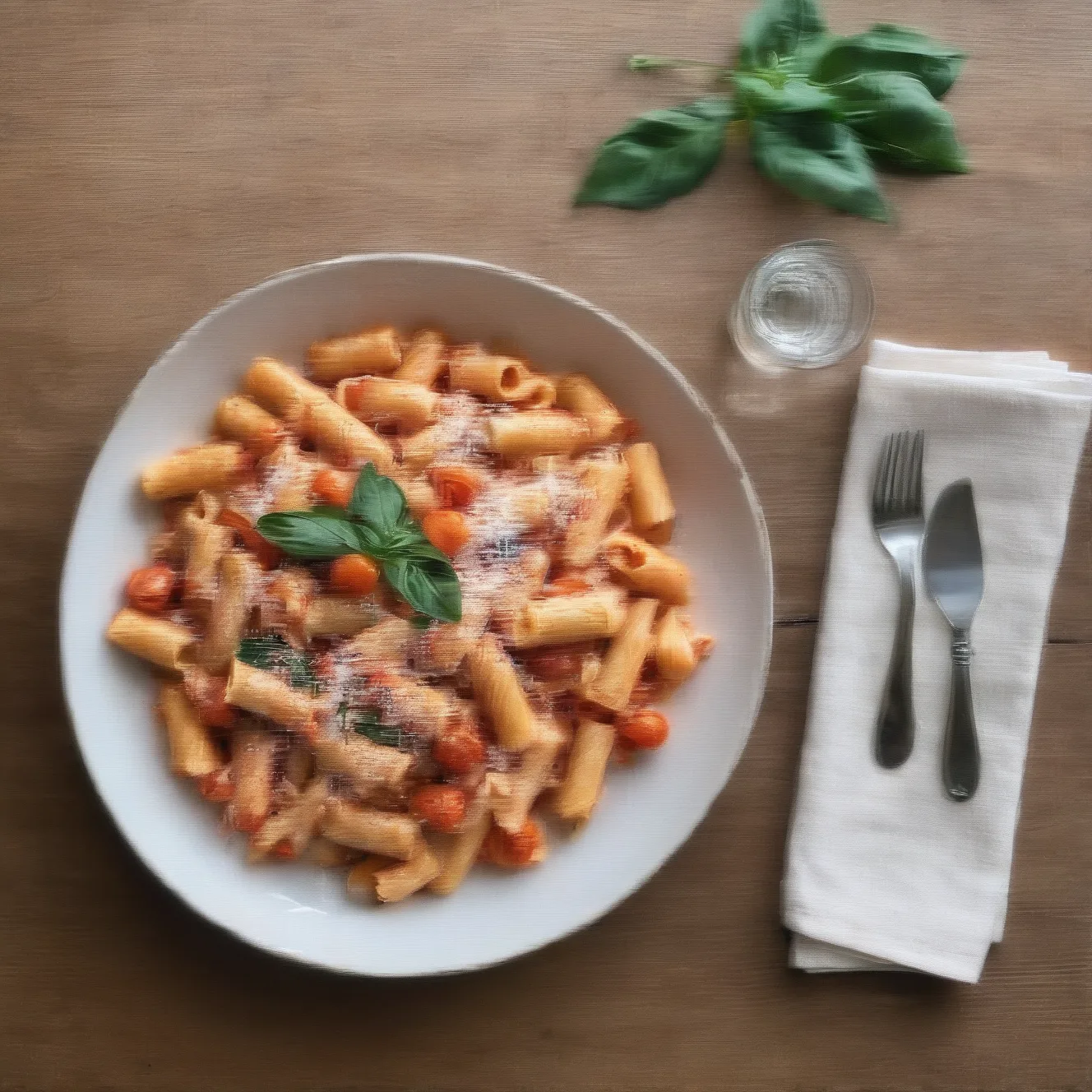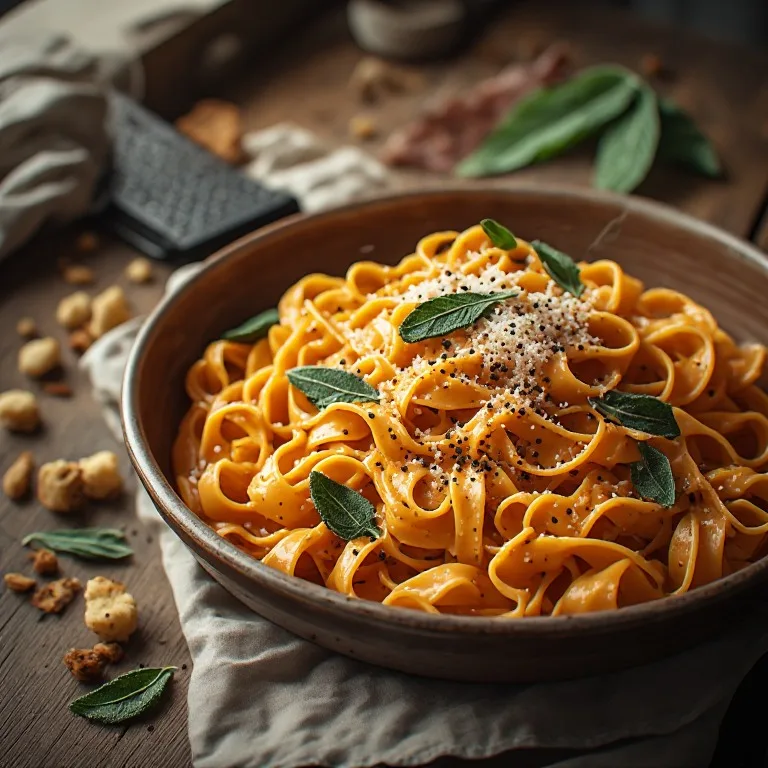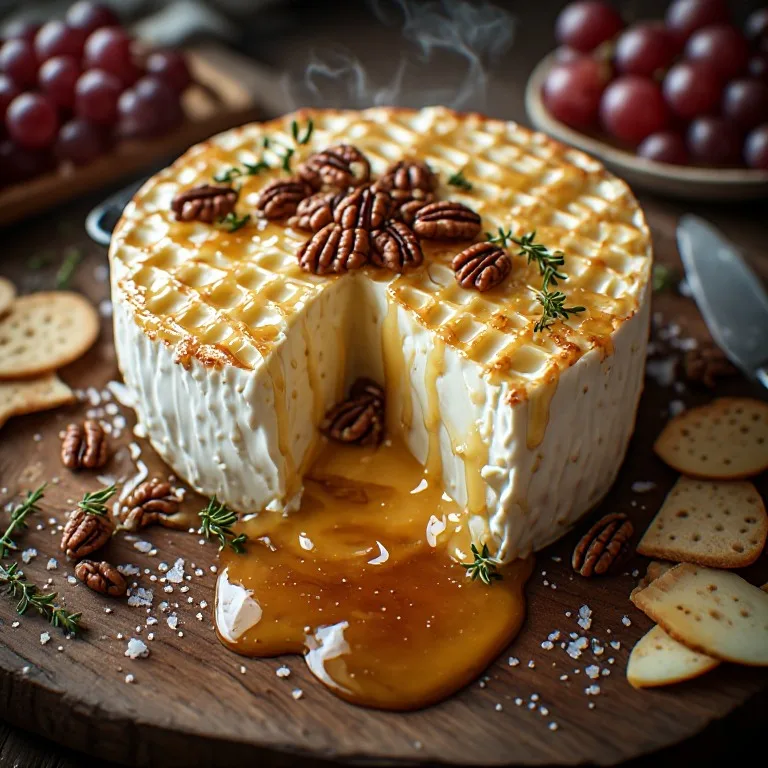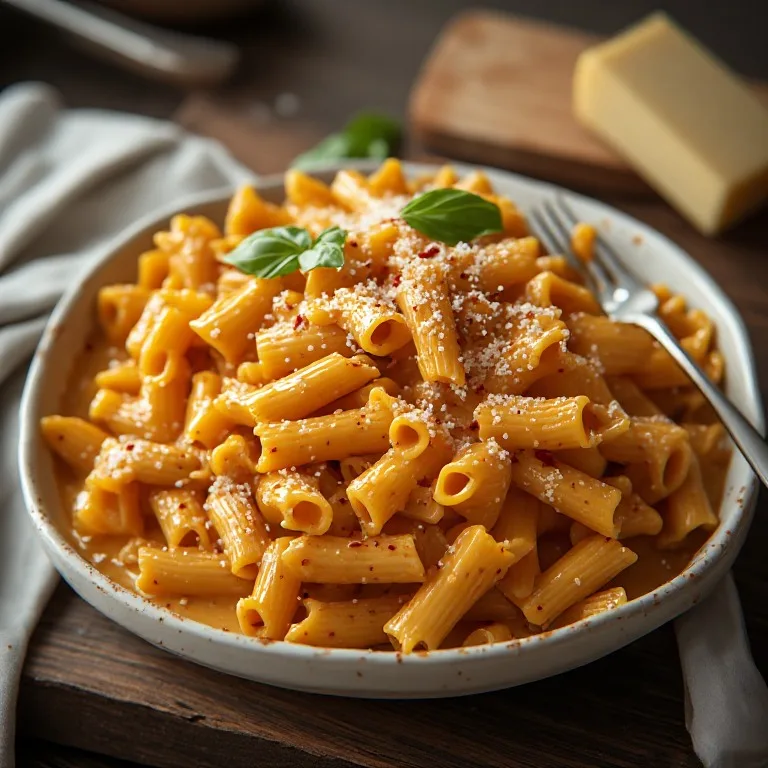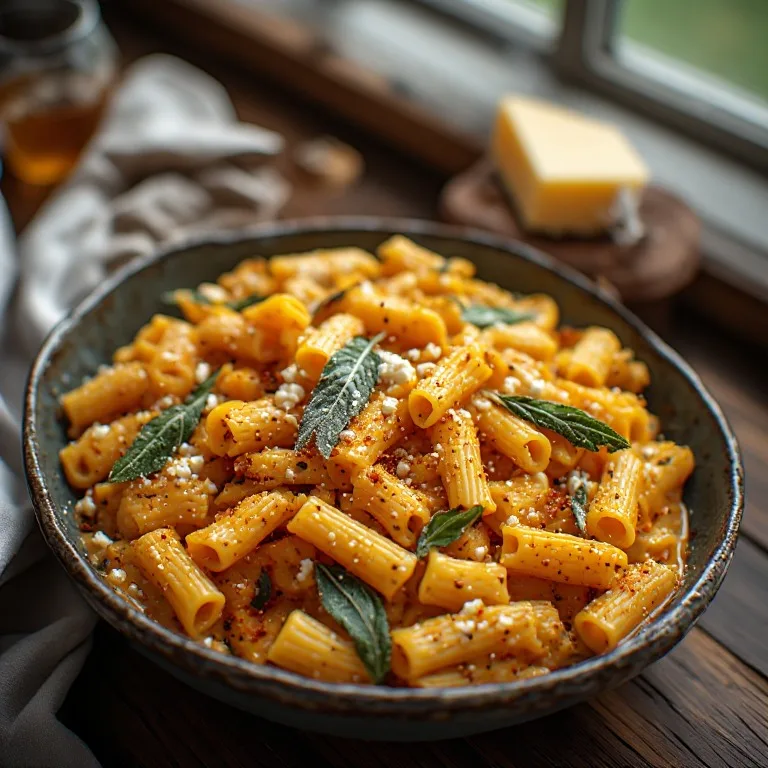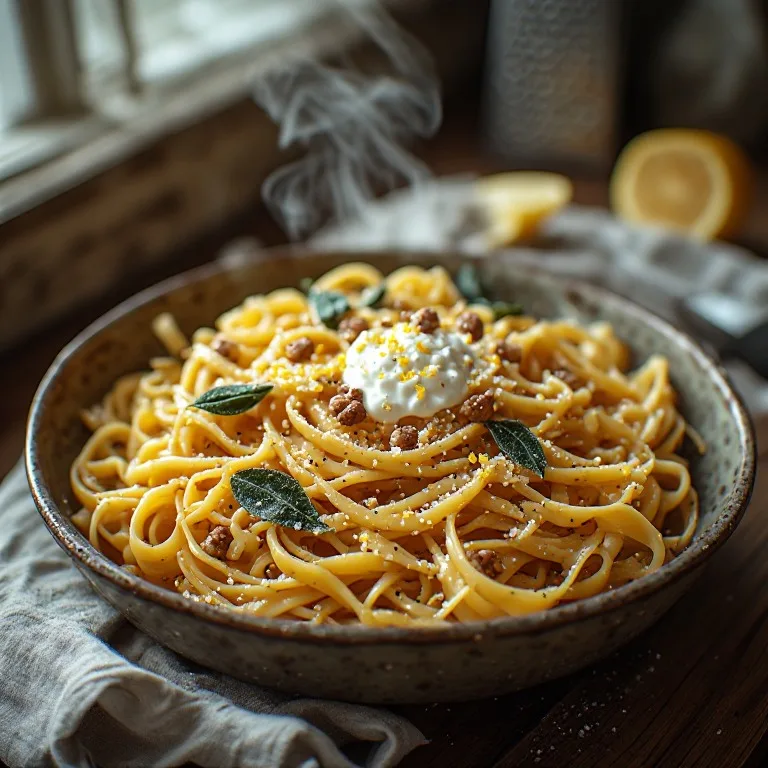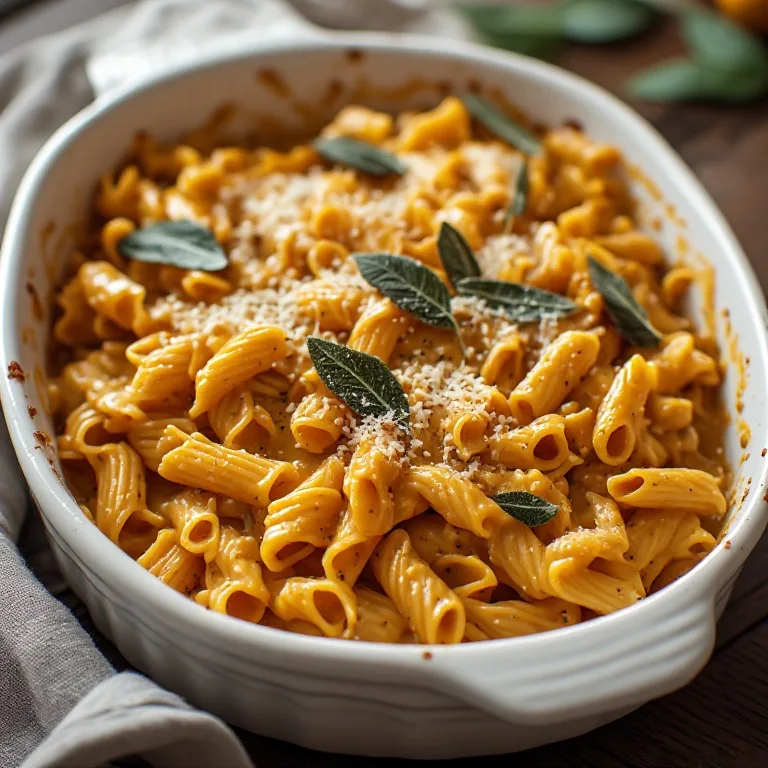


The baked feta pasta format — one block of cheese surrounded by aromatics, baked until the cheese melts into a sauce — became the defining food moment of 2021, generating more than 650 million TikTok views and causing documented feta shortages across Finland and the United States. In fall 2026, creators found the seasonal upgrade: swap the feta for brie, replace cherry tomatoes with a can of pumpkin puree, and season it for autumn.
The result is a pasta dish that tastes genuinely complex — earthy from the pumpkin, buttery from the brie, warm from the nutmeg and red pepper flakes — but takes 35 minutes and comes entirely from pantry staples and one block of cheese.
Why Brie Works Better Than Feta for a Fall Pasta
Feta is sharp, salty, and tangy. Those qualities work brilliantly against acidic cherry tomatoes. Against pumpkin puree — which is earthy, mild, and slightly sweet — feta fights rather than complements. Brie is the opposite: mild, buttery, and creamy, with none of feta’s aggressive saltiness. It melts into the pumpkin and becomes part of the sauce rather than contrasting with it.
When brie bakes at 400°F, the interior proteins relax, the fat renders, and the rind separates from the softened interior. Mashed into the warm pumpkin puree and loosened with pasta water, it creates a sauce that’s closer to a velvet-smooth cream in texture but tastes unmistakably autumnal.
The Three Things Most Versions Get Wrong
Using pumpkin pie filling instead of plain puree. Pumpkin pie filling is pre-sweetened and pre-spiced. It turns the pasta into something that tastes like dessert — sweet, cinnamon-forward, not savory. You want 100% pure pumpkin puree. The only ingredient on the label should be pumpkin.
Not reserving enough pasta water. The sauce after baking is thick. Without starchy pasta water to loosen and emulsify it, the sauce turns pasty and doesn’t coat the pasta — it clumps around it. A full cup reserved before draining gives you control: start with a half cup, stir, and add more until the sauce flows and coats.
Leaving the full brie rind on. The white rind on brie softens but doesn’t fully melt, leaving chewy, slightly bitter bits in what should be a silky sauce. Trimming just the top rind — a 10-second task with a paring knife — eliminates the problem entirely.
The Crispy Sage Is Not Optional
This pasta is rich. The brie and olive oil make it deeply satisfying in a way that also needs contrast. Crispy sage fried in butter delivers that contrast: a slightly bitter, herbal crunch against the smooth, sweet-savory sauce. It also perfumes the butter, which you can drizzle over the finished pasta for additional depth.
If fresh sage isn’t available, dried sage can be added directly to the pumpkin mixture before baking — use half a teaspoon. You lose the textural element, but the flavor is still there.
Make It a Full Dinner
The dish is vegetarian as written and filling on its own. To add protein, fold in 2 cups of shredded rotisserie chicken with the pasta at the toss stage. For a crispy texture element beyond the sage, top with toasted pine nuts or crushed toasted walnuts. A drizzle of good olive oil at the table and crusty bread to scrape up the remaining sauce in the baking dish are the natural accompaniments.
Leftovers reheat well with a splash of water or chicken stock to loosen the sauce; the pasta will have absorbed most of the liquid overnight.