

The Fall TikTok Dinner Everyone Is Making Right Now
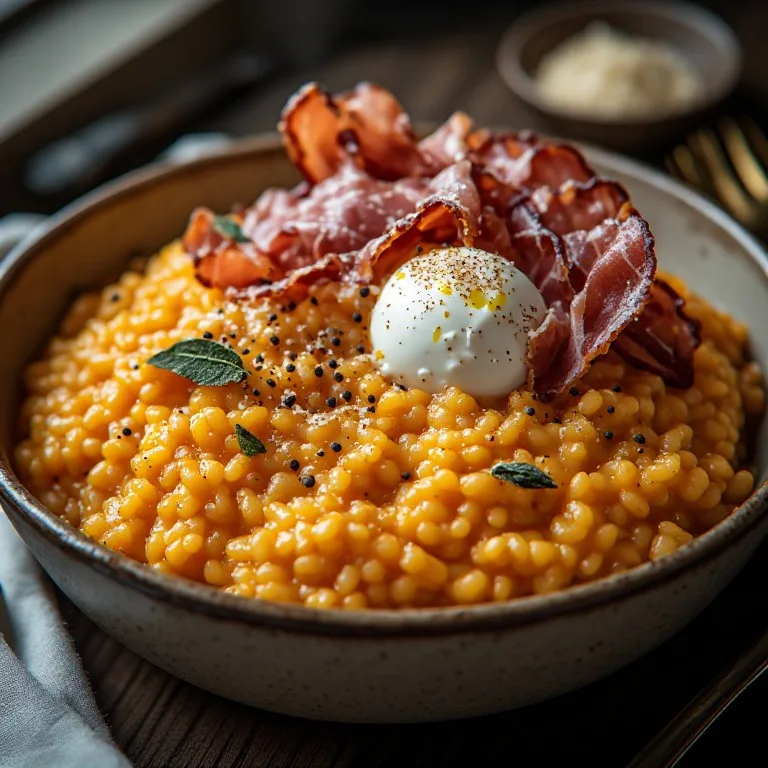
Every September, the same video format floods #FoodTok: someone ladles a glossy, amber-hued risotto into a wide bowl, places a whole ball of burrata in the center, tears it open to release the cream, and fans shatteringly crisp prosciutto over the top. The cream pools into the risotto. The prosciutto stays crisp. The steam rises.
It’s aspirational in the best sense — the kind of dinner that looks like it requires a culinary degree but is, with the right technique, a genuinely achievable weeknight project. The three toppings are what make it look and taste restaurant-level. The risotto base is technique, not difficulty.
This is that recipe. It takes about 45 minutes, most of which is stirring while a podcast plays. The techniques — tostatura (rice toasting), warm stock, mantecatura (finishing with cold butter off-heat) — are simple once you understand what each one does and why you can’t skip it.
The Three Components, and Why Each One Matters
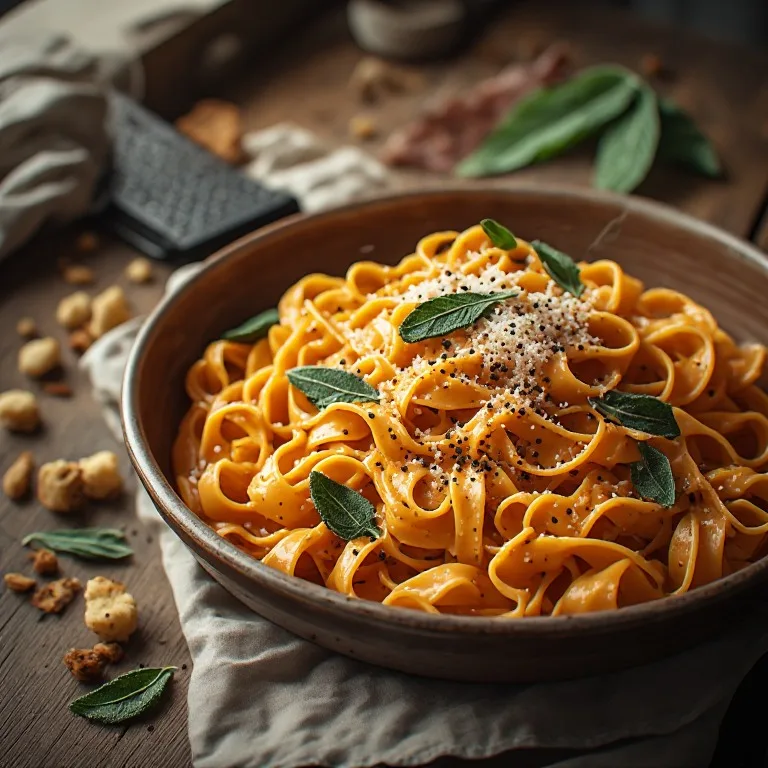
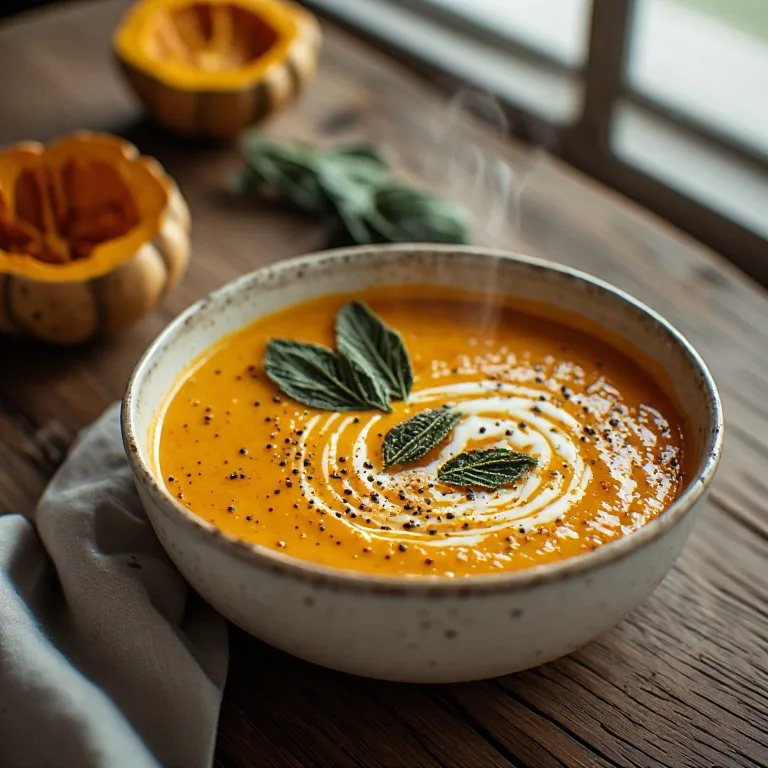
Pumpkin risotto. The base is classic risotto technique applied to a fall flavor profile: Arborio or Carnaroli rice, white wine, warm stock added gradually, finished with butter and Parmesan off heat. The pumpkin purée (added after the wine is absorbed) colors the rice a deep amber-orange and adds an earthy sweetness that’s savory, not dessert-like. The key word is purée, not pie filling — see the FAQ.
Crispy prosciutto. Thin prosciutto laid flat on a hot oven rack and cooked for 8 to 10 minutes becomes a paper-thin, translucent chip that shatters when you bite it. It concentrates all of its salt and pork flavor into something with a texture like a potato chip and a flavor like very good cured ham. The contrast with the soft risotto and the cream from the burrata is structural to the dish — without the crunch, everything is soft.
Burrata at room temperature. Fresh burrata is a ball of mozzarella with a heart of stracciatella (cream-mixed torn mozzarella inside). When cold, the interior is stiff and thick. At room temperature, the cream inside is loose — and when you place it on hot risotto and tear it open, it pours out and melts into the dish. The result is a warm, creamy sauce-within-a-sauce that wasn’t there a second ago. Burrata pulled cold from the refrigerator and placed directly on the risotto doesn’t work the same way — the cream is too thick and too cold to integrate.
The Technique That Makes or Breaks Risotto: Warm Stock
The single most important instruction in this recipe is the first one: warm the stock before you start and keep it warm throughout. This is the detail home cooks skip most often, and it’s the reason why restaurant risotto tastes different from homemade.
When you add warm stock to hot rice, the temperature stays consistent, the starch releases gradually and smoothly, and the emulsion that creates the creamy sauce builds correctly. When you add cold stock — ladled directly from the refrigerator — you drop the temperature of the pan sharply, disrupt the starch release, and produce gluey, clumped grains rather than individual, silky ones.
Set the stock on a back burner at the lowest heat before you do anything else. By the time you’ve toasted the rice and deglazed with wine, the stock will be warm. Keep it there.
Tostatura: Why You Toast the Rice Dry
Before any liquid touches the rice, you stir it in the butter and oil for 1 to 2 minutes until the edges of each grain turn translucent. This step — called tostatura — seals the outer starch layer of each grain. It controls how the starch releases during the long cooking process: too fast, and the grains become mushy before the inside is cooked; too slow, and you end up with chalky centers in a soupy liquid.
Properly toasted rice releases starch gradually and evenly, producing the all’onda consistency Italian cooks describe — risotto that flows like a slow wave when the pan is tilted, not stiff like a mound and not liquid like soup.
Do not rinse the rice before cooking. Rinsing removes the surface starch that you need. Every risotto recipe that tells you to rinse Arborio first is wrong.
Mantecatura: The Off-Heat Finishing Move
The difference between good risotto and great risotto happens in the last 90 seconds, off the heat.
When the rice reaches al dente, pull the pan off the burner completely. Add cold, cubed butter and Parmesan and stir vigorously. What you’re doing is creating an emulsion: the starch in the cooking liquid, the fat from cold butter melting gradually, and the proteins in the cheese bind together into a glossy, creamy sauce that surrounds each grain.
Cold butter is the technical key. Room-temperature or warm butter is already liquid and incorporates too fast — it doesn’t build the emulsion the same way. Think of it like hollandaise: the temperature control is what creates the suspension. Cold butter added to a hot pan off heat melts progressively as you stir, blending into the starch layer by layer rather than pooling on the surface.
Stir for a full 60 to 90 seconds. The risotto should look shinier and more cohesive when you stop than when you started. Taste before plating — it should be rich and rounded, not flat. Season with salt, white pepper, and nutmeg.
Serving Immediately Is Not Optional
Risotto tightens fast. The starch continues absorbing liquid as it cools, and within 5 minutes of leaving the heat, the texture starts changing from all’onda to stiff. Restaurant kitchens time each risotto to finish exactly when the server picks up the plate, which is why it’s usually the last thing on the table.
At home: have your warm bowls (rinse them with hot water and dry quickly), burrata at room temperature, and crispy prosciutto ready before you start the risotto’s final stirring stage. Plate immediately and eat immediately.
Variations Worth Making
Butternut squash risotto. Substitute roasted butternut squash purée for the canned pumpkin — the result is sweeter and more complex. Cube 1.5 lbs of squash, roast with olive oil and salt at 400°F for 30 to 35 minutes until deeply caramelized, blend smooth with a splash of stock. Same technique, richer flavor.
Without prosciutto (vegetarian). Fry 6 to 8 fresh sage leaves in brown butter (30 seconds per side) and use those as the crispy topping. Add a handful of toasted pepitas for crunch. Replace the chicken stock with vegetable stock.
Pancetta instead of prosciutto. Cube 3 oz of pancetta and cook it in a dry skillet over medium heat until the fat renders and the pieces are crispy — about 8 minutes. Use those crispy cubes as the topping instead of oven-crisped prosciutto. The flavor is smokier and fattier.
Pumpkin risotto arancini. If you have leftover risotto (unlikely, but it happens), cool it completely in the refrigerator. Form into golf-ball-sized spheres around a small cube of fresh mozzarella, coat in breadcrumbs, and shallow-fry in olive oil until golden. Arancini made from pumpkin risotto are one of the better uses of leftovers in Italian home cooking.