


Pin It

Viral TikTok Sour Patch Grapes (Frozen Sour Candy Grapes)

Viral TikTok Sour Patch Grapes (Frozen Sour Candy Grapes)
Jump to Recipe
Prep 10 min Cook 0 min (4 hr freeze) Serves 4
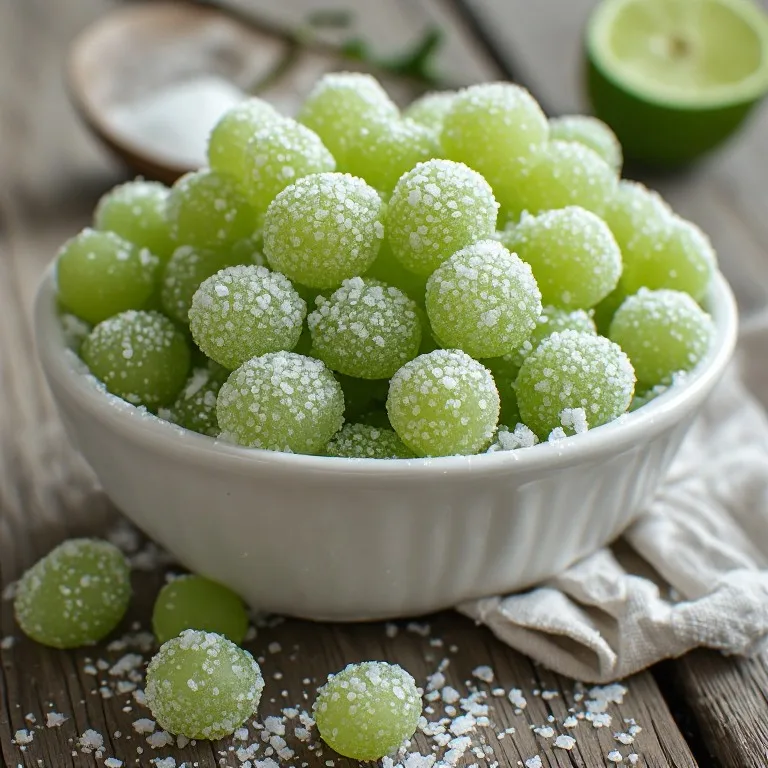
Quick answer: Wash 2 cups seedless green grapes and dry them completely — paper-towel dry, then air-dry 10 minutes on a clean towel. In a zip-top bag, combine ¼ cup granulated sugar with ½ teaspoon citric acid (the key ingredient — lemon juice alone won't deliver real sourness). In a bowl, toss the dry grapes with 2 tablespoons fresh lime juice until every grape glistens. Immediately transfer the wet grapes to the bag and shake vigorously 10–15 times until every grape is coated in the sour sugar. Spread in a single layer on a parchment-lined baking sheet and freeze for at least 4 hours. Eat straight from the freezer — they're best when ice-cold and the coating is still crunchy.

Shop the tools

Gear matched to this recipe. These are Amazon affiliate links — we may earn a small commission if you buy, at no extra cost to you.

As an Amazon Associate, Copycat Spices earns from qualifying purchases. Product images are generic illustrations, not the exact item listed.

Viral TikTok Sour Patch Grapes (Frozen Sour Candy Grapes)

The frozen treat that genuinely tastes like Sour Patch Kids: green grapes coated in citrus juice and citric acid sugar, then frozen solid. 10 minutes active work, 4-ingredient recipe. Covers the 4 coating mistakes that make them slide off — and the citric acid ratio that makes the sour actually land.

Easy Prep: 10 min Cook: 0 min (4 hr freeze) Total: 4h 10m4 servings ~$1.75/serving
Prep10 min
Cook0 min (4 hr freeze)
Total4h 10m
Servings
4
At home~$1.75/serving
vs
Restaurant~$7.88/serving
You save ~78%

The Story Behind the Recipe

The frozen treat that genuinely tastes like Sour Patch Kids: green grapes coated in citrus juice and citric acid sugar, then frozen solid. 10 minutes active work, 4-ingredient recipe. Covers the 4 coating mistakes that make them slide off — and the citric acid ratio that makes the sour actually land.

Nutrition Facts

Per serving (4 servings)
Calories90
Total Fat0g
Total Carbs23g
Dietary Fiber1g
Sugars20g
Protein0g
Sodium20mg

* Estimated values based on standard recipe preparation. Actual values may vary.

Ingredients

Instructions

💡
Pro tip: This recipe tastes even better the next day. The flavors need time to meld together in the fridge.
❄️
Storage: Keeps in an airtight container in the fridge for up to 2 weeks. Freezer-friendly for up to 3 months.
🎃 Free Halloween cookbook — download now The Copycat Halloween Cookbook A ready-made, photo-illustrated PDF of our best halloween copycat recipes — free to download, no building required. Pay what you want to support if you love it.

Free PDF — instant download. We'll also send new seasonal copycat recipes now and then; unsubscribe anytime. Or just download it →

The TikTok sour candy grape trend started with a simple observation: if you freeze grapes coated in citrus juice and sugar, they taste — genuinely, not just vaguely — like Sour Patch Kids.

When creator Emily Mariko posted her version, it racked up over 36 million views. By 2026, the trend had expanded into a full flavor ecosystem: original sour, spicy-sour Tajín versions, chamoy-fusion for the swangy crowd, and Jell-O powder coatings for people who want cotton-candy-colored grapes in their freezer.

The recipe itself is 10 minutes of work and 4 hours in the freezer. What separates the ones that work from the ones where the coating slides off in a wet pile is one critical step most people skip.


Why These Actually Taste Like Sour Patch Kids

The Sour Patch Kids effect comes from a specific combination: citric acid crystals coating a cold, firm surface. Citric acid is the same compound that makes the candy sour — not vinegar-sour, not bitter-sour, but that sharp fruit-candy sourness that hits the sides of your tongue.

Lemon juice contains citric acid in solution, but solution sourness is different from surface sourness. When citric acid powder is mixed with sugar and applied dry to the grape surface, each grain delivers a concentrated hit as it dissolves on your tongue — the same mechanism as the coating on Sour Patch Kids.

This is why the recipes that use only lemon or lime juice without citric acid powder taste like sour fruit rather than candy. The powder is the difference. It’s available at Whole Foods (near the canning supplies), homebrew shops, and online for about $5 for a bag that makes dozens of batches.


The Coating Technique That Actually Works

Four things make the coating stick:

1. The grapes must be bone dry before you add the lime juice. This is the step people skip. Residual surface water dilutes the lime juice and the sugar runs off before it can bond. Pat dry with paper towels, then leave on a dry kitchen towel for 10 minutes. Touch a grape — it should feel smooth and slightly tacky from the skin’s natural wax, not slick from water.

2. Add the lime juice and immediately move to the sugar. There’s a short window — maybe 2 minutes — where the lime juice sits on the surface as a wet binder without soaking in. You need the sugar to hit while the surface is still visibly wet. Prep everything before you start: sugar measured, bag ready, parchment-lined pan ready.

3. Use a zip-top bag, not a bowl. The bag acts as a tumbler. Drop the wet grapes in, seal, and shake 10–15 times. Every grape rotates through the sugar layer. A bowl works too, but you have to press and roll each grape individually to get even coverage. The bag takes 10 seconds and coats all 30 grapes simultaneously.

4. Freeze in a single layer, grapes not touching. Sugar-coated grapes fuse together when they touch during freezing. Parchment paper is non-negotiable — coated grapes bond permanently to bare metal. Check that your baking sheet sits flat in the freezer (a tilted sheet means rolling grapes that bump into each other).


How Sour Should You Make Them?

Start with ½ teaspoon citric acid per ¼ cup sugar (the recipe amounts). Taste the sour sugar before adding grapes — it should be intensely, almost uncomfortably sour on its own. That sourness spreads thin across 30 grapes, so it needs to be strong at the source.

If you want more sour: increase to ¾ teaspoon citric acid. If you want closer to sweetened citrus fruit than candy: use only ¼ teaspoon or skip the citric acid and rely on the lime juice alone.

The Tajín version replaces the sour-sugar coating entirely with Tajín Clásico powder. Tajín already contains citric acid plus chili and salt — the result is the trending “swangy” profile: spicy, sour, and salty all at once.


The 2026 Variations Worth Making

The trend evolved well beyond the original recipe. The most popular versions:

Jell-O coating: Replace the citric-acid sugar with 3 tablespoons of any Jell-O powder. Lime Jell-O on green grapes looks striking — vivid green from the dye. Jell-O already has citric acid, sugar, and flavor built in. This is the most forgiving variation; the powder sticks reliably even with slightly wetter grapes.

Chamoy-Tajín: Instead of lime juice as the wet binder, brush grapes with chamoy sauce (thicker, stickier, and more intensely flavored) — the same sweet-sour-spicy condiment at the center of the chamoy pickle kit trend. Roll in Tajín plus a tablespoon of sugar. The flavor is bolder — fruity, spicy, salty, sour — and the sticky chamoy makes the coating adhere better than lime juice.

Tajín-only: Skip the sugar entirely. Coat lime-wet grapes in straight Tajín for a salty-spicy snack with essentially zero added sugar. Very different from the candy version but genuinely good.


What to Eat Them With

Sour Patch Grapes work best on their own, straight from the freezer. They’re a standalone snack, not a component. A few serving notes:

Pull them out 2 minutes before eating if you want a slightly softer bite — fully frozen at 0°F they can be quite hard, especially for kids.

Serve in a small bowl and eat immediately. After 5–7 minutes at room temperature, the coating starts pulling moisture from the air and turns sticky. Unlike ice cream, there’s no graceful way to eat these slowly.

For parties: keep them in the freezer and transfer a handful to a chilled bowl right before serving. Guests can eat what’s in the bowl while the rest stays cold.


Storage and Batch Size

After the initial single-layer freeze (4+ hours), transfer to a zip-top freezer bag. At that point they’re individually solid and won’t fuse together even stacked. They keep up to 2 weeks before the grape skin quality degrades and the coating starts picking up freezer odors.

The recipe doubles easily — same technique, just use a larger bag for coating and freeze in two batches if your sheet pan is small. For meal-prep purposes, a double batch (4 cups grapes) takes 15 minutes and lasts the whole week.
🥗

Make It Healthier

Love Viral TikTok Sour Patch Grapes (Frozen Sour Candy Grapes) but want a lighter version? Try these simple swaps:

  • ✓At 90 calories per serving, this is one of the most satisfying-to-eat low-calorie frozen treats available — the coating's crunch, the icy grape interior, and the sharp sour hit together register as 'candy' to your brain in a way that 90-calorie Greek yogurt never will. The grapes contribute resveratrol, vitamin C, and fiber.
  • ✓The citric acid is not a concern. It's the same acid found naturally in citrus fruit and is used in food preservation globally. Your digestive system processes it like any other organic acid.
  • ✓For a zero-added-sugar version: coat with only Tajín (which has trace sugar from the lime powder) and skip the granulated sugar entirely. The citric acid from the Tajín still delivers sour punch. The result is salty-spicy rather than sour-sweet but has essentially no added sugar.
  • ✓Grapes are about 16-17 grams of sugar per cup naturally — this recipe adds roughly 12 grams of sugar from the coating across the whole cup. For context, that's less added sugar than a single tablespoon of ketchup. The sourness makes the sweetness taste more intense, which is why these feel like real candy even with a modest sugar coating.

Frequently Asked Questions

Why is my sugar coating sliding off the grapes?

Almost always one of four causes. First and most common: the grapes weren't dry enough. Even a thin film of surface water dilutes the lime juice and prevents the sugar from bonding. Pat dry, then air-dry for 10 minutes — they should feel completely non-slick. Second: you waited too long between the lime juice step and the sugar step. The lime juice needs to be on the surface when the sugar touches the grape; once it soaks in, the binding window closes. Work fast. Third: your citric acid clumped and the coating is uneven — make sure it's fully mixed into the sugar before adding grapes. Fourth: the freezer temperature is too warm and the coating partially dissolved before setting. A real freezer at 0°F is what you need; a refrigerator won't work.

Can I use lemon juice instead of lime, or fresh-squeezed juice instead of bottled?

Lemon works and is a good substitute. Lime is the most popular TikTok choice because its slightly bitter-floral profile contrasts the sweet coating better than lemon's cleaner sourness. Fresh-squeezed is significantly better than bottled for one specific reason: fresh citrus contains volatile aromatic oils from the zest and pulp that evaporate in processing. Those oils help the citrus juice adhere to the grape skin more effectively than bottled juice, which is mostly just acid. If you only have bottled lemon juice, add ¼ teaspoon of lemon zest to compensate.

Do I actually need citric acid? Can I just add more lime juice?

More lime juice is not a substitute for citric acid. Here's why: citric acid powder coats the surface of the grape alongside the sugar, forming a sour crystalline layer. More liquid lime juice just wets the grape — there's a limit to how much sourness you can deliver in solution before the sugar stops sticking. Citric acid delivers a concentrated sour punch per grain that's independent of liquid. You can get about 60% of the effect by doubling the lime juice and zesting the lime into the sugar mixture, but the full candy-level sour requires the powder. It costs about $5 for a bag that lasts 50+ batches and has uses in canning, lemonade, and cocktails.

How long do frozen sour grapes keep in the freezer?

Up to 2 weeks in an airtight container or zip-top freezer bag. After the initial single-layer freeze, transfer them to a container once solid — they won't stick together at that point. After 2 weeks, the grape skin quality degrades and the coating can pick up freezer odors. For best results, make a fresh batch every week rather than one large batch. The 10-minute active work time makes this easy.

What's the difference between this and tanghulu?

Tanghulu is Chinese candied fruit on a skewer — the coating is a hard-crack sugar shell cooked to 300°F that shatters like glass and must be eaten immediately (humidity destroys it in under an hour). These sour grapes are coated raw in sugar mixed with citric acid, then frozen — the coating stays on as a gritty-crunchy layer that's forgiving to store and eat over time. Tanghulu is technically harder to make (requires a candy thermometer, precise temperature control) but more visually dramatic. Sour Patch Grapes are foolproof and work-ahead friendly.

Can I use this coating technique on other fruits?

Yes. Strawberries work well (hull and dry very thoroughly — their cut surface releases juice that can dilute the coating). Blueberries are excellent because their waxy skin holds the coating well. Pineapple chunks in small pieces (about ¾-inch cubes) make a tropical version. Mandarin segments work but need extra drying — the membrane surface is prone to weeping juice. Watermelon doesn't work — too much internal water migrates out during freezing. For fruits with a cut surface, let them air-dry 20 minutes after cutting before coating.

Can I make a sugar-free version?

Partially. You can use powdered monk fruit sweetener or erythritol in place of granulated sugar — both are granular enough to coat the surface. The texture will be slightly different (erythritol has a cooling sensation and a finer grain), but the basic mechanics work. Citric acid is already zero-calorie. The result is about 15 calories per serving instead of 90. Note that monk fruit sweetener doesn't crystallize the same way sugar does when frozen, so the coating may be less visibly dramatic — but it still delivers the sour punch.

Love this recipe? Share it!

Free PDF: our 12 most-wanted copycat recipes — instant download.

Made it? Buy us a coffee

Every recipe here is free, with no paywalls. If this one was a hit at your table, a small tip keeps new copycats coming.

$

Ratings & Reviews

—
No ratings yet

Rate this recipe

Click a star to rate

Leave a Review

0/500

CS

Copycat Spices Editorial

Researched + fact-checked. Every recipe on Copycat Spices is built from published sources — official ingredient lists, brand-published recipes, interviews and food-science references — and fact-checked before it goes live, then written as clear, step-by-step instructions for home cooks of all skill levels.

Learn more about our mission →