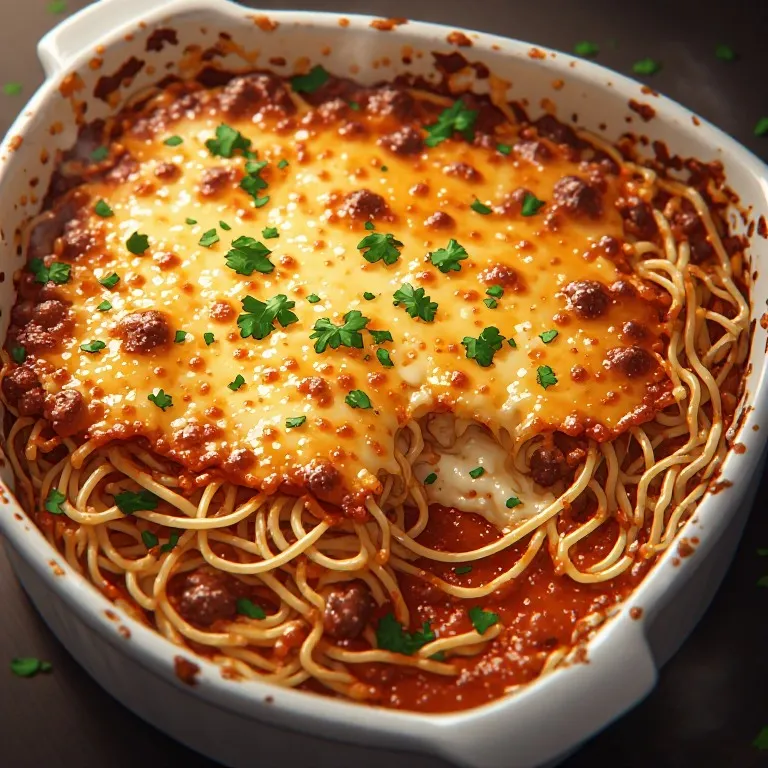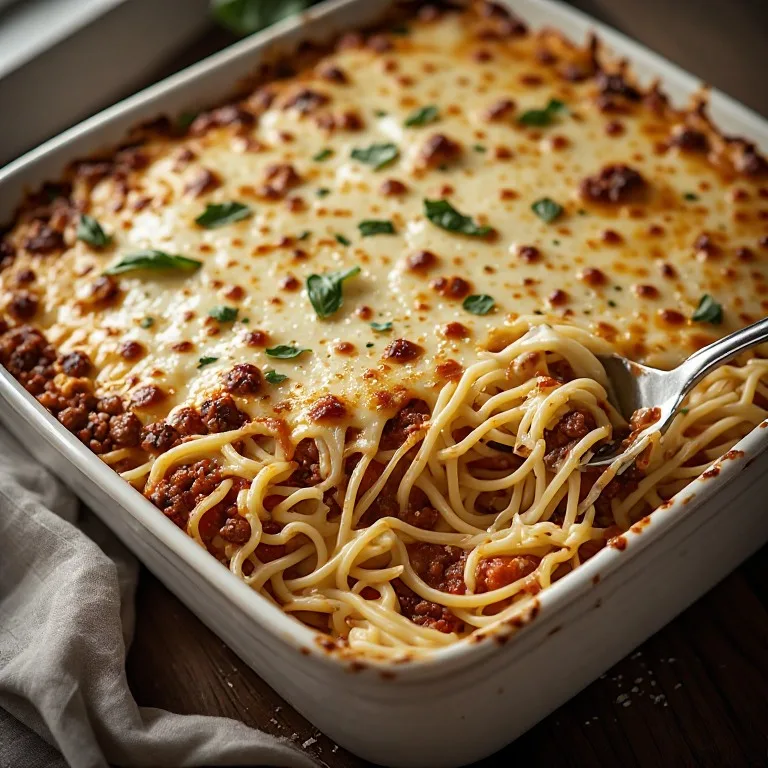



The TikTok spaghetti alfredo is a baked casserole built on a simple idea: Alfredo sauce at the bottom, meat marinara on top, mozzarella over everything. It looks like two separate pasta dishes stacked in one baking dish, and it delivers both sauces in every scoop. The recipe uses a pound of pasta, two jarred sauces, a pound of ground beef, and about an hour of actual time — it went viral because the result looks far more impressive than the effort.
The key that separates a great version from a mediocre one is almost always the pasta: cook it two minutes less than the package says. The oven is the final cooking stage, not just reheating — pasta that’s already al dente when it goes in will be overcooked when it comes out.
Why two sauces instead of one
Most baked pasta dishes mix everything together before it goes in the oven. The TikTok spaghetti alfredo doesn’t. The Alfredo layer goes down first and gets absorbed into the spaghetti. The meat sauce goes on top as a separate, distinct layer. When you bake it, the Alfredo stays creamy and mild at the bottom; the meat sauce caramelizes slightly where it meets the cheese on top.
The result is that different scoops taste different depending on where you dig in. A corner piece has more browned cheese and more caramelized meat sauce. A center scoop has more of the creamy Alfredo base. It’s the same dish delivering two different flavor registers depending on the portion, which is part of why people post about it.
Jarred Alfredo vs. from scratch
Jarred Alfredo sauce works perfectly well here. Two 15-oz jars coat a pound of spaghetti without being overwhelming, and the oven baking mellows the processed sweetness that some people find off-putting when jarred Alfredo is served straight. In a baked casserole, the difference between jarred and from-scratch is less noticeable than in a simple pasta dish where the sauce is the whole point.
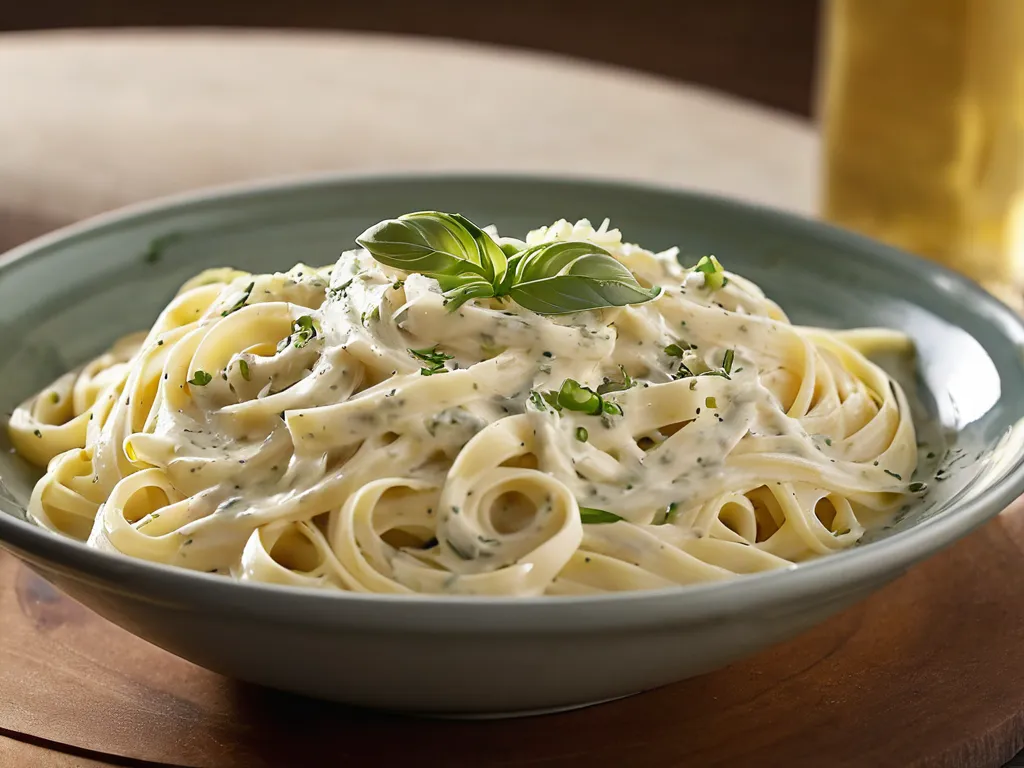
From-scratch Alfredo takes about 10 minutes: butter, garlic, heavy cream, freshly grated Parmesan. The finished sauce is richer and less sweet than any jarred version, and it clings to the pasta differently — more like a coating than a sauce. If you have the time and a block of good Parmesan, make it. If it’s a weeknight, the jar is fine.
The one thing to avoid: pre-grated powdery Parmesan in a can. It contains cellulose anti-caking agents that prevent it from melting properly, turning the sauce grainy instead of smooth.
Draining the fat matters more than you think
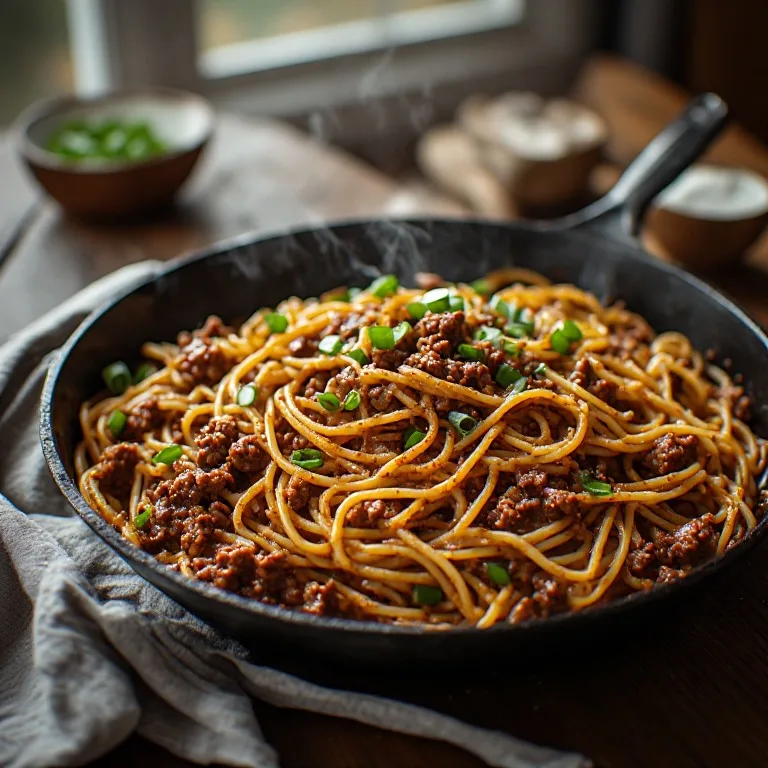
When the ground beef is done browning, tilt the skillet and spoon off as much rendered fat as you can before adding the marinara. This step gets skipped more often than any other and it directly affects the final texture.
Excess fat from the meat sauce migrates down through the mozzarella during baking and pools in the Alfredo layer. Instead of a creamy, cohesive bottom layer, you get a greasy, separated one. The casserole still tastes fine — there’s enough other flavor happening — but the texture is noticeably worse. Drain the fat.
The cheese choice
Low-moisture mozzarella only. Pre-shredded bags or a block — either works. Fresh mozzarella releases water when it bakes and makes the top of the casserole wet instead of bubbly and browned. The stretchy, golden-spotted cheese top in every TikTok video is low-moisture mozzarella. Fresh mozzarella is for pizza Margherita and caprese salads.
Adding ¼ cup of freshly grated Parmesan on top of the mozzarella is optional but worthwhile. Parmesan has a lower moisture content and a higher fat content than mozzarella, so it colors faster in the oven, adding the golden-brown spots that make the top look finished.
How to tell it’s done
The casserole is ready when the cheese has melted fully and has visible golden-brown patches on the surface, and the edges are bubbling. The center of the dish should be moving slightly — not liquid, but visibly set and hot. If the cheese looks pale and fully melted but not browned, switch to broil for 2 to 3 minutes. Watch it closely: mozzarella goes from properly browned to burnt in under a minute under a hot broiler.
Making it ahead and storing leftovers
This casserole is a good make-ahead dish. Assemble it fully through the cheese topping, cover the dish tightly with foil, and refrigerate for up to 24 hours. Pull it from the fridge about 30 minutes before baking so it loses the deep chill, then add roughly 10 minutes to the bake time since you’re starting cold — and uncover it for the last 10 minutes so the cheese still browns.
Leftovers keep in the fridge for 4 days. The one weak point on reheating is the Alfredo layer, which dries out faster than the meat sauce. Reheat covered in a 350°F oven (about 15 minutes covered, 5 more uncovered) or in the microwave with a teaspoon of water or milk stirred into each portion to loosen the cream sauce back up. The dish also freezes well before baking: wrap the assembled unbaked casserole airtight and freeze up to 2 months, then thaw overnight in the fridge before baking as directed.
One-pound-of-everything, scaled
The recipe is deliberately built on round numbers — one pound of pasta, one pound of beef, a 9×13 pan, eight servings — because that’s the ratio that fills the dish without overflowing. If you’re cooking for a smaller group, halve everything and use an 8×8 dish (bake time drops to about 20 to 25 minutes). To feed a crowd, run two full 9×13 pans rather than overpacking one; a deeper, overstuffed pan traps steam and the center never sets into clean layers.