

Why TikTok Called It Swamp Soup
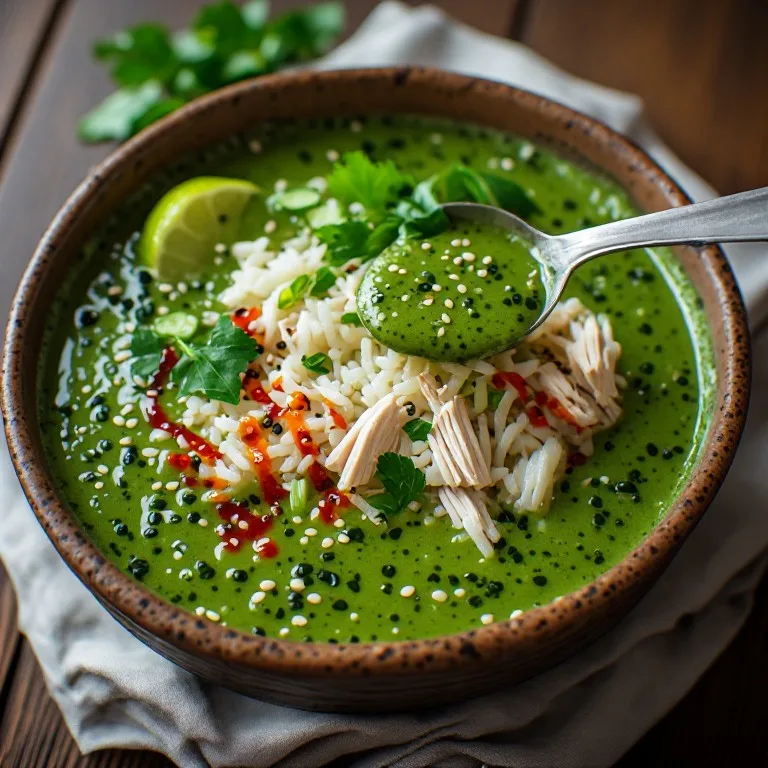
The first thing that happens when you make this recipe is the blender turns bright green. You pour it into the pot and the soup turns bright green. The steam is visible and it looks genuinely like something you pulled from a bog. Private chef Meredith Hayden at @wishbonekitchen uploaded the video during flu season in late 2023 with zero expectation — she was sick, she wanted something healing, and she had the ingredients. She titled it “Green Garlic & Ginger Chicken and Rice Soup”; a commenter renamed it “swamp soup,” and that’s what stuck. Over 2.2 million people watched and most of them made it.
The irony is that the “swamp” name is the least interesting thing about this soup. What makes it actually work is the way blending the greens directly into the broth changes the texture — instead of wilted spinach floating in liquid, the soup becomes the spinach. It thickens, turns opaque, and carries the ginger and garlic throughout every spoonful. It is, despite appearances, genuinely delicious.
The Technique That Makes It Different
Most vegetable soups wilt or sauté the greens. This soup blends them raw into the cold broth before cooking. The distinction matters: raw spinach and parsley have a bright, grassy flavor and vivid chlorophyll that cooking would destroy. Blending them raw preserves both, and the 5-minute simmer after adding the green base is just long enough to take the edge off the jalapeño and meld the flavors without dulling the freshness.
The ginger goes in raw and unpeeled into the blender. One inch of fresh ginger — roughly a tablespoon when chopped — is the correct amount: present and warming but not dominant. Dried ginger doesn’t substitute here; the oil content in fresh ginger is what creates the distinctive warming sensation in the back of the throat.
The jalapeños go in with seeds for the standard recipe. Two jalapeños produce a noticeable but not aggressive heat — medium by most scales. One jalapeño is a mild, very accessible bowl. Three is legitimately spicy. Start at two and adjust on the second batch.
Using Leftovers (This Is the Point)
The recipe was designed around leftover rice and rotisserie chicken, which is not a compromise — it’s the reason the recipe works as a weeknight staple. Day-old rice is actually better in soup than fresh: it’s drier, less starchy, and holds its shape when the hot broth hits it. Fresh rice can turn gluey and over-absorb liquid.
Rotisserie chicken is the right protein here. The leg-and-thigh meat is more flavorful than breast; the pre-seasoned skin adds small amounts of additional seasoning to the broth. If you use white meat only, add a small extra splash of soy sauce to compensate. Two to three cups of shredded chicken from a standard rotisserie bird is about 1 lb, which is the target amount.
You can absolutely make this from scratch — raw chicken poached in the broth, freshly cooked rice — but doing so moves this from a 30-minute weeknight soup to a 45-minute project. The original recipe’s brilliance is that it transforms things already in your refrigerator into something that tastes specific and intentional.
What Goes Well On Top
The soup is fully seasoned and complete on its own. Garnishes are about texture and visual contrast:
Sliced scallions — the mild onion sharpness cuts through the richness and the green-on-green looks intentional rather than monotone.
Sesame seeds — small crunch; toasted sesame adds a nutty note that echoes the soy sauce.
Chili oil — if you want more heat and complexity. A tablespoon of Lao Gan Ma or homemade chili crisp on top of each bowl is the most common TikTok finishing move.
Fresh cilantro — softens the ginger edge and adds brightness. Optional; leave it out if you’re cooking for cilantro-averse guests.
A fried egg — not part of the original but frequently shown in variations. A runny-yolk fried egg floated in the center adds protein and visual drama.
Scaling and Substitutions
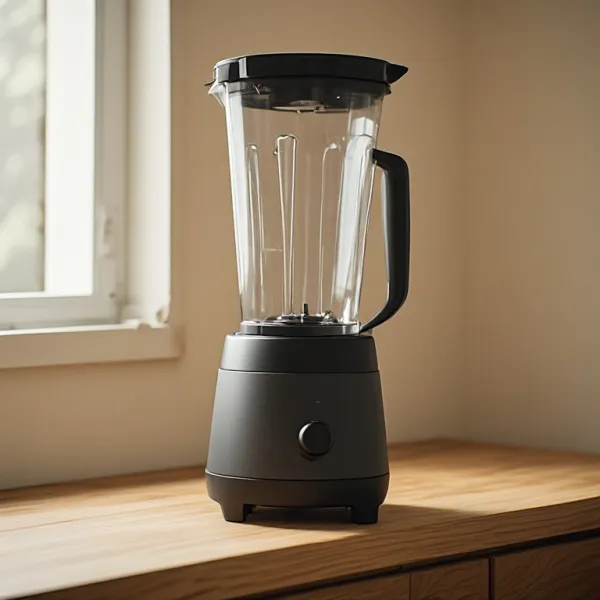
The recipe doubles easily — blend in two batches if your blender jar is smaller than 64 oz. The green base keeps in the refrigerator for 3 days or freezer for 2 months, so making a double batch of just the blend and freezing half is a smart meal-prep move.
For a dairy-free version that’s more filling without extra calories: add 1 can (15 oz) of drained white beans or chickpeas to the pot with the chicken and rice. The beans add about 7g of extra protein per serving and make the soup thick enough to be the main course without any modifications.
For the vegan version: vegetable broth instead of chicken broth, skip the chicken entirely, and use two cans of white beans. The flavor is slightly less deep but the ginger and jalapeño still carry the bowl.