


Pin It

Viral TikTok Sweet Potato Tahini Bowl (Roasted Sweet Potato + Chili Crisp Tahini Sauce)

Viral TikTok Sweet Potato Tahini Bowl (Roasted Sweet Potato + Chili Crisp Tahini Sauce)
Jump to Recipe
Prep 10 min Cook 30 min Serves 4
Quick answer: Roast 2 cubed sweet potatoes and a full can of dried chickpeas at 425°F for 20 to 30 minutes on separate pans. While the oven runs, whisk ¼ cup tahini with 2 tablespoons chili crisp, 1 tablespoon soy sauce, 1 tablespoon rice vinegar, 1 teaspoon maple syrup, and 3 to 4 tablespoons cold water until the sauce transforms from a seized paste into a creamy, pourable drizzle. The key technique: tahini seizes when liquids first hit it — keep adding cold water and whisking; it loosens in under a minute. Serve over a cup of cooked rice or spinach, drizzle the chili crisp tahini sauce over everything, and finish with sesame seeds and cilantro.

Shop the tools

Gear matched to this recipe. These are Amazon affiliate links — we may earn a small commission if you buy, at no extra cost to you.

As an Amazon Associate, Copycat Spices earns from qualifying purchases. Product images are generic illustrations, not the exact item listed.

Viral TikTok Sweet Potato Tahini Bowl (Roasted Sweet Potato + Chili Crisp Tahini Sauce)

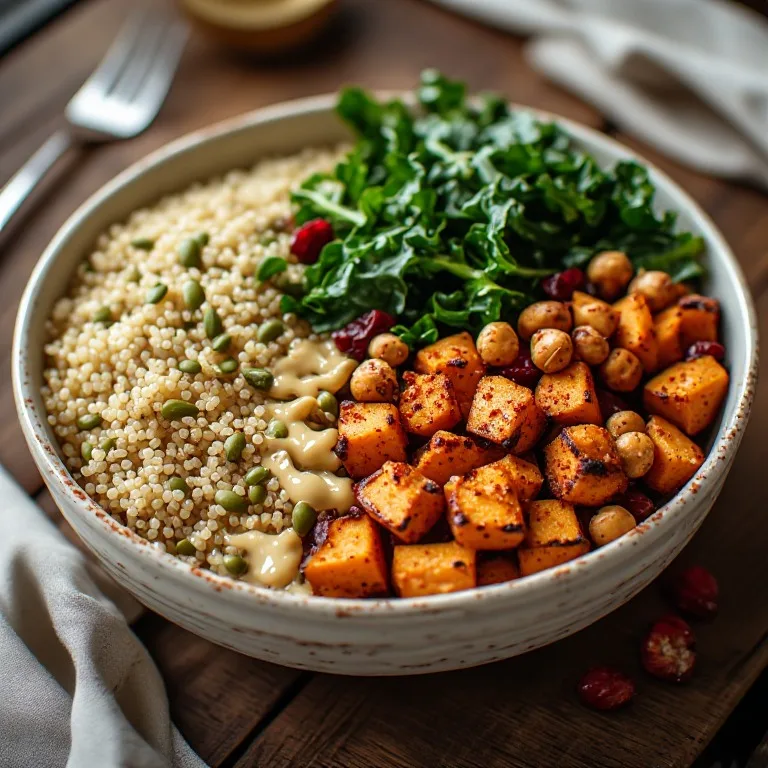
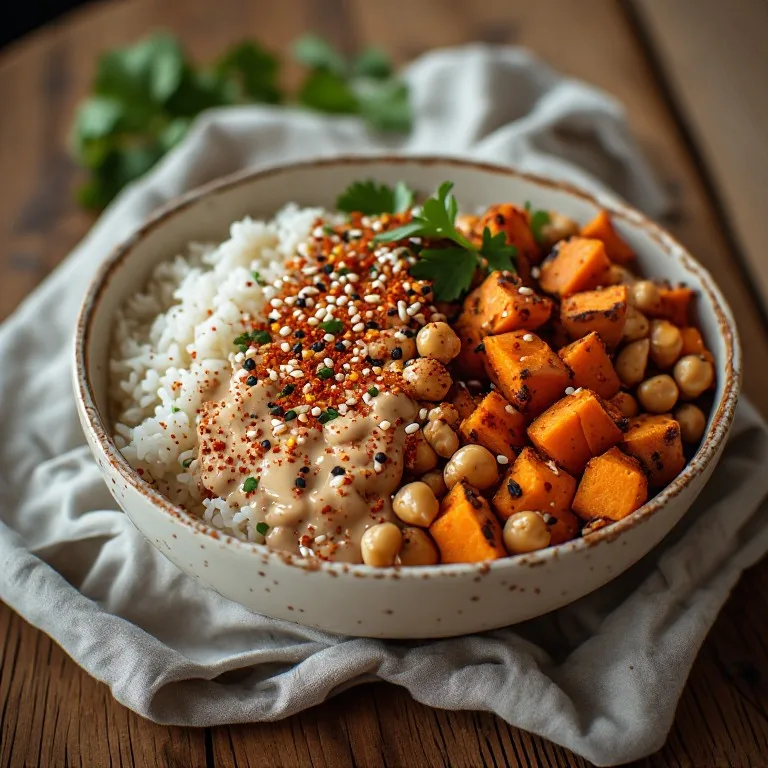
The TikTok nourish bowl with roasted sweet potato, crispy chickpeas, rice, and the chili crisp tahini sauce that ties it together — sweet potato's caramelized edges meet a nutty-spicy-tangy sauce where the chili crisp goes INTO the tahini (not on top). Recipe, the critical chickpea-drying step, the tahini-seize trick, and make-ahead tips for the whole week.

Easy Prep: 10 min Cook: 30 min Total: 40 min4 servings ~$4.50/serving
Prep10 min
Cook30 min
Total40 min
Servings
4
At home~$4.50/serving
vs
Restaurant~$20.25/serving
You save ~78%

The Story Behind the Recipe

The TikTok nourish bowl with roasted sweet potato, crispy chickpeas, rice, and the chili crisp tahini sauce that ties it together — sweet potato's caramelized edges meet a nutty-spicy-tangy sauce where the chili crisp goes INTO the tahini (not on top). Recipe, the critical chickpea-drying step, the tahini-seize trick, and make-ahead tips for the whole week.

Nutrition Facts

Per serving (4 servings)
Calories575
Total Fat20g
Total Carbs82g
Dietary Fiber12g
Sugars8g
Protein15g
Sodium680mg

* Estimated values based on standard recipe preparation. Actual values may vary.

Ingredients

  • Sweet potato
  • Crispy chickpeas
  • Chili crisp tahini sauce
  • To serve

Instructions

💡
Pro tip: This recipe tastes even better the next day. The flavors need time to meld together in the fridge.
❄️
Storage: Keeps in an airtight container in the fridge for up to 2 weeks. Freezer-friendly for up to 3 months.
🎃 Free Halloween cookbook — download now The Copycat Halloween Cookbook A ready-made, photo-illustrated PDF of our best halloween copycat recipes — free to download, no building required. Pay what you want to support if you love it.

Free PDF — instant download. We'll also send new seasonal copycat recipes now and then; unsubscribe anytime. Or just download it →

The Fall Wellness Bowl That Is Actually a Real Meal

Plant-based bowls have a credibility problem: they look photogenic in a 10-second video and leave you looking for a snack 90 minutes later. The sweet potato tahini bowl that circulated across TikTok this fall is the exception — and the reason is what goes into the sauce.

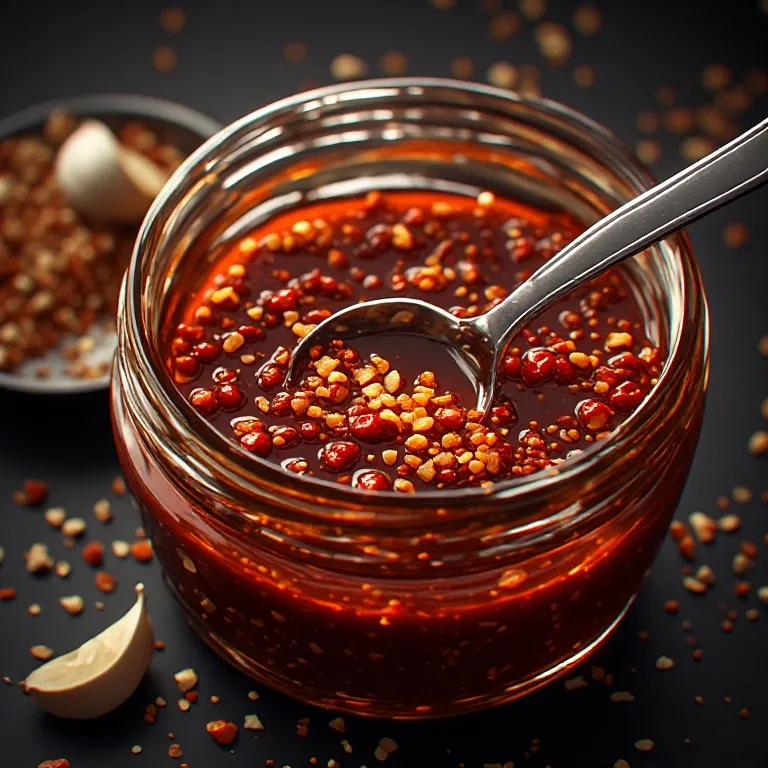
The chili crisp tahini sauce in this bowl is not whipped lemon tahini with chili oil drizzled on top. The chili crisp goes directly into the tahini along with soy sauce, rice vinegar, and maple syrup. The result is a single sauce with layered flavor — savory from the soy, tangy from the vinegar, sweet from the maple, nutty from the sesame, and spicy-aromatic from the crisp — that reads more like a restaurant dressing than something made in five minutes while sweet potatoes roast in the oven.

The bowl has four components: roasted sweet potato, crispy chickpeas, cooked rice, and the sauce. All four are practical. The sweet potato and chickpeas go into the oven at the same time on separate sheet pans. The sauce comes together in a bowl with a fork while they roast. The rice can be leftover or made the night before. From prep to table: 35 minutes.

The One Technique That Makes or Breaks the Sauce

Tahini seizes when liquids first hit it. This surprises almost everyone the first time.

When you add soy sauce, rice vinegar, and the chili crisp liquid to tahini, the paste goes thick and stiff immediately — like peanut butter that has dried out. Every instinct says something went wrong. The instinctive response — stop adding liquid — makes it worse.

The correct response is to continue adding cold water, one tablespoon at a time, while stirring hard with a fork between each addition. The cold temperature slows the sesame proteins enough to allow gradual re-emulsification. After 3 to 4 tablespoons, the sauce transforms: it goes from a thick, chalky paste to a creamy, lightly textured drizzle that flows slowly from the fork.

The transformation is visible and unmistakable. If the sauce is still thick and pasty after 5 tablespoons of water, either the tahini was too thick from the start (stir from the bottom of the jar before measuring), or the water was too warm (use cold water — room-temperature water does not give you the same control).

Why Chili Crisp Goes in the Sauce, Not on Top

Drizzling chili crisp over a bowl of tahini and roasted vegetables produces two separate flavors eaten together. Mixing chili crisp into the tahini produces a single unified flavor that neither ingredient delivers alone.

The mechanism: tahini is sesame-rich, mildly bitter, and dense. Chili crisp is fatty, savory, and aromatic — with fried chili flakes that carry heat and fermented bean depth. When the chili crisp goes into the tahini, the sesame oil and the chili oil merge into a single fat phase, and the fermented flavor compounds from the chili crisp are distributed throughout the sauce rather than sitting in concentrated pockets on top.

The soy sauce amplifies the savory quality of both. The rice vinegar cuts through the fat and keeps the sauce from feeling heavy. The maple syrup rounds the edges of the vinegar’s sharpness.

The result is a sauce that tastes like it belongs in a good restaurant — complex, layered, and slightly addictive — made from five pantry ingredients and cold water.

Chickpea Drying: The Non-Negotiable Step

A wet chickpea does not crisp. It steams.

When a chickpea enters a 425°F oven with surface moisture, that moisture converts to steam before the oven heat can dry the outer starch layer. The steam pushes outward through the chickpea wall, keeping the shell soft. By the time the moisture finally evaporates, the chickpea has cooked for too long, and the window where the outer starch would have gelatinized and hardened into a crunchy shell has passed.

The fix is aggressive drying: spread rinsed chickpeas on a kitchen towel, fold the towel over the top, and roll the chickpeas back and forth with firm pressure. Chickpea skins that slip off during drying should be discarded — a skinless chickpea exposes the starch layer directly to the oven heat and crisps more completely than one still wearing its papery shell. After towel-drying, let the chickpeas air-dry on the sheet pan for 3 to 5 minutes before adding oil and seasoning. The last 10% of surface moisture evaporates during that wait.

Sweet Potato: Why ¾ Inch Is the Correct Cube Size

Too small (½ inch): The edges char before the center is tender. You compensate by pulling early and get a soft, not caramelized, sweet potato.

Too large (1½ inch — the default pre-cut grocery store size): The center is barely cooked by the time the exterior would need to develop color. No caramelization, no crisp edges.

¾ inch: The sweet potato’s natural sugars caramelize on the flat cut faces as the water evaporates from the surface. At 25 to 30 minutes in a 425°F oven, the cut faces are golden and slightly crisped and the centers are completely fork-tender. This is the visual — deep golden cubes with caramelized corners — that makes the TikTok bowl actually look like something worth making.

Flip the sweet potato at 15 minutes, not before and not after. Before 15 minutes, the caramelization is not advanced enough for the cubes to release cleanly from the parchment. After 15 minutes, the bottom faces have already caramelized and the flip would break the crust.

Chili Crisp Brand: It Matters More Than You Think

Lao Gan Ma and Fly By Jing are the two most widely available chili crisps in the United States, and their heat levels differ significantly.

Lao Gan Ma (the red jar with the woman on the label): Mild to moderate heat. Savory, fermented-bean flavor with a rounded oil. Two tablespoons in the sauce produces something accessible for people who eat moderate spice. This is the right starting point for a first attempt.

Fly By Jing Sichuan Chili Crisp: Significantly hotter at the same volume. More aromatic and complex, with numbing Sichuan pepper notes alongside the heat. Two tablespoons in this sauce is genuinely hot for most palates.

Start with 1.5 tablespoons of whichever brand you have, taste the sauce before pouring it, and adjust. The sauce is forgiving — more chili crisp adds heat and depth, more tahini softens the heat without removing the flavor.

Four Failure Modes

1. Wet chickpeas that stay soft: Surface moisture prevents the starch from forming a crunchy shell. Fix: dry aggressively with a towel, let air-dry 3 minutes, remove skins that slip off.

2. Tahini sauce stays thick and pasty: Either the tahini was oil-separated and not stirred from the bottom before measuring, or not enough cold water was added. Fix: stir jar before measuring; add water one tablespoon at a time, past the seize point and into the creamy drizzle stage.

3. Sweet potato cubes steam into mush: Cubes touching each other or too many on one pan. Fix: spread with visible space between each cube; use two pans if necessary for four servings.

4. Crispy chickpeas soften in the bowl within minutes: Sauce moisture migrates into the chickpea shell. Fix: scatter chickpeas into the bowl just before eating; keep sauce on the side at the table for maximum crunch window.

Make-Ahead and Storage

The bowl is one of the more practical meal-prep meals in this format because three of the four components hold well for days.

Roasted sweet potato: Refrigerates for 4 days. Re-caramelize the edges in a 400°F oven for 8 minutes before assembling, or microwave in a covered dish with a splash of water if you do not need the crisp exterior.

Chili crisp tahini sauce: Refrigerates for 5 days in a sealed jar. It thickens as it chills — whisk in a tablespoon of warm water before serving.

Rice: Refrigerates for 4 days, freezes for 2 months. Reheat with a few drops of water, covered, in the microwave.

Crispy chickpeas: The fragile component. Store at room temperature in an open bowl — a sealed container traps humidity and softens them. They hold crunch for 1 to 2 days; refrigeration accelerates softening significantly. For the best meal-prep version of this bowl, roast fresh chickpeas when you eat it and pull the sweet potato, sauce, and rice from the refrigerator.
🥗

Make It Healthier

Love Viral TikTok Sweet Potato Tahini Bowl (Roasted Sweet Potato + Chili Crisp Tahini Sauce) but want a lighter version? Try these simple swaps:

  • ✓Swap the white rice base for brown rice or cauliflower rice. Brown rice adds fiber and lowers the glycemic response; cauliflower rice drops the carbs from ~44 per cup to ~5 per cup and reduces total calories per bowl to around 370.
  • ✓Use baby spinach as the base instead of rice. The warm sweet potato wilts the spinach slightly — it tastes like a warm roasted vegetable salad. About 200 fewer calories per bowl and a meaningful increase in vitamins K, A, and folate.
  • ✓Skip the olive oil on the chickpeas and roast them dry. They still crisp up — their own starch gelatinizes in the oven heat without oil. Roast slightly longer at 400°F (30 to 35 minutes) and season after roasting rather than before, since dry seasoning scorches without oil as a buffer.
  • ✓Reduce the chili crisp to 1 tablespoon in the sauce and add 1 tablespoon of additional tahini and lemon juice to keep the sauce pourable. Cuts the sodium by about 80mg per serving and softens the heat for people who want the flavor without the spice.

Frequently Asked Questions

Why does the tahini sauce turn into a thick paste when I add the liquids?

This is expected — tahini seizes when water-based liquids first contact it. Tahini is a sesame seed paste stabilized by the natural fats in sesame oil. When soy sauce, rice vinegar, or water hits it, the water disrupts the emulsion and the sesame proteins tighten around each other, producing a stiff paste that looks like something went wrong. The fix is counterintuitive: add more water, not less. Add cold water one tablespoon at a time and stir hard between each addition. After 3 to 4 tablespoons — usually right around the third — the emulsion re-forms and the sauce transforms from a thick paste into a creamy, pourable drizzle. Do not add all the water at once; a sudden flood of water produces a thin, separated sauce instead of a creamy emulsion.

Lao Gan Ma vs. Fly By Jing — does it matter which chili crisp I use?

Yes, the heat difference is significant. Lao Gan Ma (the original Chinese brand in the red jar with the woman on the label) has a mild-to-moderate heat level with a savory, fermented-bean depth. Two tablespoons in the sauce produces something most people find pleasantly spicy without being overwhelming. Fly By Jing Sichuan Chili Crisp runs considerably hotter at the same volume — two tablespoons is genuinely hot for people who are not regular spice eaters. For a first attempt, start with 1.5 tablespoons of whichever brand you have, taste the sauce, and adjust. The sauce also changes character between brands: Lao Gan Ma is more umami-forward; Fly By Jing is more aromatic, with more complex spice notes. Both work. Most grocery stores carry Lao Gan Ma; Fly By Jing is typically found at Asian grocery stores and online.

Why do my chickpeas lose their crunch in the bowl?

The tahini sauce is a humidity source. Once you drizzle the sauce over the chickpeas, the water in the sauce migrates into the chickpea shell within 10 to 15 minutes and softens the crunch. The chickpeas also absorb humidity from the air as they cool. There is no way to prevent this entirely — but there are ways to manage it. First, scatter the chickpeas into the bowl just before eating rather than building the bowl in advance. Second, keep the sauce on the side and let people drizzle their own at the table. Third, for meal prep, store chickpeas in an open bowl at room temperature and re-crisp them in a 400°F oven for 5 minutes before adding to the bowl.

Can I roast the sweet potato and chickpeas on the same sheet pan?

You can, but the chickpeas will not crisp fully. Sweet potatoes release moisture as they roast — the steam that comes off them circulates in the oven and raises the humidity around everything on the same pan. Chickpeas need dry heat to form their crunch. The chickpeas will still taste good and will cook through, but they will be firm rather than crunchy. If you only have one pan, roast the chickpeas first (25 minutes at 425°F), remove them to a plate, then roast the sweet potato in the same pan.

What can I add to make this a more substantial meal?

Four additions that work well: a fried or soft-boiled egg (6 grams of additional protein, ~80 calories; the broken yolk mixes into the sauce and makes it richer); half a sliced avocado (about 120 calories, healthy fat, and a creamy contrast to the crispy chickpeas); a quarter cup of edamame for additional plant protein; or a handful of arugula as a secondary base layer under the sweet potato. The bowl is already filling with rice, but if you are training or need higher protein, a seasoned fried egg is the fastest and most compatible addition — the egg yolk specifically complements the sesame-soy flavor of the chili crisp tahini sauce.

Can I use any tahini, or does the brand matter?

Brand matters more in this recipe than in most. Tahini ranges from genuinely good (light in color, pourable even straight from the jar, nutty without bitterness) to nearly unusable (thick, gritty, with an oil layer so separated that the solids have hardened at the bottom). The issue is compounded by the fact that this recipe uses the tahini in a sauce — a bitter or gritty tahini will make the entire sauce taste off. Always stir tahini from the very bottom of the jar before measuring; the oil-to-solid ratio is completely different between the top and the bottom of an unmixed jar. If the solids have set hard and will not stir back into a smooth paste, the tahini has been stored too long or has spoiled — it will not whip properly regardless of technique.

Is this bowl actually filling, or will I be hungry again in an hour?

With rice, it is a complete and filling meal. The satiety comes from three sources working together: the chickpeas and tahini provide fat and protein (tahini is roughly half fat and about 17% protein by weight, so it is mostly the fat that slows digestion here, and the quarter-can of chickpeas adds another 5 grams of protein); the sweet potato and rice provide slow-digesting carbohydrate with fiber (the bowl has about 12 grams of fiber total, which slows the glucose absorption rate significantly); and the chili crisp oil adds additional fat that delays gastric emptying. On a spinach base instead of rice, the bowl is lighter — about 200 fewer calories — and some people find they want a snack in 2 to 3 hours. The rice version holds for 4 to 5 hours for most people at moderate activity levels.

Love this recipe? Share it!

Free PDF: our 12 most-wanted copycat recipes — instant download.

Made it? Buy us a coffee

Every recipe here is free, with no paywalls. If this one was a hit at your table, a small tip keeps new copycats coming.

$

Ratings & Reviews

—
No ratings yet

Rate this recipe

Click a star to rate

Leave a Review

0/500

CS

Copycat Spices Editorial

Researched + fact-checked. Every recipe on Copycat Spices is built from published sources — official ingredient lists, brand-published recipes, interviews and food-science references — and fact-checked before it goes live, then written as clear, step-by-step instructions for home cooks of all skill levels.

Learn more about our mission →