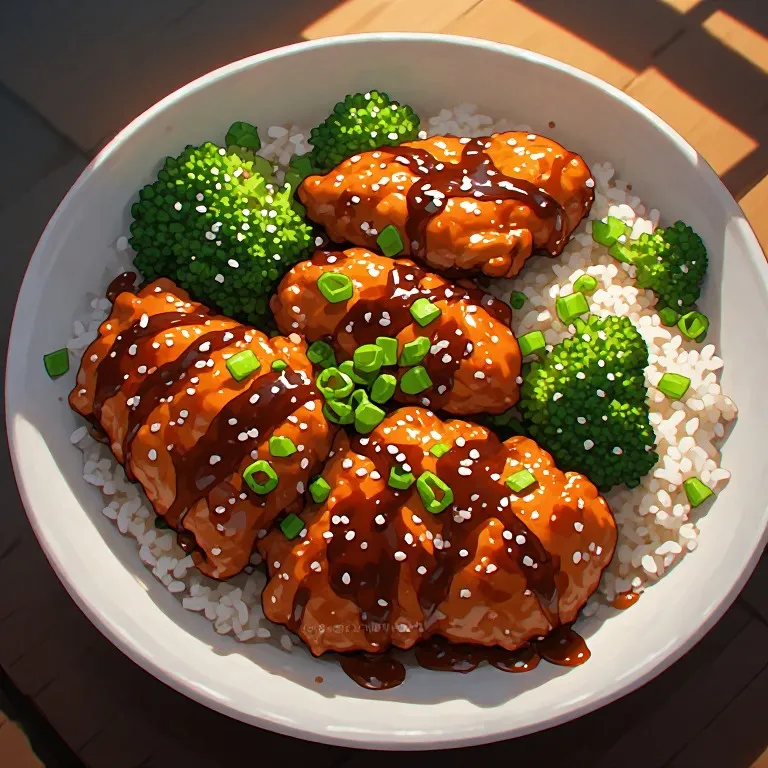



Viral TikTok Teriyaki Chicken Bowl — The Meal Prep King
This bowl went viral for a simple reason: it solves a real problem. Most high-protein meal prep is either boring, dry, or requires ingredients that don’t hold well in the refrigerator. Teriyaki chicken thighs over jasmine rice checks every box — 38 grams of protein per serving, stays juicy for four days in the fridge, reheats without turning to sawdust, and takes less than 35 minutes to make.
The bottled teriyaki sauce in your cabinet is also the reason your previous attempts didn’t taste like the restaurant. Once you make the sauce from scratch, you won’t go back.
Why the Homemade Sauce Changes Everything
Bottled teriyaki sauce is sweetened aggressively and lacks depth — the sugar hits immediately and the flavor disappears. Homemade teriyaki built on mirin, sake, and brown sugar tastes completely different: the mirin adds a subtle sweetness with fermented complexity, the sake contributes a faint fruity note that lifts the whole sauce, and the fresh ginger and garlic give you aromatic layers that no bottled product can replicate.
The other difference is the reduction. When you simmer the sauce and add a cornstarch slurry, it transforms from a thin liquid into a glossy, lacquer-like glaze that clings to the chicken rather than running off. That clinging is crucial — it means every bite of chicken has the full sauce experience rather than a diluted smear.
Make the sauce first, before anything else. It needs time to reduce and will hold on low heat or at room temperature while the chicken cooks. Taste it before adding the slurry — it should be savory, slightly sweet, and more intensely flavored than you want the final dish to be, because the chicken will dilute it slightly when glazing.
The Cast Iron Sear: Why It Matters
The biggest mistake in most teriyaki chicken recipes is adding the sauce too early. If you pour teriyaki over chicken before it’s developed a proper sear, you get poached, pale chicken sitting in sweet liquid — technically cooked, texturally disappointing.
The sequence is everything:
- Pat the chicken completely dry — surface moisture creates steam, which prevents browning.
- Heat the cast iron until it smokes lightly. This takes 2 full minutes on high heat, longer than most people wait.
- Sear undisturbed. Six to seven minutes on the first side without moving the chicken allows the Maillard reaction to develop the deep golden crust that carries flavor.
- Add the sauce only in the final 2 minutes, basting repeatedly. The caramelization of the glaze on an already-seared surface is what creates the lacquered finish you see in TikTok videos of this dish.
One more rule: do not overcrowd the pan. 1.5 pounds of chicken thighs in a 12-inch cast iron is at the limit of what you can sear without steaming. If your pan is smaller, cook in two batches. The 5 minutes it adds is worth it.
Sesame Broccoli: Small Detail, Big Impact
Broccoli cooked in sesame oil and soy sauce might seem like an afterthought, but it pulls the whole bowl together. The sesame oil adds a nutty, toasty flavor that echoes the teriyaki glaze. Toss the broccoli immediately out of the hot water — the residual heat toasts the sesame seeds slightly without burning them.
The technique key: do not overcook the broccoli. Three to four minutes of blanching leaves it bright green and just tender with a slight bite. Mushy grey broccoli kills the texture contrast that makes a bowl feel complete.
Serving and Meal Prep
For immediate serving, slice the chicken against the grain (perpendicular to the muscle fibers), which shortens the fibers and makes each piece noticeably more tender. Pour any glaze that collected in the pan directly over the sliced chicken.
For meal prep, store the rice, chicken, and broccoli in separate containers. The sauce on the chicken will continue to hydrate the rice if stored together, making the rice gummy by day two. Keeping them separate and combining at eating time takes an extra container but makes day-four bowls taste almost as good as day-one.
Variations Worth Making
Salmon teriyaki bowl: The same sauce works beautifully with salmon. Sear skin-side down first for crispy skin, flip for 2 minutes, glaze in the final minute. Salmon cooks in roughly half the time of chicken thighs — watch closely.
Tofu teriyaki: Press a block of extra-firm tofu for at least 30 minutes, slice into thick slabs, and sear in a very hot cast iron the same way. The key is starting with adequately pressed, very dry tofu — wet tofu falls apart and steams instead of browning.
Cauliflower rice swap: Substituting cauliflower rice saves approximately 150 calories and cuts the carb load significantly. Sauté the cauliflower rice with a small amount of sesame oil and garlic for 3–4 minutes to drive off excess moisture before serving.