There are two kinds of healthy TikTok recipes. The first kind looks appealing in the video, tastes like nutritional obligation, and gets made once. The second kind gets made again — by you, and by people you cook for who weren’t specifically trying to eat healthily. This guide covers the second kind.
TL;DR: The best healthy TikTok recipes are organized below by category — high-protein dishes, salmon, salads and bowls, plant-based dinners, breakfasts, and snacks. Each link goes to the full recipe with technique notes and verified ingredient quantities. Start with the green goddess salad, the cottage cheese flatbread, or the miso salmon; all three are fast enough to try on a weeknight and good enough to repeat.
Start Here: The 9 Best Healthy TikTok Recipes at a Glance
If you only make a handful, make these. They are the ones that get repeated and served to people who weren’t trying to eat healthily.
| Recipe | Category | Standout number | Why it earns the repeat |
|---|---|---|---|
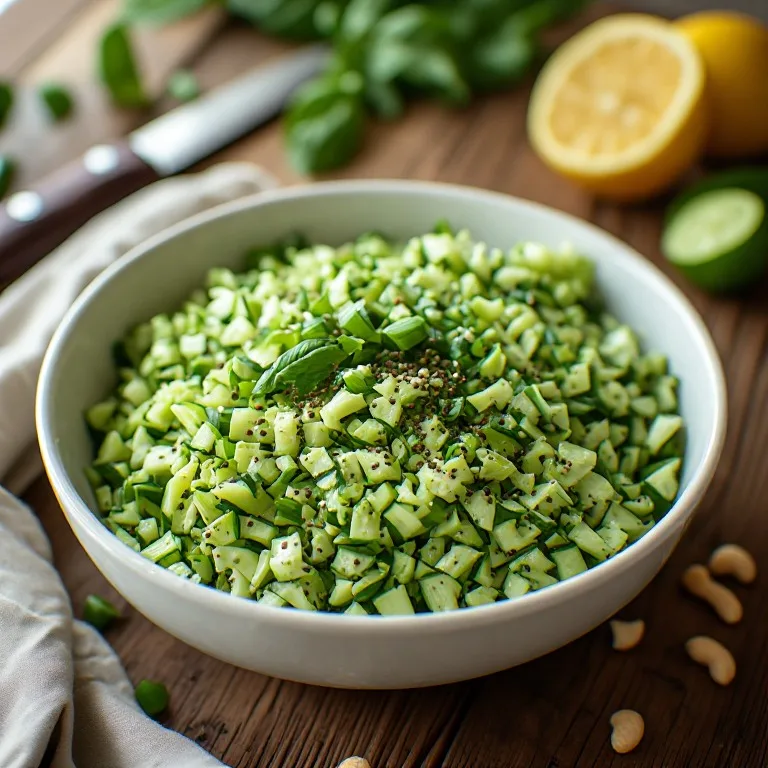
| Green Goddess Salad | Salad | 580M views · 15 min | Cashew-herb dressing delivers flavor far bigger than the ingredient list |
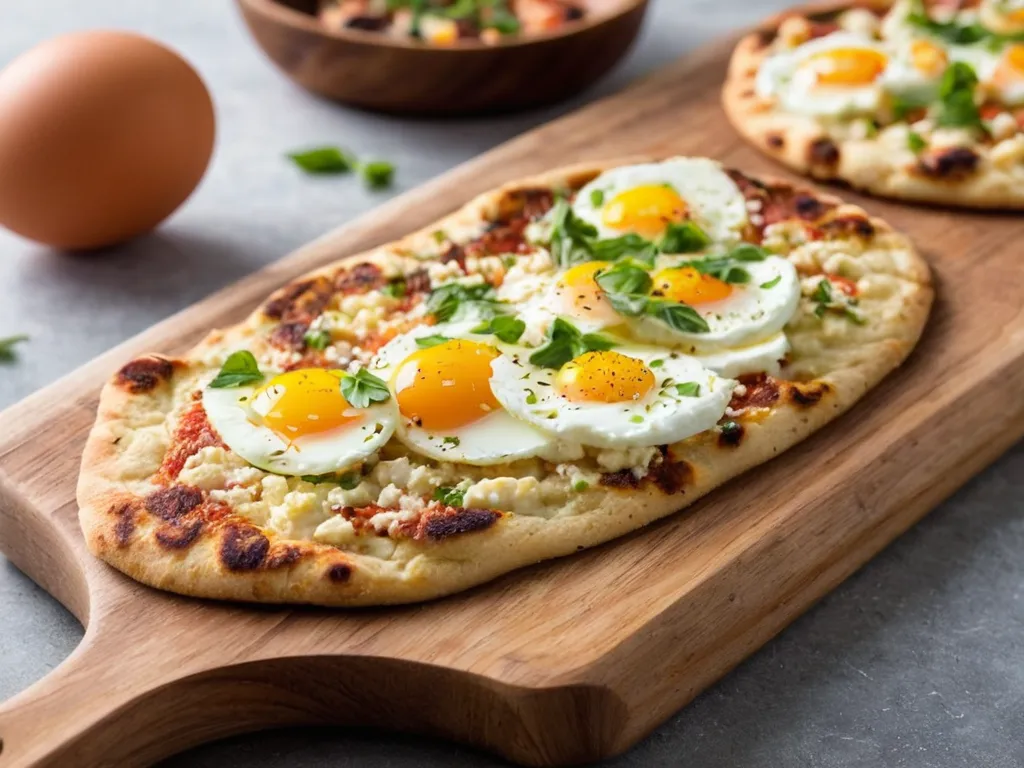
| Cottage Cheese Flatbread | High-protein | ~20g protein · no flour | Two base ingredients, bakes hands-off, works as a wrap or pizza base |
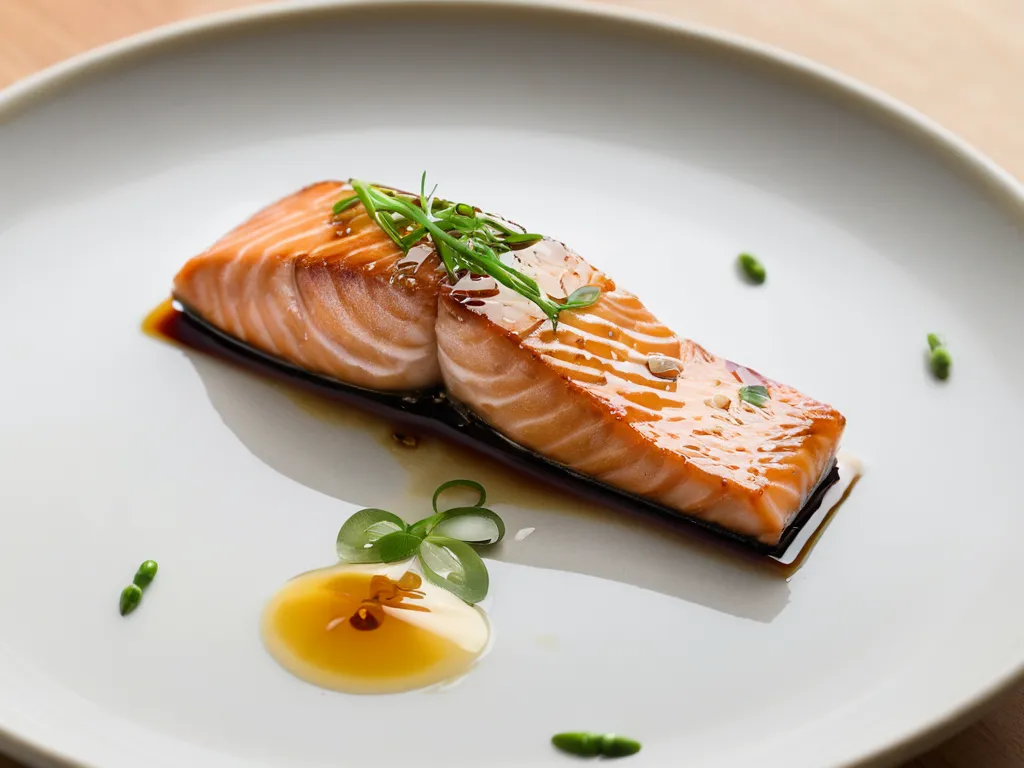
| Miso Salmon | Salmon | 35g protein · 12 min | 4-ingredient glaze that caramelizes like $35 restaurant fish |
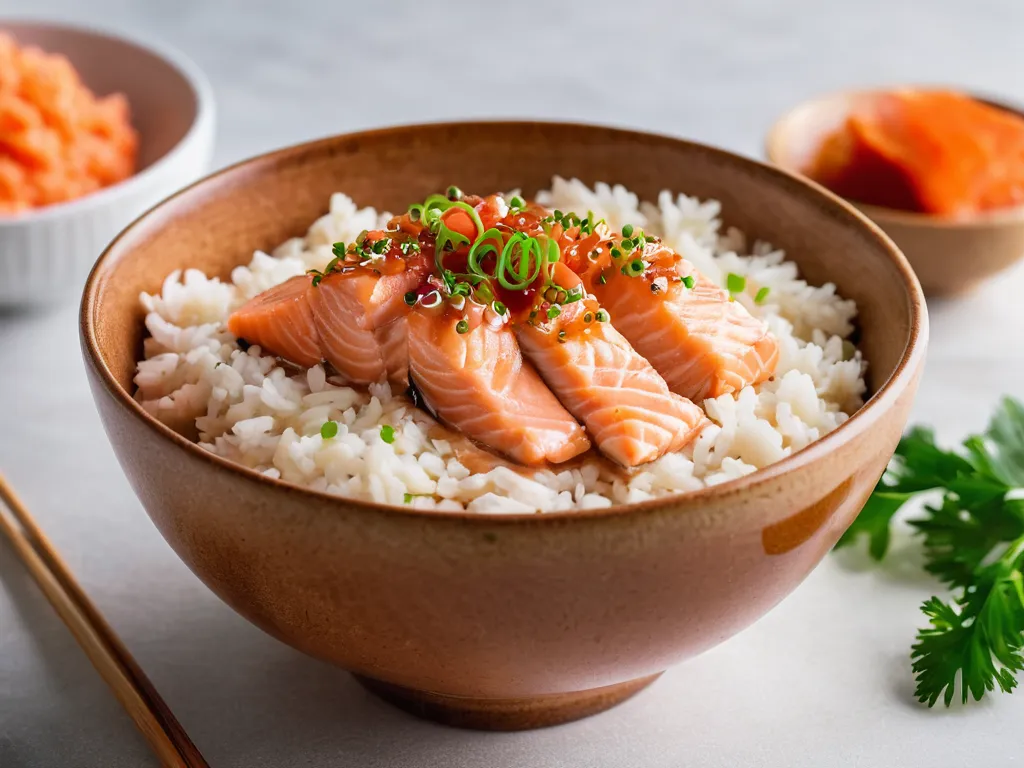
| Emily Mariko Salmon Rice Bowl | Salmon | 90 seconds | The microwave-steam trick that made leftover rice exciting |
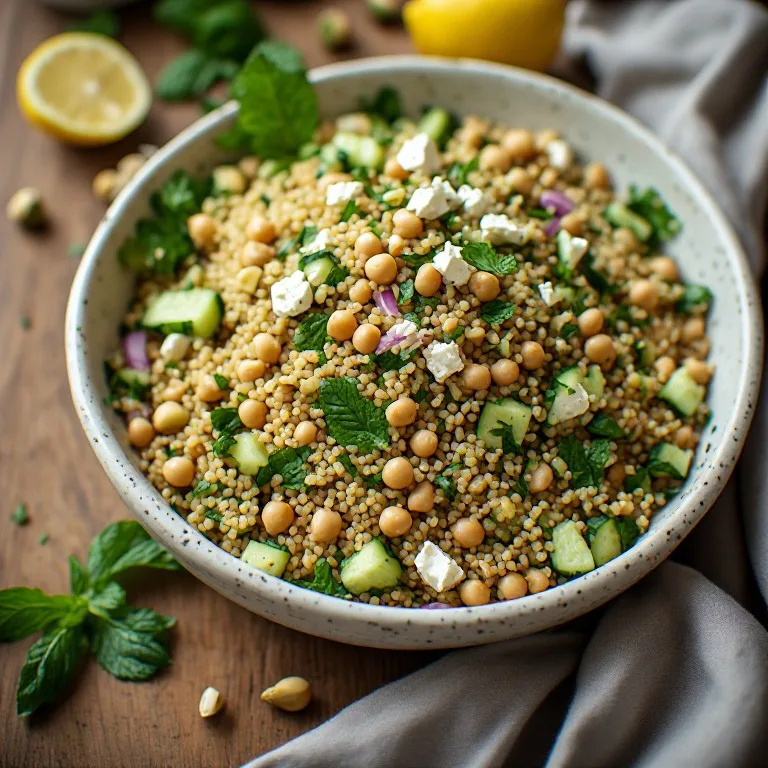
| Jennifer Aniston Salad | Salad/bowl | 3–4 day keep | Bulgur + chickpeas make a complete protein that tastes nothing like diet food |
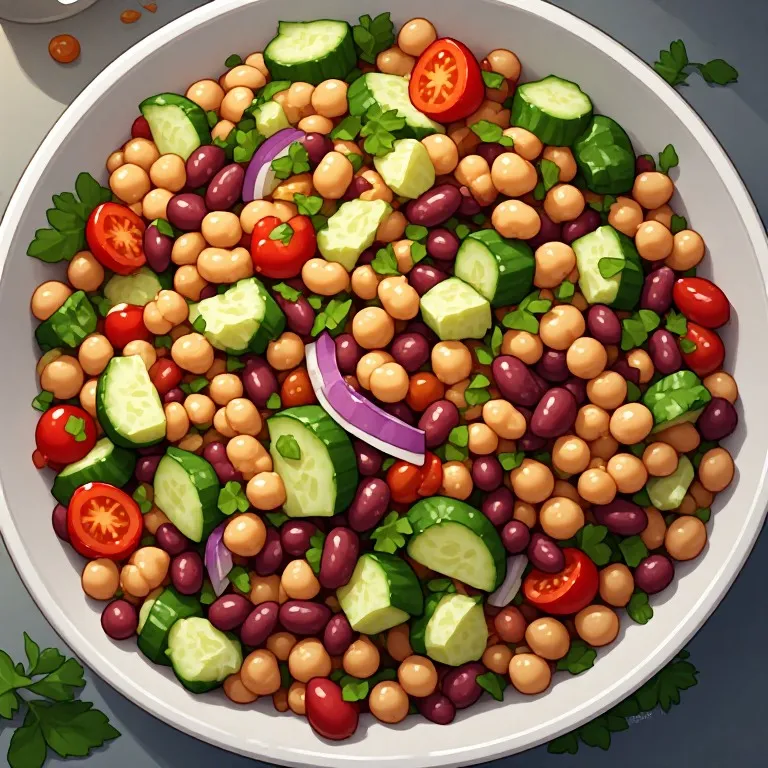
| Dense Bean Salad | Salad/bowl | 5-day meal prep | No cooking; the beans soften and it gets better overnight |
| Marry Me Lentils | Plant-based | 0 meat | The creamy, rich plant-based dinner that regularly converts skeptics |
| Egg White Bites | High-protein | ~12g protein · 150 cal | Starbucks copycat; the water bath makes them custardy, not rubbery |
| Baked Oats | Breakfast | 5-min prep | Cake-like texture; batch 4–5 ramekins for the week |
The High-Protein Category (The Cottage Cheese Era)
TikTok’s relationship with cottage cheese started in 2023 and hasn’t stopped. The reason is practical: cottage cheese has roughly 14g protein per half cup, blends completely smooth, and can substitute for cream, butter, or flour in ways that produce food that actually tastes good rather than just passable. These are the recipes from that wave that held up:
Cottage Cheese Flatbread — 1 cup cottage cheese + 2 eggs + seasonings, blended smooth and baked at 350°F for 35 minutes. No flour. About 20g protein per flatbread, roughly 4g carbs. This is the recipe that went viral in May 2024 (Good Morning America covered it); it works. The critical rules: use full-fat (4%) cottage cheese, blend completely smooth, and cool on the parchment 10 minutes before removing or it tears. Use it as a flatbread, wrap it around fillings, or top it like a pizza.
Cottage Cheese Pancakes — blended cottage cheese + eggs + oat flour + baking powder. The texture is closer to a slightly denser regular pancake than the egg-white protein pancakes of a decade ago. About 25–30g protein per serving of 4 pancakes.
Egg White Bites — the Starbucks egg white bites copycat, made in a muffin tin or silicone cups in a water bath. One serving (2 bites) is roughly 150 calories and 12g protein. The water bath is not optional — it’s what gives the custard-like texture instead of rubbery protein muffins.
Protein Granola — oats, nut butter, protein powder or Greek yogurt binder, baked at low heat. The trick is a low temperature (275°F) and not stirring during baking, which produces actual clumps rather than loose oat pieces.
Protein Yogurt Cups — Greek yogurt layered with granola, fruit, and a drizzle of honey in a jar. Meal-prepped on Sunday for the week. The difference from plain yogurt: layering order (fruit on the bottom prevents sogginess) and using full-fat Greek yogurt (Fage 5% or Chobani whole milk) for a texture that actually tastes like dessert.
High-Protein Broccoli Rice Casserole — brown rice, broccoli, and a cottage cheese–based sauce instead of a cream-of-soup base. About 35g protein per serving. One of those recipes where the swap is invisible — you cannot taste the cottage cheese.
Cottage Cheese Ice Cream — full-fat cottage cheese blended smooth with a sweetener and frozen for 2 hours. Not the same as actual ice cream, but genuinely better than expected: creamy, scoopable, and 13–15g protein per serving.
The Salmon Category (The Easiest Healthy Protein)
Salmon went viral on TikTok several times for the same reason: it cooks in under 15 minutes, it doesn’t need to be babied, and it tastes expensive relative to what it costs. These are the recipes worth knowing:
Miso Salmon — 4 ingredients (miso paste, mirin, soy sauce, sesame oil), mixed and brushed on salmon fillets, broiled for 10–12 minutes. Under 300 calories per fillet, 35g protein. The miso caramelizes under the broiler, which is what restaurant glazed fish costs $35 to produce. Make this at least once before deciding you don’t like salmon.
Everything Bagel Salmon — cream cheese thinned with lemon juice spread on the fillet, topped with everything bagel seasoning, baked at 400°F for 12–15 minutes. The cream cheese crust protects the salmon from drying out and acts as a sauce.
Bang Bang Salmon — salmon bites (cubed, not full fillet) tossed in bang bang sauce (mayo + sweet chili sauce + sriracha). Air-fried or pan-fried. The cubed format cooks faster and distributes the sauce differently than a whole fillet.
Honey Garlic Salmon — a glaze of honey, soy sauce, garlic, and butter, spooned over salmon fillets during the last few minutes of cooking. Sheet pan version takes about 20 minutes total.
Sheet Pan Lemon Herb Salmon — salmon fillet plus vegetables (asparagus, cherry tomatoes, or zucchini) on a single sheet pan at 425°F for 12–15 minutes. The whole dinner cooks at once.
Emily Mariko Salmon Rice Bowl — the recipe that made leftover salmon and cold rice exciting: salmon + day-old rice in a bowl, topped with Kewpie mayo + sriracha, covered with a damp paper towel, and microwaved 90 seconds. The condensation resteams the rice. Simple enough that you’d dismiss it — until you try it and realize it’s the best 90-second meal available.
Salmon Bites — salmon cubed and air-fried, served over rice or greens with a sauce. The air fryer gives crispy edges a pan can’t produce without overcooking the center.
Salads and Bowls (The Format That Keeps Working)
The bowl and grain salad format became dominant on TikTok healthy food because it’s genuinely satisfying — not “I ate a sad bowl of leaves” but “I ate a full meal.” The key is building the bowl correctly: a base grain, a real protein, roasted vegetables, a sauce, and something for crunch.
Green Goddess Salad — Baked by Melissa’s 580M-view cabbage and cucumber salad with a cashew-herb blended dressing. The flavor payoff (creamy, tangy, savory) is genuinely disproportionate to the ingredient list. The aggressive chopping technique is both the visual hook and the actual technique — it mixes the dressing into the vegetables better than tossing.
Jennifer Aniston Salad — the bulgur wheat, chickpea, cucumber, red onion, feta, fresh mint, and lemon-olive oil dressing salad she reportedly ate on the set of Friends. The claim about the Friends set is probably not true; the recipe is real and excellent. Bulgur and chickpeas together make this a complete protein with enough fiber to stay full until dinner.
Dense Bean Salad — three or four types of canned beans, chopped raw vegetables (cucumber, red onion, bell pepper), and a sharp lemon-herb vinaigrette. No cooking. Gets better after 24 hours in the fridge. This one got mocked when it went viral (“congrats you made a bean salad”) and then quietly became a lunch staple for people who actually tried it.
Harvest Bowl — the Sweetgreen-style bowl: roasted sweet potato and Brussels sprouts over warm wild rice with apple slices, candied pecans, goat cheese, and apple cider vinaigrette. More assembly than cooking. Under 500 calories for a genuinely filling meal.
Mediterranean Bowl — grain base (farro, quinoa, or brown rice) with hummus, roasted red peppers, chickpeas, cucumber, tomato, kalamata olives, feta, and lemon-tahini dressing. No single technique required; the components work cold or warm.
Crispy Rice Salad — day-old rice pan-fried in oil until the bottom is a crust, then broken into pieces and tossed over salad greens with a sesame dressing. The crispy rice is the crouton upgrade you didn’t know existed.
Sweet Potato Tahini Bowl — roasted sweet potato wedges, chickpeas, and kale over a base, with a lemon-garlic tahini dressing. The dressing is the recipe: use cold water to thin the tahini (counterintuitively, this makes it creamy and light rather than thick and bitter).
Crunchy Chickpea Bowl — the bowl format at its simplest: greens, roasted chickpeas (crispy at 425°F with cumin and paprika), cucumber, tomato, red onion, tahini dressing. Good for weeknights when you don’t want to cook a protein.
Kale Crunch Salad — a Chick-fil-A style kale salad with sliced cabbage, roasted almonds, and apple cider vinaigrette. The massage-the-kale step (30 seconds of working the dressing into the leaves by hand) converts raw kale into something actually pleasant to eat.
Poke Bowl — sushi-grade tuna or salmon cubed and marinated in soy, sesame oil, and rice vinegar, served over sushi rice with edamame, cucumber, avocado, and pickled ginger. The quality of the fish matters here more than the technique.
Plant-Based Dinners (That Non-Vegetarians Eat)
These are the plant-based recipes that function as real dinners rather than side dishes dressed as entrees:
Smashed Lentil Tacos — cooked lentils smashed in a hot pan with cumin, chipotle, and lime until they have real texture and char. The smashing technique is what makes these work — dry-ish, slightly crispy lentils hold together in a taco in a way that whole lentils don’t.
Marry Me Lentils — the “marry me” sauce format (sun-dried tomatoes, cream, parmesan, garlic, red pepper) applied to lentils instead of chicken. The sauce is legitimately rich and creamy; the lentils absorb it and become silky. This is the one plant-based dinner that regularly converts skeptics.
Turkish Red Lentil Soup — red lentils cooked with tomato paste, cumin, and smoked paprika, blended smooth, finished with a butter-and-paprika swirl. Warming, savory, and thick enough to serve as a main. About 280 calories per bowl with 18g protein.
Tuscan White Bean Soup — cannellini beans simmered with kale, parmesan rind, and rosemary. The parmesan rind is the technique: it dissolves slowly and creates a complex, savory broth out of what would otherwise be plain bean soup.
Roasted Cabbage Steaks — cabbage halved, brushed with olive oil and seasoning, roasted at 425°F until deeply caramelized on the flat side. What gets dismissed as a diet side dish turns into something caramelized, tender in the center, and crispy at the edges. Top with tahini or a soft poached egg to make it a main course.
Crispy Chickpeas — canned chickpeas drained, dried very well, tossed in oil and seasoning, roasted at 425°F for 30–40 minutes. What makes them work: the drying step (the chickpeas must be truly dry before they hit the oven) and high heat. Use them as croutons, a snack, or a bowl component.
Bang Bang Cauliflower — cauliflower florets tossed in bang bang sauce (mayo + sweet chili + sriracha) and air-fried or roasted until caramelized. A genuinely satisfying vegetable side that reads as indulgent despite containing mostly cauliflower.
Balsamic Brussels Sprouts — halved Brussels sprouts roasted cut-side down at 425°F, tossed in balsamic glaze with honey during the last 5 minutes. The cut-side-down method is the technique: direct contact with the hot pan produces maximum caramelization on the flat surface.
Broccoli Salad — raw broccoli, cheddar, sunflower seeds, red onion, and bacon (omit for vegetarian) with a creamy apple cider vinegar dressing. Broccoli holds up for days without wilting. A standard potluck dish that earned multiple viral cycles because it works.
Breakfasts That Are Actually Breakfast
These are whole-food breakfasts that became viral because they’re better than the alternatives, not because they’re a health product in disguise:
Baked Oats — oats blended with egg, milk, banana, and whatever mix-ins you want, baked in a ramekin or mug for 20–25 minutes. The texture is somewhere between a soft cake and a dense oat pudding. Make 4–5 at once for the week.
Chia Pudding — 3 tablespoons chia seeds stirred into 1 cup milk (any kind), left in the fridge overnight. The seeds absorb the liquid and form a thick, tapioca-like pudding. About 10–12g fiber per serving, zero cooking. Customizable with vanilla, cocoa powder, or fruit.
Avocado Egg Toast — not a trend at this point, just a consistently good breakfast. The TikTok version adds grated egg on top using a box grater (texturally better than a fried egg on avocado toast; the soft yolk distributes into the avocado instead of sliding off).
Pesto Eggs — 1 teaspoon of pesto in the pan instead of butter, egg fried directly in it. 5 minutes. The pesto basil and parmesan flavor the whites and leave a slight char on the bottom. Better than it sounds; worth trying before dismissing.
Savory Oatmeal — rolled oats cooked in broth instead of water, topped with a soft-boiled egg, green onion, and soy sauce. Works well if you’re someone who finds sweet breakfasts too much in the morning.
Açaí Bowl — frozen açaí blended with a small amount of liquid into a thick smoothie base, topped with granola, banana, and honey. Açaí itself has legitimate antioxidant density; the bowl format makes it filling. Worth making at home: açaí bowls at shops run $12–16, and the at-home version costs about $4 per bowl using frozen açaí packs.
Green Smoothie — 2 cups spinach or kale + frozen banana + milk or water + anything else, blended. Spinach is genuinely tasteless when frozen and blended; the banana dominates. A smoothie with 1.5–2 cups of spinach tastes like banana and contains a full serving of vegetables.
Green Juice — cucumber, celery, green apple, lemon, and ginger juiced or blended and strained. Better as an occasional addition than a daily driver (juicing removes fiber; the whole vegetable or smoothie version is more filling and nutritionally complete). But a good green juice is refreshing and not interchangeable with a smoothie.
Snacks and Light Meals
Crunchy Ramen Salad — dry uncooked ramen noodles crushed and mixed into a slaw with sesame-soy vinaigrette. The raw ramen is intentional; it adds crunch without cooking. Classic potluck dish that went viral again because the technique is genuinely unexpected.
Frozen Yogurt Bark — Greek yogurt spread thin on a parchment-lined sheet pan with granola, berries, and honey drizzled on top, then frozen for 2 hours and broken into pieces. A real snack that’s genuinely satisfying and low-cost.
Frozen Fruit Yogurt Clusters — berries dipped in yogurt, frozen on a parchment sheet. Easier to make than frozen bark and works as a snack or dessert.
Cortisol Cocktail — magnesium glycinate, ashwagandha, tart cherry juice, and lemon water combined. Not a cocktail — a functional wellness drink. The tart cherry is real (contains melatonin precursors); the adaptogen effects of ashwagandha are more modest. This one lands in healthy-adjacent.
Homemade Electrolyte Drink — water, lemon juice, a small amount of honey or coconut sugar, and a pinch of salt. Approximates commercial electrolyte drinks for a fraction of the cost and with no food coloring or artificial sweeteners.
What “Healthy TikTok Food” Actually Means in 2026
The healthy food category on TikTok shifted meaningfully after 2024. The earlier wave was restriction-oriented: low-calorie substitutes, “guilt-free” versions of things you actually wanted, and GLP-1 tie-in content. The 2025–2026 wave is different. The videos that perform well now focus on:
Protein quantity. Not obsessively, but there’s now genuine fluency among TikTok food creators about protein content per serving — 30g protein per meal as a target has become normalized in a way it wasn’t before. The cottage cheese boom, the Greek yogurt boom, and the entire salmon category are all expressions of this.
Whole-food ingredients. The recipes that keep circulating — green goddess salad, dense bean salad, Jennifer Aniston salad — have no processed ingredients and no substitutions. They’re just real food, made well.
Taste as the filter. The older era of healthy TikTok content had a resigned quality to it (“this is actually not that bad”). The current wave insists on food that tastes genuinely good. The test has always been: would you make this again, and would you serve it to someone who wasn’t trying to eat healthily?
The recipes in this guide were chosen with that test in mind.