

Pin It

Viral TikTok Thai Basil Chicken (Pad Kra Pao) — Thailand's Most-Ordered Dish at Home

Viral TikTok Thai Basil Chicken (Pad Kra Pao) — Thailand's Most-Ordered Dish at Home
Jump to Recipe
Prep 10 min Cook 12 min Serves 2
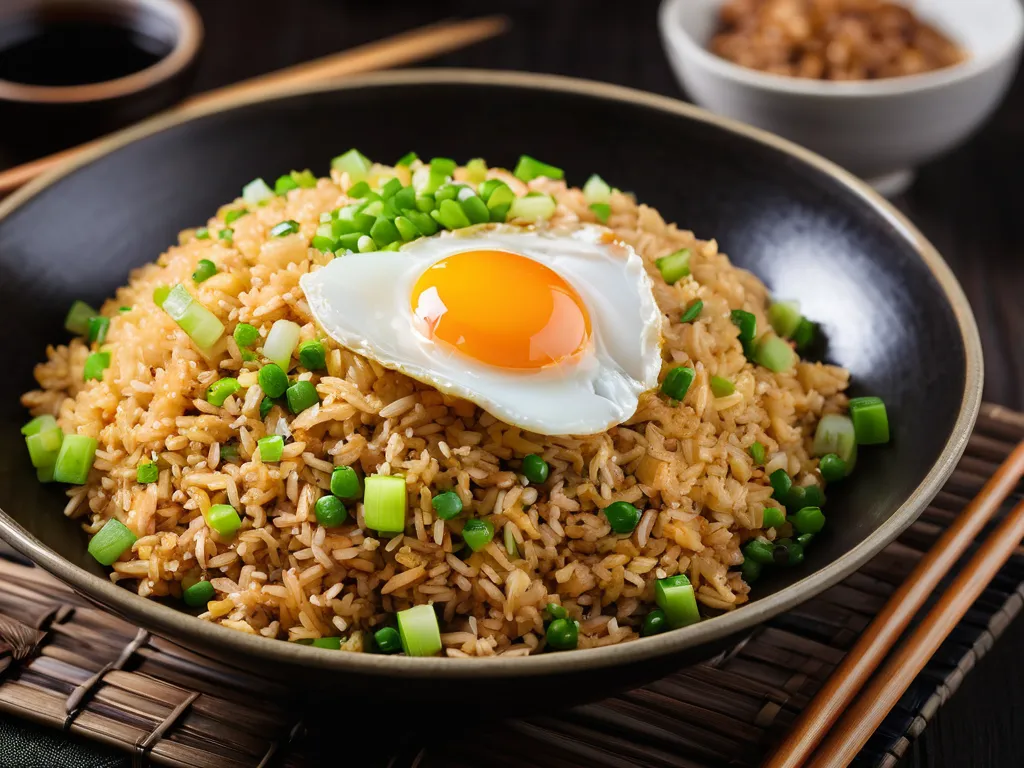
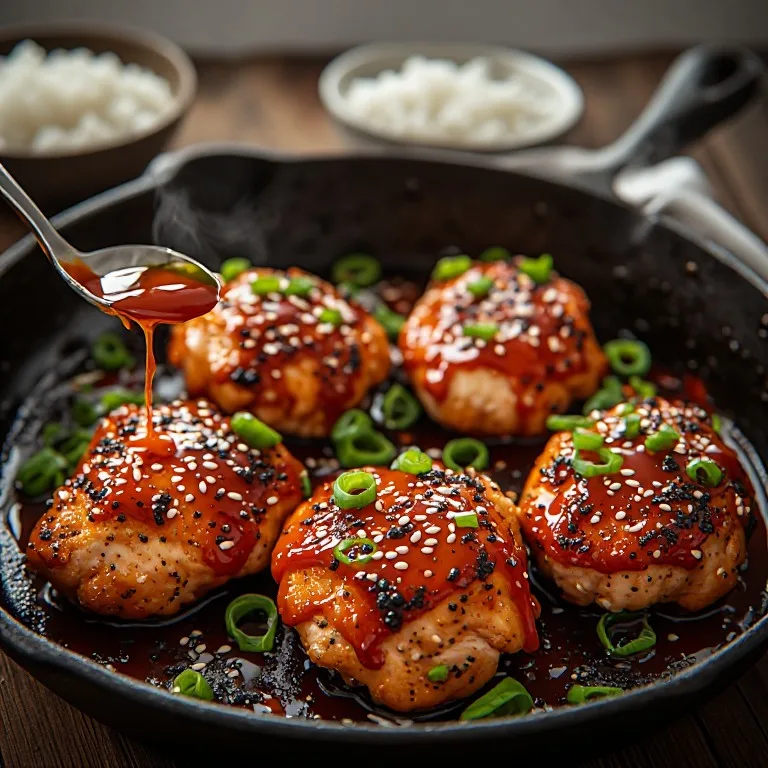
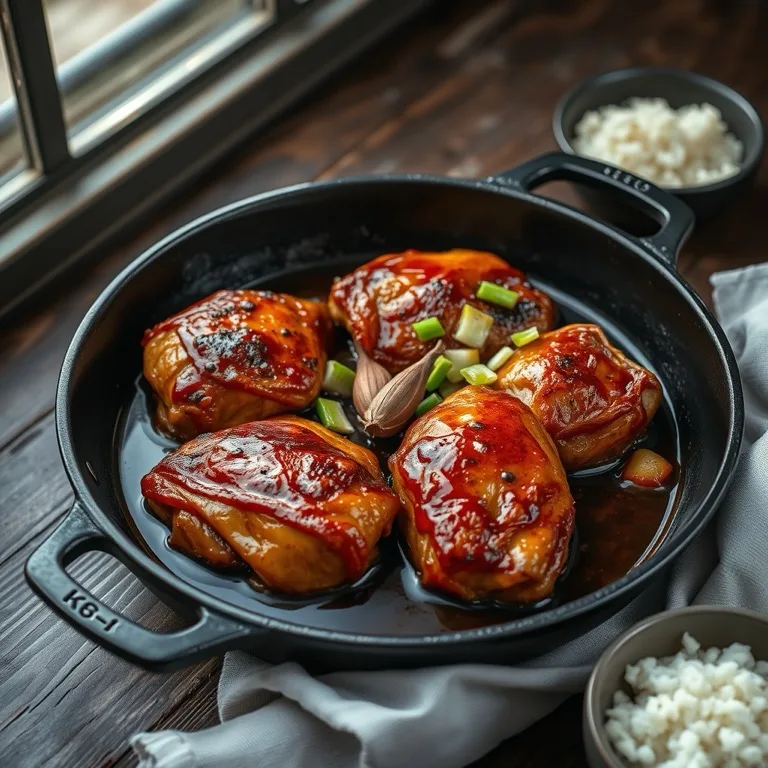
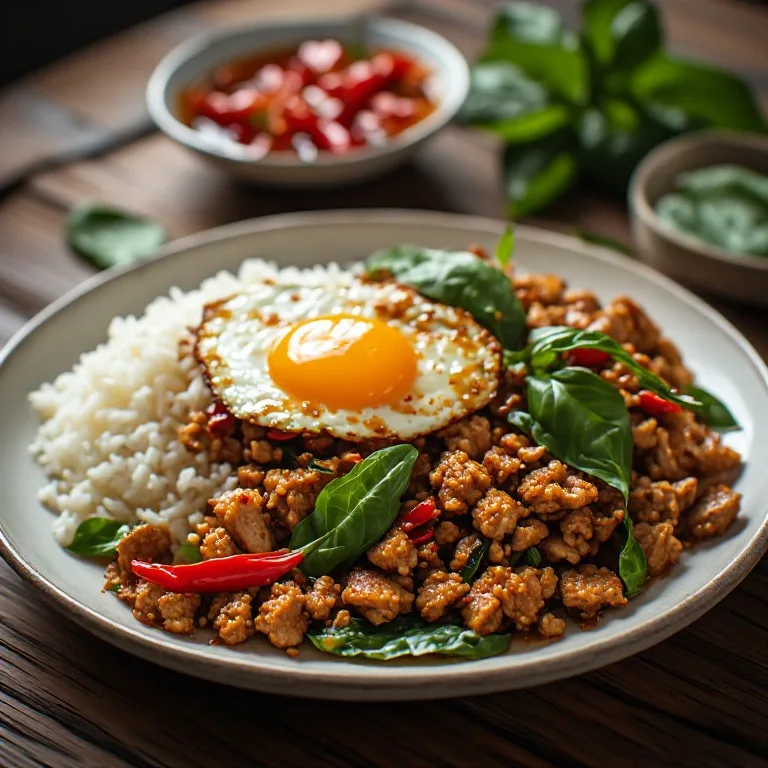
Quick answer: Mix your sauce: 2 tablespoons oyster sauce, 1 tablespoon fish sauce, 1 tablespoon soy sauce, 1 teaspoon dark soy sauce, 1 teaspoon sugar, and 1 tablespoon water. Heat 2 tablespoons neutral oil in a wok or large skillet over high heat. Add 8 minced garlic cloves and 3 to 4 sliced bird's eye chilies and stir-fry 30 seconds. Add 1 lb ground chicken, break it into small pieces, and cook 4 to 5 minutes until done. Pour in the sauce and toss to coat. Cook 30 more seconds. Remove from heat and fold in 1 large handful of holy basil leaves (about 1 cup packed) — they wilt in the residual heat. Fry eggs separately: heat 2 tablespoons oil per egg in a small pan over high heat until nearly smoking. Crack the egg in — it should bubble and spit immediately. Cook 60 to 90 seconds until the edges go crispy and lacy while the yolk stays runny. Plate jasmine rice, spoon the chicken over the top, and place the fried egg on top of everything. Holy basil (kra pao) is the authentic leaf — it has a peppery clove bite; Thai basil (horapa) is sweeter but works. The egg needs more oil than you think to get those lacy edges.

Shop the tools

Gear matched to this recipe. These are Amazon affiliate links — we may earn a small commission if you buy, at no extra cost to you.

As an Amazon Associate, Copycat Spices earns from qualifying purchases. Product images are generic illustrations, not the exact item listed.

Viral TikTok Thai Basil Chicken (Pad Kra Pao) — Thailand's Most-Ordered Dish at Home

Pad kra pao at home: ground chicken stir-fried with garlic, fresh chilies, and holy basil in an oyster-fish sauce glaze. Why holy basil is not Thai basil, the sauce ratio that makes or breaks this dish, and how to fry the egg with the crispy lacy edges that complete the plate.

Easy Prep: 10 min Cook: 12 min Total: 22 min2 servings ~$4.50/serving
Prep10 min
Cook12 min
Total22 min
Servings
2
At home~$4.50/serving
vs
Restaurant~$20.25/serving
You save ~78%

The Story Behind the Recipe

Pad kra pao at home: ground chicken stir-fried with garlic, fresh chilies, and holy basil in an oyster-fish sauce glaze. Why holy basil is not Thai basil, the sauce ratio that makes or breaks this dish, and how to fry the egg with the crispy lacy edges that complete the plate.

Nutrition Facts

Per serving (2 servings)
Calories425
Total Fat25g
Total Carbs10g
Dietary Fiber1g
Sugars5g
Protein38g
Sodium1050mg

* Estimated values based on standard recipe preparation. Actual values may vary.

Ingredients

  • For the stir-fry
  • The sauce (mix before cooking)
  • For the fried egg (per serving)
  • To serve

Instructions

💡
Pro tip: This recipe tastes even better the next day. The flavors need time to meld together in the fridge.
❄️
Storage: Keeps in an airtight container in the fridge for up to 2 weeks. Freezer-friendly for up to 3 months.
🎃 Free Halloween cookbook — download now The Copycat Halloween Cookbook A ready-made, photo-illustrated PDF of our best halloween copycat recipes — free to download, no building required. Pay what you want to support if you love it.

Free PDF — instant download. We'll also send new seasonal copycat recipes now and then; unsubscribe anytime. Or just download it →

Pad kra pao (pad gaprao) is a Thai stir-fry of ground meat, garlic, fresh chilies, and holy basil, served over jasmine rice and topped with a crispy fried egg. It is one of the most-ordered dishes at Thai restaurants — not pad thai, not green curry, but this simple, savory, fast plate. It’s what cooks at street stalls in Bangkok make at 7am for workers heading to the office, what Thai families eat on a Tuesday when no one wants to cook, and increasingly, what is going viral on TikTok every time someone makes it properly at home and the comment section collectively realizes they’ve been missing this.

The dish takes 12 minutes. The technique is three steps: stir-fry aromatics, cook ground chicken, fold in sauce and basil. The part most recipes shortchange is the details inside those steps.

Holy Basil vs. Thai Basil: The Detail Most Recipes Skip

The dish is called pad kra pao — stir-fry kra pao. Kra pao is holy basil. The name tells you how central the leaf is.

Holy basil (bai gaprao) is peppery, slightly bitter, and carries a faint clove note that’s unlike any other basil. It wilts quickly in high heat, losing its sharp bite, which is why it goes in at the very end — the residual pan heat is enough to soften it without cooking away the character. When the dish is right, you can taste the basil as a distinct peppery element, not just a herb accent.

Thai basil (horapa) is what most Asian grocery stores stock. It’s sweeter, anise-forward, and milder. It produces a good dish — fragrant and pleasant — but the flavor is distinctly different. More herbal, less sharp. If you have access to a well-stocked Asian market, look for bai gaprao. If you don’t, Thai basil is the right substitute.

Italian basil is a distant third. It wilts into almost nothing in heat, contributes sweetness rather than the savory punch this dish relies on, and changes the flavor profile noticeably. Use it in a pinch, but manage your expectations.

The Sauce Ratio: Where Most Recipes Get It Wrong

The common mistake is too much oyster sauce. Oyster sauce is sweet and viscous — it’s the ingredient that makes the dish “sticky” and glossy, which is why recipe writers lean on it. But tilting the sauce oyster-heavy makes the dish sweet and thick rather than savory and punchy.

The authentic street-food ratio leans fish sauce-forward. Fish sauce is funkier and saltier — it’s what gives pad kra pao its savory depth. The oyster sauce is supporting cast: it provides body and a mild sweetness that rounds the edge of the fish sauce. Together they produce a sauce that tastes distinctly Thai rather than Chinese-American.

Dark soy sauce is purely for color. A teaspoon turns the chicken a rich brown that looks restaurant-level; skip it and the dish will be lighter in color but taste identical.

Pre-mixing matters more here than in most recipes. Pad kra pao cooks over high heat and moves fast — the chicken cooks in 4 minutes, the sauce is in and done in 30 seconds. If you’re measuring while cooking, something will overcook. Mix everything before the wok goes on the stove.

High Heat Is Not Optional

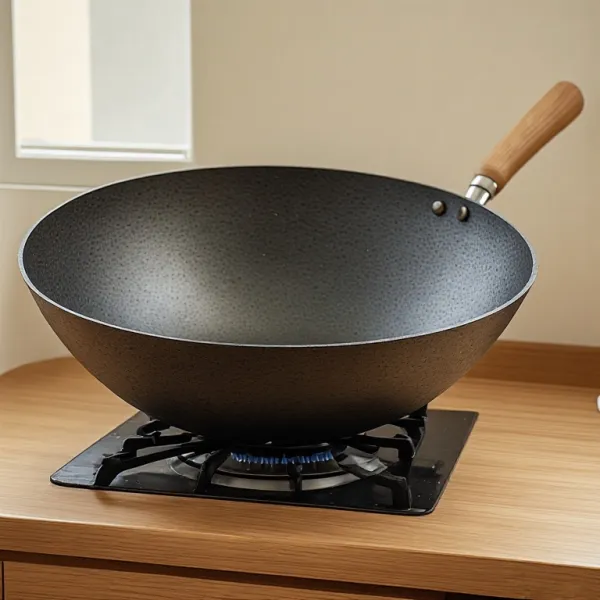
Pad kra pao is a wok-fried dish. Woks are designed to sit directly in flame and reach temperatures home ranges can’t match — 700°F or more. What happens at that temperature is called wok hei, the slightly smoky, charred quality that makes restaurant stir-fry taste different from the same dish made on a home burner.

You won’t fully replicate wok hei at home, but you can get close by:

  • Using the largest burner on your stove at maximum heat
  • Using a carbon steel wok or large stainless steel skillet that holds heat well
  • Not crowding the pan — every bit of surface area should be touching something
  • Cooking quickly and continuously rather than standing back and waiting

The goal with the aromatics is 30 seconds of actual frying: garlic that’s gone fragrant and just barely golden, not brown and bitter. The goal with the chicken is fast color — breaking and cooking, not stewing. The entire stir-fry phase is under 6 minutes.

The Fried Egg: Why It Needs So Much Oil

The defining egg for pad kra pao is not a soft scramble, not a gentle sunny-side up, not a basted hotel-style egg. It’s a specific Thai technique: oil that’s deep enough to come up the sides of the white, very high heat, quick cook. The white puffs and bubbles, sets in under 90 seconds, and the edges go crispy and lacy — browned, slightly chewy, with a completely soft yolk inside.

This is a different technique from how most Americans fry eggs. It uses more oil (2 tablespoons per egg, pooled in a small pan rather than spread across a large one), higher heat (nearly smoking, not medium), and a shorter cook time. The result is textural contrast that makes the dish: soft jasmine rice, saucy ground chicken, and then the crispy white and runny yolk that breaks over everything when you cut into it.

The most common failure is the right oil amount in the wrong-sized pan. Two tablespoons of oil in a 12-inch skillet spreads into a thin film — not enough depth to fry. Use a 6 to 8-inch pan so the oil pools properly, and get it hot before the egg goes in.

What “Fast” Actually Means Here

From prep to plate: 10 minutes of prep (mince garlic, slice chilies, strip basil leaves from stems, measure sauce), 12 minutes of cooking. You can comfortably do this on a weeknight. The rice takes longer to cook than the stir-fry — start it first and the timing works out perfectly.

The only genuine time constraint is the basil: once you’ve folded it in, you have about 5 minutes before it goes noticeably dark. Plan to have plates ready and rice already scooped before the chicken is done. This is a dish that plates and serves in one motion rather than one you keep warm.

Adjusting Heat

The recipe as written is medium-spicy with 3 to 4 bird’s eye chilies. Bird’s eyes are genuinely hot — roughly 50,000 to 100,000 Scoville units, which is considerably hotter than a serrano (10,000 to 23,000). Three de-seeded is where most non-heat-sensitive people can comfortably eat. Six with seeds in is the authentic Thai level, which most Americans find very hot.

If you’re cooking for a table with mixed heat tolerance, cook the stir-fry with minimal chili in the pan and serve extra sliced fresh chilies alongside. In Thailand, a small plate of chilies in fish sauce (prik nam pla) is the standard condiment — sliced bird’s eyes soaking in fish sauce with a squeeze of lime. Two to three tablespoons of fish sauce, a handful of sliced chilies, a squeeze of lime. It keeps in the fridge for two weeks and improves every rice-based Thai dish.
🥗

Make It Healthier

Love Viral TikTok Thai Basil Chicken (Pad Kra Pao) — Thailand's Most-Ordered Dish at Home but want a lighter version? Try these simple swaps:

  • ✓Ground chicken breast (instead of dark meat ground chicken) saves about 70 calories and 8g of fat per serving — the sauce provides enough moisture that lean breast doesn't dry out the way it does when simply pan-cooked.
  • ✓Reduce the oyster sauce to 1 tablespoon and increase fish sauce to 1.5 tablespoons for a lower-sugar, more savory profile. Oyster sauce carries hidden sugar; fish sauce is pure umami and salt.
  • ✓Use tamari instead of soy sauce and a certified gluten-free oyster sauce brand (some are) to make the dish fully gluten-free.
  • ✓Skip the fried egg or use a soft-poached egg instead — poaching drops the fat from 15g (fried) to under 5g while keeping the runny yolk that makes the dish work. Simmer 3 inches of water with a splash of white vinegar, create a gentle vortex, and slide the egg in for 3 minutes.

Frequently Asked Questions

What's the difference between holy basil and Thai basil — does it actually matter?

It matters more than most recipes admit. Holy basil (kra pao, bai gaprao) has a peppery, clove-like punch with a slightly bitter edge — it's the defining flavor of this dish, which is literally named after it (pad kra pao = stir-fry kra pao). Thai basil (horapa) is sweeter, anise-forward, and milder, more like an herbal hint than a bold flavor. When you eat the authentic version at a Thai restaurant and it tastes aggressively herby and faintly peppery, that's holy basil. The TikTok versions using Thai basil taste good but distinctly different — more fragrant, less peppery. Holy basil is available at Asian grocery stores; Thai basil works as a substitute if that's all you can find. Italian basil is a distant third — it wilts into nothing and adds sweetness rather than the savory punch the dish needs.

Why does this recipe use ground chicken instead of diced?

Ground meat is the traditional Thai format — pad kra pao with ground pork (or chicken) is the street-food standard you'll see at every Thai market stall. Small crumbled pieces cook in under 5 minutes, coat in the sauce evenly, and make every bite rice-plus-chicken-plus-sauce rather than distinct chunks. Finely chopped chicken thighs (about 1/4-inch pieces, not a uniform mince) work and produce a slightly meatier texture. Cubed chicken breast is the least traditional — it doesn't coat in the sauce the same way and takes longer to cook.

Why does the egg need so much oil?

The lacy, crispy egg white edges are not optional presentation — they're textural contrast that makes the dish. You get them by cooking the egg in oil that's both deep enough and hot enough to actually fry the bottom and sides of the white rather than just steam it. In 2 tablespoons of oil in a small pan, the oil pools to about ¼-inch depth; at nearly smoking temperature, the white hits the oil and immediately bubbles and puffs. The edges crisp in 60 to 90 seconds. In a larger pan with the same amount of oil, the oil spreads too thin and you get a regular fried egg — cooked through but no crispy edges. In cold or merely warm oil, same problem. The technique is Thai-style and specific: deep-ish oil, very high heat, small pan, quick cook.

Can I make this less spicy?

Yes — easily. Bird's eye chilies are the primary heat source. Three chilies with seeds removed gives moderate heat; one or two de-seeded gives mild. You can substitute one sliced red Fresno pepper (milder, fruitier) or one sliced serrano for color without the bird's eye intensity. Don't skip chilies entirely — a small amount of chili, even de-seeded, contributes flavor and the red-green visual contrast that's part of the dish. The sauce is not spicy on its own.

Can I meal prep this?

The stir-fry holds well — refrigerate up to 3 days and reheat in a hot pan with a splash of water to loosen the sauce. What doesn't hold: the basil (turns dark and loses fragrance by day two), and obviously the egg. For meal prep, fold the basil in fresh each time you reheat a portion, and fry a fresh egg per serving. The entire reheating process takes about 4 minutes if the rice is pre-cooked, making it genuinely fast for weeknight prep.

Can I use a different protein?

Ground pork is the most traditional substitution — slightly richer and more common in Thailand than chicken. Ground beef works but reads as distinctly not-Thai. For a vegetarian version, finely crumbled extra-firm tofu pressed and dried (30 minutes under a weight to remove moisture) works well — it won't brown as crisply as meat but takes the sauce well. Thinly sliced flank steak (against the grain, 1/4-inch slices) can be used instead of ground, but reduce cook time to 2 minutes so it doesn't toughen.

What do you serve alongside pad kra pao at a Thai meal?

In Thailand, pad kra pao is usually a one-dish meal — rice plus stir-fry plus egg. If you want to build it into a larger spread: a simple Thai cucumber salad (sliced cucumber + rice vinegar + sugar + fish sauce + a pinch of chili) cuts the richness of the oyster sauce perfectly. Clear Thai egg drop soup (a few eggs swirled into chicken stock with fish sauce and green onion) is a light pairing. Avoid starchy sides — the rice is the carb base; adding noodles or another carb makes the meal heavy.

Love this recipe? Share it!

Free PDF: our 12 most-wanted copycat recipes — instant download.

Made it? Buy us a coffee

Every recipe here is free, with no paywalls. If this one was a hit at your table, a small tip keeps new copycats coming.

$

Ratings & Reviews

—
No ratings yet

Rate this recipe

Click a star to rate

Leave a Review

0/500

CS

Copycat Spices Editorial

Researched + fact-checked. Every recipe on Copycat Spices is built from published sources — official ingredient lists, brand-published recipes, interviews and food-science references — and fact-checked before it goes live, then written as clear, step-by-step instructions for home cooks of all skill levels.

Learn more about our mission →