


Tteokbokki — Korea’s Spiciest Street Food Obsession
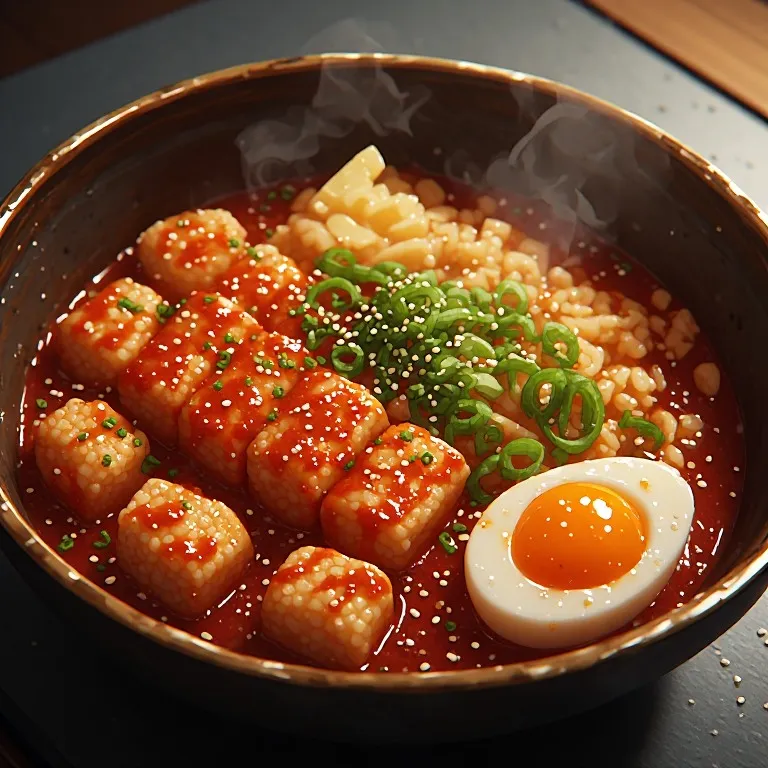
Walk past any pojangmacha (Korean street food tent) and the smell hits you first: sweet, fiery, slightly smoky. Then you see it — a flat griddle pan bubbling with crimson sauce and fat, bouncy rice cakes. Tteokbokki (pronounced ddeok-bbok-ki) has been feeding Korean street food lovers since the 1950s, but it took TikTok about fifteen seconds to make it a worldwide craving. Searches for the dish explode every time a creator films that satisfying pull of a sticky rice cake through thick, glossy gochujang sauce.
The Sauce Is Everything
Gochujang is the backbone — a fermented Korean red pepper paste that brings heat, depth, and a faint sweetness all at once. Unlike hot sauces built on vinegar, gochujang has body. When it reduces in a broth, it coats the rice cakes in a lacquer that clings to every bite. The classic ratio balances gochujang with a hit of soy sauce (umami), sugar (sweetness), and gochugaru (pure heat). The anchovy-kelp broth pulls everything together with a savory backbone that water alone cannot replicate — but water still works if you’re in a hurry.
Getting the Tteok Right
Fresh rice cakes cook in about 8 minutes. Refrigerated ones are harder and need a 30-minute cold water soak before they’ll soften without bursting. Frozen tteok should be thawed overnight in the fridge. You’ll know they’re ready when you can pierce one cleanly with a chopstick and feel resistance — not hardness, not mush. That’s the sweet spot: the chewy, springy QQ texture that makes tteokbokki so addictive.
Street-Cart Serving Style
In Seoul, tteokbokki is eaten standing up from a paper cup, with toothpicks to spear the rice cakes. At home, pile it into wide shallow bowls so the sauce pools at the bottom. Tear off a corner of fish cake and drag it through the sauce. Slice the soft-boiled egg in half and let the yolk swirl in. A cold Korean beer or sikhye (sweet rice punch) is the traditional pairing.
Three Variations to Try
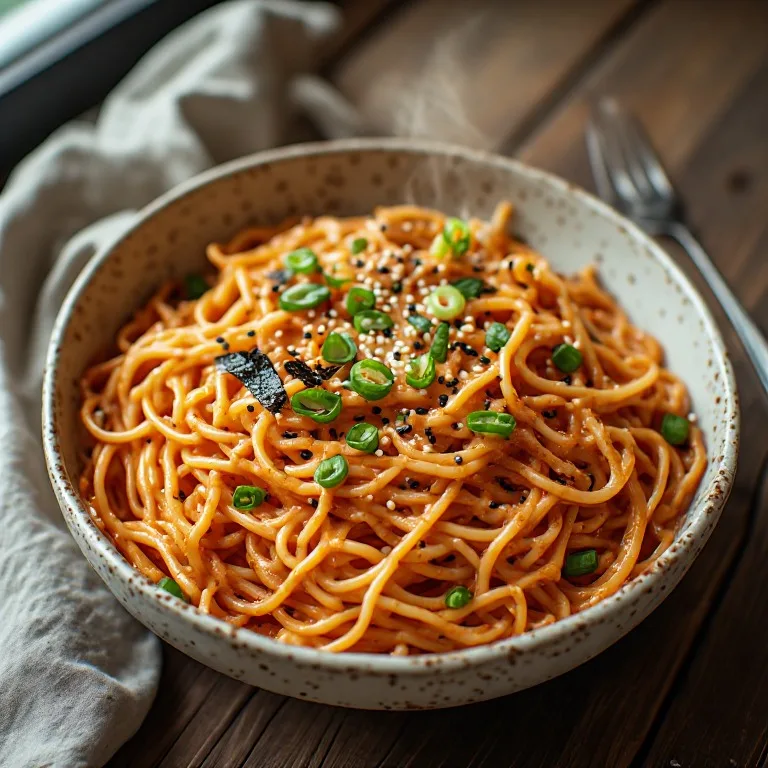
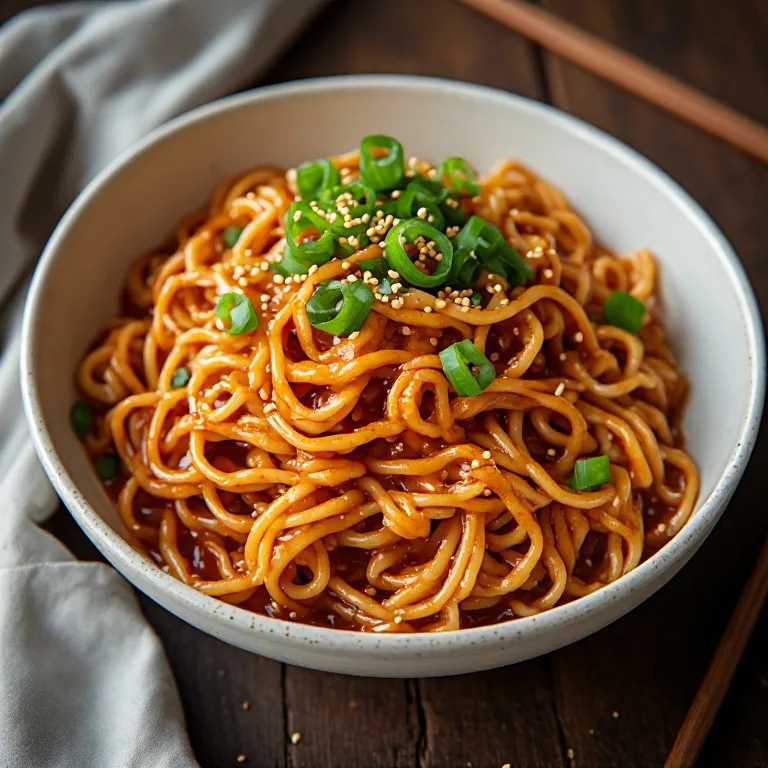
Rabokki: Add a brick of instant ramen in the last 5 minutes. The noodles drink up the sauce, go slippery and spicy, and make the dish into a full, filling meal. Korean food carts serve this at every school gate.
Rosetteokbokki: Stir in a generous splash of heavy cream or a spoonful of cream cheese at the very end. The sauce turns a burnt orange, the heat softens, and the result is rich and luscious — the version that first blew up on Korean Instagram before TikTok caught on.
Gungjung (royal) tteokbokki: The dish’s aristocratic ancestor uses soy sauce instead of gochujang, tossed with beef, mushrooms, and vegetables. Mild, elegant, and completely different — worth making just to appreciate how far the street version diverged.
Tteokbokki proves a dish does not need complexity to be great. Chewy + spicy + sweet, cooked in one pan in under twenty minutes. That’s the recipe. That’s why it never stops trending.