Viral TikTok Creamy Buldak Pasta (The Spicy Korean Fire Noodle Upgrade)
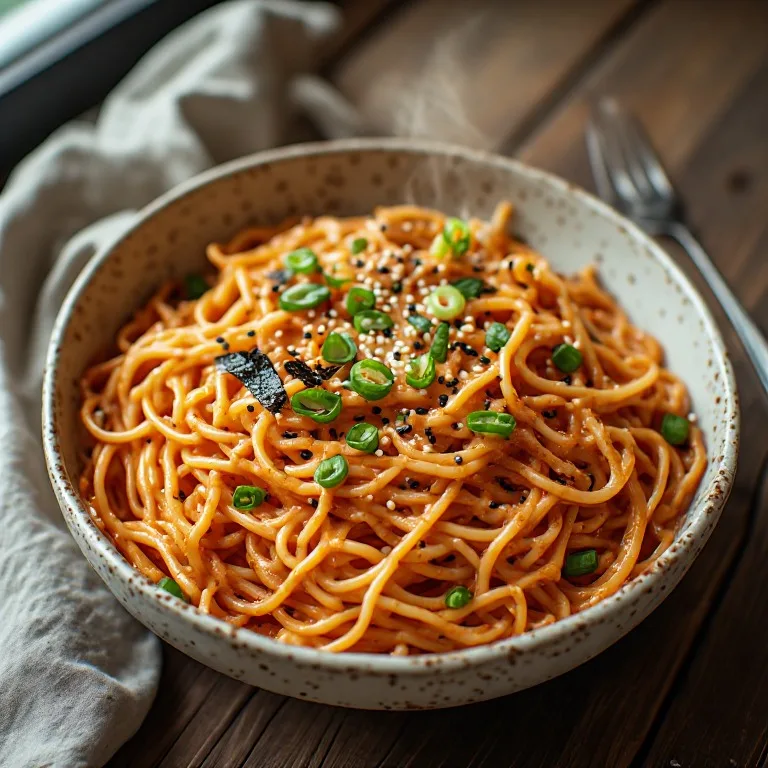
Quick answer: Cook 8 oz spaghetti in well-salted water until just under al dente; reserve ¼ cup pasta water before draining. While pasta cooks, melt 2 tablespoons unsalted butter in a large skillet over medium heat, add 4 minced garlic cloves, and stir 60 seconds. Add 1 full Samyang Buldak sauce packet (or 3 tablespoons from the standalone Samyang Buldak sauce bottle) and stir into the butter. Add 3 tablespoons heavy cream and stir until combined, about 30 seconds. Remove from heat. Add the drained pasta and 2 tablespoons of the reserved pasta water; toss with tongs until every strand is coated. For the egg yolk step (highly recommended): wait 30 seconds off-heat, then stir in 1 egg yolk while tossing continuously for 30 seconds — the residual heat turns it silky, not scrambled. Add ½ cup shredded mozzarella and toss until melted into stretchy strings. Plate and top with sliced green onions, sesame seeds, and torn nori. One sauce packet over 8 oz pasta is medium-hot for most people. For less heat: use ¾ of the packet plus the full amount of cream. For more: add a second half-packet.
Shop the tools
Gear matched to this recipe. These are Amazon affiliate links — we may earn a small commission if you buy, at no extra cost to you.
 Illustrative imageLodge 10.25" Cast Iron SkilletThe restaurant-grade sear most copycats depend onCheck price on Amazon →
 Illustrative imageInstant-Read Digital ThermometerNail fry-oil and doneness temps every timeCheck price on Amazon →
 Illustrative imageNordic Ware Half Sheet PanCommercial-quality aluminum, bakes dead evenCheck price on Amazon →
As an Amazon Associate, Copycat Spices earns from qualifying purchases. Product images are generic illustrations, not the exact item listed.
Viral TikTok Creamy Buldak Pasta (The Spicy Korean Fire Noodle Upgrade)
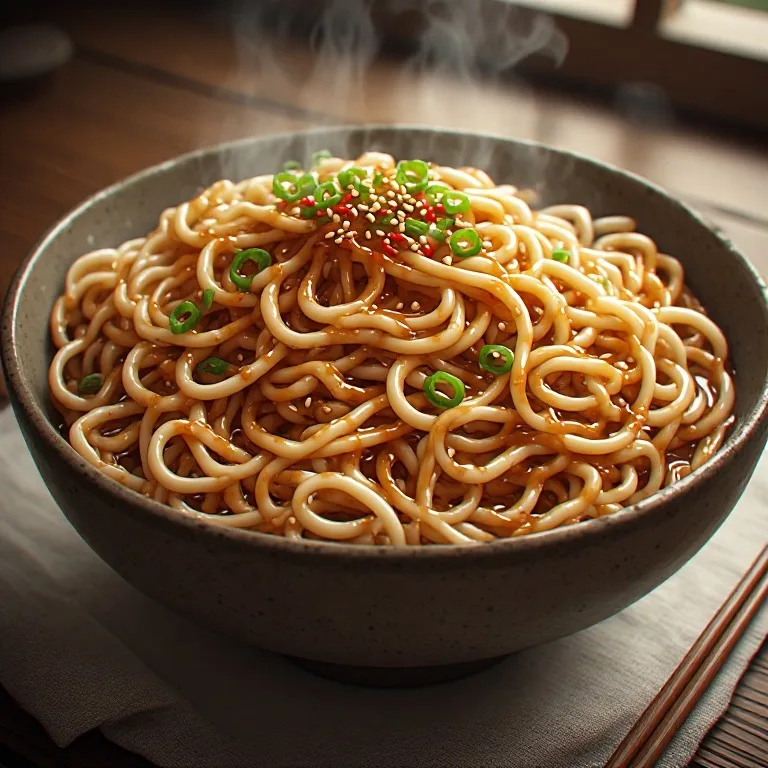
The viral TikTok creamy buldak pasta: Samyang fire chicken sauce tossed with real spaghetti, butter, garlic, cream, and stretchy mozzarella in 10 minutes. Why pasta works better than the ramen noodles it comes with, how to calibrate the heat without losing flavor, and the egg yolk step that makes it silky instead of greasy.
Easy
Prep: 5 min
Cook: 10 min
Total: 15 min2 servings
~$4.50/serving
At home~$4.50/serving
vs
Restaurant~$20.25/serving
You save ~78%
The Story Behind the Recipe
The viral TikTok creamy buldak pasta: Samyang fire chicken sauce tossed with real spaghetti, butter, garlic, cream, and stretchy mozzarella in 10 minutes. Why pasta works better than the ramen noodles it comes with, how to calibrate the heat without losing flavor, and the egg yolk step that makes it silky instead of greasy.
Nutrition Facts
Per serving (2 servings)Calories590
Total Fat26g
Total Carbs68g
Dietary Fiber3g
Sugars3g
Protein20g
Sodium880mg
* Estimated values based on standard recipe preparation. Actual values may vary.
Ingredients
- For the pasta
- For the buldak cream sauce
- For finishing
Instructions
Pro tip: This recipe tastes even better the next day. The flavors need time to meld together in the fridge.
Storage: Keeps in an airtight container in the fridge for up to 2 weeks. Freezer-friendly for up to 3 months.
Free PDF — instant download. We'll also send new seasonal copycat recipes now and then; unsubscribe anytime. Or just download it →
🎉 Your Halloween Cookbook is ready!
It's free — but if it's worth something to you, you can pay what you want. It keeps the recipes coming.
$
✓ Downloading your free Halloween Cookbook — check your downloads folder. Happy cooking!
Make It Healthier
Love Viral TikTok Creamy Buldak Pasta (The Spicy Korean Fire Noodle Upgrade) but want a lighter version? Try these simple swaps:
- ✓Reduce the butter to 1 tablespoon and increase the pasta water to 3 tablespoons — less fat but the pasta water starch picks up some of the emulsification work. The sauce will be slightly less rich but still coats well.
- ✓Use whole wheat spaghetti for extra fiber (adds ~3g per serving) without any meaningful change in the finished dish. The sauce is bold enough that the nuttiness of whole wheat is barely perceptible.
- ✓Skip the mozzarella and finish instead with 2 tablespoons of grated parmesan — lower fat, less melt-pull, more sharp-salty finish. Works well if you want the cheese flavor without the stretchy strings.
- ✓For a higher-protein version, add 4 oz of thinly sliced chicken breast or shrimp to the pan after the garlic and before the sauce — cook 2–3 minutes for chicken, 1–2 minutes for shrimp until just cooked, then add the buldak sauce over the protein.
Frequently Asked Questions
Where do I buy Samyang Buldak sauce?
Two options. If you want to start immediately: buy a package of Samyang Buldak ramen noodles (original red label) at any Asian grocery store, Walmart (many locations carry it now), Target, or Amazon. Use only the sauce packet for this recipe and discard or save the dried noodles separately. More economically: Samyang sells standalone Buldak Hot Chicken Sauce in squeeze bottles (200g, roughly $5–6) at H-Mart, 99 Ranch, Mitsuwa, and Amazon. One bottle is about 8–10 pasta-sized servings — far better value than individual packets. The sauce in the bottle is identical to the sauce packet.
How do I control the heat level?
Three independent levers. First, sauce quantity: the full packet over 8 oz pasta (2 servings) is medium for most people (~4/10). Use ¾ of a packet for a 3/10 result; use the full packet over 6 oz pasta for a 5/10. Second, cream amount: more cream = more fat = more capsaicin binding = lower perceived heat. Go up to ¼ cup cream without changing anything else and you'll drop the perceived heat noticeably. Third, noodle-to-sauce ratio: more pasta absorbs and dilutes the sauce. Cooking 10 oz instead of 8 oz stretches the same packet further. If you want more heat rather than less: use the full packet over 6 oz pasta, skip the cream, and add a pinch of gochugaru (Korean red pepper flakes) at the end.
Can I use the Buldak Carbonara flavor instead of original?
Yes — and it's a great starting point for people who find the original too hot. Buldak Carbonara (~2,600 SHU, vs. original's 4,404) already has a creamier, cheesier sauce profile built in. Using it in this recipe with butter, cream, and mozzarella produces a very mild, creamy, deeply savory pasta that's barely spicy at all. The flavor is more nuanced than the original — there's a distinct sweetness from the carbonara sauce that the original doesn't have. If you're making this for people who don't eat spicy food, Carbonara is the one to use.
Why does the recipe say to use real spaghetti instead of the ramen noodles from the packet?
The ramen noodles from the Buldak packet are alkaline-treated (a small amount of kansui, or potassium carbonate, is added to the dough before drying), which gives them their yellow color and springy, chewy texture. That texture is specifically designed for hot broth — the alkaline noodles hold their bounce in soup. In a stir-fry context with no broth, they clump together quickly and don't coat as evenly with sauce. Spaghetti boiled in salted water develops a different surface starch that grabs sauce better in a dry-toss context. The finished result with spaghetti has a cleaner bite and more sauce-per-noodle than the ramen noodles would in this application.
My sauce separated and looks greasy — what happened?
A few likely causes. First: the pan was too hot when you added the pasta water. The starch in pasta water emulsifies the butter and sauce together, but if the pan is searing-hot, the water evaporates instantly before it can emulsify. Fix: add the pasta water with the heat off, then toss. Second: not enough pasta water. If you only used a small splash, there wasn't enough starch to bind the sauce. Add another tablespoon of water (or plain water in a pinch) and toss vigorously — the starch from the pasta coating will help even without the extra pasta water. Third: if you added the egg yolk while the pan was still very hot, it may have partially cooked into solid flecks rather than emulsifying. Prevention: off-heat, 30-second rest, then yolk.
Can I add protein — chicken, shrimp, tofu?
Yes, and it's one of the best ways to make this a complete meal. Chicken: slice 6–8 oz chicken breast very thin (freeze 20 minutes for easier slicing). Cook in the butter before the garlic — 3–4 minutes, stirring, until just cooked through, then add garlic and proceed. Shrimp: peel and devein 6 oz medium shrimp; cook in the butter 1–2 minutes per side until pink, then proceed. Tofu: press firm tofu dry, cube it, and pan-fry in a separate skillet in oil until golden on two sides, then add to the finished pasta at the end. The buldak sauce is bold enough to carry any of these proteins without losing its character.
Does this reheat well?
Reasonably well with a specific technique. Don't microwave pasta in sauce directly — it overheats the outside and under-heats the inside, and the sauce breaks. Instead: add the pasta to a cold skillet with 2 tablespoons of water, cover with a lid, and heat over medium-low for 3–4 minutes, tossing once or twice. The steam from the water re-loosens the sauce and brings everything up to temperature evenly. The mozzarella won't have its fresh-melted stretch, but the flavor holds well. Not ideal for 3-day-old leftovers — best eaten the same day.
Love this recipe? Share it!
Made it? Buy us a coffee
Every recipe here is free, with no paywalls. If this one was a hit at your table, a small tip keeps new copycats coming.
$
💛 Support checkout is coming soon — the cookbook stays free either way.
Ratings & Reviews
Rate this recipe
Click a star to rate