

Pin It

Wingstop Spicy Korean Q Wings Copycat

Wingstop Spicy Korean Q Wings Copycat
Jump to Recipe
Prep 20 min Cook 25 min Serves 4
Quick answer: Wingstop Spicy Korean Q wings are rated 3 out of 5 on the heat scale — a complex, fermented heat from gochujang rather than the sharp punch of habanero. The sauce combines gochujang paste, soy sauce, honey, sesame oil, garlic, and ginger into a thick, clingy glaze. The double-fry technique (fry 9–10 min, rest, fry 2–3 min more) gives the crust the shatter it needs to hold a wet glaze. Makes 16–18 wings for about $10 in ingredients versus $14–18 for 10 at the restaurant.

Wingstop Spicy Korean Q Wings Copycat

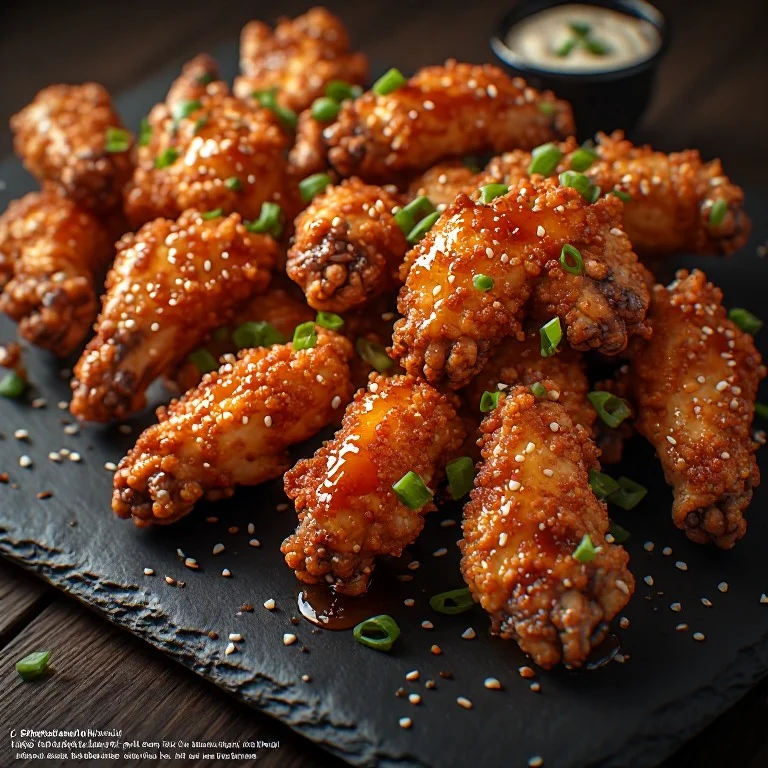
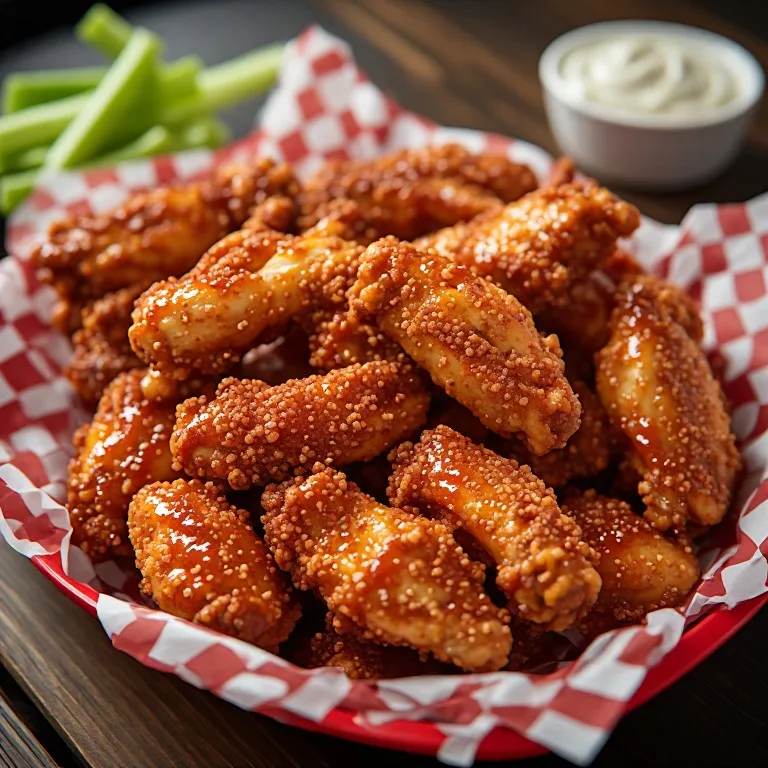
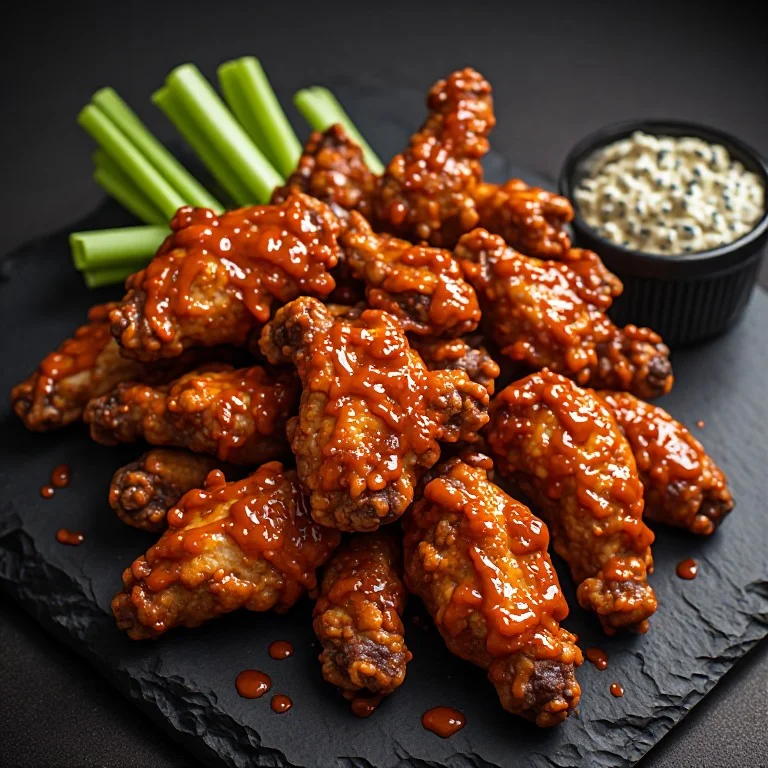
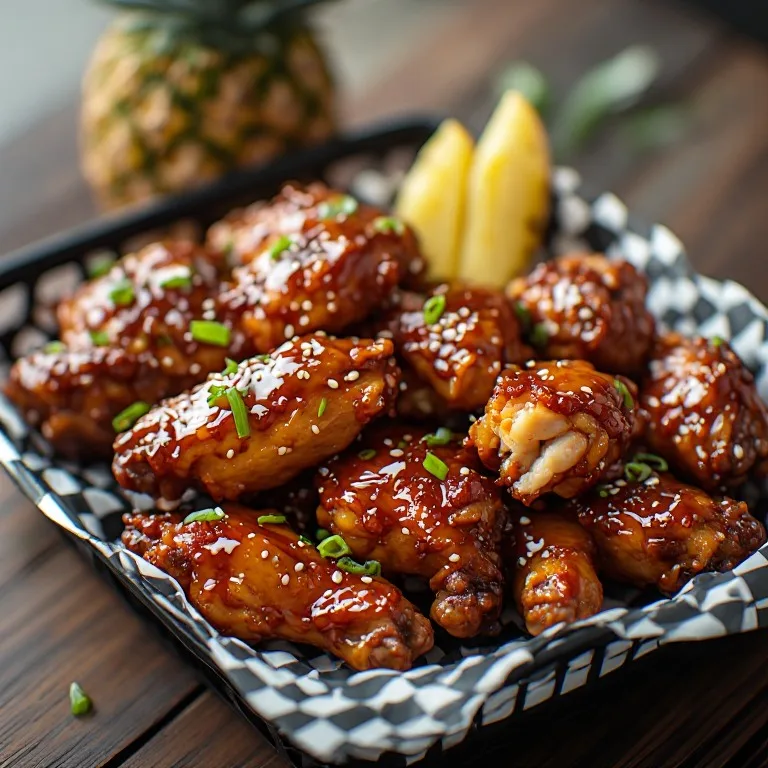
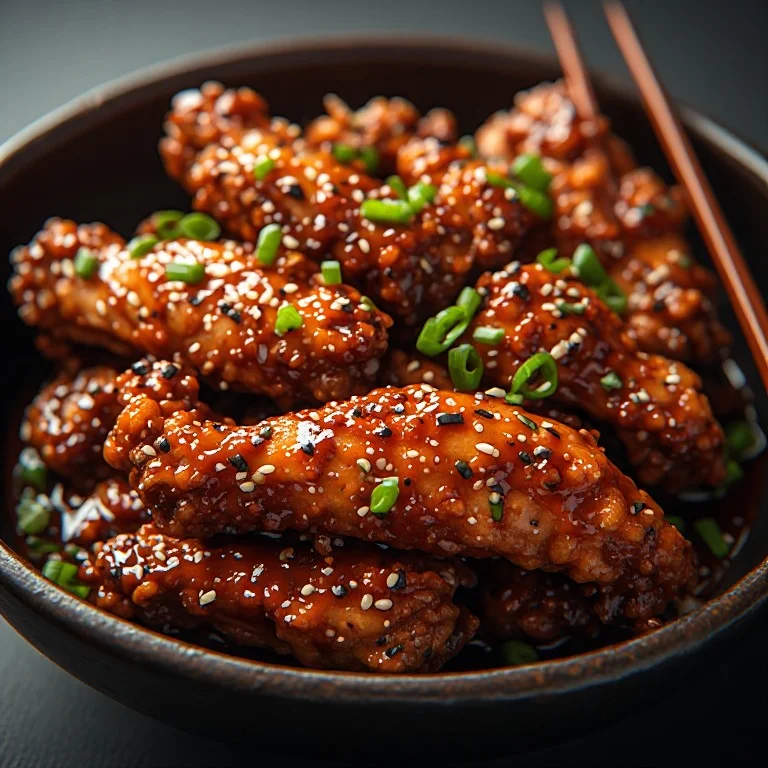
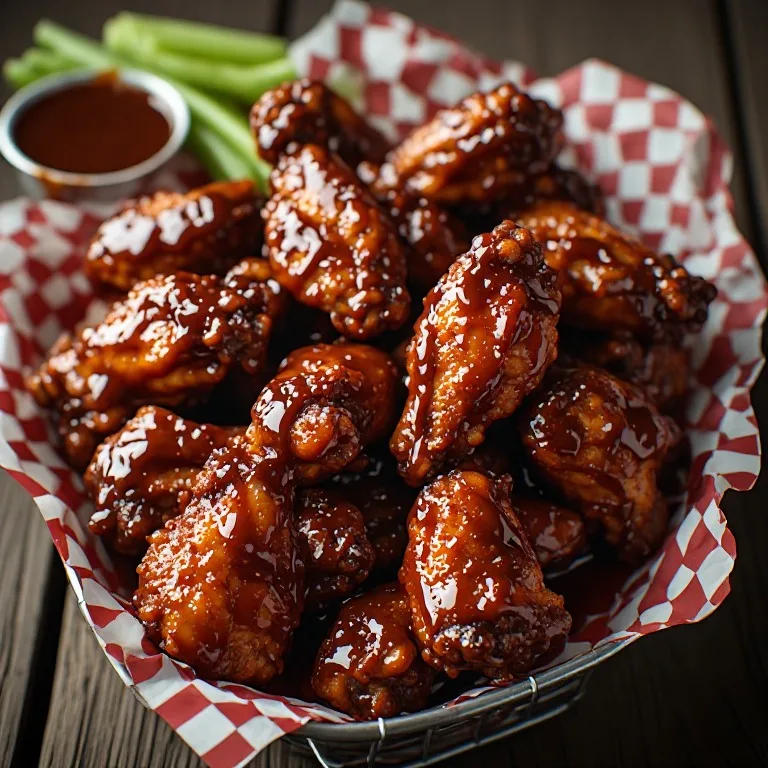
Double-fried crispy wings glazed in a gochujang-based Spicy Korean Q sauce — fermented chili heat, soy-umami depth, sesame fragrance, and just enough honey to balance the burn. Wingstop's most complex sauce, made at home with real gochujang.

Medium Prep: 20 min Cook: 25 min Total: 45 min4 servings ~$4.50/serving
Prep20 min
Cook25 min
Total45 min
Servings
4
At home~$4.50/serving
vs
Restaurant~$20.25/serving
You save ~78%

The Story Behind the Recipe

Double-fried crispy wings glazed in a gochujang-based Spicy Korean Q sauce — fermented chili heat, soy-umami depth, sesame fragrance, and just enough honey to balance the burn. Wingstop's most complex sauce, made at home with real gochujang.

Nutrition Facts

Per serving (4 servings)
Calories490
Total Fat26g
Total Carbs22g
Dietary Fiber1g
Sugars12g
Protein38g
Sodium900mg

* Estimated values based on standard recipe preparation. Actual values may vary.

Ingredients

  • Spicy Korean Q Sauce

Instructions

💡
Pro tip: This recipe tastes even better the next day. The flavors need time to meld together in the fridge.
❄️
Storage: Keeps in an airtight container in the fridge for up to 2 weeks. Freezer-friendly for up to 3 months.
🎃 Free Halloween cookbook — download now The Copycat Halloween Cookbook A ready-made, photo-illustrated PDF of our best halloween copycat recipes — free to download, no building required. Pay what you want to support if you love it.

Free PDF — instant download. We'll also send new seasonal copycat recipes now and then; unsubscribe anytime. Or just download it →

Wingstop’s Spicy Korean Q is the chain’s most nuanced sauce — not the sweetest (that’s Hawaiian), not the hottest (that’s Atomic), but the most complex: gochujang’s fermented chili depth layered with soy umami, honey sweetness, and sesame fragrance. It tastes like someone crossed Korean BBQ with a wing sauce, which is exactly what it is.

The copycat uses real gochujang paste — not a substitute — because nothing else produces the same fermented, sticky-spicy base. Most grocery stores carry it now. This recipe scales the sauce to coat about 2 lbs of wings and builds in the reduction step that takes it from thin marinade to glossy glaze.

Why Gochujang Is Not Just “Korean Sriracha”

Gochujang is fermented. Sriracha is vinegar-forward with a sharp, fresh heat that dissipates quickly. Gochujang is slow-built: the glutinous rice in the base ferments alongside the chili and soybean, creating a complex, slightly funky heat with a chewy thickness. The heat accumulates across bites rather than spiking on contact. This is exactly why Wingstop can call this sauce “Spicy” while rating it 3 out of 5 — the heat is sustained and complex rather than sharp.

The practical difference for this recipe: don’t substitute Sriracha 1:1. If you can’t find gochujang, see the FAQ for a blended substitute, but the real thing is worth seeking out.

One honest note: Wingstop’s own menu describes Spicy Korean Q as built on sriracha and crushed red pepper with ginger and garlic — not gochujang. This copycat leads with gochujang because it delivers the deep, fermented “Korean Q” character the name promises, and the optional red pepper flakes echo that crushed-pepper kick. If you’d rather hew to the chain’s literal formula, swap the gochujang for 2 tablespoons of sriracha plus an extra 1/4 teaspoon of red pepper flakes — you’ll lose the fermented depth, but it’ll taste closer to the drive-through original.

The Double-Fry Method

Both Wingstop’s lemon pepper and mango habanero pages cover the double-fry technique, and Korean Q uses the same method. The short version: first fry cooks the chicken through at 375°F for 9–10 minutes. A 2–3 minute rest lets interior steam escape. Second fry for 2–3 minutes shatters the outer crust. The result is a shell that can hold a wet glaze — without the double fry, the Korean Q sauce soaks into the wing and makes it soggy within minutes.

Heat Scale Context

Wingstop rates Spicy Korean Q at Level 3 of 5 — the same official rating as Original Hot, and squarely in the middle of the menu. Where the flavors fall:

  • No real chili heat: Hawaiian, Hickory Smoked BBQ, Garlic Parmesan, Lemon Pepper (a savory dry rub, not a hot one), Mild, Plain
  • Mild-to-moderate dry rubs: Louisiana Rub, Cajun, Hot Honey Rub
  • Medium — Level 3: Spicy Korean Q, Original Hot
  • Hot — Level 4: Mango Habanero
  • Hottest — Level 5: Atomic

Korean Q is genuinely spicy thanks to gochujang’s slow, fermented build, but it’s nowhere near a heat challenge. Even at the same official level as Original Hot, it eats milder: the honey, soy, and sesame round off the burn where Original Hot leans on a sharper cayenne kick.

Make It Hotter or Milder

More heat: Add 1 teaspoon of gochugaru (Korean chili flakes) to the sauce while simmering, or increase the red pepper flakes. Gochugaru gives a brighter heat than adding more gochujang, which would also add more sweetness.

Less heat: Reduce gochujang from 3 tablespoons to 2 and increase honey by 1 teaspoon to compensate for the lost body. The flavor is noticeably milder without becoming bland.

Why the Sauce Reduces Before Tossing

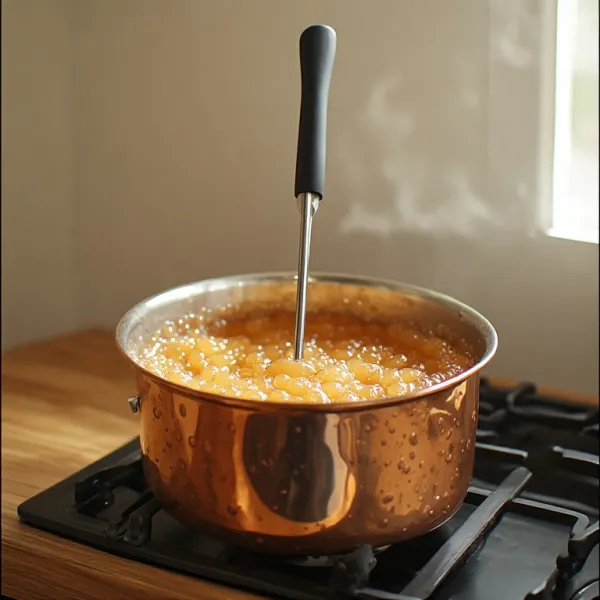
Unsimmered gochujang sauce is too liquid to cling — it runs off the wings and pools on the plate. The 3–5 minute simmer reduces water content and concentrates the sugars (from honey and brown sugar) and starches (from gochujang’s glutinous rice base) into a thicker, more viscous liquid. The butter stirred in off-heat adds fat-based cling: fat molecules physically hold the glaze between the crust and the air, slowing drip. You want the sauce to coat the back of a spoon cleanly before tossing.

Air Fryer Method

Add 1 teaspoon of baking powder to the flour mix before coating the wings — the baking powder reacts with the wing surface at high heat, creating bubbles that crisp like a fried crust. Arrange in a single layer (cook in two batches if needed). Air fry at 400°F for 22–24 minutes, flipping once at the 12-minute mark, until deeply golden and skin has pulled away from the tips. Toss immediately in the warm Korean Q sauce. You get about 85% of the crunch with a fraction of the oil.

Cost Comparison
WingstopHomemade
10 classic wings~$14–18~$10 for 16–18 wings
SauceProprietary formulaReal gochujang + soy + honey
Heat controlFixed (3/5)Fully adjustable
Allergen controlContains wheat, soyTamari + GF gochujang for GF
CrustDouble-friedDouble-fried (same method)

The home version gives you nearly double the wings for slightly less money, plus the ability to adjust heat and use gluten-free alternatives.

Complete the Wingstop Order at Home

See all Wingstop copycat recipes →
🥗

Make It Healthier

Love Wingstop Spicy Korean Q Wings Copycat but want a lighter version? Try these simple swaps:

  • ✓Air-fry at 400°F for 22–24 minutes (flip at 12 min) instead of deep frying — toss in sauce the same way.
  • ✓Substitute the butter with 1 teaspoon of sesame oil to keep the sauce dairy-free without losing gloss.
  • ✓Reduce honey to 1 tablespoon and add a pinch of stevia to lower the sugar while keeping the sauce's balance.

Frequently Asked Questions

How spicy are Wingstop Spicy Korean Q wings?

Wingstop rates Spicy Korean Q as 3 out of 5 on its heat scale — medium-hot, above the milder Honey BBQ and Garlic Parmesan but below the more intense Mango Habanero (4/5) and Atomic (5/5). The heat comes from gochujang, a fermented Korean chili paste with a sustained, slow-building heat that is quite different from the sharp habanero burn. Gochujang heat builds over 20–30 seconds and lingers, but it never spikes — you can eat multiple wings in a row without the cumulative heat becoming overwhelming. The soy, honey, and sesame in the sauce mellow the sharpness and give it more of a sweet-savory burn than a fruit-forward one.

What is gochujang, and can I substitute anything for it?

Gochujang is a Korean fermented chili paste made from gochugaru (coarse Korean red pepper), glutinous rice, fermented soybeans, and salt — then aged anywhere from several months to several years. The fermentation creates deep, complex flavors: spicy, sweet, savory, and slightly funky, with a thick paste consistency. It's not directly substitutable, but if you can't find it, combine Sriracha (for heat) with a small amount of miso paste (for fermented depth) and brown sugar in a 2:1:1 ratio — it gets you roughly 70% of the way there. Gochujang is available at any Asian grocery store and in most large supermarkets in the international aisle, typically in the red cylindrical tub.

Is Wingstop Korean Q sauce wet or dry?

Spicy Korean Q is a wet sauce — gochujang paste diluted with soy sauce and honey into a thick, glossy glaze. It is quite different from Wingstop's dry flavors like Lemon Pepper (which is seasoning mixed into butter). The gochujang base creates a slightly sticky sauce that clings to the wings rather than running off, similar to a Korean BBQ-style glaze. Because it's wet, the double-fry technique matters: a well-shattered crust holds a wet glaze without turning soggy. Wings tossed in Korean Q right after the second fry stay crispy for about 10–15 minutes.

What's the difference between Spicy Korean Q and Mango Habanero at Wingstop?

The fundamental difference is the heat source. Mango Habanero uses fresh habanero peppers for a bright, sharp heat that spikes fast and hard. Spicy Korean Q uses gochujang for a fermented, umami-rich heat that builds slowly and sustains. Mango Habanero has a tropical-sweet opening flavor; Korean Q has a savory, slightly sweet opening. Both are wet sauces rated close on the heat scale (Korean Q is 3/5, Mango Habanero is 4/5), but they eat completely differently. Korean Q is the better choice if you want complexity with your heat; Mango Habanero is better if you want a pure sweet-heat experience.

Does Wingstop Spicy Korean Q have sesame? Is it gluten-free?

Wingstop's official allergen guide lists Spicy Korean Q as containing wheat and soy — so it is not gluten-free — but it does NOT list sesame. The chain's sauce is built on sriracha, crushed red pepper, ginger, and garlic. This home copycat adds toasted sesame oil and sesame seeds for authentic Korean depth, which means our version does contain sesame; simply leave both out if you're cooking for a sesame allergy (the sauce still works, just with less fragrance). For a gluten-free home version, swap the soy sauce for tamari and use a certified gluten-free gochujang — some Korean brands add wheat or barley during fermentation, so check the label.

What dipping sauce goes best with Spicy Korean Q wings?

Ranch is the default Wingstop pairing, and it works — the cool dairy cuts the gochujang heat. But for Korean Q specifically, a light blue cheese dip also pairs well because the tangy funk in blue cheese echoes the fermented notes in gochujang rather than clashing. Another excellent pairing that's more authentic to the Korean BBQ tradition: serve the wings with cucumber slices or a quick pickled radish on the side — the acidity and crunch reset the palate between bites, which is how Korean BBQ is traditionally eaten.

Love this recipe? Share it!

Free PDF: our 12 most-wanted copycat recipes — instant download.

Made it? Buy us a coffee

Every recipe here is free, with no paywalls. If this one was a hit at your table, a small tip keeps new copycats coming.

$

Wingstop is a trademark of its owner, used here only to describe the dish this recipe recreates. This is an independent copycat written in our own words — Copycat Spices is not affiliated with, endorsed by or sponsored by Wingstop.

Ratings & Reviews

—
No ratings yet

Rate this recipe

Click a star to rate

Leave a Review

0/500

CS

Copycat Spices Editorial

Researched + fact-checked. Every recipe on Copycat Spices is built from published sources — official ingredient lists, brand-published recipes, interviews and food-science references — and fact-checked before it goes live, then written as clear, step-by-step instructions for home cooks of all skill levels.

Learn more about our mission →