

Wingstop Hawaiian Wings Copycat
Prep time: 15 minutes Cook time: 25 minutes Servings: 4
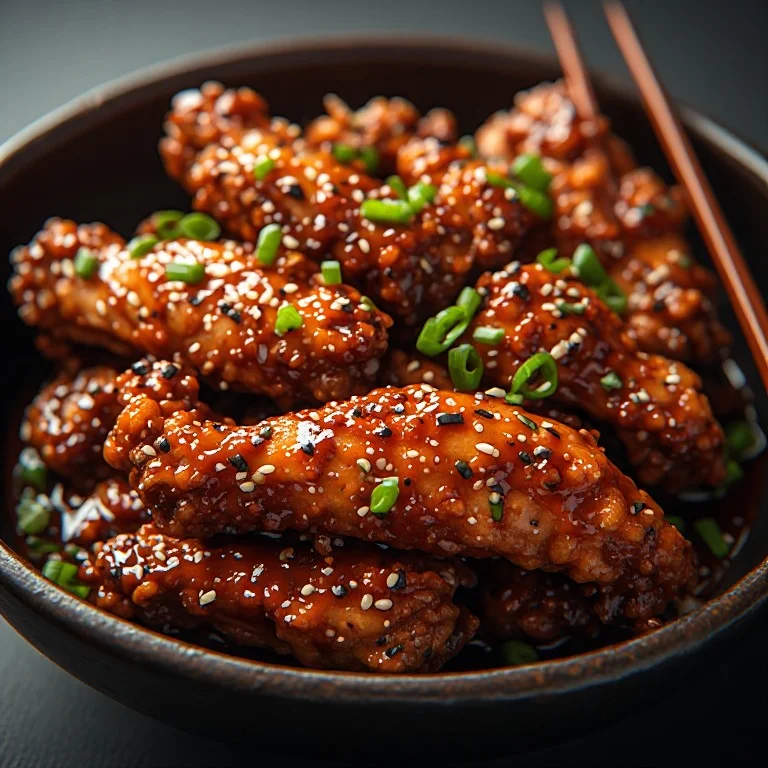
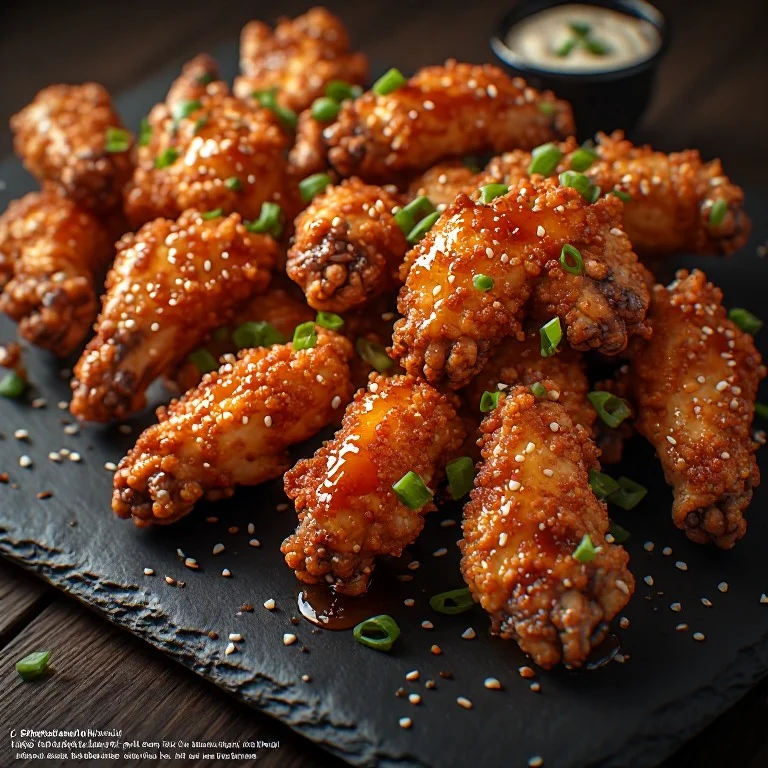
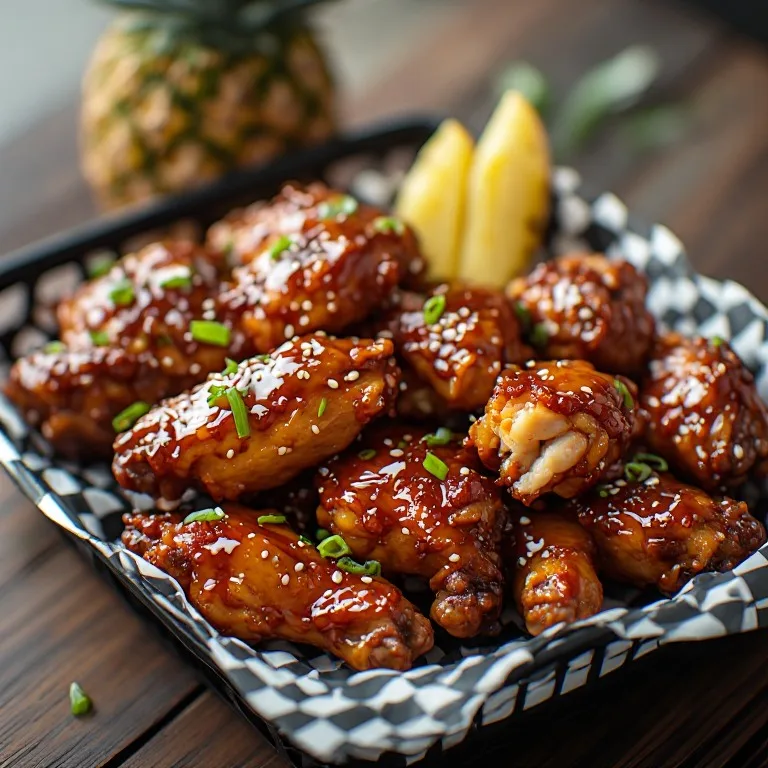
Wingstop Hawaiian wings sit at the sweet end of the menu — a pineapple-teriyaki glaze, no heat, tropical flavor that reads nothing like the hot-sauce-and-butter wing you might default to. They are genuinely zero spice, and the sweetness is not thin or cloying: the soy and ginger underneath give the glaze a savory backbone that makes the pineapple taste like a flavor note rather than a candy coating.
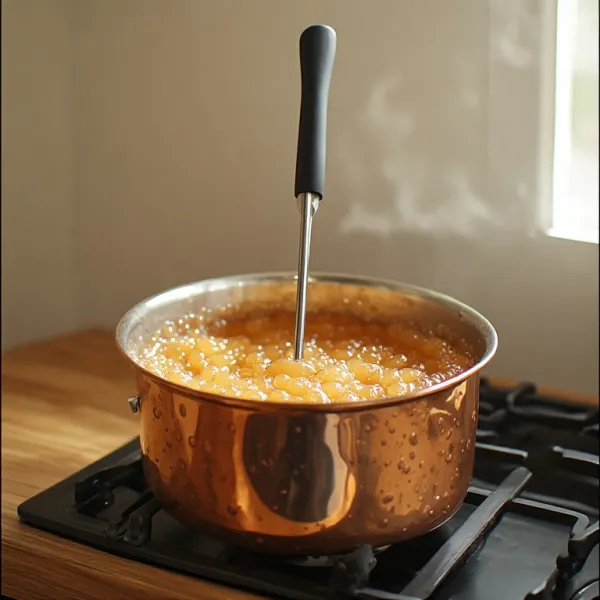
The home version is built around one technique: the pineapple reduction. You simmer fresh or canned pineapple juice until it loses about a quarter of its volume. This concentrates the fruit flavor, develops a faint caramel quality from the sugars, and — critically — deactivates bromelain, the enzyme in raw pineapple that breaks down protein. (That same enzyme is why fresh pineapple tenderizes meat in marinades; heating it stops the effect.) Once the sauce is reduced and thickened with a cornstarch slurry, it clings to the double-fried crust in a way that thin pineapple juice never would.
Why Double-Fry Matters for a Sweet Glaze
Double-frying is the home technique that gets a fried wing closest to restaurant-quality crust, and it matters most for a sweet glaze like Hawaiian. The reason: sugars in the pineapple-teriyaki sauce set into a sticky caramelized layer — but only if the crust underneath is strong enough to hold them without going limp.
A single fry produces a wing with decent crunch that begins to soften within a few minutes of being sauced. A double-fried wing has driven out most of the surface moisture on its second pass, producing a dense, crackling crust that holds the glaze without collapsing. The difference is most obvious 5–10 minutes after saucing, when a single-fry wing is noticeably softer and the double-fry wing still snaps.
The Bromelain Explanation
Raw pineapple — and fresh pineapple juice — contains bromelain, a protease enzyme that cleaves protein bonds. At room temperature, bromelain starts working immediately on chicken skin. If you tossed wings in an uncooked pineapple sauce and let them sit, you would notice the skin beginning to get oddly soft or gummy within 20–30 minutes.
Heating the juice to a sustained simmer deactivates bromelain permanently — the enzyme denatures above about 158°F. Because the sauce reduction runs at a full simmer (around 200°F), by the time you finish reducing it, there is no active enzyme left. The glaze clings, caramelizes, and behaves exactly like a sauce should.
Canned pineapple juice (Dole, for instance) is already heat-processed during canning, so the enzyme is deactivated before you open the can. You still reduce it for flavor concentration, but the enzyme concern is moot.
Wingstop’s No-Heat Options: Which One to Pick
Wingstop’s genuinely zero-heat flavors are Hawaiian, Garlic Parmesan, Lemon Pepper, and Hickory Smoked BBQ — the sauced and dry-rubbed options with no capsaicin at all (Plain rounds out the group, unsauced). Mild, despite the name, is a light buffalo sauce that carries a whisper of heat, so it doesn’t belong in the no-heat set. Among the true zero-heat flavors, each occupies a completely different register:
| Hawaiian | Garlic Parmesan | Hickory Smoked BBQ | |
|---|---|---|---|
| Heat level | Zero | Zero | Zero |
| Style | Wet glaze | Wet/finish | Wet glaze |
| Primary flavor | Pineapple-tropical | Garlic-butter | Molasses-smoke |
| Secondary | Soy-umami, ginger | Parmesan, parsley | Vinegar, pepper |
| Sweetness | High | None | Medium |
| Best for | Mixed platters, heat-averse, tropical contrast | Rich, savory accompaniment | Classic American BBQ profile |
Short answer: Hawaiian is the right call when you want something tropical-sweet with no heat and a sticky glaze. Garlic Parmesan is the right call when you want savory and buttery with no sweetness. Hickory Smoked BBQ sits between them: sweet but smoky, American rather than tropical.
For a mixed platter — pairing with Atomic or Mango Habanero — Hawaiian is the natural counterweight. The cold sweetness of pineapple breaks the residual capsaicin load and resets the palate for the next hot wing.
Glaze Texture Troubleshooting
Too thin: Simmer longer before adding the cornstarch slurry. The reduction does more work than the starch. If you add extra cornstarch to compensate for insufficient reduction, the sauce becomes gummy and starchy rather than glossy.
Too thick: Add pineapple juice one tablespoon at a time, stirring over low heat. A few tablespoons is usually enough to loosen a glaze that has set.
Sauce won’t cling: The wings were too hot when you tossed them, causing the glaze to run off rather than set. Let wings cool 2 minutes after the second fry before tossing — not cold, but not straight-from-the-oil hot.
Glaze tastes too sweet: Increase rice vinegar by half a teaspoon and soy sauce by half a teaspoon. Both add balance without introducing heat.
Variations
Spicy Hawaiian — Add 1 teaspoon sriracha and a pinch of red pepper flakes to the sauce. The fruit sweetness mutes the heat significantly, so this lands at a mild-medium level despite the sriracha quantity. Still tropical; now with a background burn.
Sesame Hawaiian — Add 1 teaspoon toasted sesame oil to the finished glaze (off heat, not during reduction — sesame oil’s flavor compounds are volatile and cook off at high temperature). Finish with sesame seeds after tossing. Tilts the profile toward Japanese-style teriyaki.
Pineapple Jalapeño Hawaiian — Add 1–2 tablespoons finely minced fresh jalapeño (seeded) to the glaze during the reduction. The heat from jalapeño at this concentration lands at the lowest heat tier: noticeable warmth but still approachable for most people.
Storage and Reheating
Wings keep refrigerated for 3 days. The glaze will set harder when cold but rehydrates when reheated.
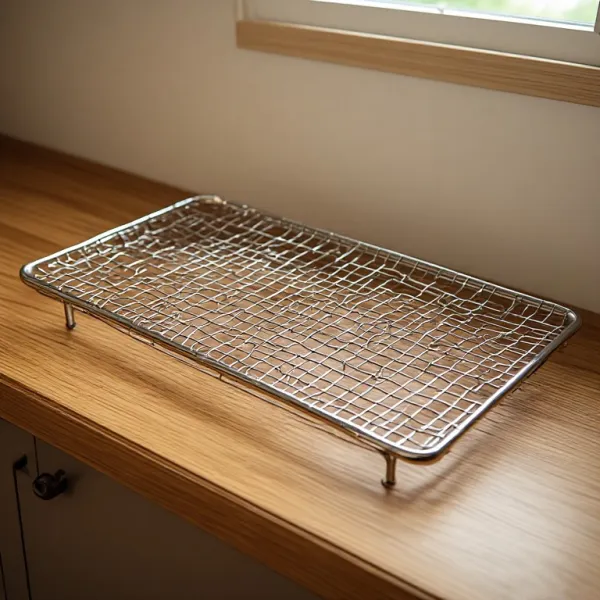
Best method: Air fryer at 375°F for 6–8 minutes restores meaningful crunch and rewarms the glaze. Oven at 400°F on a wire rack for 10–12 minutes also works well — the glaze re-caramelizes slightly, which improves it. Microwave: fast but the crust softens and the glaze can run.
Serve With
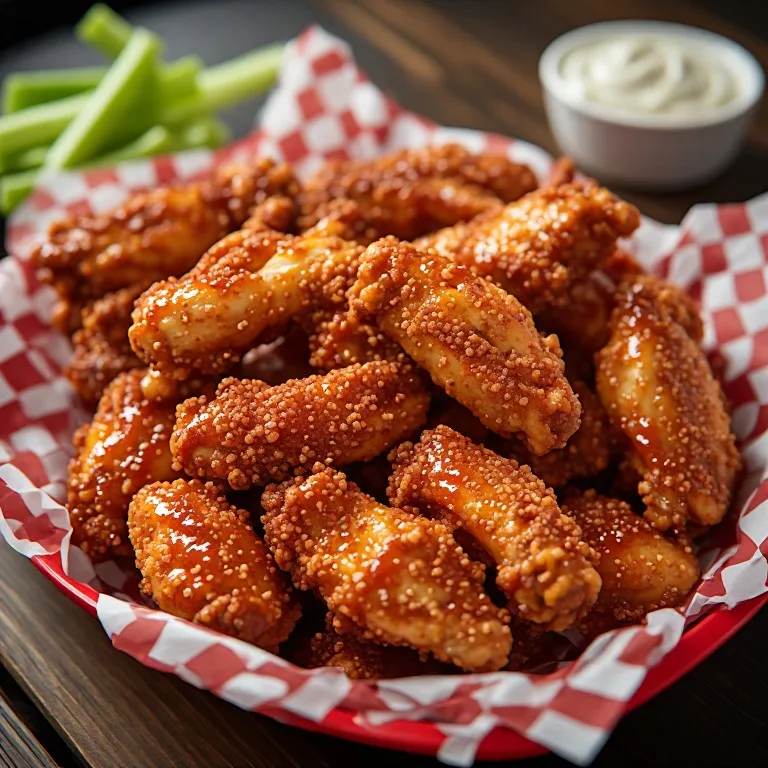
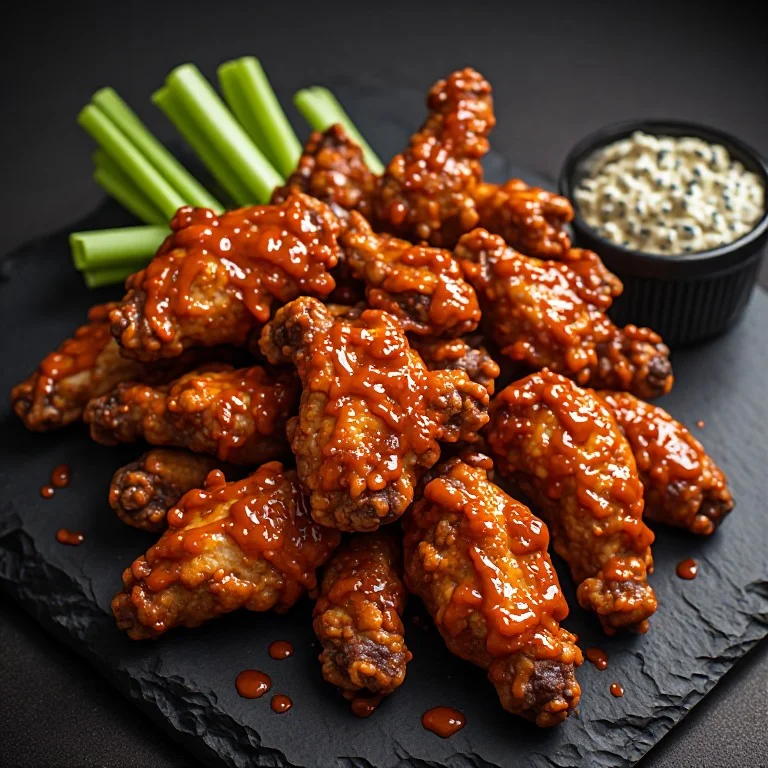
The natural pairing is Wingstop ranch — the thick, buttermilk-heavy ranch cuts through the sticky-sweet glaze and provides a savory contrast that makes both flavors more distinct.
For a complete Wingstop spread, add Lemon Pepper wings for bright citrus contrast and Louisiana Rub wings if you want to introduce a dry-rub texture alongside the glazed Hawaiian.
Explore the full Wingstop recipe collection →