How to Tell If Tomatoes Are Bad
Quick answer
Bad tomatoes are mushy, leaking, and wrinkled, with mold, dark sunken spots, or a sour smell. A tomato that’s just soft and wrinkled but clean inside is overripe and best for cooking.
Signs Tomatoes have gone bad
- Leaking, wet skin. Oozing juice or a wet puddle under the tomato means the cells have burst. Toss it, especially if it’s mushy.
- Mold on the skin or stem. White, gray, or green fuzz, often starting near the stem scar, means the tomato is spoiled. Soft tomatoes with mold are not worth trimming.
- Dark, sunken, soft patches. Black or deep brown sunken areas mean rot has set in. A tiny bruised spot on a firm tomato can be cut out, but large patches mean discard.
- Sour, fermented, or off smell. Ripe tomatoes smell sweet and earthy. A sour or alcohol-like smell indicates spoilage.
- Extremely wrinkled, collapsing skin. Deep wrinkling and a hollow, floppy feel usually means it’s too far gone. If the inside is clean and smells fine, cook it quickly; otherwise toss.
- Slimy or stringy interior. Cut it open. Slimy, brown, or foul-smelling pulp means discard it.
Looks weird, but it's fine
- Slightly soft with a few wrinkles near the stem. Overripe tomatoes are still good in sauces, soups, or roasted dishes if there’s no mold or sour smell.
- Cracks on the shoulders. Those splits from growing or uneven watering are cosmetic if they’re dry. Cut away any that look wet or moldy.
- Green or yellow patches. Unevenly ripened tomatoes are safe, just less sweet. Leave them on the counter to finish ripening.
How long do Tomatoes last?
| Where | How long | Note |
|---|---|---|
| Counter | 3–5 days | ripe, whole, stem side up |
| Fridge | Up to 1 week | ripe, whole; flavor and texture dull |
| Fridge | 2–3 days | cut, covered |
| Freezer | 2–3 months | cooked, as sauce or puree |
How to store them
- Keep ripe tomatoes on the counter out of direct sun, stem side down or up, and use them within a few days.
- Only refrigerate once they’re fully ripe and you can’t use them yet. Let them come to room temperature before eating to bring back flavor.
- Don’t stack tomatoes. Bruising from pressure starts soft spots.
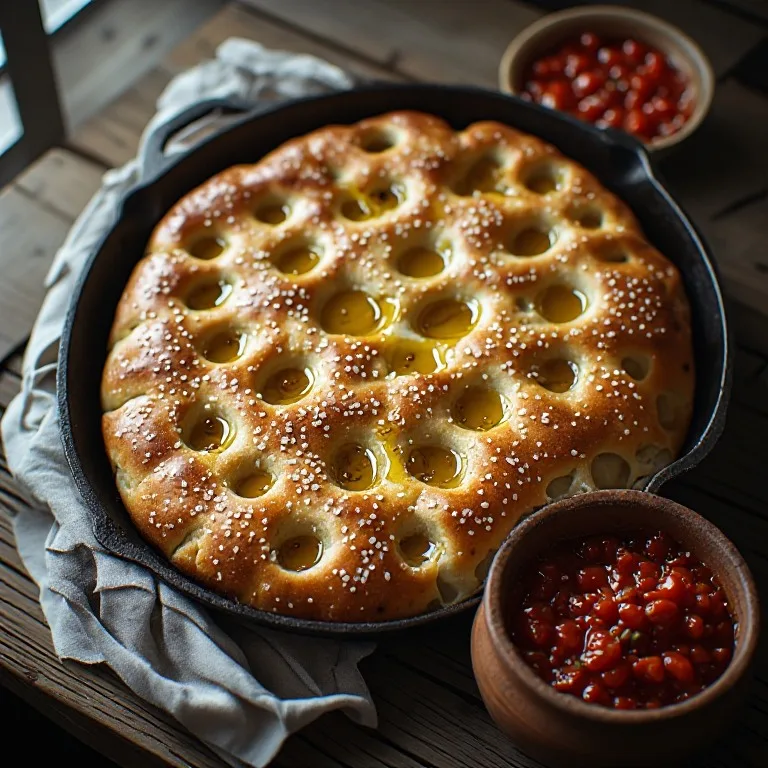
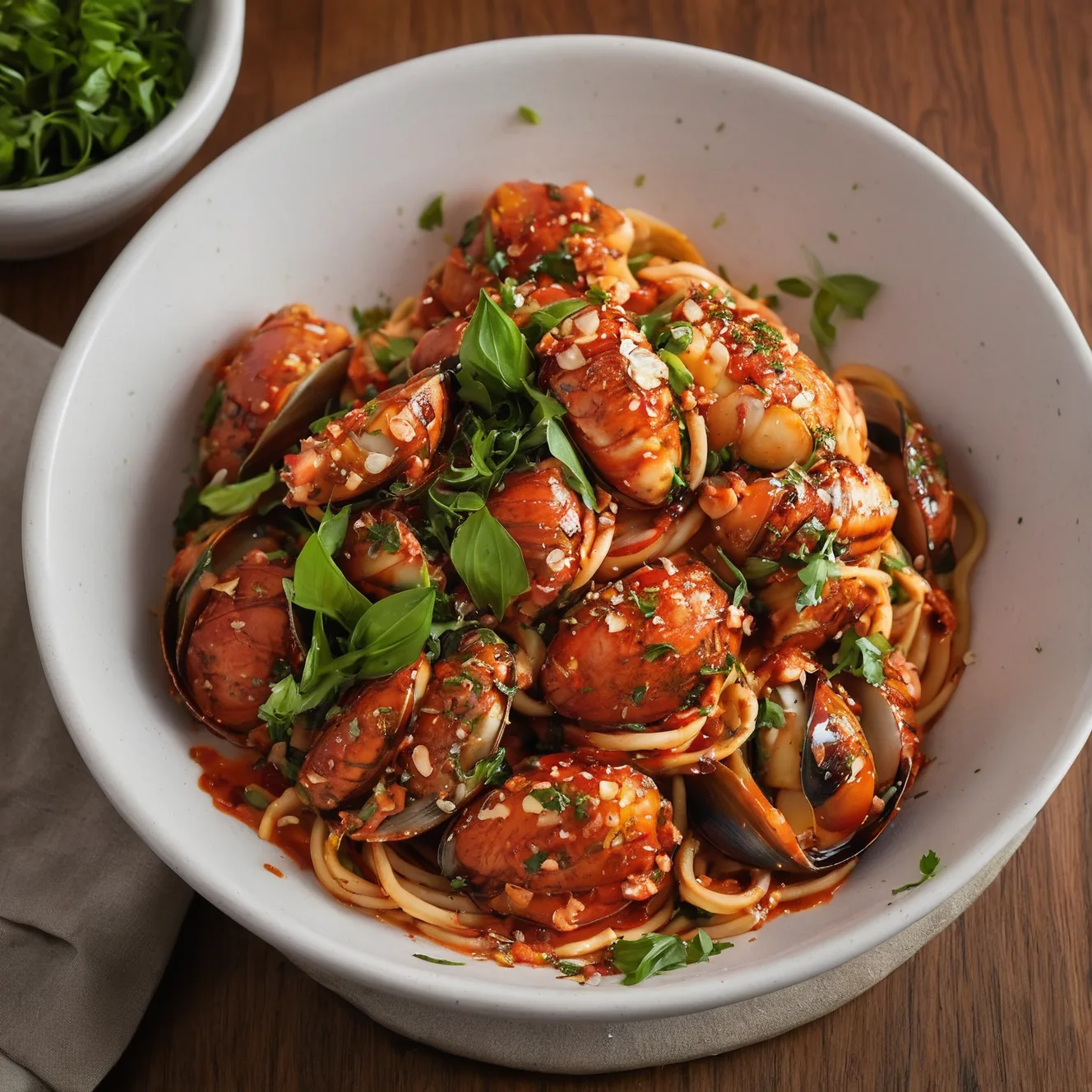
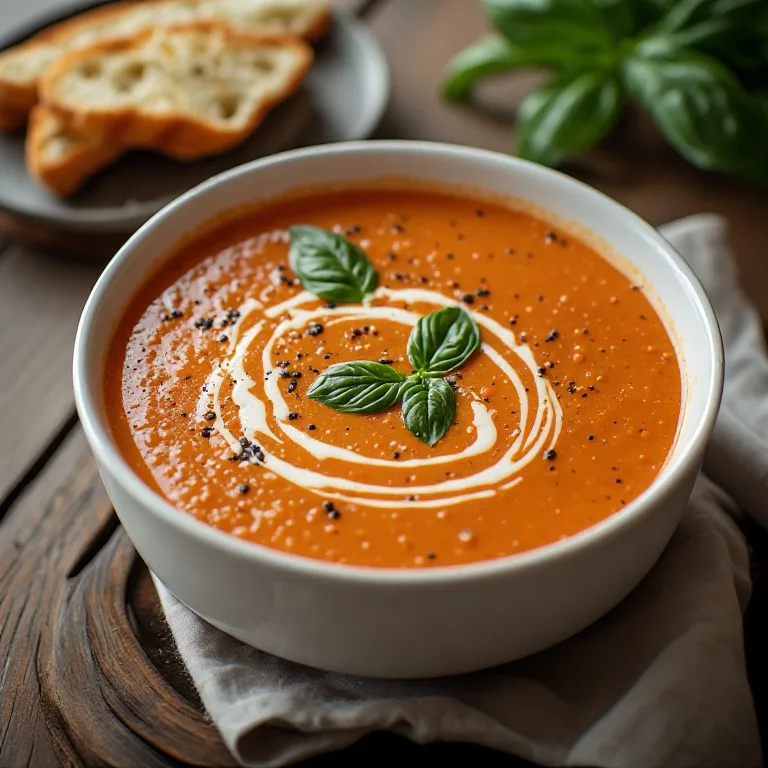
Use it up before it turns
Frequently asked questions
Can you eat a tomato that’s wrinkled and soft?
If it’s clean inside, has no mold, and smells fine, yes. Use it in cooked dishes. If it’s leaking or smells sour, throw it out.
Can you cut mold off a tomato?
No. Tomatoes are high in moisture, so mold can spread inside beyond what you see. Discard a moldy tomato.
Why is my tomato mushy inside?
That’s typically the result of overripening or chill damage. If it smells fine and shows no mold, it can go into a cooked dish. If there’s a sour smell or slime, toss it.
More food freshness guides
General guidance based on USDA FoodKeeper. Storage times are estimates and conditions vary. When in doubt, throw it out.