

Pin It

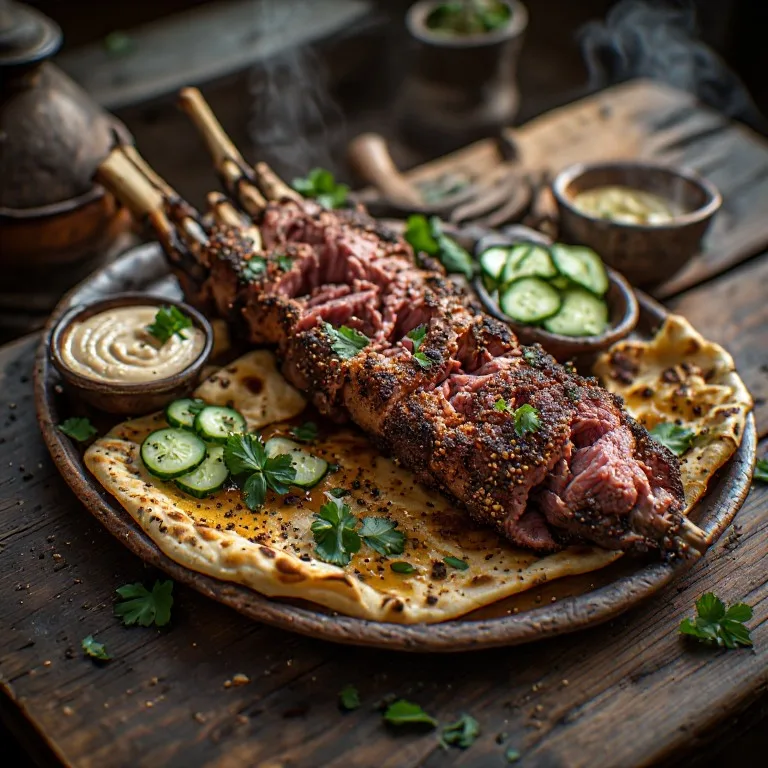
Bavel Slow-Roasted Lamb Neck Shawarma

Bavel Slow-Roasted Lamb Neck Shawarma
Jump to Recipe
Prep 30 min (plus overnight marinade) Cook 5 hr 15 min Serves 4–6
Quick answer: Blend 4 garlic cloves, half a medium onion (grated or blended), 3 tbsp olive oil, 2 tbsp lemon juice, 1 tbsp sumac, 1 tsp each cumin and coriander, 1/2 tsp each allspice and cardamom, 1/4 tsp cinnamon, 2 tsp kosher salt, and 1 tsp black pepper into a thick paste. Rub it all over a 3 to 4 lb bone-in lamb neck section, pressing it into every surface. Cover and refrigerate overnight (or at least 8 hours). When ready to cook, take the lamb out 45 minutes before roasting. Preheat the oven to 275°F. Lay a large flatbread (laffa, Lebanese mountain bread, or a large flour tortilla) flat in the bottom of a roasting pan — it should cover the base. Set the lamb neck directly on top of the bread, fat-side up. Pour 1/2 cup of water or chicken broth around the edges of the pan — not over the lamb. Cover tightly with two layers of foil. Roast for 4 hours 30 minutes, then remove the foil, raise the oven to 450°F, and roast uncovered for 20 to 25 minutes until the surface is deeply browned and caramelized. Rest 15 minutes. Pull the meat off the bone in large pieces. Serve the pulled meat on or alongside the fat-soaked laffa, with tahini sauce, fresh herbs, and quick-pickled cucumbers.

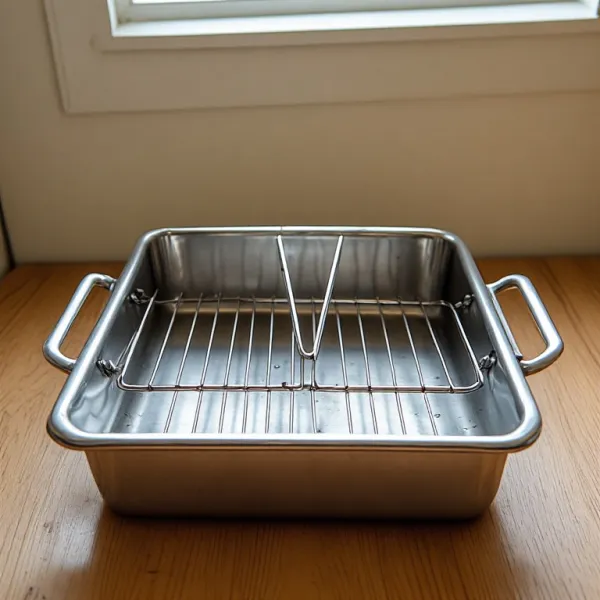
Shop the tools

Gear matched to this recipe. These are Amazon affiliate links — we may earn a small commission if you buy, at no extra cost to you.

As an Amazon Associate, Copycat Spices earns from qualifying purchases. Product images are generic illustrations, not the exact item listed.

Bavel Slow-Roasted Lamb Neck Shawarma

Bavel's most theatrical dish — a whole lamb neck rubbed overnight with cardamom, sumac, allspice, and onion purée, slow-roasted at 275°F for 5 hours so the fat renders down onto laffa bread below, then blasted for a caramelized crust. Served with tahini, herb sauce, and quick-pickled cucumbers. The signature dish from LA's most acclaimed Middle Eastern restaurant, made at home.

Medium Prep: 30 min (plus overnight marinade) Cook: 5 hr 15 min Total: 5h 45m4–6 servings ~$4.50/serving
Prep30 min (plus overnight marinade)
Cook5 hr 15 min
Total5h 45m
Servings
4
At home~$4.50/serving
vs
Restaurant~$20.25/serving
You save ~78%

The Story Behind the Recipe

Bavel opened in 2018 in LA's Arts District — a block from Bestia, the Italian restaurant Ori Menashe and Genevieve Gergis opened in 2012 — and immediately became one of the hardest reservations in the city. Named after the ancient Babylonian city, it serves Middle Eastern food drawn from the chefs' own family roots in Israel, Morocco, Turkey, and Egypt, unified by Menashe's instinct for wood-fire cooking and Gergis's pastry work. Eater LA named it Restaurant of the Year in 2018, and a cookbook followed in 2021. It is, by most accounts, among the best Middle Eastern restaurants in Los Angeles.

The slow-roasted lamb neck shawarma is the dish people describe when they describe Bavel. At the restaurant, the neck is rubbed with spice paste the night before and slow-roasts for 12 to 16 hours in a low oven, the fat and juices dripping down onto laffa bread below — the flatbread absorbs everything, turning crispy and impossibly savory. The neck is then finished in the wood-burning oven for the caramelized exterior. The dish arrives at the table whole, with tahini, ajika (a spicy pepper paste), pickled vegetables, carob molasses, and laffa for guests to pull and wrap themselves. A plate runs about $65. This recipe compresses the timeline to 5 hours without sacrificing the defining textures: the pull-apart meat, the fat-soaked bread below, the charred crust on top.

Nutrition Facts

Per serving (4–6 servings)
Calories620
Total Fat36g
Total Carbs24g
Dietary Fiber2g
Sugars3g
Protein46g
Sodium780mg

* Estimated values based on standard recipe preparation. Actual values may vary.

Ingredients

  • Lamb and Marinade
  • Roasting
  • Tahini Sauce
  • Quick-Pickled Cucumbers
  • To Serve

Instructions

💡
Pro tip: This recipe tastes even better the next day. The flavors need time to meld together in the fridge.
❄️
Storage: Keeps in an airtight container in the fridge for up to 2 weeks. Freezer-friendly for up to 3 months.
🎃 Free Halloween cookbook — download now The Copycat Halloween Cookbook A ready-made, photo-illustrated PDF of our best halloween copycat recipes — free to download, no building required. Pay what you want to support if you love it.

Free PDF — instant download. We'll also send new seasonal copycat recipes now and then; unsubscribe anytime. Or just download it →

Bavel Slow-Roasted Lamb Neck Shawarma

Prep time: 30 min (plus overnight marinade) Cook time: 5 hr 15 min Servings: 4–6

Bavel is the Arts District Los Angeles restaurant that has made it onto every serious “best in LA” list since it opened in 2018 — the second act from chefs Ori Menashe and Genevieve Gergis, who also opened Bestia in 2012. The slow-roasted lamb neck shawarma is Bavel’s most theatrical dish: a whole neck, rubbed the night before with a spice paste of cardamom, allspice, sumac, and onion purée, slow-roasted for hours until the fat renders and the juices drip onto rounds of laffa bread below. The restaurant runs this over 12 to 16 hours; a 275°F oven for 5 hours gets you to the same falling-off-the-bone, pull-apart texture at home. The dish runs about $65 at the restaurant. This version costs about $20 in ingredients and requires about 30 minutes of actual work.

This is a dinner-party centerpiece, not a weeknight recipe. The active work is roughly 30 minutes. Everything else is waiting.


Why the Neck (Not the Leg)

Lamb neck is a heavily worked muscle with a high ratio of connective tissue to lean meat — exactly the cut that transforms under low, slow heat. At 275°F for five hours, the collagen in the neck melts into gelatin, basting the lean meat from the inside and producing a silky, almost sticky texture that you cannot get from leg or shoulder. The fat cap renders slowly over the top, self-basting the whole surface. A leg roast goes dry and grainy under those conditions; a neck gets better.

Lamb necks are sold bone-in at most halal butchers, Middle Eastern grocers, and some Whole Foods. A whole cross-cut neck section (3 to 4 pounds bone-in) is what you want. If you can only find cross-cut neck slices — the round medallion-shaped cuts, usually 1 to 1.5 inches thick — those work too. Pile them in the roasting pan and they will merge into a coherent mass as they cook.

The Spice Paste and the Overnight Marinade

The flavor base is a paste, not a dry rub: olive oil, lemon juice, grated onion, and garlic bind the spices and help them penetrate the meat overnight. The defining spice combination is warm and earthy — cumin and coriander form the base; allspice and cardamom give it the aromatic Middle Eastern depth; sumac adds a tangy, fruity brightness that plays against the fat. It is applied the night before so the flavors can work into the dense muscle.

Do not skip the overnight marinade. Lamb neck is thick enough that a 4-hour marinade barely touches the interior. Twelve to 24 hours is the difference between a well-spiced crust and a piece of meat that is seasoned all the way through.

The Laffa Below — The Key Technique

The defining move at Bavel — and what separates this from a standard braise — is the flatbread on the bottom of the pan. The laffa goes in before the lamb neck goes on top of it. As the neck slow-roasts, the rendered fat and meat juices drip down and soak into the bread, turning it crispy on the bottom and impossibly savory and lamb-infused on top. When the oven temperature blasts up at the end, the bottom of the bread crisps while the top remains tender and saturated with fat. The bread below is not garnish; it is a core component of how the dish tastes and a reason to fight over the scraps.

Laffa is a large Iraqi-style flatbread — thicker and chewier than pita, baked in a tabun oven. For home use, look for Lebanese mountain bread or the large Iraqi-style flatbreads at Middle Eastern grocers. Large flour tortillas (12-inch burrito size) work well in a pinch and crisp up similarly. Do not use thin pocket pita — it turns to mush before the meat is done.

Tips for Perfect Results

Score the fat cap before marinating. Use a knife to score the fat layer on top of the neck in a crosshatch pattern (1-inch squares, cutting down to but not into the meat). This helps the spice paste penetrate and allows the fat to render more evenly during roasting.

The foil seal matters. Steam trapped inside the foil during the slow roast is what breaks down the collagen in the neck. Use two layers of heavy-duty foil and crimp the edges tightly against the pan. If steam escapes, the meat can dry out.

Do not rush the final blast. The caramelization at 450°F at the end happens fast — the exterior goes from browned to burned in about 5 minutes at that temperature. Stay near the oven and pull the lamb when the surface is deeply browned with charred edges, not when it first starts to color.

Pull, don’t slice. Cooked lamb neck does not carve neatly. Pull the meat off the bone in large, irregular pieces using two forks — some chunks, some shredded sections. The varied texture is intentional and more interesting than uniform slices.

What to Serve With It

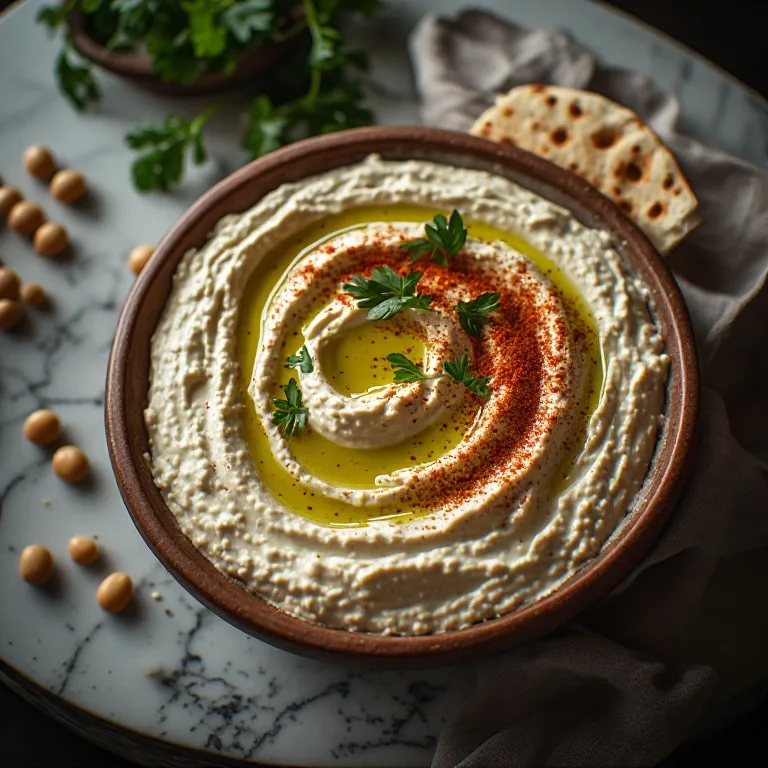
The full Bavel presentation includes tahini sauce, beet-pickled turnips, turmeric-pickled cauliflower, pickled cucumbers, fresh mint and parsley, and laffa. For a home version, the quick-pickled cucumbers in this recipe, the tahini sauce, the fat-soaked bread from below the lamb, and a handful of fresh herbs covers all the essential components. Additional warm flatbread for wrapping is the main add.

A simple fattoush or tabbouleh salad on the side makes a complete meal. If you want to replicate the full Bavel pickle spread, make beet-pickled turnips (raw turnips, beet, red wine vinegar, salt, 24 to 48 hours) at the same time you marinate the lamb.

One authentic finishing touch: Bavel drizzles the plate with carob molasses, a dark, fruity-bitter syrup that cuts the richness of the lamb the way a pomegranate molasses would. A thin drizzle over the pulled meat right before serving is optional but genuinely close to the restaurant plate; it’s sold at Middle Eastern grocers, and pomegranate molasses is a fair substitute.

Make-Ahead and Storage

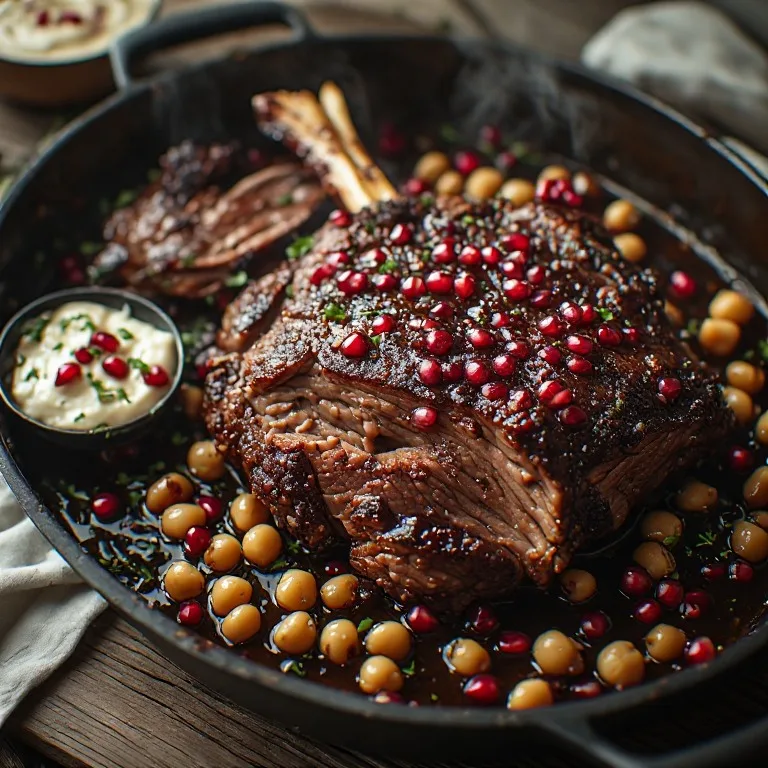
The spice-rubbed lamb keeps refrigerated for up to 48 hours before roasting — it will only get more flavorful. Once roasted, the pulled meat keeps in its own fat and juices in the refrigerator for 4 days. Reheat in a covered skillet over low heat with a splash of water, or in a 325°F oven covered loosely with foil, until warmed through — about 20 minutes. The fat-soaked bread does not keep; it is best eaten the day it is made. Do not freeze the cooked lamb neck; the texture of the pulled, gelatin-rich meat turns grainy on thawing.
🥗

Make It Healthier

Love Bavel Slow-Roasted Lamb Neck Shawarma but want a lighter version? Try these simple swaps:

  • ✓Use a trimmed lamb neck — ask your butcher to remove the visible fat cap before marinating. You lose the self-basting effect slightly, but the dish will have 80 to 100 fewer calories per serving and still be deeply flavored from the spice paste and the long cook.
  • ✓Thin the tahini sauce with low-fat yogurt (1 part plain Greek yogurt to 2 parts tahini) instead of water alone — it adds protein and brightness while cutting the sauce's fat content by roughly 30 percent.
  • ✓Swap the flatbread base for thin sliced zucchini or eggplant layered across the bottom of the pan — they absorb the lamb juices the same way and add vegetables without the extra carbs from bread.
  • ✓Serve with a big chopped herb salad (parsley, mint, tomato, cucumber, red onion, lemon juice) in place of extra flatbread — you get all the freshness that cuts the lamb's richness without the additional starch.

Frequently Asked Questions

What is Bavel's lamb neck shawarma?

Bavel's slow-roasted lamb neck shawarma is the signature centerpiece dish at Bavel, the acclaimed Arts District Los Angeles restaurant from chefs Ori Menashe and Genevieve Gergis. A whole section of bone-in lamb neck is rubbed with a paste of cardamom, allspice, sumac, cumin, and onion, slow-roasted for 12 to 16 hours so the fat drips onto laffa flatbread below, then finished in a wood-burning oven for a caramelized crust. It is served with tahini sauce, ajika, pickled vegetables, carob molasses, and laffa for table-side pulling and wrapping. The dish costs about $65 at the restaurant; this home version costs roughly $20 to $24 in ingredients.

Where do I buy bone-in lamb neck?

Bone-in lamb neck is sold at halal butchers, Middle Eastern grocery stores, and some Whole Foods and specialty butchers. If your grocery store sells lamb but not neck specifically, ask the butcher — neck is often available as a special order since it is not a prime retail cut. Whole Foods and halal shops reliably carry it. You want either a whole neck section (3 to 4 lbs) or bone-in cross-cut neck slices (the round medallion cuts, usually 1 to 1.5 inches thick). Both work; a whole section makes a more dramatic presentation. If lamb neck is genuinely unavailable, bone-in lamb shoulder (4 to 5 lbs) is the best substitute and uses the same technique at the same temperature, adding about 30 minutes to the cook time.

What is laffa bread and what can I substitute?

Laffa is a large, thick Iraqi flatbread baked in a tabun (clay) oven — chewy, slightly charred, and sturdy enough to absorb dripping fat and juices without turning to mush. Middle Eastern grocery stores and some Israeli bakeries carry it fresh or frozen. Large Lebanese mountain bread (the thin but durable style, not pocket pita) is the best substitute. Large flour tortillas (12-inch burrito size) work well and crisp up nicely — do not use corn tortillas. Avoid thin pocket pita, which disintegrates before the lamb is done cooking. The bread below is not optional garnish; it soaks up the rendered fat and cooking juices and is one of the best parts of the finished dish.

Can I speed up the cook time?

You can raise the oven to 300°F and reduce the covered cook time to 4 hours — the meat will still be tender but slightly less yielding than the 275°F version. Do not go higher than 300°F for the covered portion; lamb neck needs time for the connective tissue to melt into gelatin, and rushing it at high heat produces chewy rather than silky meat. The overnight marinade is non-negotiable for flavor penetration — do not skip it to save time, but do not skip the slow roast either. The only real shortcut is to use cross-cut neck slices instead of a whole section, which reduces the covered cook time to 3 hours 30 minutes at 275°F.

What is the spice blend in Bavel's lamb neck shawarma?

The spice paste combines warm Middle Eastern spices with acidic sumac and bright lemon: cumin and coriander form the base; allspice and cardamom add the aromatic depth that reads as distinctly Middle Eastern; cinnamon contributes a subtle sweetness; sumac (a tart, fruity berry ground into a deep red powder) provides the tangy backbone. Grated onion and garlic bind the spices into a paste and add aromatics that caramelize during roasting. The overnight marinade allows these spices to penetrate the dense neck muscle. Sumac is widely available at Middle Eastern grocers, specialty spice shops like Penzeys, and on Amazon — it is worth finding rather than omitting.

What should I serve with the lamb neck shawarma?

The full Bavel presentation includes tahini sauce, pickled vegetables (beet-pickled turnips, turmeric-pickled cauliflower, pickled cucumbers, pickled okra), fresh mint and parsley, and laffa bread. For a home version, tahini sauce, quick-pickled cucumbers (salt and vinegar, 20 minutes), the fat-soaked bread from below the lamb, and a chopped herb salad of mint and parsley covers all the essential flavor components. Add warm pita or additional flatbread for wrapping. A simple tabbouleh or fattoush salad on the side makes a complete meal. If you want to replicate the full Bavel pickle spread, beet-pickled turnips require 24 to 48 hours; make them alongside the lamb marinade the night before.

Love this recipe? Share it!

Free PDF: our 12 most-wanted copycat recipes — instant download.

Made it? Buy us a coffee

Every recipe here is free, with no paywalls. If this one was a hit at your table, a small tip keeps new copycats coming.

$

Bavel is a trademark of its owner, used here only to describe the dish this recipe recreates. This is an independent copycat written in our own words — Copycat Spices is not affiliated with, endorsed by or sponsored by Bavel.

Ratings & Reviews

—
No ratings yet

Rate this recipe

Click a star to rate

Leave a Review

0/500

CS

Copycat Spices Editorial

Researched + fact-checked. Every recipe on Copycat Spices is built from published sources — official ingredient lists, brand-published recipes, interviews and food-science references — and fact-checked before it goes live, then written as clear, step-by-step instructions for home cooks of all skill levels.

Learn more about our mission →