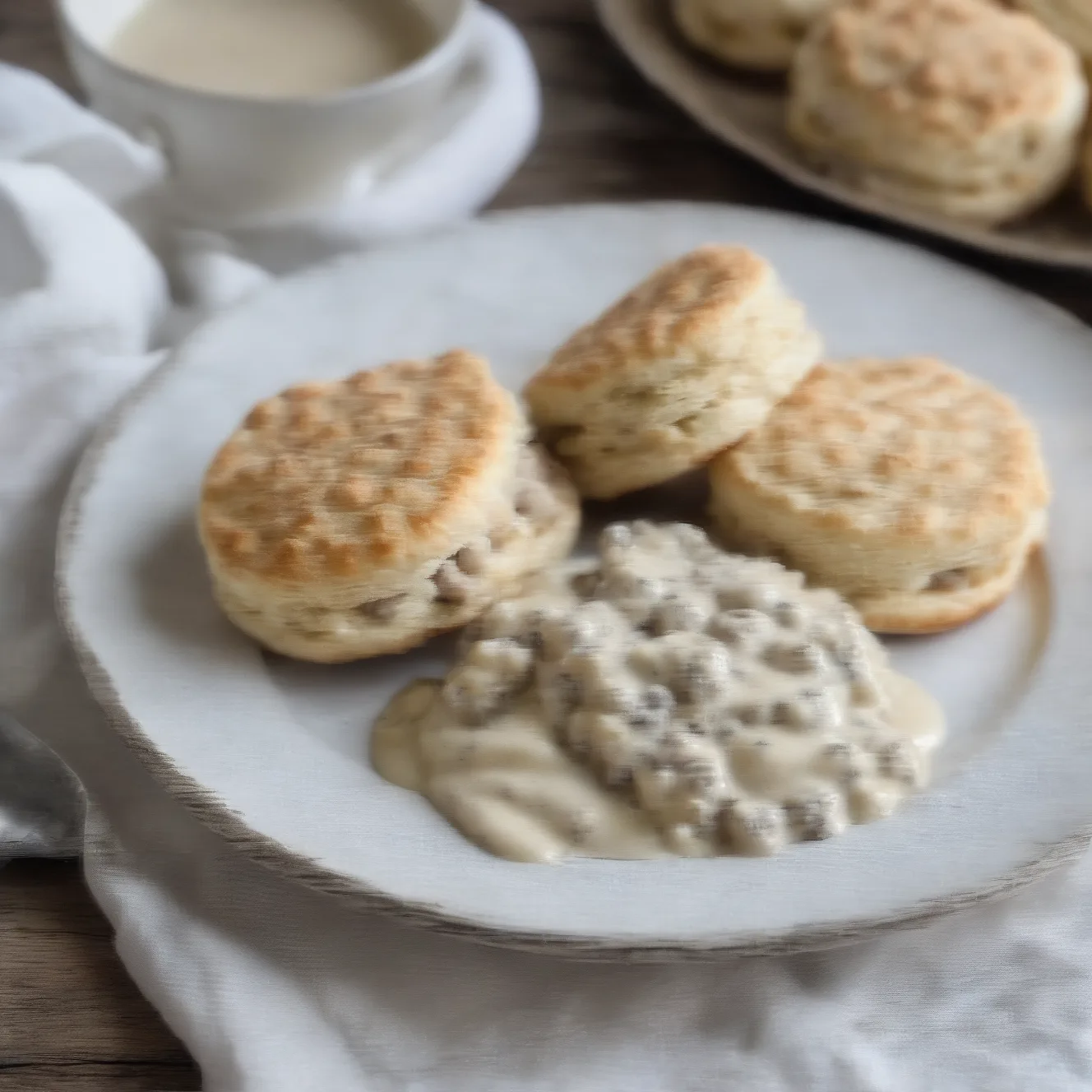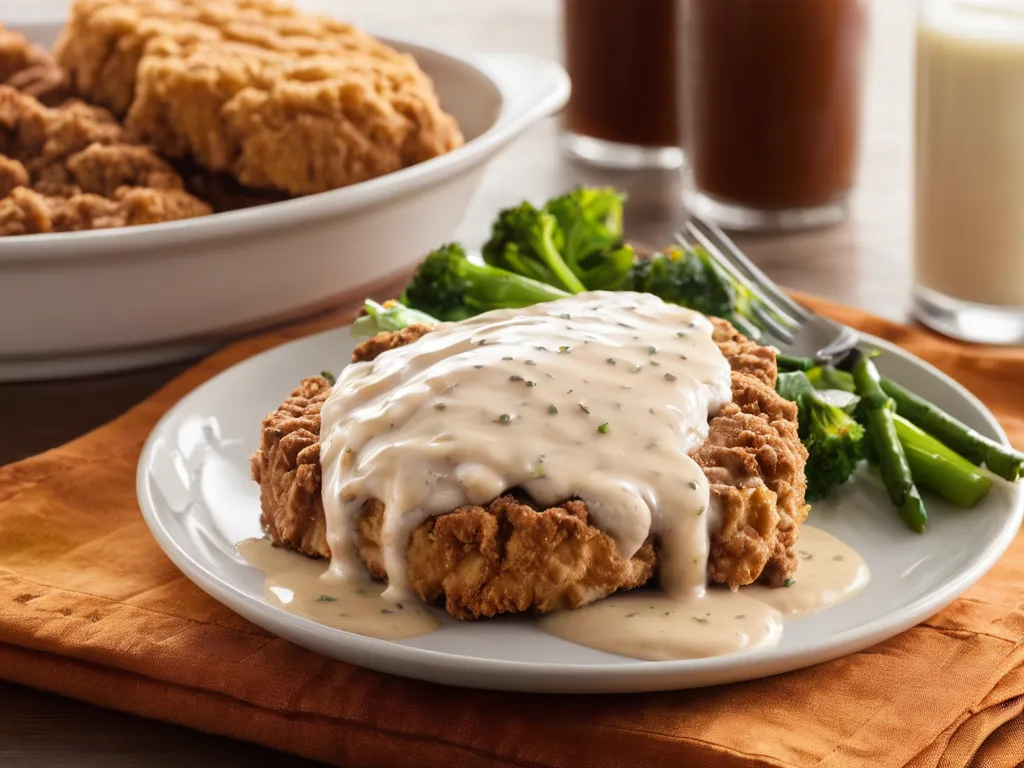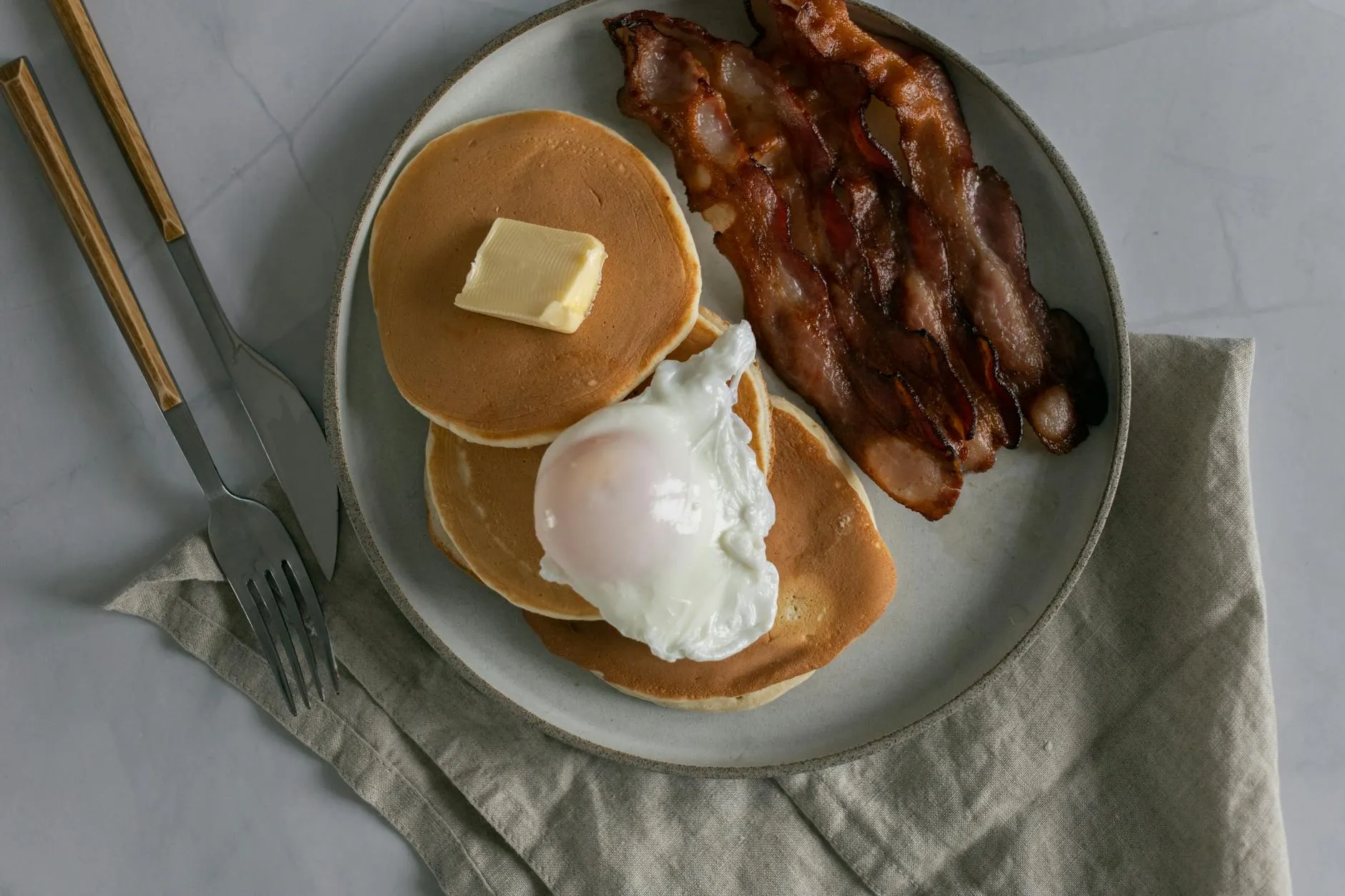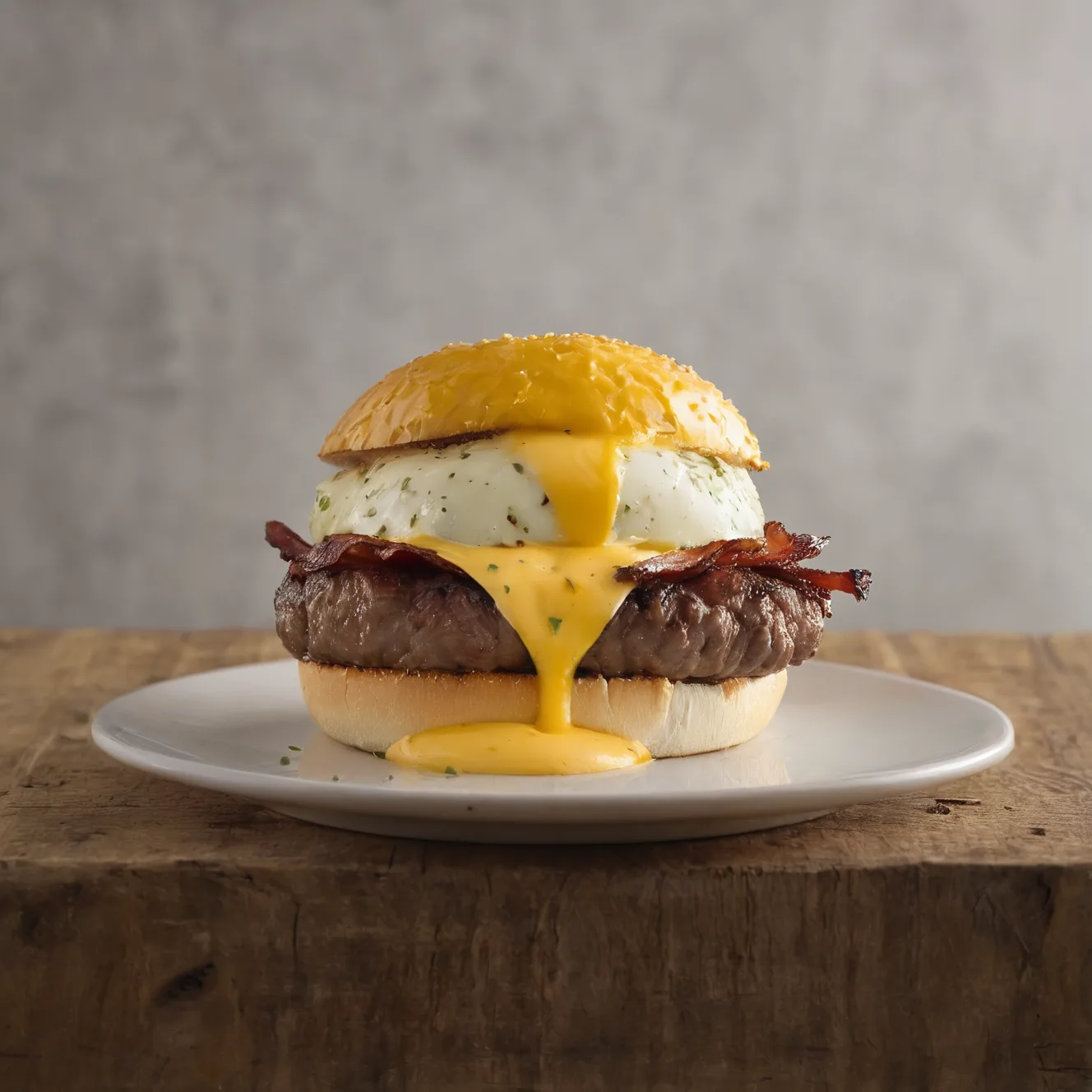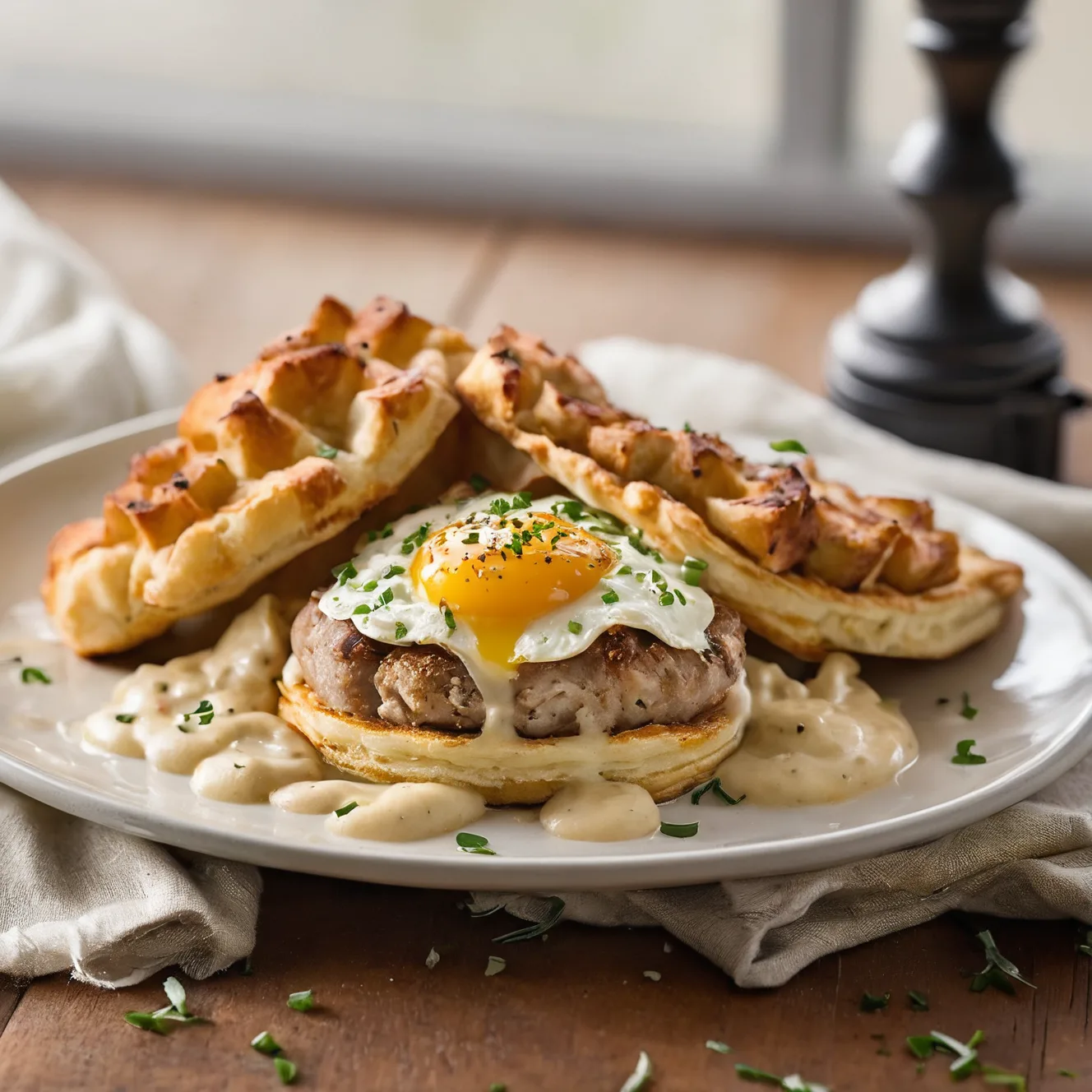
Bob Evans built its breakfast reputation on two things: its own sausage and biscuits. The restaurant’s signature Country Biscuit Breakfast is exactly what those two things become together — sausage gravy poured open-faced over a split buttermilk biscuit, with a fried egg and melted cheese completing the plate.
The dish is simpler than it looks, but it has one critical technique requirement that most copycat recipes skip: the biscuits must be rolled and cut, not dropped.
The Biscuit Is the Whole Story
The Cheesecake Factory item most people can’t stop talking about has 27 separate components and costs $22. The Bob Evans Country Biscuit Breakfast has five, costs under $10, and has been ordered millions of times by people who weren’t thinking about it critically — they just wanted it.
The reason is the biscuit. Specifically, a rolled-and-cut buttermilk biscuit with distinct flaky layers that absorb the sausage gravy from the cut edges inward. It isn’t a vehicle for the gravy. The biscuit and the gravy are a system.
Why Rolled, Not Drop
Drop biscuit dough is wetter and falls directly onto the pan without rolling or cutting. The exterior bakes up irregular and the interior, without defined layers, has a more bread-like, somewhat crumbly texture. When gravy hits it, the drop biscuit floods — the liquid soaks through the relatively open crumb and the biscuit becomes wet and soft throughout.
A rolled biscuit is different. The dough is stiffer. The rolling and folding creates horizontal strata of dough separated by thin sheets of cold fat. In the oven, those fat sheets melt and the trapped steam puffs the layers apart, producing a biscuit that rises vertically instead of spreading. The interior layers are distinct enough that you can see them when the biscuit is split — light, almost papery sheets separated by small air gaps.
When sausage gravy hits the cut face of a rolled biscuit, it soaks in from the edges but the interior layers stay intact long enough for the biscuit to have texture while you eat it. The outside absorbs the gravy; the inside stays flaky. That contrast is what makes the dish work.
The Three Technique Points That Actually Matter
Roll to a full 1 inch, not 1/2 inch. The most common instruction on copycat biscuit recipes says “roll to 1/2-inch thickness.” This is too thin. Biscuits don’t expand much horizontally — they rise. A 1/2-inch pre-bake thickness produces a biscuit that’s about 3/4-inch baked (at best). Pat out to a full 1 inch and you get a finished biscuit close to 1 1/2 inches — enough height to split cleanly and have a proper gravy-receiving surface. (During the folding step, keep the intermediate pat-outs around 3/4 inch; save the full 1 inch for the final pat before cutting.)
Press straight down with the cutter. Do not twist. This single instruction separates biscuits that open cleanly from biscuits that tear and don’t rise properly. Twisting the cutter as you cut compresses the dough at the edge, welding the layers together so they can’t separate in the oven. The finished biscuit looks fine on the outside but tears instead of splitting at the equator, and it rises less than it should.
Keep the fat cold. Cold butter and shortening melt in the oven, creating steam that puffs the layers. Fat that’s already soft by the time it goes into the oven just coats the flour — you lose the layering mechanism entirely. Grating frozen butter directly into the flour is the most reliable way to keep the fat cold and get it into the dough quickly with minimal warmth transfer from your hands.
The Gravy
The full Bob Evans sausage gravy technique is covered in detail on the copycat Bob Evans sausage gravy page, including the key points: don’t drain the rendered fat, use significantly more black pepper than you think is correct, and use room-temperature (not cold) milk to prevent lumping.
For this recipe, the gravy is the same but scaled for 2 servings. The condensed version in the ingredients list is enough for 2 plates. If you want a larger batch to pour more liberally (which is the right call), follow the full recipe linked above.
Assembly: Open-Faced, Not Stacked
The Country Biscuit Breakfast is served open-faced — the biscuit split along its natural equator, both halves face-up on the plate, with gravy poured over both. The egg sits on one half. The cheese goes over the egg and softens from the gravy’s heat.
This is not a biscuit sandwich. Don’t close it.
The open-faced presentation matters for two reasons: the gravy needs to reach the biscuit’s cut face to begin soaking in, and the egg yolk (if you go over-easy) needs to break on the plate and run into the gravy for the combination to work. A sandwich format contains everything; an open-faced presentation lets the components interact.
The Egg
Over-easy is the traditional egg preparation for this dish. The yolk runs into the gravy and the combination becomes richer and more integrated than any of its three components alone.
Over-hard works if you prefer a set yolk — the flavor profile shifts to something closer to a protein plate with gravy as a sauce rather than a cohesive dish. Both are correct choices; they produce genuinely different eating experiences.