Boston Market Thanksgiving Turkey
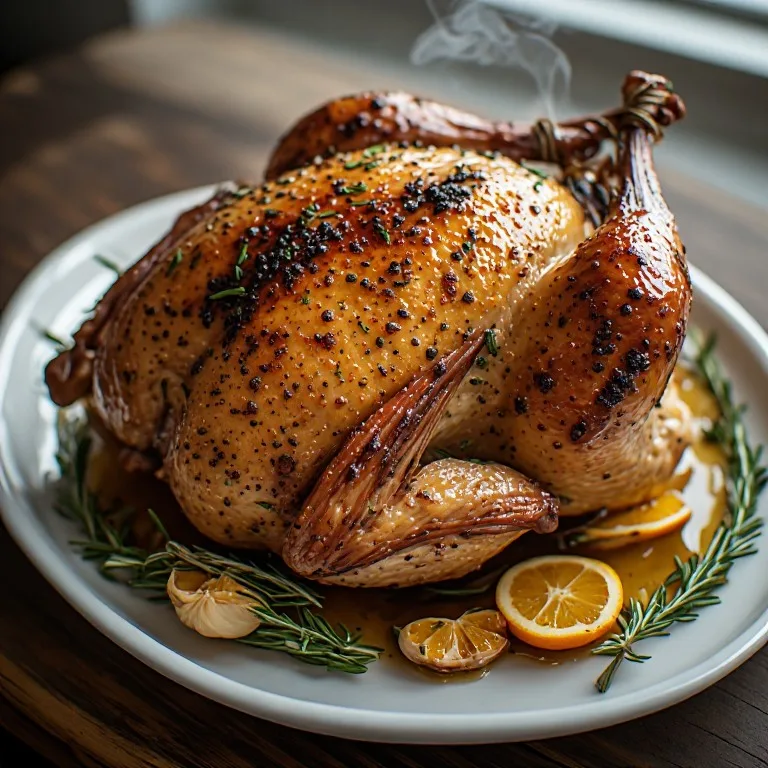
Quick answer: Brine a 12 to 14 lb turkey overnight in 1 gallon of water with 1 cup kosher salt, 1/2 cup brown sugar, garlic, thyme, rosemary, and bay leaves. Rinse and pat completely dry. Make a compound butter with 8 tablespoons softened butter, 4 minced garlic cloves, 1 tablespoon each fresh thyme, sage, and rosemary, salt and pepper. Push half the butter under the skin directly onto the breast meat; rub the rest over the outside. Season the cavity with salt and pepper and stuff loosely with a quartered onion, a halved head of garlic, and fresh herbs. Roast breast side down at 325°F for 45 minutes, then flip breast side up. Continue roasting at 325°F, basting with pan juices every 30 to 40 minutes, until the thickest part of the thigh reads 160°F — about 2 hours 45 minutes more for a 13 lb bird. Raise heat to 425°F for the final 20 minutes to crisp the skin, then pull the bird (thigh around 160°F). Rest loosely tented with foil for 30 minutes before carving — carryover cooking brings it to a safe 165°F. Deglaze the pan with 2 cups turkey or chicken stock, whisk in a slurry of 1/4 cup flour mixed with cold water, and simmer until thick.
Shop the tools
Gear matched to this recipe. These are Amazon affiliate links — we may earn a small commission if you buy, at no extra cost to you.
 Illustrative imageInstant-Read Digital ThermometerNail fry-oil and doneness temps every timeCheck price on Amazon →
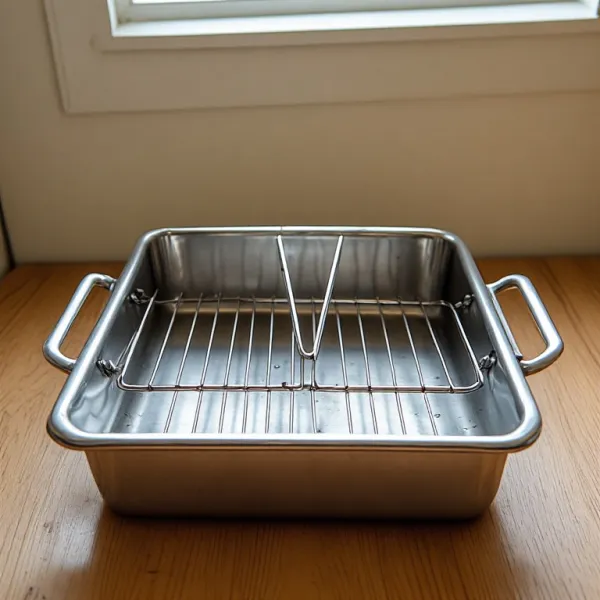 Illustrative imageRoasting Pan with RackLifts the bird off the pan so the drippings collect for gravyCheck price on Amazon →Gravy Fat SeparatorPours off clear pan juices, leaves the fat behindCheck price on Amazon →
As an Amazon Associate, Copycat Spices earns from qualifying purchases. Product images are generic illustrations, not the exact item listed.
Boston Market Thanksgiving Turkey
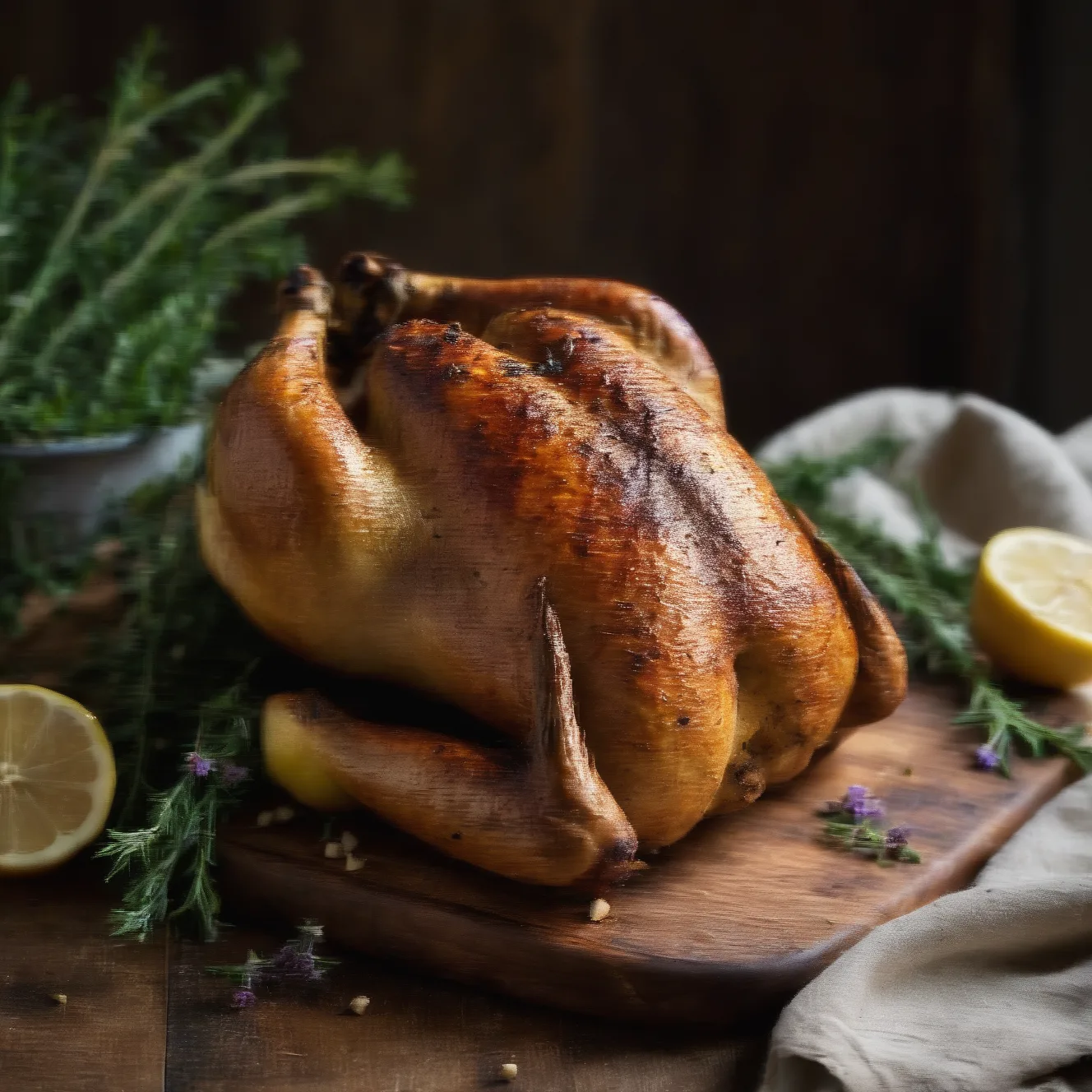
Boston Market's famous Thanksgiving turkey — the one millions of families pick up every November — made at home with an overnight herb brine, garlic-herb butter under the skin, and a low-and-slow roast that produces the same impossible juiciness. Full instructions for a 12 to 14 lb bird plus the classic sides.
Medium
Prep: 30 min (plus overnight brine)
Cook: 3 hr 30 min
Total: 4h 0m12 servings
~$4.50/serving
At home~$4.50/serving
vs
Restaurant~$20.25/serving
You save ~78%
The Story Behind the Recipe
Boston Market opened as Boston Chicken in Newton Centre, Massachusetts in 1985, built around the idea that a rotisserie-roasted chicken — juicy, herb-seasoned, nothing like the dry birds most households managed on a weeknight — could become a fast-casual staple. The chain expanded rapidly through the early 1990s, changed its name to Boston Market in 1995 to signal the wider menu, and eventually built its reputation on two things: the chicken, and what surrounded it. By the early 2000s, Thanksgiving had become their biggest annual event. Families who didn't want to deal with a 12-pound bird could pre-order a complete holiday meal — whole turkey, stuffing, mashed potatoes, gravy, sweet potato casserole, green bean casserole, cranberry sauce — fully cooked and ready to pick up on Thanksgiving morning. The program grew to cover hundreds of thousands of meals a year. A complete Boston Market Thanksgiving meal kit for eight typically runs $120 to $160 depending on location; making the same spread at home costs around $45 to $60 in groceries.
What makes Boston Market turkey taste different from the average home bird is almost entirely the brine and the basting. Commercial rotisserie ovens run at lower average temperatures than most home ovens because they're rotating the bird constantly — the fat bastes the surface continuously, which is something you can only approximate at home by basting manually every 30 to 40 minutes. The overnight salt brine does two things: it seasons the meat all the way through (surface seasoning never penetrates more than 1/4 inch) and it alters the muscle proteins so they hold more moisture during cooking, dramatically reducing the chance of a dry breast. The herb butter pushed directly under the skin — between the skin and the breast meat — cannot be tasted through the skin in the final dish, but it bastes the meat from the inside as it melts, which is how the breast stays as juicy as the thigh even though it gets more direct heat.
Nutrition Facts
Per serving (12 servings)Calories340
Total Fat17g
Total Carbs3g
Dietary Fiber0g
Sugars0g
Protein42g
Sodium580mg
* Estimated values based on standard recipe preparation. Actual values may vary.
Ingredients
- For the brine
- For the turkey
- For the herb butter
- For the cavity aromatics
- For roasting and pan gravy
Instructions
Pro tip: This recipe tastes even better the next day. The flavors need time to meld together in the fridge.
Storage: Keeps in an airtight container in the fridge for up to 2 weeks. Freezer-friendly for up to 3 months.
Free PDF — instant download. We'll also send new seasonal copycat recipes now and then; unsubscribe anytime. Or just download it →
🎉 Your Thanksgiving Cookbook is ready!
It's free — but if it's worth something to you, you can pay what you want. It keeps the recipes coming.
$
✓ Downloading your free Thanksgiving Cookbook — check your downloads folder. Happy cooking!
Make It Healthier
Love Boston Market Thanksgiving Turkey but want a lighter version? Try these simple swaps:
- ✓Remove the skin before eating — it holds the majority of the saturated fat. The herb butter has already done its job (basting the meat from inside during roasting), so the meat underneath is still juicy and well-flavored without it.
- ✓Skip the butter baste and use 3 tablespoons of olive oil mixed with the same herbs — it produces a similar golden skin at a slightly lower saturated fat per serving with no meaningful difference in flavor.
- ✓Use a sodium-reduced brine: cut the salt to 3/4 cup and extend the brine time to 18 hours. The bird still brines effectively; the finished sodium per serving drops from about 580mg to around 420mg.
- ✓Serve 4 oz of white meat (breast) instead of the mixed 5.5 oz serving — it's about 220 calories and 34g protein with only 6g fat, and it's genuinely satisfying alongside the classic sides.
Frequently Asked Questions
What makes Boston Market turkey taste different from a regular roast turkey?
Two things: the brine and the basting. The overnight salt-and-herb brine seasons the meat from the inside — surface salt and seasoning only penetrates the outer 1/4 inch of meat before roasting; a brine works its way through the whole bird over 12 to 18 hours. The brine also changes the protein structure slightly, allowing the muscle fibers to hold significantly more moisture during cooking. The result is a turkey that's noticeably juicier than an unbrined bird and is much harder to overcook into dryness. Boston Market's commercial rotisserie ovens solve the basting problem automatically — the rotation keeps the bird self-basting the entire time — but you can replicate the effect at home by basting manually every 30 to 40 minutes with the pan juices. The herb butter pushed under the skin (directly onto the breast meat, not just over the surface) then melts during roasting and bastes the breast from the inside, which is the single technique most responsible for a non-dry breast. None of these steps is complicated; they just require planning ahead.
How long do I brine the turkey, and what if I forgot to brine overnight?
A full overnight brine — 12 to 18 hours in the refrigerator — gives the best result and is what produces the Boston Market juiciness. If you forgot and only have 4 to 6 hours, you can do a shorter brine: it won't season quite as deeply, but the surface brine still makes a meaningful difference over no brine at all. If you have no time to brine at all, do a dry brine instead: rub the outside and inside of the bird generously with kosher salt (about 1 teaspoon per pound), place it uncovered on a rack in the refrigerator for at least 1 hour and up to 24 hours, then proceed with the herb butter and roasting. A dry brine draws out surface moisture, reabsorbs it as seasoned liquid, and dries the skin — you don't get the deep internal seasoning of a wet brine, but it's substantially better than going unseasoned. Whatever you do, pat the bird thoroughly dry before applying the herb butter; wet skin steams instead of crisping.
Why start breast side down and then flip it?
Starting the bird breast side down for the first 45 minutes achieves two things. First, the breast — which is the most delicate, driest-running part of a turkey — starts cooking more slowly because it's partially shielded from the direct heat of the oven, while the thighs and legs (which can handle more heat) face up and begin cooking faster. Second, the fat from the back and thighs drips down through the breast meat during those first 45 minutes, basting it from above before you flip. By the time you flip the bird breast side up, the breast has been gently cooking for 45 minutes and the thighs and legs already have a head start; the two parts then reach temperature at roughly the same time. Commercial Boston Market rotisserie ovens achieve this same balancing effect through rotation — the breast is pointing down half the time and up the other half. At home, the flip is the closest approximation.
What temperature should the turkey be when I take it out of the oven?
165°F at the thickest part of the thigh, inserted so the thermometer tip is not touching the bone. For the safest and juiciest result, pull the bird at 160°F — carryover cooking during the 30-minute rest will bring it to 165°F. Check the thigh, not the breast: the thigh is the slowest part to reach temperature and is the real gauge of doneness. If the thigh is at 165°F, the breast will be at about 170°F to 175°F, which is still fine (turkey breast handles higher temperatures better than chicken breast because the muscle fiber structure is different). Never pull the bird based on breast temperature alone — a breast reading of 165°F often means the thighs are still at 155°F. The 30-minute rest before carving is not optional: it's when the muscle fibers relax and reabsorb the juices that have been pushed toward the center during roasting. A turkey carved straight from the oven will bleed half its moisture onto the cutting board within two minutes.
What are Boston Market's classic Thanksgiving sides to serve with this turkey?
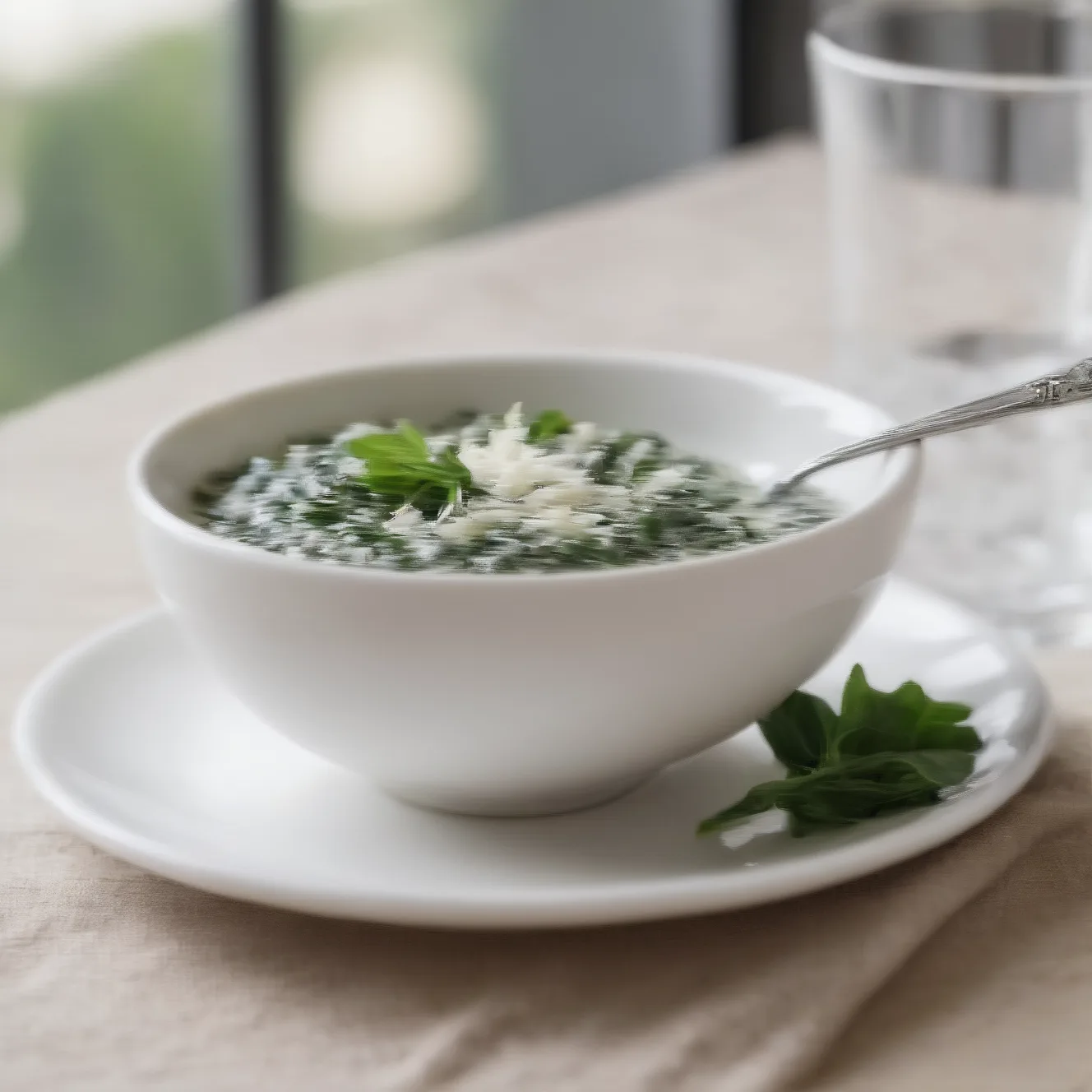
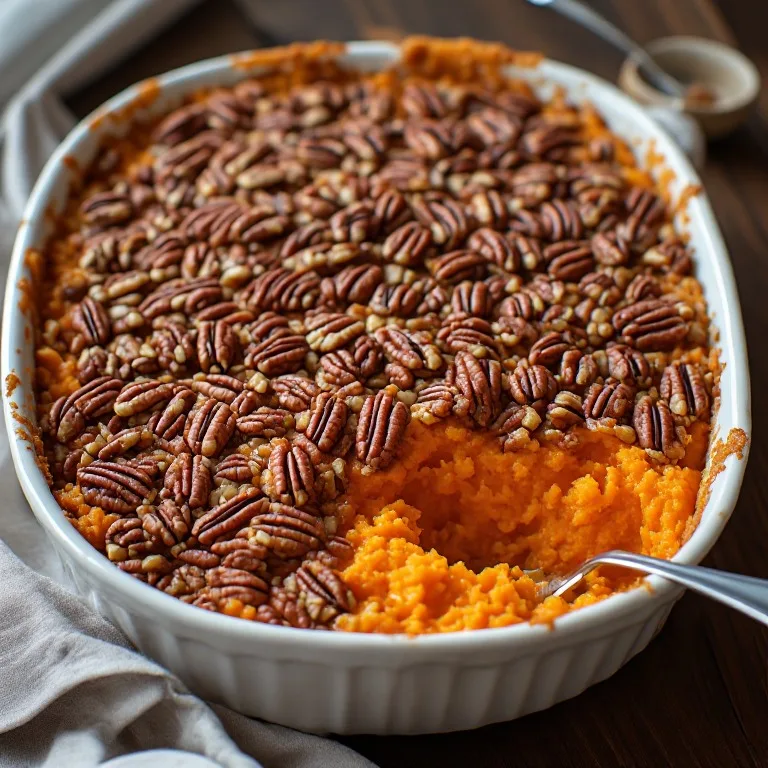
Boston Market built their Thanksgiving reputation as much on the sides as the bird. The classics: their signature creamed spinach (a rich béchamel-based spinach that's less aggressively cheesy than most versions — we have a dedicated copycat for it), fluffy butter-forward mashed potatoes (use a ricer rather than a mixer for the right texture), cornbread stuffing (slightly sweet cornbread with sage, celery, and onion), sweet potato casserole (mashed sweet potatoes with butter and brown sugar under a pecan streusel — the same profile Ruth's Chris made famous at a higher price point), and turkey gravy straight from the pan drippings using the method in the recipe above. Green bean casserole and cranberry sauce round out the traditional plate. If you're feeding 12 people and want the full Boston Market experience, start the turkey brine the night before and prep the side dishes in the hour the turkey is resting. Everything reheats well, so you can make the stuffing and sweet potato casserole a day ahead.
Can I cook a frozen turkey using this method?
No — you must start with a fully thawed turkey. A frozen bird cannot be brined (the brine can't penetrate frozen muscle tissue), and roasting from frozen produces dangerously uneven results: the outer layers overcook while the center is still ice-cold. Plan three days ahead: move the turkey from the freezer to the refrigerator 3 to 4 days before Thanksgiving (a 12 to 14 lb bird takes about 3 full days to thaw safely in a 40°F refrigerator at 24 hours per 4 to 5 pounds). Once fully thawed — the meat should feel pliable with no ice crystals — start your brine. If you're short on thaw time, you can cold-water thaw: submerge the turkey (still in its original packaging) in cold water in a clean sink, changing the water every 30 minutes. A 12 lb bird thaws in about 6 hours this way. Put it directly into the brine once thawed.
Love this recipe? Share it!
Made it? Buy us a coffee
Every recipe here is free, with no paywalls. If this one was a hit at your table, a small tip keeps new copycats coming.
$
💛 Support checkout is coming soon — the cookbook stays free either way.
Boston Market is a trademark of its owner, used here only to describe the dish this recipe recreates. This is an independent copycat written in our own words — Copycat Spices is not affiliated with, endorsed by or sponsored by Boston Market.
Ratings & Reviews
Rate this recipe
Click a star to rate