


Pin It

Bouchon Bistro Pommes Frites

Bouchon Bistro Pommes Frites
Jump to Recipe
Prep 35 min (includes 30-min soak) Cook 15 min Serves 4
Quick answer: The Bouchon Bistro double-fry: cut russet potatoes into 3/8-inch sticks, soak 30 minutes, pat completely dry. First fry at 325°F for 5–6 minutes (blanch — pale gold, cooked through, no crunch). Drain and rest 10 minutes minimum. Second fry at 375°F for 2–3 minutes until deep golden and shatteringly crisp. Season immediately with fleur de sel. The first fry drives moisture out of the potato; the second fry crisps the dehydrated exterior. Skipping the first fry is why homemade fries stay limp — the exterior is still saturated with water when it hits the high heat.

Bouchon Bistro Pommes Frites

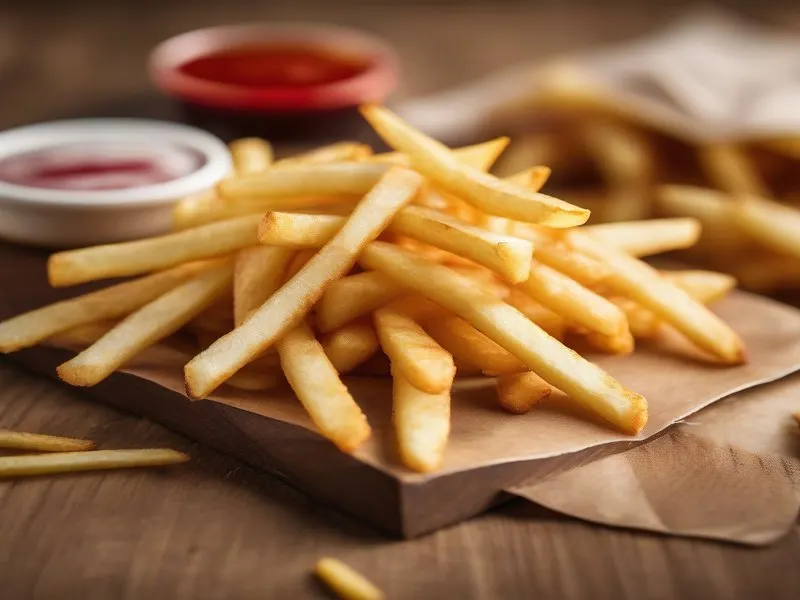
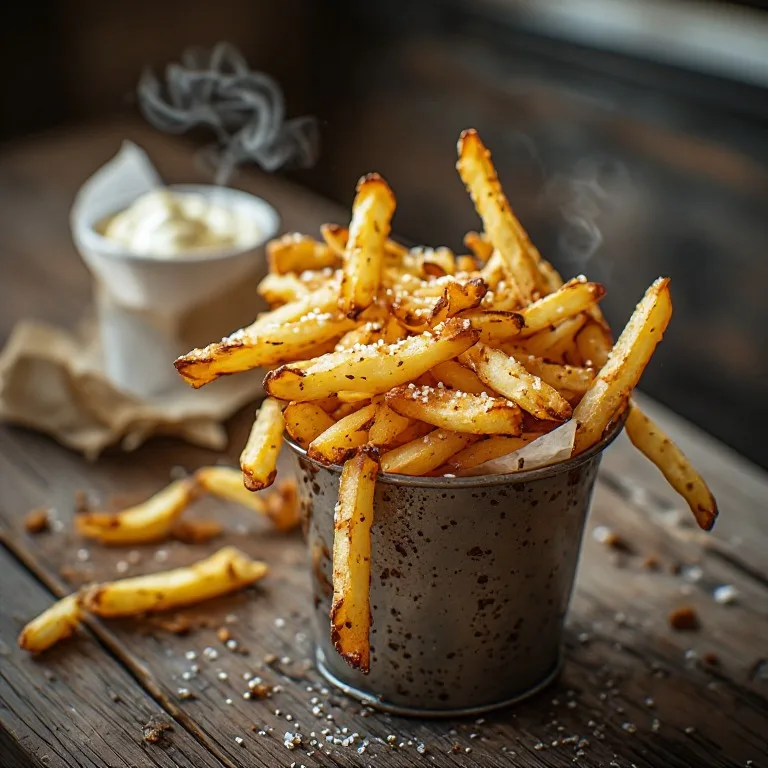
Thomas Keller's Bouchon Bistro pommes frites at home — the double-fry method (325°F blanch, then 375°F crisp) that makes restaurant french fries taste better than anything you can cook at home in one pass. Russet potatoes, fleur de sel, 40 active minutes.

Intermediate Prep: 35 min (includes 30-min soak) Cook: 15 min Total: 50 min4 servings ~$2.80/serving
Prep35 min (includes 30-min soak)
Cook15 min
Total50 min
Servings
4
At home~$2.80/serving
vs
Restaurant~$12.60/serving
You save ~78%

The Story Behind the Recipe

Thomas Keller opened Bouchon Bistro in Yountville, California in 1998, directly across the street from The French Laundry, as a deliberately casual restaurant. The name refers to a bouchon — a traditional Lyonnaise workers' tavern where simple, precisely cooked food is the point, not elaborate presentations. The menu at Bouchon is steak frites, moules marinières, croque monsieur, French onion soup, and pommes frites: the repertoire of a corner bistro in Lyon, executed with the same rigor Keller applies to his eleven-course tasting menus. The fries have been on the menu since opening day and have never been taken off.

A side of pommes frites at Bouchon Bistro costs $14–16 depending on location. The same quantity at home — 2 pounds of russet potatoes — costs about $2 in ingredients. The gap between restaurant fries and home fries is entirely technique, not ingredients. Restaurant kitchens double-fry: a low-temperature first pass blanches the potato in oil, cooking it through and driving interior moisture out, before it cools and rests. The second high-temperature pass hits an already-cooked, partially dehydrated exterior and crisps it almost instantly. Home cooks who fry from raw at high heat brown the outside before the inside is cooked, or cook the inside but end up with a wet exterior that steams rather than crisps. The double-fry closes that gap — it is not a secret, just a step most home recipes omit.

Nutrition Facts

Per serving (4 servings)
Calories390
Total Fat20g
Total Carbs48g
Dietary Fiber4g
Sugars1g
Protein4g
Sodium360mg

* Estimated values based on standard recipe preparation. Actual values may vary.

Ingredients

  • Optional finish
  • For serving

Instructions

💡
Pro tip: This recipe tastes even better the next day. The flavors need time to meld together in the fridge.
❄️
Storage: Keeps in an airtight container in the fridge for up to 2 weeks. Freezer-friendly for up to 3 months.
🎃 Free Halloween cookbook — download now The Copycat Halloween Cookbook A ready-made, photo-illustrated PDF of our best halloween copycat recipes — free to download, no building required. Pay what you want to support if you love it.

Free PDF — instant download. We'll also send new seasonal copycat recipes now and then; unsubscribe anytime. Or just download it →

Thomas Keller’s Bouchon Bistro in Yountville, California serves pommes frites that are the textbook answer to a question home cooks ask constantly: why do restaurant french fries taste better than the ones I make at home? The answer is a single technique — the double-fry — that most home recipes either omit or explain poorly.

The Double-Fry: What It Is and Why It Works

The first fry is a blanch in fat, not a cooking step. At 325°F, the oil temperature is too low to crisp anything. What it does: cooks the potato all the way through (interior becomes fluffy and soft), and drives water out of the cells. The result looks wrong — pale, floppy, unimpressive. That is exactly right.

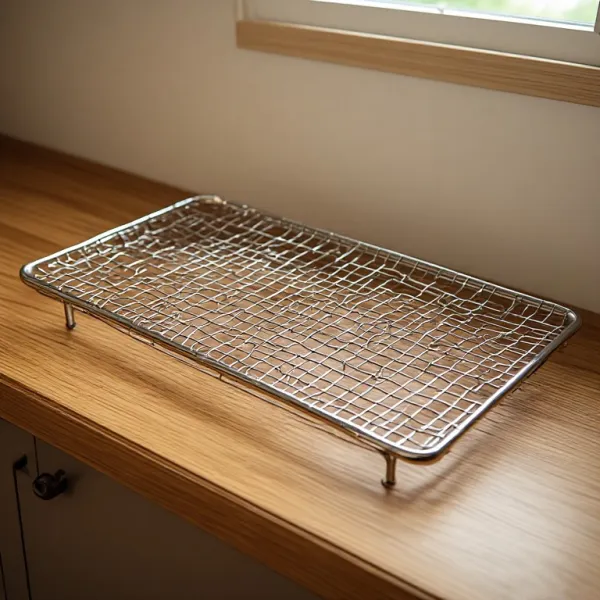
The rest period continues the work. After the first fry, the fries sit on a rack for 10 minutes or longer. The surface dries out further as residual heat escapes. This is also why restaurants prep the first fry hours before service — the longer rest produces a more thoroughly dehydrated surface.

The second fry crisps because there is nothing left to steam. At 375°F, the already-cooked, partially dehydrated surface hits the high heat and crisps in 2–3 minutes. The exterior is so dry that the hot oil can do what it’s supposed to — create the Maillard reaction and a rigid, glassy shell — instead of fighting against steam escaping from a wet interior.

Single-fry at high temperature from raw fails in one of two ways: the outside browns before the inside is cooked, or the inside gets cooked but the process takes long enough that the exterior oil-saturates and goes limp. The double-fry bypasses both failure modes.

The Soak: Not Optional

The 30-minute cold-water soak removes the free starch from the cut surfaces. Unsoaked fries stick to each other in the oil and form a gummy outer layer before the interior heat has built up — the gelatinized starch creates a paste that neither crisps nor browns cleanly. After soaking, the surface is clean potato cell walls, which interact with hot oil the way they should.

Temperature Discipline

The only equipment you actually need beyond a pot is a thermometer.

  • First fry at 325°F (not 300°F, which takes too long; not 350°F, which starts to brown)
  • Second fry at 375°F (not 350°F, which gives you 5-minute fries that aren’t quite shatteringly crisp; not 400°F, which burns before the center warms through)

A Dutch oven holds temperature better than a thin-walled pot because the thermal mass of the cast iron buffers the temperature drop when you add a cold batch of fries. If you don’t have a thermometer, a cube of bread dropped into the oil should turn golden brown in exactly 60 seconds at 325°F, and about 30–35 seconds at 375°F.

Season While Hot

Fleur de sel adheres to the hot oil on the surface of a freshly fried potato. Salt added to a cold fry sits on the surface and doesn’t penetrate. Season immediately after the second fry, before the fries lose heat. Toss rather than sprinkle — every surface should get salt.

More Thomas Keller Classics at Home
🥗

Make It Healthier

Love Bouchon Bistro Pommes Frites but want a lighter version? Try these simple swaps:

  • ✓Do the first fry in oil (you cannot skip it for texture), then finish the second pass in an air fryer at 400°F for 10–12 minutes — you retain about 75% of the crispiness and roughly halve the total oil absorbed.
  • ✓Use peanut or sunflower oil rather than vegetable blends — higher smoke points mean less oxidation and a cleaner flavor with less absorption at frying temperature.
  • ✓A mandoline ensures uniform cuts so every fry finishes at the same time — thinner stray pieces that overcook add acrylamide and bitter flavor.
  • ✓Serve immediately rather than holding in a warm oven, which steams and softens the crust. Smaller batches mean every fry lands crisp.

Frequently Asked Questions

Why does the double-fry make french fries crispier?

The first low-temperature fry (325°F) cooks the potato through and drives water out of the interior cells — think of it as blanching in fat rather than water. The potato comes out soft, pale, and partially dehydrated. When you then drop it into 375°F oil, the now-dry exterior makes contact with the hot oil and crisps quickly, because there is less moisture fighting against the heat. Single-fry from raw at high temperature browns the outside before the interior is cooked through, or if you go long enough to cook the interior, the outer surface has absorbed oil and gone limp. The rest period between fries also matters: it lets the potato surface cool and firm up, which holds the shape better during the second fry.

Can I use a different potato variety?

Russets are the right choice — their high starch and low moisture content produce the characteristic light, fluffy interior and crispy exterior. Yukon Golds have more moisture and sugar, which means they brown faster on the outside but stay softer inside; they work for wedges and thicker cuts but not for the thin Bouchon-style frite. Red potatoes have the highest moisture and lowest starch — they produce waxy, firm fries that don't crisp the same way. If you only have Yukons, cut them slightly thicker (1/2 inch) and extend the first fry by 2 minutes to drive out more moisture before the second pass.

How far ahead can I do the first fry?

Up to 24 hours. After the first fry, let the fries drain and cool completely on a wire rack, then refrigerate uncovered — the cold, dry refrigerator air continues to dehydrate the surface. Pull them out about 15 minutes before the second fry so they're not ice-cold when they hit the oil (cold fries lower the oil temperature sharply and can cause splattering). This make-ahead step is how restaurants prep for a dinner rush: the first fry happens in the afternoon, the second happens to order in under 3 minutes.

What's the best oil for frying french fries?

Peanut oil is the traditional choice for its high smoke point (450°F) and neutral flavor — it won't impart any off-flavors even at 375°F. Sunflower oil and refined safflower oil work equally well. Refined (not extra-virgin) canola oil is the most economical option with a 400°F smoke point — fine for home use. Avoid extra-virgin olive oil (smokes at 350°F and has strong flavor), unrefined coconut oil, and generic 'vegetable shortening' blends with unclear smoke points. Duck fat — used at some upscale versions of this recipe — produces an exceptionally savory fry with a richer crust, but the flavor is noticeable; most people prefer the neutral oil version for the clean potato-and-salt flavor.

Can I make these in an air fryer?

The first fry cannot be replaced by an air fryer — the oil blanch is what cooks the potato through and drives moisture out in a way dry air heat cannot replicate. But after completing the first fry in oil, you can air-fry the second pass: arrange the first-fried fries in a single layer (don't stack) and air-fry at 400°F for 10–12 minutes, shaking the basket at 5 minutes. You get about 75–80% of the crispiness of the full double oil-fry. This is a reasonable trade-off for cutting oil consumption significantly on the finishing step.

Why soak the potatoes in water first?

Soaking removes excess surface starch — the starch that clings to freshly cut potato surfaces causes two problems: fries stick together in the oil, and the starch gelatinizes quickly on contact with hot oil, creating a gummy outer layer before the interior is cooked. A 30-minute cold-water soak (up to 2 hours) washes that surface starch away. After soaking, dry the fries completely — water and hot oil are a dangerous combination, causing splattering, and any residual moisture on the surface steams instead of frying.

Love this recipe? Share it!

Free PDF: our 12 most-wanted copycat recipes — instant download.

Made it? Buy us a coffee

Every recipe here is free, with no paywalls. If this one was a hit at your table, a small tip keeps new copycats coming.

$

Ratings & Reviews

—
No ratings yet

Rate this recipe

Click a star to rate

Leave a Review

0/500

CS

Copycat Spices Editorial

Researched + fact-checked. Every recipe on Copycat Spices is built from published sources — official ingredient lists, brand-published recipes, interviews and food-science references — and fact-checked before it goes live, then written as clear, step-by-step instructions for home cooks of all skill levels.

Learn more about our mission →