Pin It

Copycat California Pizza Kitchen Thai Chicken Pizza

Copycat California Pizza Kitchen Thai Chicken Pizza
Jump to Recipe
Prep 20 min Cook 12 min Serves 4–6
Quick answer: California Pizza Kitchen's Thai Chicken Pizza uses a thin peanut-ginger-sesame sauce as the base (not tomato, not BBQ), whole-milk mozzarella only (no gouda), and chicken marinated in that same peanut sauce. The critical step most copycats get wrong: bean sprouts, green onions, fresh cilantro, and chopped roasted peanuts all go on after the pizza comes out of the oven — none of them go into the oven. Baked bean sprouts turn watery and limp; they must be added raw and crisp. The peanut sauce does double duty — one batch marinates the chicken and provides the pizza base, giving every bite a consistent peanut-sesame flavor. The Thai Chicken has been on CPK's menu since the late 1980s. Restaurant version: approximately 210 calories per slice (fastfoodnutrition.org); about $22–24 at CPK as of 2026.

Copycat California Pizza Kitchen Thai Chicken Pizza

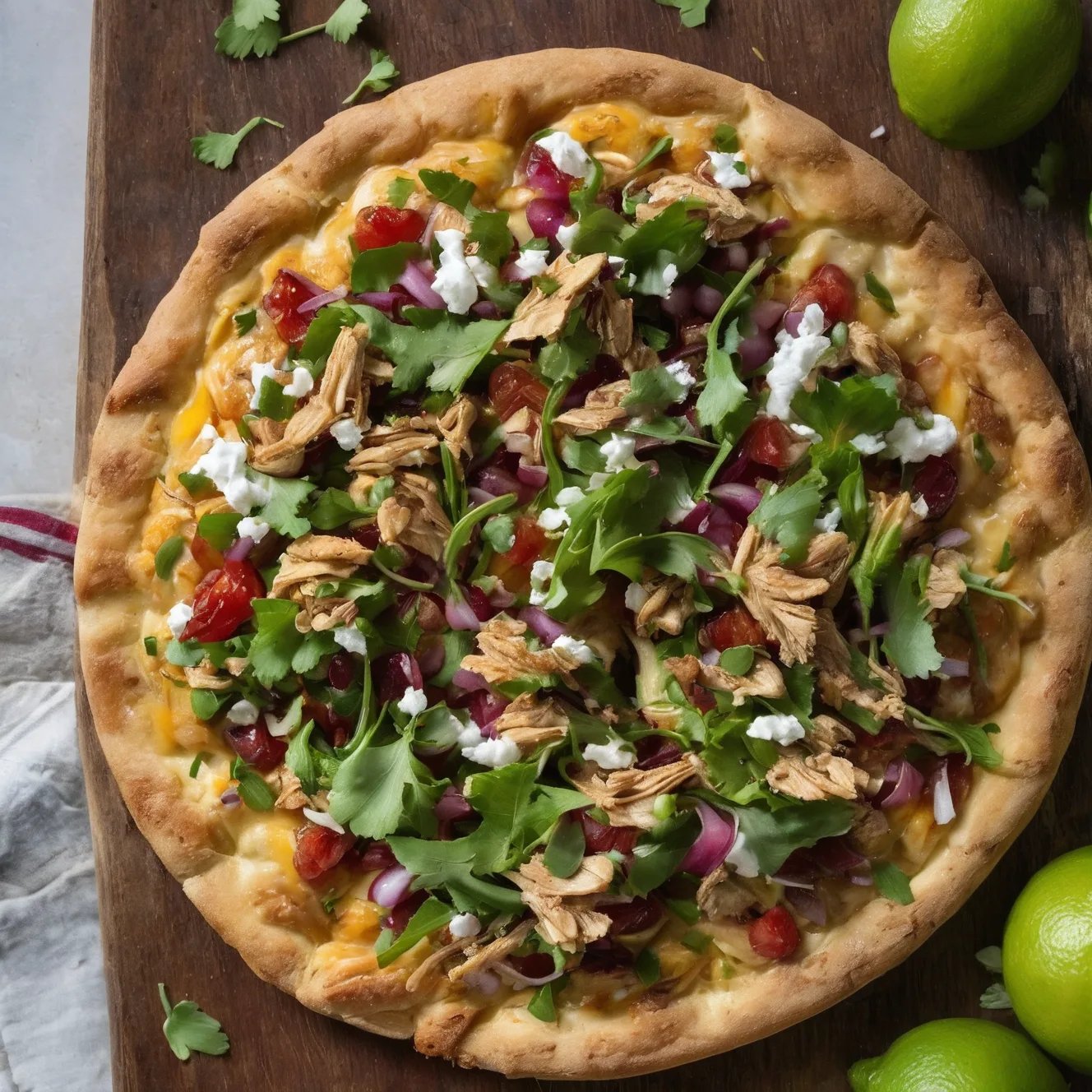
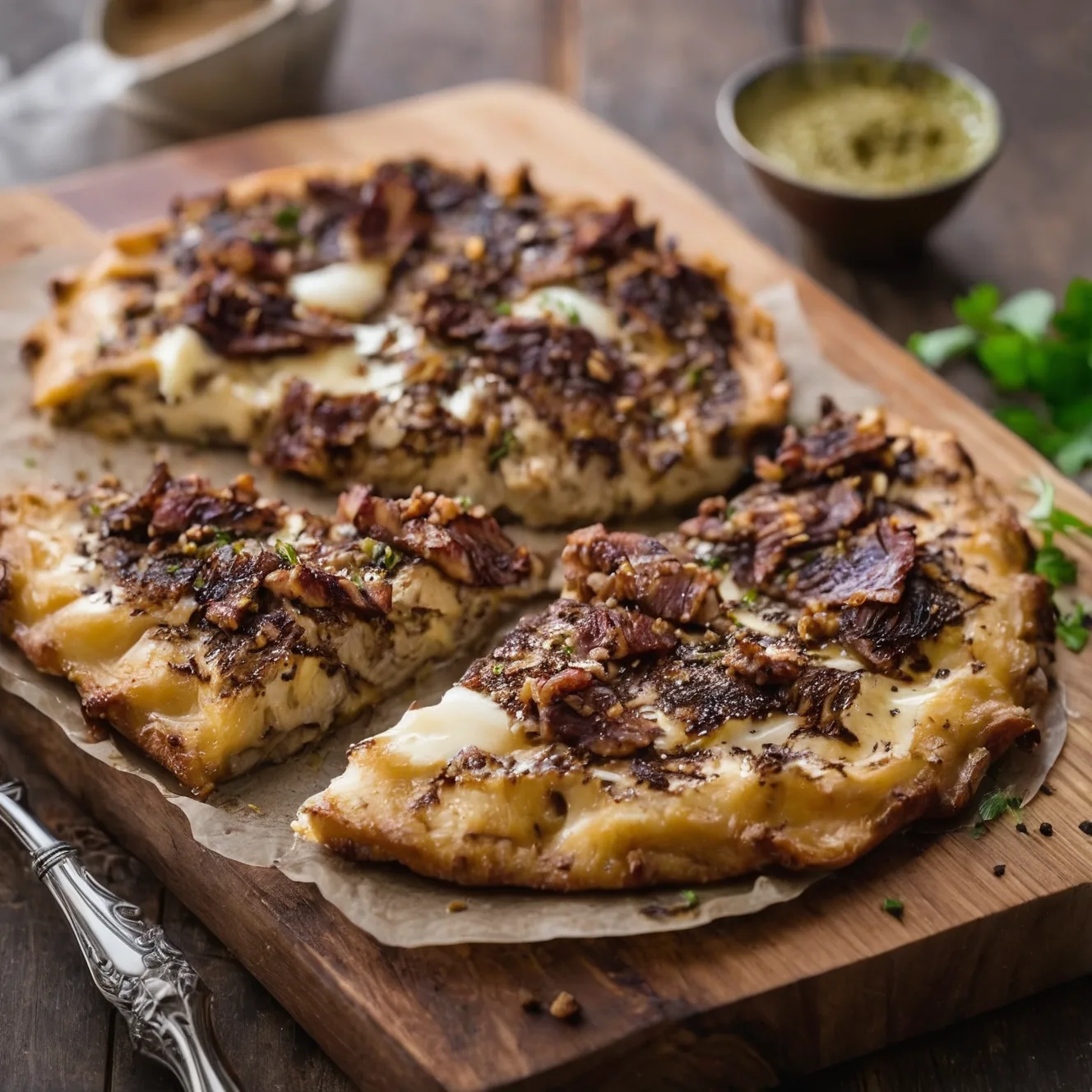
The accurate CPK Thai Chicken Pizza copycat — peanut-ginger-sesame sauce as the base (not tomato, not BBQ), mozzarella only, chicken marinated in the same sauce, julienned carrots baked on, and bean sprouts + green onions + cilantro + roasted peanuts added raw after the oven. Most copycats bake the bean sprouts into mush. About $22–24 at CPK (210 cal per slice, per fastfoodnutrition.org). Ready in 45 minutes with store-bought dough.

Easy Prep: 20 min Cook: 12 min Total: 32 min4–6 servings ~$4.50/serving
Prep20 min
Cook12 min
Total32 min
Servings
4
At home~$4.50/serving
vs
Restaurant~$20.25/serving
You save ~78%

Ingredients

Instructions

💡
Pro tip: This recipe tastes even better the next day. The flavors need time to meld together in the fridge.
❄️
Storage: Keeps in an airtight container in the fridge for up to 2 weeks. Freezer-friendly for up to 3 months.
~350-550 cal/serving · Rich & Indulgent🔥

The Story Behind the Recipe

Copycat California Pizza Kitchen Thai Chicken Pizza

Prep time: 20 min (plus 1 hr if making dough) Cook time: 12 min Servings: 4–6

California Pizza Kitchen put a peanut sauce on a pizza in the late 1980s and didn’t apologize for it. The Thai Chicken Pizza is one of the originals — on the menu since the chain’s early years in Beverly Hills, when the entire premise of CPK was that pizza could be a canvas for ingredients that had no business being there, except that they tasted exactly right.

The recipe is straightforward to replicate at home. The key is understanding what goes into the oven and what doesn’t — and why.

TL;DR for the experienced cook

Thin peanut-ginger sauce on the dough. Whole-milk mozzarella (no gouda). Marinated, pan-cooked chicken and julienned carrots baked on. Bean sprouts, green onions, cilantro, and chopped peanuts added raw right after the oven. The sauce works double duty — same batch marinates the chicken and spreads on the dough. Don’t bake the sprouts.

The peanut sauce: one batch, two jobs

The peanut sauce is the heart of this pizza, and it does two distinct things.

The first job is marinating the chicken. The thicker version — just the sauce as-is — coats the chicken pieces and gives them their flavor. When the marinated chicken hits a hot pan, the peanut sauce caramelizes against the cast iron and builds a lacquered crust on each piece. That crust is why the chicken on CPK’s pizza has more presence than plain grilled chicken would.

The second job is the pizza base. The thinner version — the same sauce extended with a tablespoon or two of water until it flows freely — replaces tomato sauce and BBQ sauce on this pizza. This is not a thick peanut layer; it is a coating, just enough to flavor the dough surface. Spread it thin, the same way you would restrain yourself with BBQ sauce on the BBQ Chicken Pizza. A heavy peanut layer saturates the dough and prevents the crust from crisping.

The result of the double-duty approach: when you eat a slice, the peanut flavor is layered through the pizza rather than concentrated on top. The marinated chicken brings peanut from inside the cheese layer. The sauce base brings it from under. The chopped peanuts bring it at the finish. It is consistent without being overwhelming.

The cheese: mozzarella only, and why it matters

This is one of the few places where the Thai Chicken and BBQ Chicken Pizzas diverge in a way that actually matters. The BBQ Chicken Pizza uses a smoked gouda and mozzarella blend — the gouda is the most-missed ingredient in BBQ Chicken copycats, and it adds a smoky richness that mozzarella alone cannot provide. The Thai Chicken uses mozzarella only, and that is correct.

Mozzarella’s clean, mild flavor is the right pairing for the peanut-ginger base. A smoked or aged cheese would fight the sesame and ginger character. The goal is a neutral, creamy cheese layer that carries the peanut sauce and the chicken without adding its own competing flavor.

The one non-negotiable: shred the mozzarella yourself from a block. Pre-shredded mozzarella is coated in potato starch or cellulose to prevent clumping in the bag. That coating prevents the cheese from melting fully and creates a slightly grainy, separated texture. Whole-milk low-moisture mozzarella from a block melts into a uniform, creamy layer. The difference is visible.

The toppings: what goes in the oven and what doesn’t

The official CPK menu description is “chicken marinated in a spicy peanut-ginger and sesame sauce, green onions, bean sprouts, julienne carrots, cilantro and roasted peanuts.” That list is accurate — but it doesn’t tell you which items bake and which don’t, and that distinction is the entire technique.

Goes in the oven: the peanut sauce base, mozzarella, cooked marinated chicken, julienned carrots.

Goes on after the oven: bean sprouts, green onions, fresh cilantro, chopped roasted peanuts.

The carrots go in because they benefit from the heat — 12 minutes at 500°F softens their raw edge and concentrates their sweetness, and they nestle into the cheese layer rather than sitting on top.

Everything else goes on after because heat ruins it. Bean sprouts are about 92% water by weight. In a hot oven, that water evacuates fast, leaving behind limp, translucent, flavorless strands — not the crisp, fresh crunch that makes this pizza interesting. Add them raw to the hot cheese right after you pull the pizza; the residual heat warms them through without destroying the texture.

Fresh cilantro loses its aromatic oils at high heat and turns flat and slightly bitter — the same reason it goes on after the bake in the BBQ Chicken Pizza. The roasted peanuts become over-toasted and lose their crunch if they bake for 12 minutes at 500°F. And green onions, while you can bake them successfully, stay sharper and fresher when added after.

The 90 seconds of resting time after the bake is important: the cheese is hot enough to warm the cold-finish toppings, but letting it settle briefly means the sprouts and cilantro do not drop onto a surface that is actively boiling with escaped steam.

The crust: thin and hot

CPK’s crusts are thinner than most American casual-dining pizzas. Stretch your dough thinner than seems right. The center of a 12-inch pizza should be roughly ¼ inch — translucent-ish when held up to a light, not opaque. The rim can be thicker, maybe ½ inch.

The other critical element is the preheated surface. A pizza stone or heavy baking sheet, preheated in a 500°F oven for at least 30 minutes, provides the bottom heat that crisps the crust from below while the oven air works on the top. Without it, the top finishes before the bottom, and you get melted cheese over slightly doughy, pale crust — technically cooked, but not right.

What to expect vs. the restaurant

The Thai Chicken Pizza runs approximately $22–24 at CPK as of 2026, varying by market. Per fastfoodnutrition.org and CalorieKing, the restaurant version is approximately 210 calories per slice on the original hand-tossed crust (the pizza is cut into 6 slices, so about 1,260 calories for the whole pie). The home version runs approximately 390 calories per serving (based on 4 servings from a 12-inch pizza), with more protein than the restaurant version because the chicken portion is generous.

Variations
  • More heat. Double the chili oil in the sauce, or add a thin drizzle of sriracha over the assembled pizza just before baking. The peanut base absorbs heat well without becoming overwhelmed.

  • Add cucumber. A few thin cucumber slices added with the cold-finish toppings add a cool, water-forward crunch that reinforces the sprouts. Not on CPK’s official version, but a common and successful home addition in the copycat-recipe community.

  • The BBQ direction. Swap the peanut sauce for sweet-smoky BBQ sauce, the chicken marinade for plain seasoned grilled chicken, and add smoked gouda to the mozzarella. That is CPK’s BBQ Chicken Pizza, their top-seller, and the recipe is different enough that both pizzas justify their own dedicated page.

  • Wonton strips. A handful of fried wonton strips scattered with the cold-finish toppings adds extra crunch and leans further into the Asian-fusion character. Crispy chow mein noodles work the same way. Neither is on CPK’s menu; both are good.

  • Cauliflower crust. CPK offers a cauliflower crust version at the restaurant (approximately 160 calories per slice). At home, a store-bought cauliflower crust handles this pizza well — the mild crust doesn’t fight the peanut base, and the lower carb load offsets the peanut butter’s fat content if that matters to you.
Nutrition Facts

Per serving (4–6 servings)
Calories390
Total Fat14g
Total Carbs44g
Dietary Fiber3g
Sugars6g
Protein22g
Sodium640mg

* Estimated values based on standard recipe preparation. Actual values may vary.

🥗

Make It Healthier

Love California Pizza Kitchen Thai Chicken Pizza but want a lighter version? Try these simple swaps:

  • Whole wheat pizza dough adds fiber and a nuttier flavor that complements the sesame-peanut base
  • Part-skim mozzarella reduces fat by about 30% with minimal texture difference; whole-milk still melts better
  • Replace half the peanut butter with natural almond butter for a slightly lower-calorie sauce with a different but equally pleasant nutty character
  • Load up the carrots — julienned carrot is negligible in calories and adds texture, color, and a natural sweetness that balances the soy-ginger base
  • The bean sprouts are essentially free in calories (~8 cal per ½ cup) — use a generous handful

Equipment You'll Need

Pizza stone or heavy baking sheet

Preheated in the oven for at least 30 minutes — delivers a crisp bottom crust without a soggy center

Cast iron skillet or non-stick pan

For cooking the marinated chicken; the peanut marinade caramelizes against the pan surface

Instant-read thermometer

Chicken breast overcooked by even two minutes gets dry; pull at exactly 165°F

Box grater or flat grater

For shredding block mozzarella and grating fresh ginger — both make a measurable quality difference

Frequently Asked Questions

What is the difference between CPK's Thai Chicken Pizza and their BBQ Chicken Pizza?

Three fundamental differences. First, the base: Thai Chicken uses a peanut-ginger-sesame sauce; BBQ Chicken uses sweet-smoky BBQ sauce. Second, the cheese: Thai Chicken is mozzarella only; BBQ Chicken uses a smoked gouda and mozzarella blend — the gouda is the single most-missed ingredient in BBQ Chicken copycats. Third, the cold-finish toppings: Thai Chicken finishes with raw bean sprouts, sliced green onions, fresh cilantro, and chopped roasted peanuts — none of which survive the oven intact. BBQ Chicken finishes with fresh cilantro only. Both require the same discipline: a thin sauce layer to prevent a soggy crust, and fresh herbs and garnishes only after baking.

Do the bean sprouts, cilantro, and peanuts go on before or after baking?

All after baking — none of them go into the oven. Bean sprouts become limp, watery, and nearly flavorless when baked; they need to be raw and crisp when they hit the hot cheese, where they warm through without fully cooking. Fresh cilantro loses its volatile aromatic oils at high heat and turns brown and flat. Roasted peanuts develop a slightly bitter over-toasted quality after 12 minutes at 500°F, and they lose their crunch. Green onions can go either way, but adding them after the bake keeps them sharp and fresh. The sequence: pull the pizza from the oven, rest 90 seconds, then scatter all the cold-finish toppings at once.

What peanut sauce does CPK use on their Thai Chicken Pizza?

CPK has not published their formula, but the copycat consensus across multiple independent recipe developers is a smooth peanut butter base thinned with soy sauce, rice vinegar, sesame oil, fresh ginger, honey, and a small amount of chili for heat. The fresh ginger is non-negotiable — it is what makes this taste like CPK's version rather than generic peanut sauce. Ground ginger is not a substitute; it reads warmer and less bright. The sauce serves double duty: a thicker version marinates the chicken, and a thinner version (add a tablespoon or two of water) spreads on the dough as the base. One batch, two purposes.

What cheese does CPK use on the Thai Chicken Pizza?

Whole-milk mozzarella only — no gouda, no parmesan, no smoked cheese. This is explicitly different from the BBQ Chicken Pizza, which uses a smoked gouda and mozzarella blend. Mozzarella's clean, mild flavor is the right pairing for the peanut-ginger base; a smoked or aged cheese would fight the sesame character. Shred the mozzarella yourself from a block — pre-shredded mozzarella contains anti-caking starches that prevent proper melting and leave a slightly grainy texture. Whole-milk mozzarella melts creamier and pools better than part-skim.

How many calories are in CPK's Thai Chicken Pizza?

Approximately 210 calories per slice for the original hand-tossed version, per fastfoodnutrition.org and CalorieKing — CPK cuts the pizza into 6 slices, so the whole pie is roughly 1,260 calories. The crispy thin crust version is slightly lighter at approximately 200 calories per slice. The cauliflower crust version runs approximately 160 calories per slice. The home version in this recipe runs approximately 390 calories per serving (based on 4 servings), reflecting the whole-milk mozzarella and peanut sauce.

How much does CPK's Thai Chicken Pizza cost?

Approximately $22–24 at CPK as of 2026, depending on location. Higher-cost markets like Manhattan, San Francisco, and Hawaii typically run $25–27. The home version costs roughly $12–15 in ingredients and makes 4 to 6 servings — less than half the restaurant price. The main cost driver is the peanut butter used in the sauce, which also marinates the chicken; a large jar covers several batches.

Can I use rotisserie chicken instead of grilling the chicken?

Yes, but the texture is different. Grilled chicken (or pan-seared in a cast iron over high heat) has a firmer surface that holds its shape under the cheese and releases less moisture during the bake. Rotisserie chicken is softer and moister, which can make the cheese layer slightly wetter. If you use rotisserie, shred it into bite-sized pieces, toss with the peanut marinade, and warm it briefly in a dry skillet before assembling so the surface dries out a bit. The flavor difference is smaller than the texture difference — the peanut marinade brings both versions to the same flavor profile.

Love this recipe? Share it!

Free PDF: our 12 most-wanted copycat recipes — instant download.

Ratings & Reviews

No ratings yet

Rate this recipe

Click a star to rate

Leave a Review

0/500

CS

Copycat Spices Test Kitchen

Every recipe on Copycat Spices is developed and tested in our home test kitchen. We reverse-engineer beloved restaurant dishes and refine each one until the flavors and the instructions work reliably for home cooks of all skill levels.

Learn more about our mission →