


Copycat Carmine’s Chicken Parmigiana (The Famous NYC Family-Style One)
Prep time: 20 min Cook time: 35 min Servings: 4
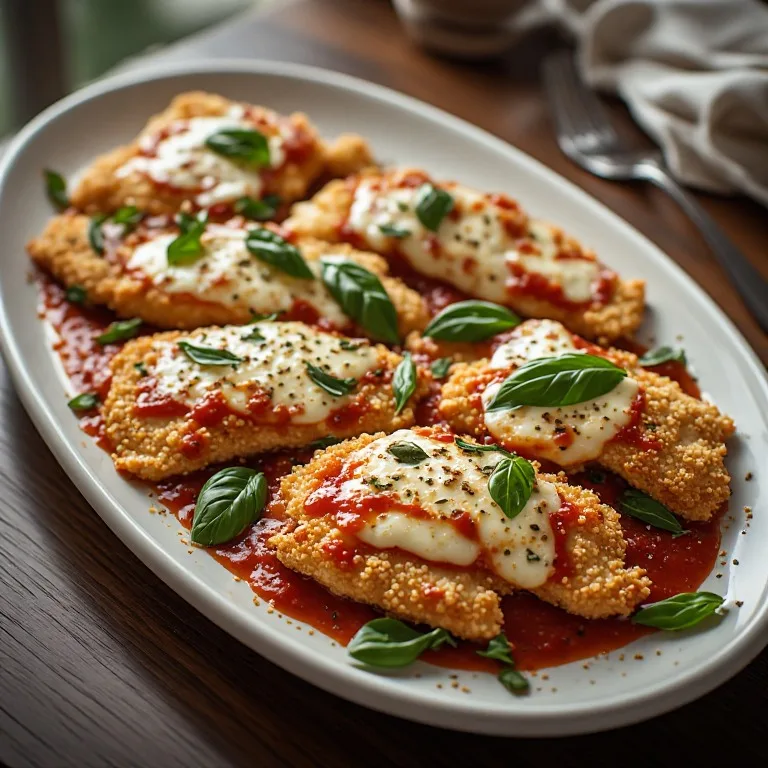
Carmine’s chicken parmigiana is a New York institution: large breaded chicken breasts fried until the Parmesan-laced crust is deep golden, then buried under San Marzano tomato sauce and fresh mozzarella and baked until the cheese runs into the sauce at the edges. One restaurant order costs $70 and is meant for the whole table. This recipe matches their crust-to-sauce ratio for four people at home for about $22.
The Story Behind the Recipe
Artie Cutler opened Carmine’s in 1990 at 2450 Broadway on the Upper West Side, betting that New York was ready for a revival of the Italian-American Sunday-dinner format — enormous family-style platters at a table covered in checkered cloth. He was right. The restaurant filled immediately and has had a reservation waitlist ever since, now with additional locations in Times Square, Las Vegas, Washington DC, and Atlantic City.
The chicken parmigiana is their flagship. It arrives at the table on a platter meant to be shared: multiple large breasts, fried in olive oil with a Parmesan-heavy breadcrumb crust, blanketed in their house San Marzano sauce and melted fresh mozzarella. The technique is traditional Italian-American — nothing clever or modern — which is precisely why it works.
What Makes the Crust Stick
Three things: thin flour, firm pressing, and a rest. The flour layer must be shaken until almost nothing remains — it’s a primer for the egg, not a coating. The egg must be thinned with a little milk so it coats without pooling. And pressing the breadcrumb mixture hard against the chicken with your palm for a full three seconds creates the bond that prevents the crust from sliding off when it hits the hot oil.
The Tomato Sauce
Carmine’s sauce is a fast San Marzano marinara: 15 to 20 minutes, nothing complicated. The key is using whole peeled tomatoes and crushing them by hand — pre-crushed tomatoes have added puree that makes the sauce too thick and sweet. Hand-crushed San Marzano tomatoes keep a slightly uneven texture that catches in the breadcrumb crust at the edges and adds textural contrast.
Frequently Asked Questions
Why does Carmine’s serve chicken parmigiana family-style? Artie Cutler built Carmine’s around the Italian-American Sunday-dinner format — shared platters at the center of the table rather than one plate per person. It’s a business model as much as a culinary choice: a single chicken parm order costs $70 and requires one pan and one plate. The family-style presentation is why the restaurant fills every night and why the portions feel like a genuine event.
What is the difference between chicken parmigiana and chicken parmesan? Nothing — they’re the same dish. “Parmigiana” is the Italian spelling; “parmesan” is the American shortening. The dish doesn’t actually originate in Parma — the “Parmesan” in the name refers to the Parmigiano-Reggiano in the breadcrumb crust, not the northern Italian city. The dish’s roots are in southern Italian eggplant parmigiana, brought to the US by Neapolitan and Sicilian immigrants.
Can I use pre-shredded mozzarella? You can, but it won’t melt the same way. Pre-shredded mozzarella contains anti-caking agents that prevent it from flowing smoothly — you get a stringy, uneven layer rather than the clean bubbling surface you see at Carmine’s. Fresh whole-milk mozzarella, sliced and laid in overlapping pieces, melts into a cohesive sheet that integrates with the sauce underneath it.
How do I keep the crust crispy after adding sauce? The sauce should go on the chicken right before the oven — not during resting, not while transporting to the table. The 15-minute bake is enough to melt the cheese without softening the entire crust; the outer perimeter of the crust stays exposed and crunchy while the sauce and cheese concentrate in the center. Serving immediately after the 3-minute rest preserves this. Leftovers should be reheated in a 350°F oven (not microwave) for 12 to 15 minutes.
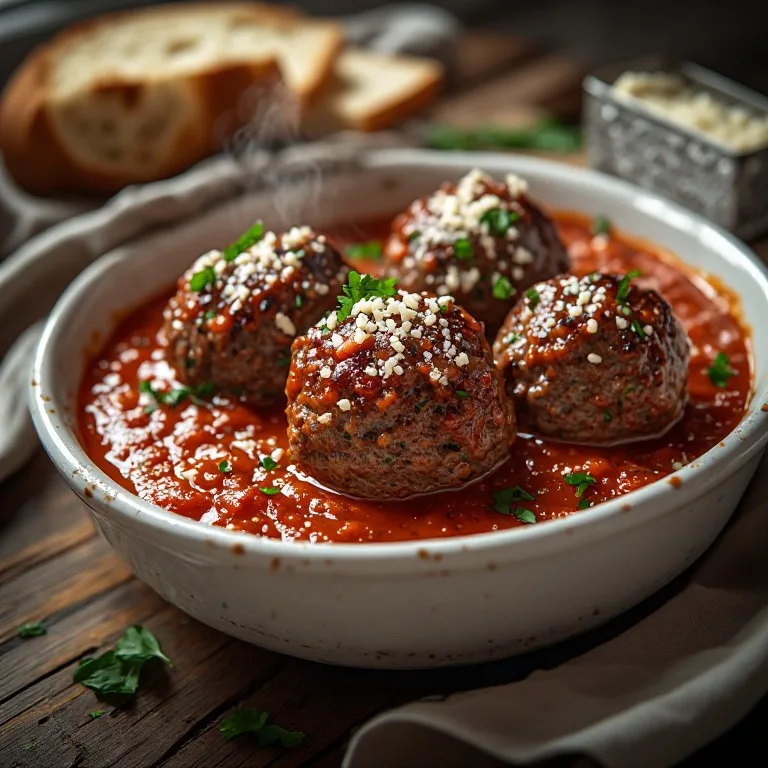
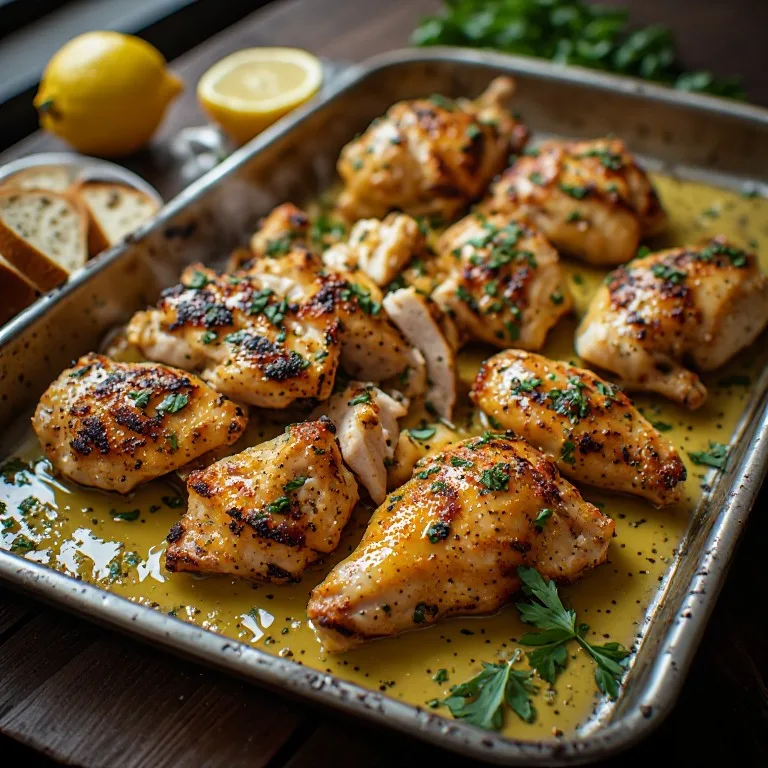
How does this compare to Rao’s or Via Carota? Rao’s chicken parm is smaller, older, and saucier — their famous marinara dominates the dish. If you want the Rao’s approach to Italian-American classics at home, their meatballs and lemon chicken are the two dishes to start with. Via Carota doesn’t do chicken parm in the same format. Carmine’s version is specifically distinguished by the thick, Parmesan-heavy crust and the family-size scale — it’s the most generous of the three, and the closest to the Italian-American red-sauce tradition of making enough food that no one at the table goes hungry.
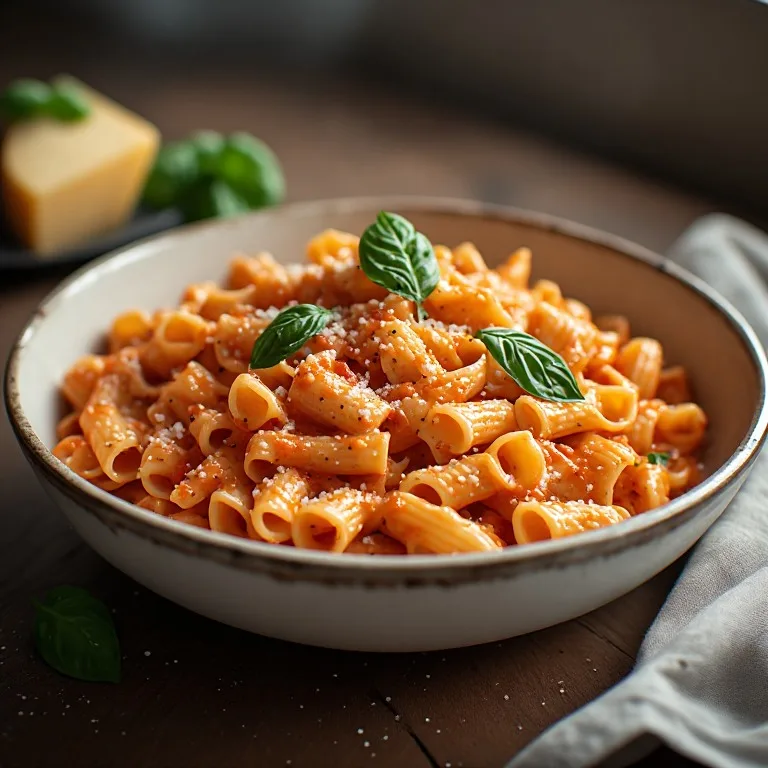
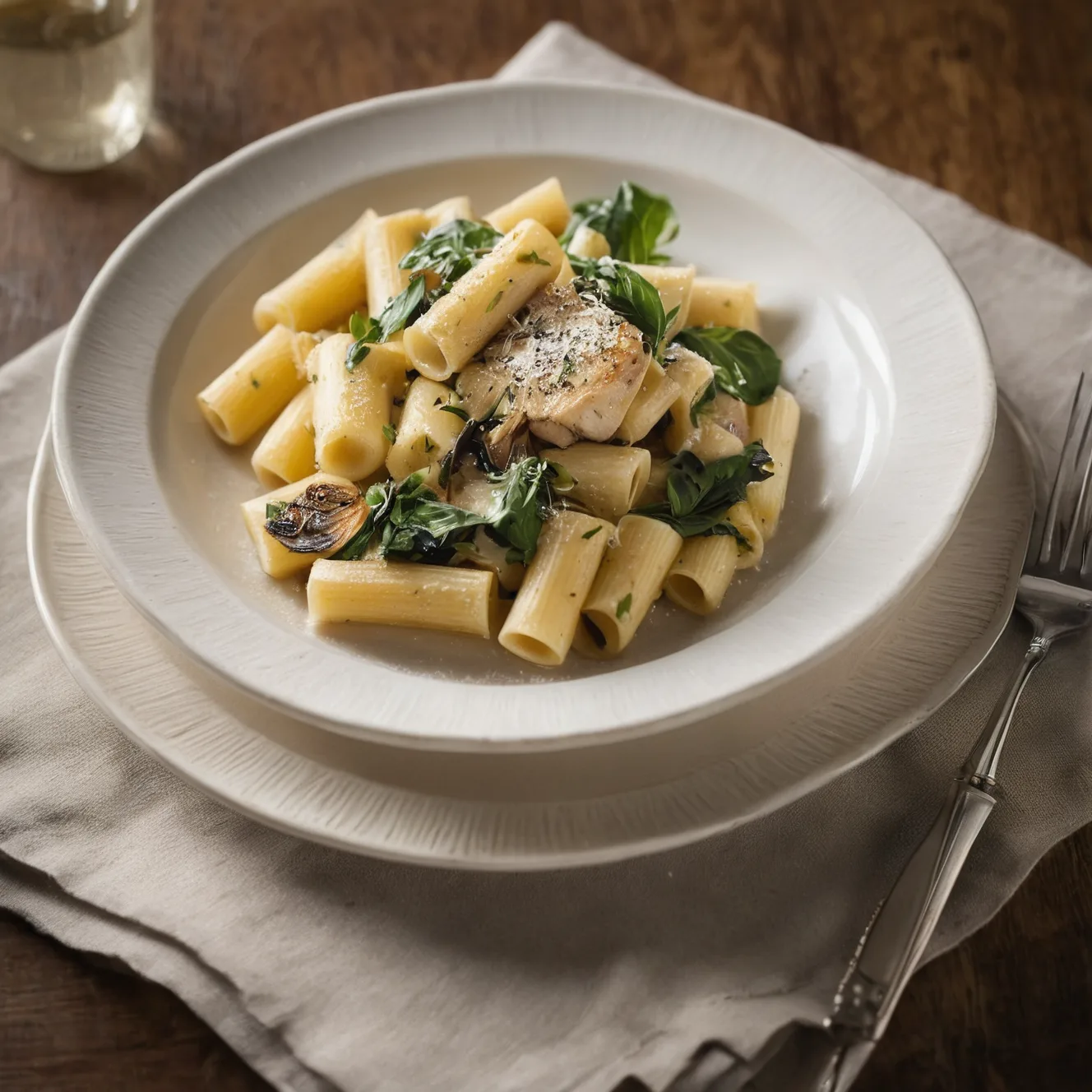
If you’re building a family-style Italian-American spread, pair this with Carbone’s spicy rigatoni vodka or Maggiano’s rigatoni D — a pasta and a parm covers most of the table the way Carmine’s actually serves it.