Pin It

Copycat Cheesecake Factory Orange Chicken

Copycat Cheesecake Factory Orange Chicken
Jump to Recipe
Prep 25 min Cook 25 min Serves 4
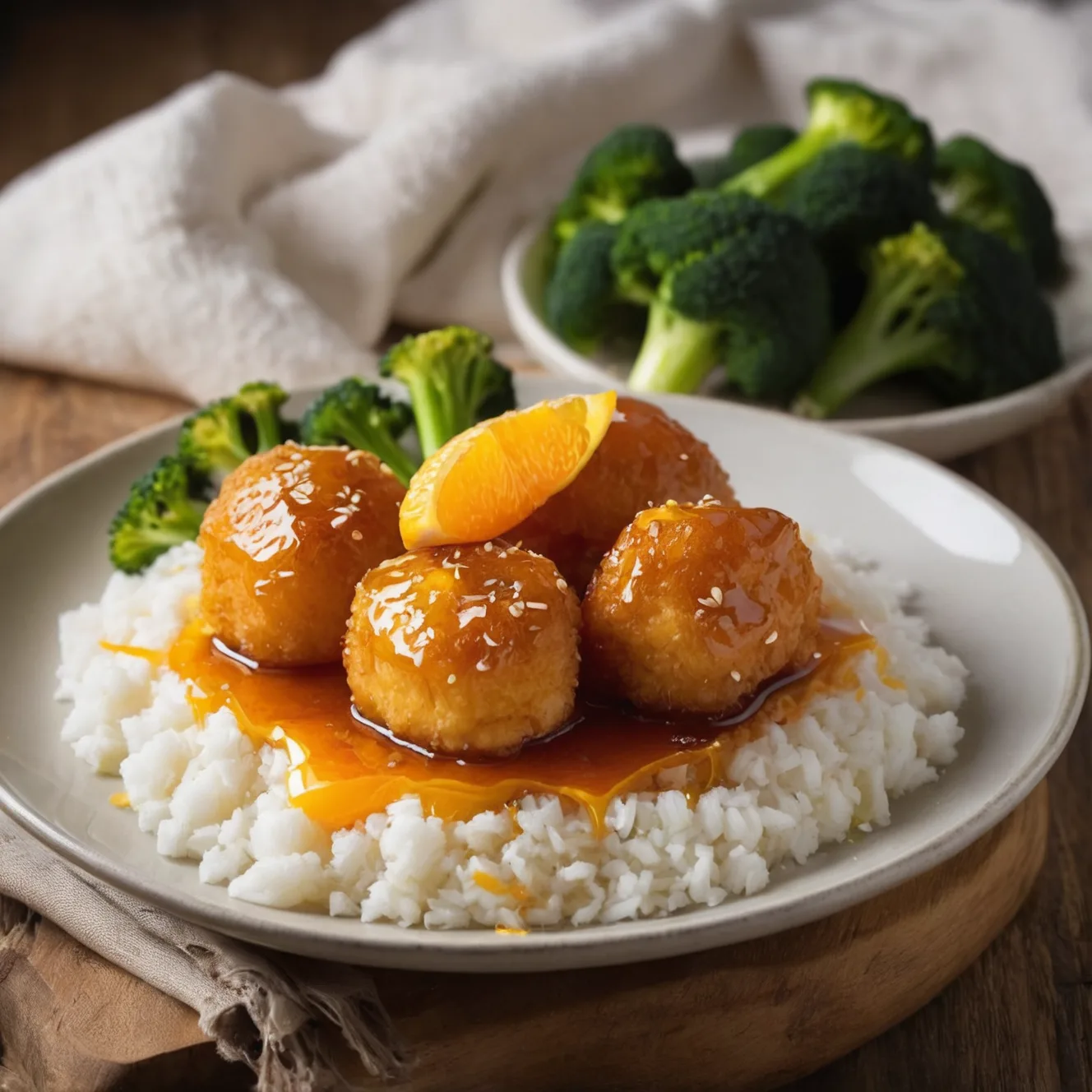
Quick answer: Cheesecake Factory's Orange Chicken uses chicken breast (not thigh), a thick cornstarch-dominant batter, and a distinctly sweeter sauce built on orange marmalade — the ingredient most copycat recipes skip. The marmalade contributes real orange-rind bitterness and fruit body that fresh juice alone cannot replicate, and it is what makes the CF version taste different from Panda Express. The full dish includes stir-fried broccoli, carrots, and snap peas alongside white rice — all plated together as a sit-down dinner entrée. At the restaurant it costs roughly $23 and runs about 1,690 calories (rice and vegetables included). The home version serves four for roughly $32 total, or about $8 per plate.

Copycat Cheesecake Factory Orange Chicken

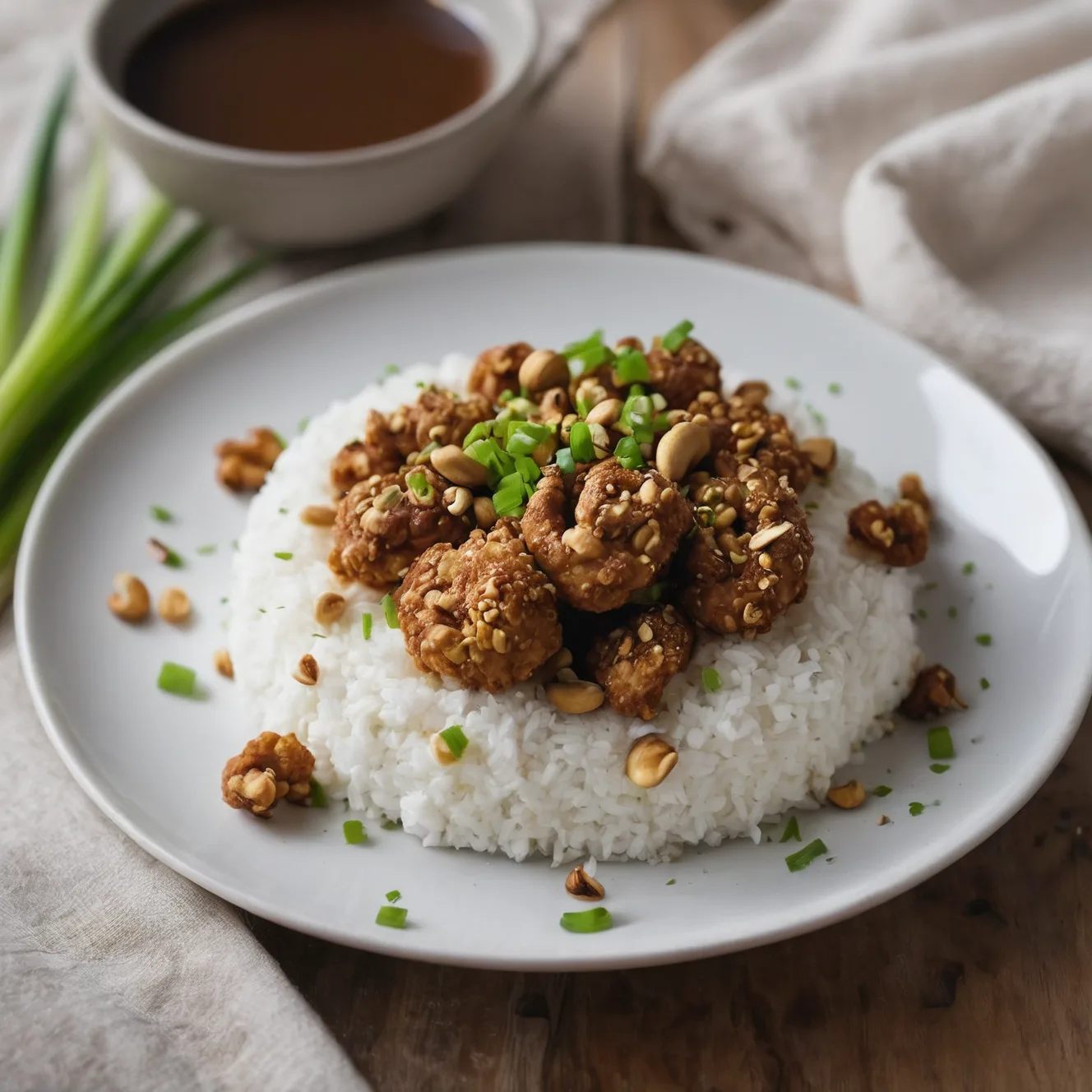
Recreate Cheesecake Factory Orange Chicken at home: cornstarch-battered chicken breast in a sweet orange sauce built on orange marmalade — the ingredient most copycats skip. With stir-fried vegetables and rice for about $8 a plate vs. ~$23 out.

Medium Prep: 25 min Cook: 25 min Total: 50 min4 servings ~$4.50/serving
Prep25 min
Cook25 min
Total50 min
Servings
4
At home~$4.50/serving
vs
Restaurant~$20.25/serving
You save ~78%

Ingredients

Instructions

💡
Pro tip: This recipe tastes even better the next day. The flavors need time to meld together in the fridge.
❄️
Storage: Keeps in an airtight container in the fridge for up to 2 weeks. Freezer-friendly for up to 3 months.
~250-450 cal/serving · Lighter Option🥗

The Story Behind the Recipe

Copycat Cheesecake Factory Orange Chicken

Prep time: 25 min Cook time: 25 min Servings: 4

The Cheesecake Factory’s Orange Chicken appears on the menu with a deceptively simple description: “Deep Fried Pieces of Chicken Breast Covered in a Sweet and Spicy Orange Sauce. Served with White Rice and Vegetables.” What it does not tell you is why it tastes different from every other orange chicken recipe you have made at home.

The answer is orange marmalade. Two tablespoons, added to the sauce along with fresh orange juice, garlic, ginger, soy sauce, and oyster sauce. Most copycat recipes skip it because the ingredient sounds wrong for a savory dish. It is not. Marmalade contributes a darker, slightly bitter orange-rind character — the flavor of cooked peel — that fresh juice alone cannot produce. It is the note that makes you taste the restaurant in the first bite and then spend the rest of the meal trying to figure out what you are tasting.

The rest of the differences from Panda Express Orange Chicken are structural. CF uses chicken breast, not thigh. The batter is thick and cornstarch-dominant (no flour), which creates a chunkier, more substantial crust than Panda’s lighter coating. The sauce is noticeably sweeter. And the dish arrives as a composed dinner plate — stir-fried broccoli, carrots, and snap peas alongside white rice — rather than a build-your-own food-court portion.

The restaurant charges roughly $23 for the dinner portion, which runs about 1,690 calories for the full plate. This recipe serves four for around $32 total, approximately $8 per plate, with the vegetables already built in.

The Marmalade Question

Orange marmalade in a savory sauce reads as strange. Here is the chemistry.

Fresh orange juice is citrus acid and natural sugars — clean, bright, and one-dimensional. The rind of an orange contains volatile oils (limonene, linalool, citral) and bitter compounds (naringin) that juice does not carry in any meaningful quantity. Marmalade is made by cooking orange flesh and peel together with sugar, which concentrates those rind compounds and caramelizes the natural sugars into something deeper.

When you add marmalade to a soy-based orange sauce, you are adding brightness from the juice base, bitterness from the cooked peel, and a richer sweetness from the caramelized fruit pectin. The result is a sauce that registers as orange-forward without tasting like orange candy. It is why the CF version reads as more complex than most orange chicken.

Two tablespoons is the right amount. More and the sauce tips toward breakfast flavors; less and you will not notice the difference.

Chicken Breast vs. Chicken Thigh

This is the ingredient choice where CF’s recipe diverges most clearly from Panda Express, and understanding it tells you how to cook the home version correctly.

Panda Express uses chicken thigh, and they have said so publicly. Thigh meat has more intramuscular fat and connective tissue, which means it absorbs marinade better, stays juicier at higher temperatures, and is harder to overcook. It is the smarter choice for a high-volume kitchen where portions move fast.

CF uses breast, as specified in their official menu description. Breast is leaner, cleaner-tasting, and more delicate. The tradeoff: it will dry out if it hits 175°F internally, where thigh can go to 185°F without noticeably suffering. In the home kitchen, this means pulling the breast pieces at 165°F exactly — not a range. Use a thermometer for the first batch.

Cut the breast into 1 to 1.5-inch pieces. Smaller than Panda-style chunks, because the thick batter needs to fully cook through without drying the center. A thick piece of breast with a thick cornstarch coating will take too long to cook internally at the safe oil temperature.

The Thick Batter: Why No Flour

The CF batter uses egg, cornstarch, and cold water — no flour. Here is why that matters.

Flour contains gluten-forming proteins (glutenin, gliadin) that develop into a chewy, elastic network when wet and worked. Cornstarch has no gluten; it gelatinizes into a rigid, glass-like structure when fried. A pure cornstarch batter sets faster, cracks crisper, and stays crunchy longer under a heavy sauce than a flour-based coating.

The result at CF is the chunky, shatteringly crunchy exterior that you notice in the first bite — before the sauce softens it slightly. The thickness also means the coating holds on rather than dissolving into the sauce when you toss it. It is a structural choice that works with the heavy, sweet sauce rather than against it.

Keep the batter cold. Warm batter develops gluten faster (even from the small amount in egg) and gets gummy. Rest the coated pieces for 5 minutes before frying; this adhesion rest helps the batter set onto the surface of the chicken so it does not fall off in the oil.

Why the Vegetables Matter

The Cheesecake Factory dishes the orange chicken as a composed plate — chicken, rice, and wok-fried vegetables together. Most copycat recipes omit the vegetables entirely, which produces a dish that is one-dimensional (all sweet-fried-orange) rather than the full restaurant experience.

The broccoli, carrots, and snap peas serve two functions. They add a neutral, slightly charred counterpoint to the very sweet sauce. They also balance the calorie density — the full CF plate at the restaurant is large because the vegetables provide volume without adding much to the orange saturation.

The stir-fry takes 3 minutes in the same pan you used for the sauce. There is no good reason to skip it.

Frequently Asked Questions

What is the difference between CF and Panda Express orange chicken? CF uses chicken breast, a thicker cornstarch batter, and orange marmalade in the sauce — making it sweeter and more citrus-forward. Panda uses thigh (juicier, more flavorful), a thinner coating, and a sauce built on fresh juice, vinegar, and sugar without marmalade — making it more tart and savory. The CF version is a dinner plate with vegetables and rice; Panda is food-court build-your-own format. See the full Panda Express Orange Chicken copycat for side-by-side ingredient details.

Can I skip the oyster sauce? Yes, but the sauce will be slightly thinner in flavor. Oyster sauce adds umami depth without adding a fishy note (it does not taste like fish in the final dish). It is a background ingredient. If you need to omit it for dietary reasons, add an extra teaspoon of soy sauce and a pinch of brown sugar in its place.

What orange juice is best for this recipe? Fresh-squeezed from 2 medium oranges. The brighter, more volatile citrus compounds in fresh juice are what the marmalade works with — bottled juice is heat-processed and loses some of those aromatics. Navel oranges are consistent and sweet without excessive acidity; Valencia oranges work if that is what is available.

How do I store and reheat leftovers? Store the chicken and sauce together in an airtight container — up to 3 days refrigerated. The batter will soften (inevitable with any breaded chicken in sauce). To reheat: spread on a sheet pan and bake at 375°F for 10 minutes, or air-fry at 375°F for 5 to 7 minutes. Both methods restore significant crunch. Microwave reheating produces steam that further softens the batter and is not recommended if crunch matters to you.

See Also

See all Cheesecake Factory copycat recipes →

Nutrition Facts

Per serving (4 servings)
Calories690
Total Fat22g
Total Carbs74g
Dietary Fiber3g
Sugars18g
Protein42g
Sodium1180mg

* Estimated values based on standard recipe preparation. Actual values may vary.

🥗

Make It Healthier

Love Cheesecake Factory Orange Chicken but want a lighter version? Try these simple swaps:

  • Air-fry the battered chicken at 400°F for 13–15 minutes, flipping once, sprayed generously with oil — the batter won't be identical but retains about 70% of the crunch
  • Use low-sodium soy sauce throughout and reduce honey to 1 tablespoon to bring sodium down by roughly 25%
  • Serve over cauliflower rice (steamed or riced from the freezer section) to reduce carbs by about 40g per serving without affecting the chicken or sauce
  • Reduce portion size: the recipe at 6 servings instead of 4 is still a satisfying plate, dropping each serving to about 460 calories

Equipment You'll Need

Heavy 12-inch skillet or Dutch oven

For frying — a heavy pan holds oil temperature more stably than thin stainless; cast iron or enameled Dutch oven are ideal

Kitchen thermometer

Essential for holding oil at 350°F — CF's thick batter needs precise temperature to set without burning

Small saucepan

For building the orange sauce; also used for the vegetable stir-fry after a quick wipe

Wire rack set over a sheet pan

For resting battered chicken before frying and draining after; paper towels soften the bottom of the thick crust

Tongs

For turning chicken in the oil without piercing the batter and for tossing in the sauce

Frequently Asked Questions

What is the difference between Cheesecake Factory Orange Chicken and Panda Express Orange Chicken?

Three meaningful differences. First, the protein: CF uses chicken breast cut into larger pieces; Panda uses chicken thigh specifically because thigh fat makes it juicier and helps flavor penetrate the coating. Second, the batter: CF's is thick and cornstarch-dominant with no flour, creating a chunky, glass-like crust that holds up to the heavy sauce; Panda's is thinner and more uniform. Third, the sauce: CF uses orange marmalade as the base along with soy, honey, and fresh orange juice, which gives it real orange-rind bitterness and more pronounced sweetness; Panda's sauce is built on fresh juice, rice vinegar, and sugar without marmalade, making it more tart and savory by comparison. The CF version is a composed dinner plate with vegetables and rice included; Panda is a build-your-own food-court format.

Why use orange marmalade in the sauce — can I substitute fresh juice instead?

Marmalade is what separates CF's orange chicken from every other orange chicken recipe. Orange juice adds citrus brightness; marmalade adds both citrus brightness AND a darker, slightly bitter dimension from the cooked orange peel (the same reason marmalade tastes more complex than orange juice). That bitter-sweet rind character is the background note you taste at the restaurant but cannot identify. Substituting more juice will make the sauce taste flat and more generic. Use any style of orange marmalade — thin-cut or thick-cut both work; thin-cut melts into the sauce faster. Two tablespoons is the sweet spot: enough to notice without making the sauce taste like breakfast.

Should I use chicken breast or chicken thigh for this recipe?

Chicken breast, to be accurate to the restaurant. The Cheesecake Factory's official menu description specifies 'chicken breast,' and most reviews note the leaner texture. The tradeoff: breast is less forgiving than thigh — it goes dry if overcooked by even a few degrees, so use a thermometer and pull the pieces at exactly 165°F internal. If you prefer a juicier, more flavorful result at the expense of strict accuracy, thigh works and is harder to ruin. Cut either into 1 to 1.5-inch pieces — smaller than Panda Express pieces, which allows the thick batter to fully cook through without drying the center.

Why is the CF batter so thick compared to other orange chicken recipes?

Intentional. CF uses a pure cornstarch batter (egg + cornstarch + cold water, no flour) which produces a thicker, crunchier shell than flour-and-cornstarch mixed batters. The thick crust creates a textural contrast with the meat and also acts as a sauce-absorbing layer — the heavy, sweet CF sauce clings to the chunky batter surface rather than pooling at the bottom of the plate. Panda Express's lighter coating absorbs sauce more evenly; CF's thick batter stays crunchier underneath with sauce clinging to the exterior. The key is temperature: oil at 350°F allows the thick batter to set on the outside before moisture from the chicken can steam through it.

Can I use store-bought frozen orange chicken and just improve the sauce?

Yes, and the sauce recipe here is the main upgrade. Trader Joe's Mandarin Orange Chicken and InnovAsian brand are the most common bases. Prepare the chicken per package directions (oven or air fryer), then toss in this sauce in the last 2 minutes of cooking. The homemade sauce with marmalade, fresh orange juice, oyster sauce, and sesame oil will significantly elevate even a frozen base. That said, the full from-scratch version produces a noticeably different texture — the thick fresh batter and breast meat are hard to replicate from a package.

How do I prevent the sauce from getting watery?

Three techniques. First, reduce the sauce before adding the cornstarch slurry — let the orange juice and soy sauce cook down for 2 to 3 minutes so flavor concentrates. Second, use the slurry the recipe specifies: 2 teaspoons cornstarch dissolved in 2 tablespoons cold water. Add it all at once, stir constantly for 60 seconds, and the sauce will thicken to a coat-the-spoon consistency that clings rather than pools. Third, toss the fried chicken in the sauce immediately off heat — prolonged contact with hot sauce will dissolve the batter's surface and release moisture, diluting the sauce. The full toss should take no more than 45 seconds.

What vegetables does Cheesecake Factory serve with Orange Chicken?

The standard CF plate includes stir-fried mixed vegetables: broccoli florets, sliced carrots, and snap peas are the most common components. The vegetables are briefly wok-fried — not steamed — so they retain some crunch. This is an important part of the dish, not a garnish: the mild, slightly charred vegetables provide a contrast to the sweet orange chicken. Most copycat recipes skip the vegetables entirely, which makes the home version feel like one component rather than the full composed plate. The stir-fry takes about 3 minutes and is easiest to do in the same pan you used for the sauce, after wiping it clean.

Love this recipe? Share it!

Free PDF: our 12 most-wanted copycat recipes — instant download.

Ratings & Reviews

No ratings yet

Rate this recipe

Click a star to rate

Leave a Review

0/500

CS

Copycat Spices Test Kitchen

Every recipe on Copycat Spices is developed and tested in our home test kitchen. We reverse-engineer beloved restaurant dishes and refine each one until the flavors and the instructions work reliably for home cooks of all skill levels.

Learn more about our mission →