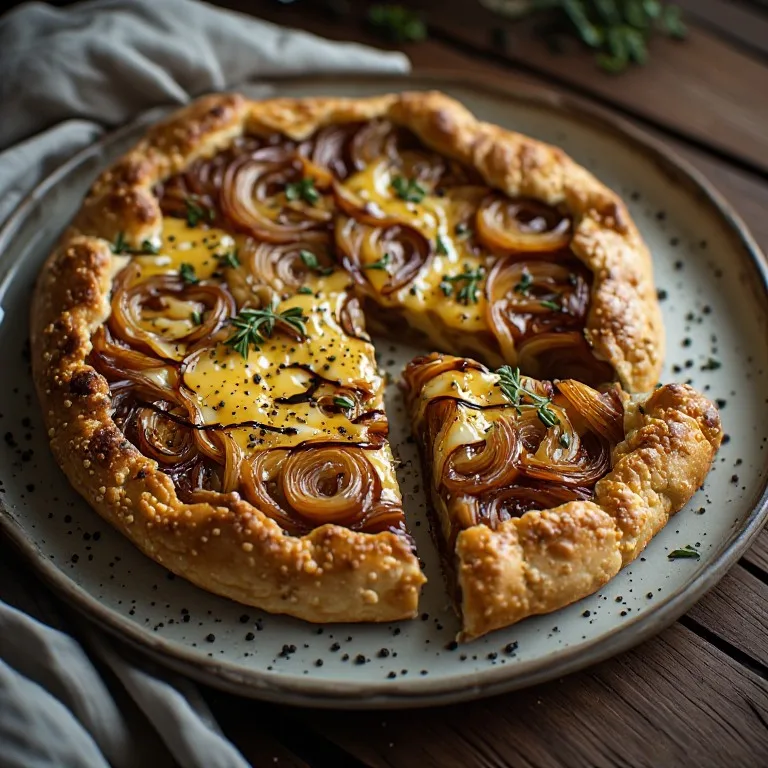


Ci Siamo Cipollini Onion Torta
Prep time: 25 minutes (plus 30 minutes chill) Cook time: 1 hour 10 minutes Servings: 6
The $27 dish at Yelp’s #1 US restaurant in 2026 — Madeira-braised cipollini onions in a crumbly pecorino shortcrust, finished with a poured pecorino fonduta and aged balsamic. Here’s how to make it at home for about $12.
There are restaurants people go to for an occasion and restaurants people go to for a dish. Ci Siamo — Danny Meyer’s wood-fired Italian room at Manhattan West — is both, but if you ask anyone who has been there what they ordered first, the answer is almost always the same: the onion torta, before they even looked at the menu. Chef Hillary Sterling has been making it since opening night in October 2021. It has never come off the menu and probably never will.
The torta costs $27. It takes about 90 minutes to make at home, spread across three simple components: a crumbly pecorino Romano shortcrust that differs from a French tart shell in every important way, cipollini onions braised low and slow in Madeira wine with a Parmesan rind until they become jammy and translucent, and a poured pecorino fonduta that flows into the crevices and sets into something between a sauce and a cream. A drizzle of aged balsamic, fresh thyme, and cracked black pepper finish the dish. Chef Sterling shared the recipe on the Today Show; this version follows her technique closely.
Why Cipollini Onions Specifically
Cipollini onions are small, flat, and significantly sweeter than yellow or red onions — they contain more sugar, which means they caramelize faster and more evenly, and they hold their shape during a long braise rather than dissolving into strings. When cooked low and slow in butter, olive oil, and Madeira, they become almost translucent, with a texture somewhere between tender and jammy, and a flavor that is sweet and savory at the same time. At Ci Siamo, they’re described in reviews as “melty” — soft enough that a fork goes through them without resistance, but intact enough that each onion still reads as a distinct thing in the tart.
They’re available at Whole Foods, Italian specialty grocers, and farmers markets in fall and winter (peak season). If you cannot find them, pearl onions peeled and halved make a serviceable substitute; yellow onions sliced thin will work but produce a stringier, less impressive filling.
The Madeira wine in the braise is the other key ingredient. Madeira is a Portuguese fortified wine — sweeter and more oxidized than dry white wine, with a caramel-and-dried-fruit character — and it does something to cipollini onions that plain stock or white wine cannot: it builds body, prevents bitterness, and adds a layered sweetness that makes the filling taste like it was cooked for hours. Dry Marsala is the closest substitute.
The Pecorino Shortcrust (Not a French Tart Shell)
The thing that distinguishes this torta from a French tarte à l’oignon is the crust. A French onion tart uses pâte brisée — pure butter shortcrust — which produces a flaky, tender shell that exists to hold the filling. Ci Siamo’s version uses a pecorino Romano shortcrust: the same butter-to-flour ratio, but with 2 oz of finely grated Pecorino Romano worked into the flour before the butter is added. The cheese fat and protein make the crust crumblier and more tender — it shatters under a fork rather than yielding in a sheet — and it adds a sharp, salty intensity that echoes the fonduta and seasons the bite from the base up.
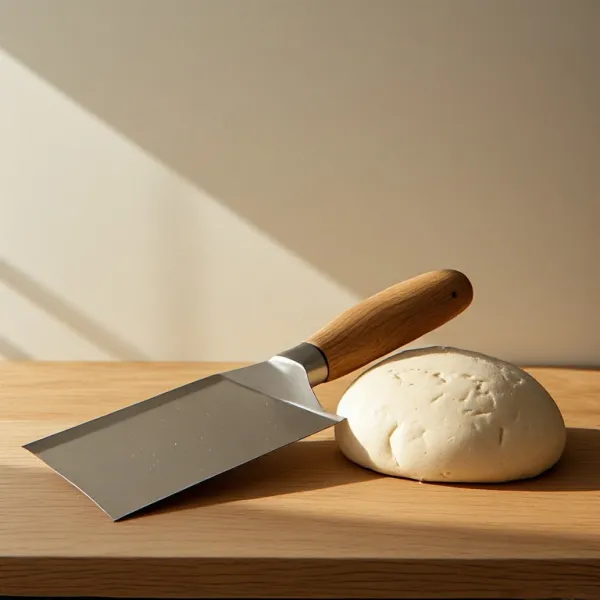
The technique matters: the butter must be cold, cut into small cubes, and worked in quickly with fingertips. Warmth is the enemy of shortcrust. A food processor (pulse, not blend) is faster and reduces the risk of overworking. Refrigerate the dough before rolling; the pecorino fat makes it softer than standard shortcrust and it needs 30 minutes of chill time to roll cleanly.
The Pecorino Fonduta
At the restaurant, the fonduta is spooned over each slice at the table. At home, the simplest version is to pour most of it over the filled tart before the second bake and pass the rest in a small jug alongside.
The fonduta itself is two ingredients: heavy cream reduced by half to concentrate and thicken it, then finely grated Pecorino Romano whisked in off the heat. The off-heat step is non-negotiable — boiling cream with pecorino causes the cheese proteins to seize and clump. Once the cream is reduced and off the heat, the residual warmth is enough to melt the cheese into a smooth, pourable sauce that firms slightly as it cools. If you want a slightly more pourable fonduta at the table, keep it warm in a small saucepan over the lowest possible heat.
The ratio matters: more cream relative to cheese gives you a thinner, pourable sauce; more cheese gives you a thicker fonduta that sets almost solid in the refrigerator. This recipe uses a ratio that pours beautifully when warm and sets to a soft, creamy texture as the tart cools — enough body to hold the filling together when you slice it, loose enough that it flows naturally over the onions.
Serving and Timing
The torta is best 10 to 15 minutes out of the oven — warm, with the crust still crisp and the fonduta just set. It is still good at room temperature (the flavors deepen as it cools), but the crust softens. If you are making it ahead, reheat at 325°F for 10 minutes before serving.
The aged balsamic drizzle is the final step and happens at the table, not during the bake — heat turns a good aged balsamic sharp and dull. You want the kind that comes in a small bottle and has the consistency of warm honey: thick, sweet, and acidic all at once. It cuts through the richness of the pecorino and the sweetness of the onions in a way that nothing else does. If you only have regular balsamic vinegar, reduce it in a small saucepan with a teaspoon of honey over medium heat until it is syrupy — about 5 minutes — then cool before drizzling.
The full dish at Ci Siamo costs $27 and requires a reservation booked four to six weeks in advance. At home it costs about $12 and takes 90 minutes of mostly hands-off time. The onion braising step is the longest part; the fonduta takes 15 minutes; the crust chills while the onions cook. Run them in parallel and the actual active time is closer to 25 minutes.