

Pin It

Ci Siamo Rigatoni alla Gricia

Ci Siamo Rigatoni alla Gricia
Jump to Recipe
Prep 5 min Cook 25 min Serves 4
Quick answer: Ci Siamo's rigatoni alla gricia uses a two-stage guanciale technique to get wood-fire flavor at home: (1) heat a cast-iron skillet over high heat until smoking, add the guanciale lardons and sear for 45–60 seconds until the edges char — this is the move that adds a smoky, caramelized depth you won't get from a cold-start render. (2) Lower heat to medium-low and continue rendering in the same pan for 10 minutes until the centers are yielding and a generous pool of pork fat fills the pan. Remove guanciale. Toast cracked black pepper in the fat. Cook rigatoni in well-salted water, pull 90 seconds before al dente, finish in the pan with pasta water for 2 minutes. Off the heat, emulsify finely microplaned Pecorino Romano into the pasta with pasta water and constant tossing. Return the charred guanciale. Serve in warm bowls with extra Pecorino at the table. Four ingredients. Twenty-five minutes. The reason people wait for a table at Manhattan West.

Shop the tools

Gear matched to this recipe. These are Amazon affiliate links — we may earn a small commission if you buy, at no extra cost to you.

As an Amazon Associate, Copycat Spices earns from qualifying purchases. Product images are generic illustrations, not the exact item listed.

Ci Siamo Rigatoni alla Gricia

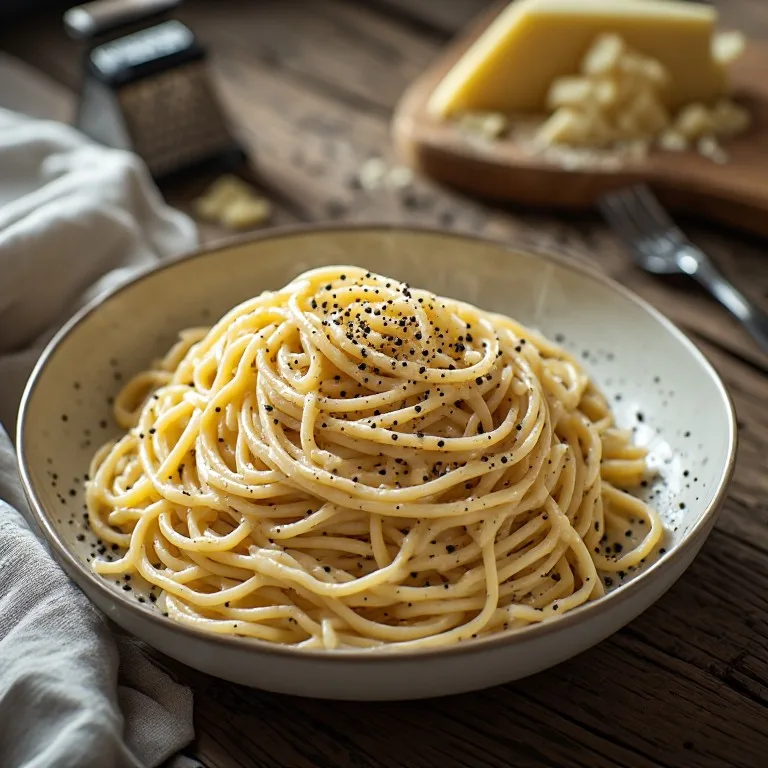
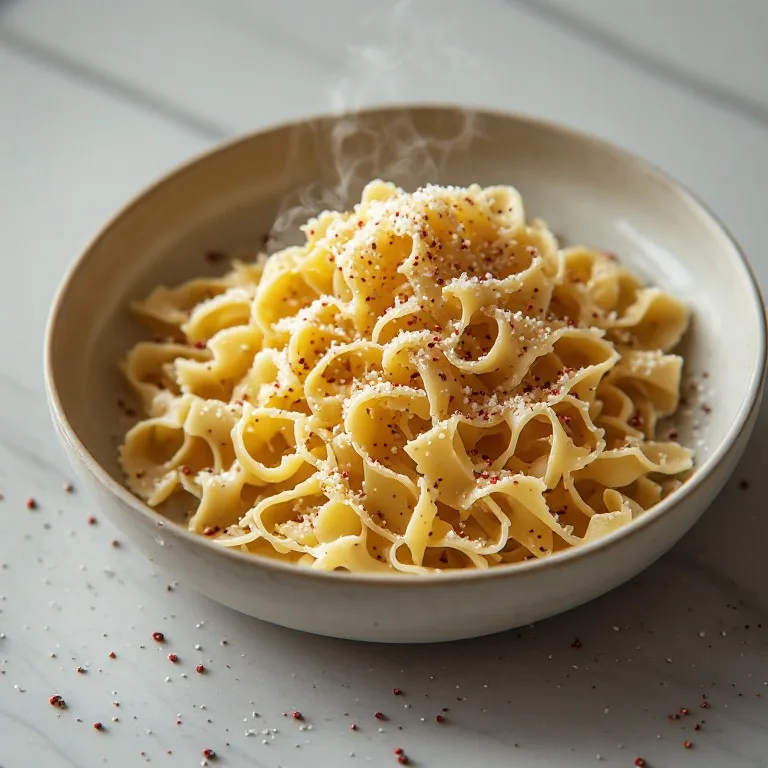
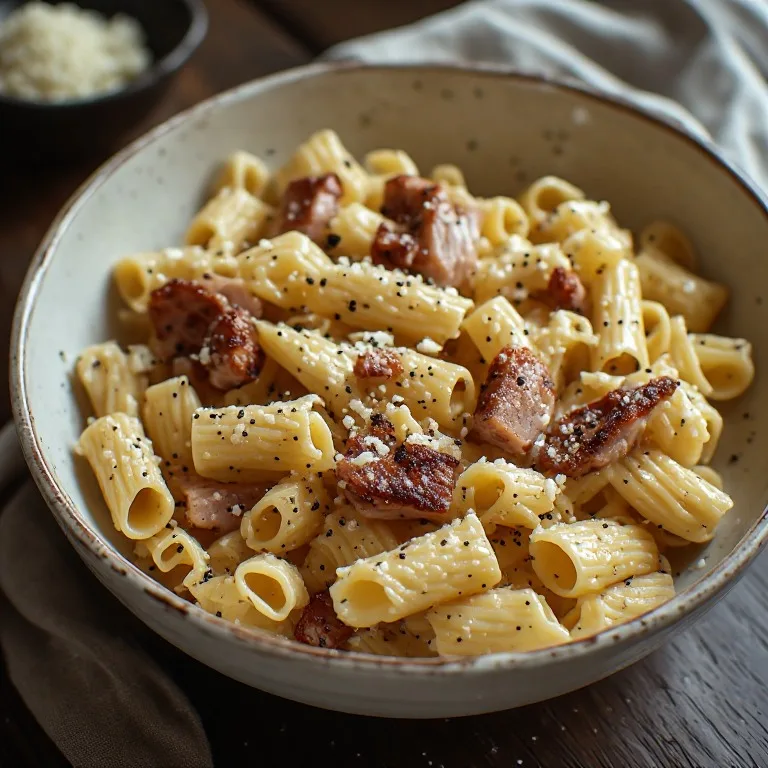
Rigatoni alla gricia from Ci Siamo — Danny Meyer's wood-fired Italian restaurant at Manhattan West and Yelp's #1 US restaurant in 2026. Guanciale charred first in a scorching cast-iron pan, then slow-rendered into silky fat, tossed with rigatoni and a glossy Pecorino Romano emulsion. The Roman pasta New York can't stop talking about, for about $8–10 in groceries.

Easy Prep: 5 min Cook: 25 min Total: 30 min4 servings ~$1.75/serving
Prep5 min
Cook25 min
Total30 min
Servings
4
At home~$1.75/serving
vs
Restaurant~$7.88/serving
You save ~78%

The Story Behind the Recipe

Ci Siamo opened in October 2021 at 440 West 33rd Street in Manhattan West — Danny Meyer's development on the Far West Side near Penn Station. The name is Italian for "here we are" or, in a kitchen context, "we're ready." Chef Hillary Sterling, a four-time James Beard Award nominee who spent years at Lupa Osteria Romana and trained under Missy Robbins at the Michelin-starred A Voce before running Vic's in NoHo, built the restaurant around live-fire cooking. A wood-burning oven runs through everything: vegetables roasted over embers, whole fish finished on the flame, and pasta dishes where the fat and aromatics carry a faint smoke that a stovetop cannot replicate. Yelp named it the #1 restaurant in the United States for 2026, touching off a reservation surge that has kept the room sold out weeks in advance.

Rigatoni alla gricia is Ci Siamo's most-reviewed dish and the one people search for after a meal there. At $31 a bowl — four ingredients, twenty minutes of cooking — it is expensive in the way that only technically perfect food can be expensive. The version at the table arrives glossy and barely sauced, guanciale sourced from La Salumina in upstate New York with charred edges from the wood fire and yielding centers from a slow render, the Pecorino emulsion smooth enough to look like cream. Making it at home costs about $8–10 in groceries. What the restaurant adds is the wood fire. This recipe adds it with a screaming-hot cast-iron pan and 60 seconds of intentional char before the slow render.

Nutrition Facts

Per serving (4 servings)
Calories680
Total Fat30g
Total Carbs76g
Dietary Fiber3g
Sugars2g
Protein28g
Sodium920mg

* Estimated values based on standard recipe preparation. Actual values may vary.

Ingredients

Instructions

💡
Pro tip: This recipe tastes even better the next day. The flavors need time to meld together in the fridge.
❄️
Storage: Keeps in an airtight container in the fridge for up to 2 weeks. Freezer-friendly for up to 3 months.
🎃 Free Halloween cookbook — download now The Copycat Halloween Cookbook A ready-made, photo-illustrated PDF of our best halloween copycat recipes — free to download, no building required. Pay what you want to support if you love it.

Free PDF — instant download. We'll also send new seasonal copycat recipes now and then; unsubscribe anytime. Or just download it →

Ci Siamo Rigatoni alla Gricia

Prep time: 5 minutes Cook time: 25 minutes Servings: 4

The gricia at Ci Siamo is four ingredients and $31 a bowl. This is the recipe — and the one technique that makes it taste like a restaurant with a wood-burning oven instead of a home with a gas range.

Pasta alla gricia is the Roman pasta most people haven’t heard of. It predates carbonara, and it’s the base dish that amatriciana became once tomatoes reached Rome. It has no eggs, no cream, no tomatoes. It is guanciale, Pecorino Romano, black pepper, and pasta water — and the quality of each ingredient and the precision of the technique determine whether it is a transcendent bowl of pasta or a greasy, clumpy disappointment. Ci Siamo, Danny Meyer’s wood-fired Italian restaurant at Manhattan West, makes the version that gets photographed and posted and talked about on a wait list.

If you want the classic, four-ingredient home version without the restaurant twist, start with our standard pasta alla gricia. This page is specifically about recreating Ci Siamo’s — and the difference between it and every home version you’ve had is the char. A wood-burning oven delivers radiant heat that sears the surface of the guanciale before the fat fully renders — caramelized, darkened edges on every piece that carry a bitter-sweet complexity and a faint smoke. A home stovetop cannot replicate a wood fire. A screaming-hot cast-iron skillet, preheated until visibly smoking, can get you most of the way there in about 60 seconds.

What Makes Ci Siamo’s Gricia Different

Chef Hillary Sterling is a four-time James Beard Award nominee. She ran Vic’s in NoHo, trained under Missy Robbins at the Michelin-starred A Voce, and spent time at Lupa Osteria Romana learning Italian butchery and salumi. When Danny Meyer brought her in to open Ci Siamo, she centered the restaurant around live-fire cooking — not as a technique but as a philosophy. The wood oven is the kitchen’s anchor; Sterling’s instinct is to let the fire do the seasoning work that other restaurants do with butter and finishing oils.

For gricia specifically, that means using the live fire to build flavor into the guanciale before the slow render begins — charred edges that carry a bitter-sweet caramelization, faint smoke, and complexity that four-ingredient pasta otherwise has to earn from technique alone. The guanciale itself comes from La Salumina, a small-batch curer in upstate New York, sourced specifically for its fat structure and clean pork flavor.

Yelp named Ci Siamo the #1 restaurant in the United States for 2026. The ranking drove the kind of reservation spike that a Michelin star rarely does — it made the restaurant legible to a national audience that doesn’t read food press, and suddenly everyone wanted a table. A table for four runs $120–160 before drinks. The bowl of gricia is $31. Making it at home costs about $8–10 in groceries, plus 25 minutes.

The Technique That Makes It Work

Standard pasta alla gricia — the correct classical version — starts guanciale in a cold pan and renders it slowly to medium-low heat. This is right. It produces tender, yielding guanciale with gently crisped edges and a generous pool of silky pork fat.

This recipe adds one step before that: a 45 to 60-second blast in a smoking-hot cast-iron skillet. The sequence matters:

  1. Heat cast iron until smoking. This takes 2 to 3 full minutes. The pan is ready when a drop of water skips across the surface immediately.
  2. Add guanciale for 60 seconds. Char the surface. This is fast and intentional — not a mistake, not burning.
  3. Lower to medium-low and slow-render. Return to the classical technique for 8 to 10 minutes, rendering the fat gently until the centers are yielding.
  4. Remove guanciale, keep the fat. The charred exterior pieces go back into the pasta at the end. The fat in the pan — now carrying the char flavor — is what finishes the sauce.

The effect is not subtle. You taste the difference on the first bite.

Guanciale: The Part You Cannot Skip

Every major gricia recipe says “guanciale, but pancetta works.” For this version, that is not true.

Guanciale (cured pork jowl) has a specific fat structure — high in collagen and soft fat, low in lean muscle fiber — that makes the char-then-render technique work. The fat renders beautifully after the char without the piece becoming tough. Pancetta (cured pork belly) has more lean muscle and less fat; it chars faster, dries out, and the rendered fat pool is smaller and less silky.

Find guanciale at Eataly, Italian specialty grocers, good butcher shops, or order it online. It keeps well in the refrigerator for two weeks and freezes for months. Once you have it, you will make this pasta more than once.

The Pecorino Emulsification

The most-botched step in any Roman pasta — the same emulsion that makes or breaks cacio e pepe. Pecorino Romano in a hot pan = instant clump. Rules:

  • Heat completely off before Pecorino touches the pan
  • Pasta water first (3 tablespoons) to drop the temperature and provide liquid for emulsification
  • Add in a stream, not a dump — a slow pour while tossing distributes the cheese into the fat before any single piece can seize
  • Never stop tossing — motion is what keeps the emulsion intact

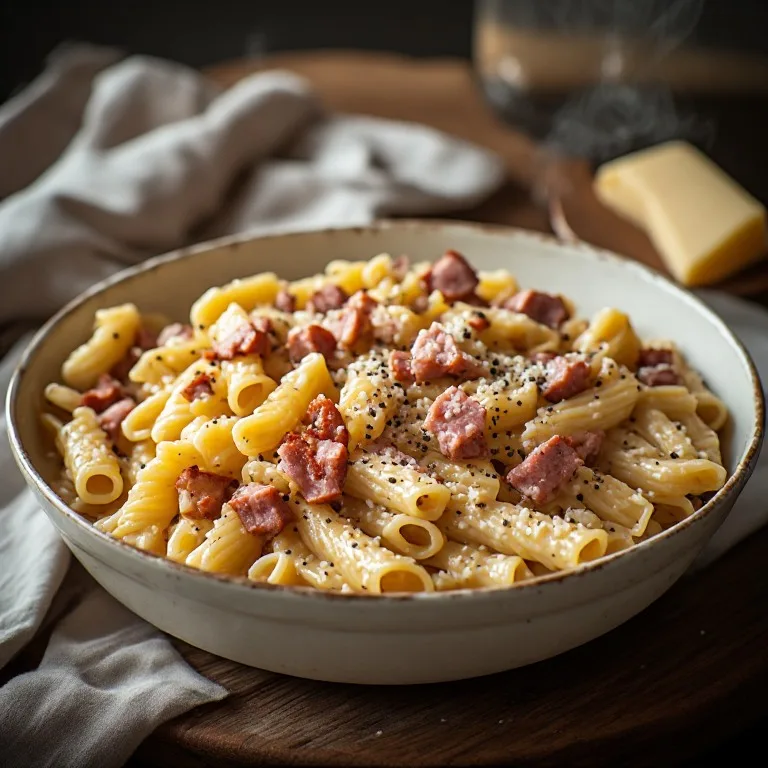
When it works, the sauce looks like the pasta has been lacquered in something translucent and cream-colored. Each piece of rigatoni should be evenly coated, with no visible pools of fat or cheese.
🥗

Make It Healthier

Love Ci Siamo Rigatoni alla Gricia but want a lighter version? Try these simple swaps:

  • ✓Reduce the guanciale to 5 oz and add 1 oz of rendered guanciale fat (kept from a prior cook, stored in the fridge) as the pan fat base — you get the charred guanciale pieces and the flavor of the fat without the full portion. The sauce is slightly less rich but the charred guanciale pieces still deliver the Ci Siamo character.
  • ✓Use whole wheat rigatoni for more fiber and a slightly nuttier flavor. The bold pork-and-Pecorino sauce can handle the heartier pasta; De Cecco and Rustichella d'Abruzzo both make a whole wheat rigatoni that holds up to the tossing.
  • ✓Stretch the recipe to 6 servings by adding 8 oz blanched broccolini (torn into small florets and added to the pan with the pasta). The broccolini absorbs the guanciale fat, adds color and crunch, and reduces the per-serving pasta carbs without changing the core character of the dish.
  • ✓Skip the tableside Pecorino at the table — the emulsification in the pan uses the full 4 oz, which is the right amount for a restaurant portion. Extra tableside cheese is a habit that adds roughly 50–80 calories per bowl without meaningfully improving the dish at this recipe's Pecorino ratio.

Frequently Asked Questions

What is Ci Siamo and why is it so hard to get a reservation?

Ci Siamo is a wood-fired Italian restaurant at 440 West 33rd Street in Manhattan West (Hudson Yards area), opened in October 2021 by Danny Meyer's Union Square Hospitality Group. The chef is Hillary Sterling — a four-time James Beard Award nominee who trained at Lupa Osteria Romana, worked under Missy Robbins at the Michelin-starred A Voce, and built her reputation running Vic's in NoHo before joining USHG. The restaurant was named Yelp's #1 restaurant in the United States for 2026, which generated an enormous spike in search traffic and reservation demand. Tables at prime times now book out four to six weeks in advance. Its guanciale is sourced from La Salumina, a small-batch curer in upstate New York. The restaurant's particular strength is Roman pasta — gricia, cacio e pepe, amatriciana — finished in the wood-fire environment that defines the kitchen.

Why does this recipe char the guanciale first instead of starting it cold?

The cold-start method (standard for gricia) renders guanciale slowly and evenly, producing tender centers and gently crispy edges — it is the correct classical technique. Ci Siamo's wood-burning oven adds a dimension that cold-start cannot: char. The wood fire can deliver intense radiant heat that sears the surface of the guanciale before the interior fat has a chance to fully render, creating darkened, caramelized edges that carry a slightly smoky, bitter-sweet complexity. To replicate this at home, heat a cast-iron skillet until visibly smoking before adding the guanciale — the extreme heat chars the surface in 45 to 60 seconds. Then remove the heat source (move to a lower-BTU burner, or lower the flame significantly) and continue rendering at medium-low heat as normal. The result is guanciale with the same tender interior and a char on the edges that tastes like a restaurant with a wood fire, not a home stovetop.

Can I use pancetta instead of guanciale for this recipe?

For a standard gricia, pancetta is an acceptable backup. For a recipe specifically trying to replicate Ci Siamo's version — where the char on the guanciale is the technique that distinguishes it — pancetta is a poor substitute, because the fat structure is different. Guanciale is cured pork jowl: higher in fat, lower in connective tissue, with a soft, almost buttery center that char-then-renders beautifully. Pancetta (cured pork belly) has more lean muscle fiber and less fat, so it chars harder and faster, producing a drier, tougher result at the char stage and less rendered fat in the pan. If you must use pancetta, skip the charring step entirely and do the cold-start slow render — you will get a good pasta alla gricia but not the specific texture this recipe is aiming for. Find guanciale at Italian specialty stores, Eataly, better butcher shops, or online.

Why more guanciale than a standard gricia recipe?

Standard home-cook gricia recipes typically call for 4–6 oz of guanciale per pound of pasta, which produces a lean, restrained sauce. Restaurant pasta portions are richer — more guanciale means more rendered fat in the pan, which means a glossier, more unctuous sauce. This recipe uses 8 oz, which is on the generous side even for a restaurant version. Roughly half of the fat renders out and coats the pasta; you are not eating 8 oz of pork fat per serving. If you find the sauce too rich, spoon off some rendered fat before adding the pasta.

How do I keep the Pecorino from clumping or turning grainy?

Three non-negotiables: off the heat completely, pasta water before cheese, constant tossing. Turn the heat off entirely before Pecorino touches the pan — even low residual heat can seize it. Add 3 tablespoons of pasta water to the pan and let it settle for 5 seconds (this cools the pan slightly and gives the cheese liquid to emulsify into). Then add the Pecorino in a stream while tossing constantly with tongs — it should never stop moving. The motion + starch in the pasta water + residual warmth creates a sauce; stillness creates a clump. If you see the sauce tightening up, add pasta water a tablespoon at a time. If it looks grainy, you moved too slowly or the pan was still too hot — add more pasta water and toss more aggressively; it usually recovers.

Can I make this ahead for a dinner party?

Not recommended. Pasta alla gricia — and Ci Siamo's version in particular, which relies on the glossy emulsion staying intact — does not hold well. The sauce breaks as it cools (the fat and cheese separate), and reheating it without the fresh pasta-water starch makes recovery difficult. For a dinner party, prep everything in advance: have the guanciale charred and rendered, the Pecorino grated and measured, the pasta water portioned. Then do the final assembly in under 5 minutes while guests wait — gricia is fast enough to execute at the stove with an audience.

What should the finished pasta look like?

Each piece of rigatoni should be coated in a thin, glossy film — not swimming in sauce, not dry, not visibly greasy. The sauce should look like the pasta has been lacquered in something translucent and cream-colored. The guanciale pieces should have visibly charred edges (darker, slightly crisp) with a more yielding, fatty interior. When you tilt the bowl, a small pool of sauce should collect at the bottom — just enough to show the emulsion is intact. If the pasta looks dry and the pieces are sticking together, it needed more pasta water during emulsification. If there's a visibly oily sheen and fat pooling at the bottom, the emulsification broke — add a splash of pasta water and toss aggressively to bring it back.

Love this recipe? Share it!

Free PDF: our 12 most-wanted copycat recipes — instant download.

Made it? Buy us a coffee

Every recipe here is free, with no paywalls. If this one was a hit at your table, a small tip keeps new copycats coming.

$

Ci Siamo is a trademark of its owner, used here only to describe the dish this recipe recreates. This is an independent copycat written in our own words — Copycat Spices is not affiliated with, endorsed by or sponsored by Ci Siamo.

Ratings & Reviews

—
No ratings yet

Rate this recipe

Click a star to rate

Leave a Review

0/500

CS

Copycat Spices Editorial

Researched + fact-checked. Every recipe on Copycat Spices is built from published sources — official ingredient lists, brand-published recipes, interviews and food-science references — and fact-checked before it goes live, then written as clear, step-by-step instructions for home cooks of all skill levels.

Learn more about our mission →