
Copycat Via Carota Insalata Verde (The Famous West Village Green Salad, Made at Home)
Via Carota has one of the most coveted tables in New York City. The Italian restaurant on Grove Street in the West Village — opened in 2014 by Jody Williams and Rita Sodi, the James Beard Award-winning couple who also run Buvette and I Sodi a few blocks away — regularly attracts two- and three-hour waits at the door. There are no reservations. You show up, put your name in, and go wait at a bar somewhere nearby until they text you.
The dish people wait for is a green salad.
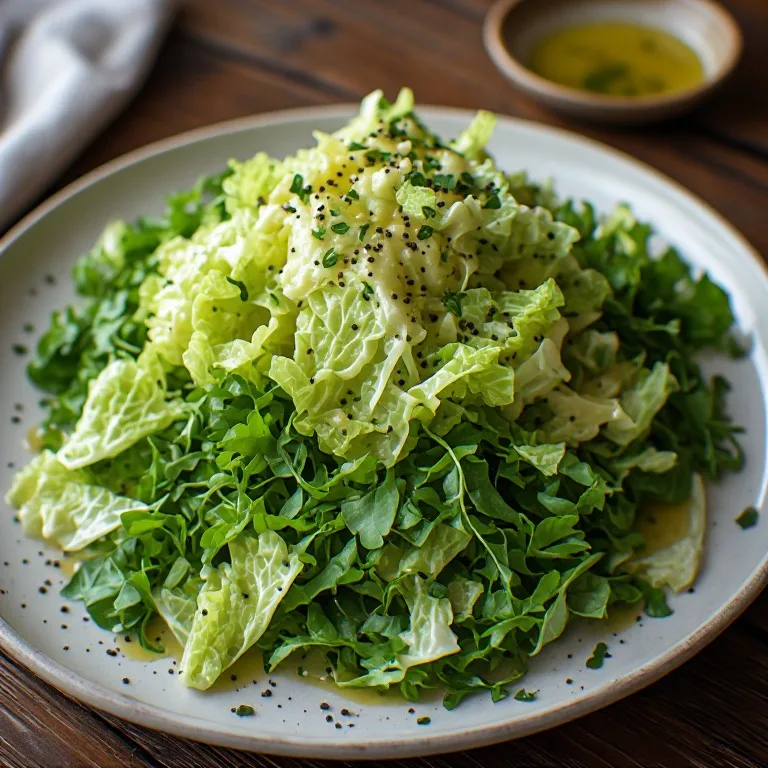
Not a composed salad with proteins and toppings and a dramatic presentation. Not a heritage grain bowl or a shaved vegetable situation. A green salad. Butter lettuce, frisée, endive, romaine, watercress — dressed with an olive oil and sherry vinegar vinaigrette made with shallots, garlic, thyme, and two teaspoons of warm water.
Samin Nosrat titled her New York Times Magazine column about it “Best Green Salad in the World.” That one piece sent home cooks across the country into their kitchens trying to figure out what makes it so good. There is a cookbook — “Via Carota: A Celebration of Seasonal Cooking from the Beloved Greenwich Village Restaurant” (2022, Knopf) — and the insalata verde is the recipe everyone talks about in it.
The secret, once you know it, is obvious in retrospect: the warm water.
Why This Salad Is Different From Every Green Salad You’ve Made
Most vinaigrettes are an afterthought. Oil, acid, maybe mustard, shake it in a jar, pour it over lettuce. The result is functional — it dresses the greens — but the dressing itself is not something you want to eat on its own.
Via Carota’s vinaigrette is designed to be drinkable. Jody Williams described their goal to Samin Nosrat: “We want a salad dressing so savory and delicious that you can eat spoonfuls of it.”
The three moves that get them there:
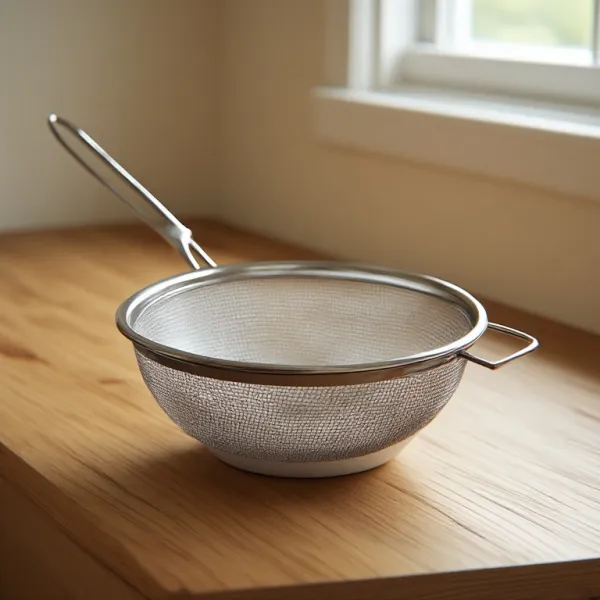
First: They rinse the shallots. Finely chopped shallots contain volatile sulfurous compounds that linger in a dressing — you taste shallot for an hour after eating it, which is not the same as tasting it pleasurably in the moment. A ten-second rinse in a strainer under cold water removes most of the volatile sulfur while leaving the flavor structure intact. Restaurant vinaigrettes taste smoother than home versions of the same recipe partly because of this step.
Second: They macerate properly. After the shallots are rinsed, they combine them with garlic, sugar, salt, thyme, and the vinegar and let everything sit for at least five minutes before the oil goes in. During that rest, the shallots absorb vinegar and soften further; the garlic loses its aggressive raw edge; the thyme releases its oils. What you get is a unified base, not individual ingredients floating in oil.
Third: The warm water. Two teaspoons. Williams’s explanation is direct: “Pure vinegar is just too strong.” The warm water doesn’t dilute the dressing meaningfully — the oil-to-vinegar ratio is still the classic 3:1. What it does is smooth the acid, bridge the emulsion, and create what the chefs call a more “palatable” dressing. This is the step that turns a good vinaigrette into the one people line up for.
Choosing the Right Greens
The insalata verde works because each green contributes something the others don’t:
| Green | Texture | Flavor |
|---|---|---|
| Butter lettuce | Soft, yielding | Sweet, mild |
| Frisée (pale inner) | Feathery, light | Pleasantly bitter |
| Belgian endive | Crisp, firm | Lightly bitter, clean |
| Romaine hearts | Crunchy | Mild, slightly sweet |
| Watercress / peppercress | Delicate stems | Peppery, sharp |
The key with frisée is to use only the pale yellow-white inner leaves. The dark outer fronds are intensely bitter — so much so that they overwhelm everything else in the bowl. Pull the head apart and set the dark fronds aside. The inner leaves are light, almost feathery, and their bitterness is calibrated rather than aggressive.
The watercress is the green most people skip and shouldn’t. Its peppery, slightly mineral quality is what gives the salad contrast against the sweet butter lettuce and mild romaine. Without it, the salad is good; with it, it has a backbone.
The Layering Technique
This is where technique matters as much as the vinaigrette.
The reflex is to put all five greens in a bowl and toss with the dressing. That produces a coated salad, which is a reasonable outcome. Via Carota’s approach produces something different: a layered salad, where each type of green sits at a slightly different level, and the dressing pools into the natural cups and crevices of each leaf rather than coating them uniformly.
The method: start with the sturdier greens (romaine, endive) on the bottom of a wide, shallow bowl or platter. Spoon a small amount of dressing over that layer. Add the next layer — butter lettuce — and more dressing. Finish with frisée and watercress at the top, and the remaining dressing drizzled over. The goal is height. You want the greens piled as tall as they’ll hold, with visible layers.
The result: every forkful carries a different combination of greens — you get butter lettuce softness next to endive crunch next to frisée bitterness — and the dressing is in the pockets rather than distributed uniformly. It doesn’t dress the salad so much as inhabit it.
Serve immediately. Twenty minutes after assembly, the greens begin to compress and the watercress goes limp. This is a salad that should arrive at the table right after you build it.
Ingredient Quality Is the Recipe
The insalata verde is not forgiving of poor ingredients in the way a bolognese is — there is nothing to hide behind. The flavors are all front-facing. Two things matter most:
The olive oil. Use the best extra-virgin olive oil you have. “Extra-virgin” means first cold press, with measurable polyphenols and flavor compounds — it should have character, not just neutrality. Grocery store “EVOO” varies widely; a bottle from a specialty shop or olive oil producer tastes noticeably different in a salad where the oil is one of three main flavors.
The sherry vinegar. Aged sherry vinegar (Reserva, minimum two years; Gran Reserva, ten or more) is rounder, less aggressive, and more complex than young sherry vinegar. The price difference is real but the flavor difference is larger. Columela 12-Year and La Posada are both widely available and worth the few extra dollars. This is the ingredient the warm water trick exists to work around with inferior vinegar — but with good vinegar, the dressing is better still.
A Note on the Restaurant
Via Carota opened on Grove Street in 2014, on a block in the West Village that already held two of Jody Williams’s and Rita Sodi’s other restaurants — Buvette (Williams’s wine bar, opened 2011) and I Sodi (Sodi’s other Italian spot). The couple met in the restaurant industry, married, and built what became one of the most admired small restaurant groups in the city.
The restaurant was inspired by a 17th-century stone villa in the Florentine hills where Sodi had lived — the name translates roughly to “by the carrot” or, more loosely, “via the root vegetable.” The menu follows the rhythms of Italian seasonal cooking: simple ingredients prepared with discipline, nothing masked or complicated for its own sake.
The Michelin Bib Gourmand designation (value at a higher price point) fits it well. It is not a special-occasion restaurant in the way that some Michelin-starred spots are — the food is too honest and the room too casual. It is instead the restaurant you go to when you want to eat exactly right, in a room that feels lived-in, at a table that requires almost no ceremony.
The insalata verde is the distillation of that philosophy. It is a green salad, made with the best version of itself.
Vinaigrette Ratio Reference
This is the cookbook recipe. Compared to a standard vinaigrette:
| Element | Standard vinaigrette | Via Carota version |
|---|---|---|
| Oil | ¾ cup | ¾ cup |
| Acid | ¼ cup | ¼ cup aged sherry vinegar |
| Emulsifier | Dijon mustard | None |
| Allium | 1 tsp minced shallot | ¼ cup finely chopped rinsed shallot |
| Garlic | Sometimes | 1 clove, grated fine |
| Herb | Optional | 1 tsp fresh thyme |
| Sweetener | Rarely | ¾ tsp sugar |
| Warm water | Never | 2 tsp |
The primary difference is not the technique — it is the quantity of shallot. A standard vinaigrette uses shallot as a background note. This dressing uses it as a primary flavor. Combined with a meaningful amount of garlic and thyme, the result is something closer to a herb-allium oil than a traditional French vinaigrette.
One point of confusion worth clearing up: the cookbook vinaigrette contains no mustard. If you’ve seen a Via Carota recipe with Dijon or whole-grain mustard, that’s the version Samin Nosrat published in the New York Times, which adds a little mustard as an emulsifier. The cookbook version — the one here — skips it and relies on the rinsed shallot, the maceration rest, and the warm water to build a smooth emulsion instead. If you’d like a touch of extra body and don’t mind straying from the book, whisk in ½ teaspoon of whole-grain mustard with the vinegar; it won’t hurt anything, but it isn’t the restaurant’s recipe.
Variations
Lemon thyme version: Substitute fresh lemon thyme for regular thyme and add 1 teaspoon of lemon zest to the shallot base. The citrus note pairs well with endive and watercress.
With avocado: Slice half an avocado per serving and lay the slices under the final layer of greens before dressing. The creaminess of the avocado acts almost like a hidden richness — you taste it when you hit a pocket of green beneath the leafy layers.
With haricots verts: Blanch thin French green beans in salted boiling water for 90 seconds, shock in ice water, and pat dry. Tuck them into the layers for a more substantial salad. They take the dressing beautifully.
Shaved fennel addition: Very thinly shaved fennel adds an anise note and crunch that works particularly well with the endive and watercress.
Storage
Make the dressing up to three days in advance and store refrigerated in a sealed jar. Shake well before using — the emulsion will separate in the fridge, which is normal. The shallots and garlic continue to mellow in the vinegar as it sits; a day-old dressing often tastes rounder than one made fresh.
Assembled salad does not keep. Do not dress greens in advance or store them once layered. The greens themselves — washed and dried — can be stored in a container lined with a clean towel in the refrigerator for up to two days.