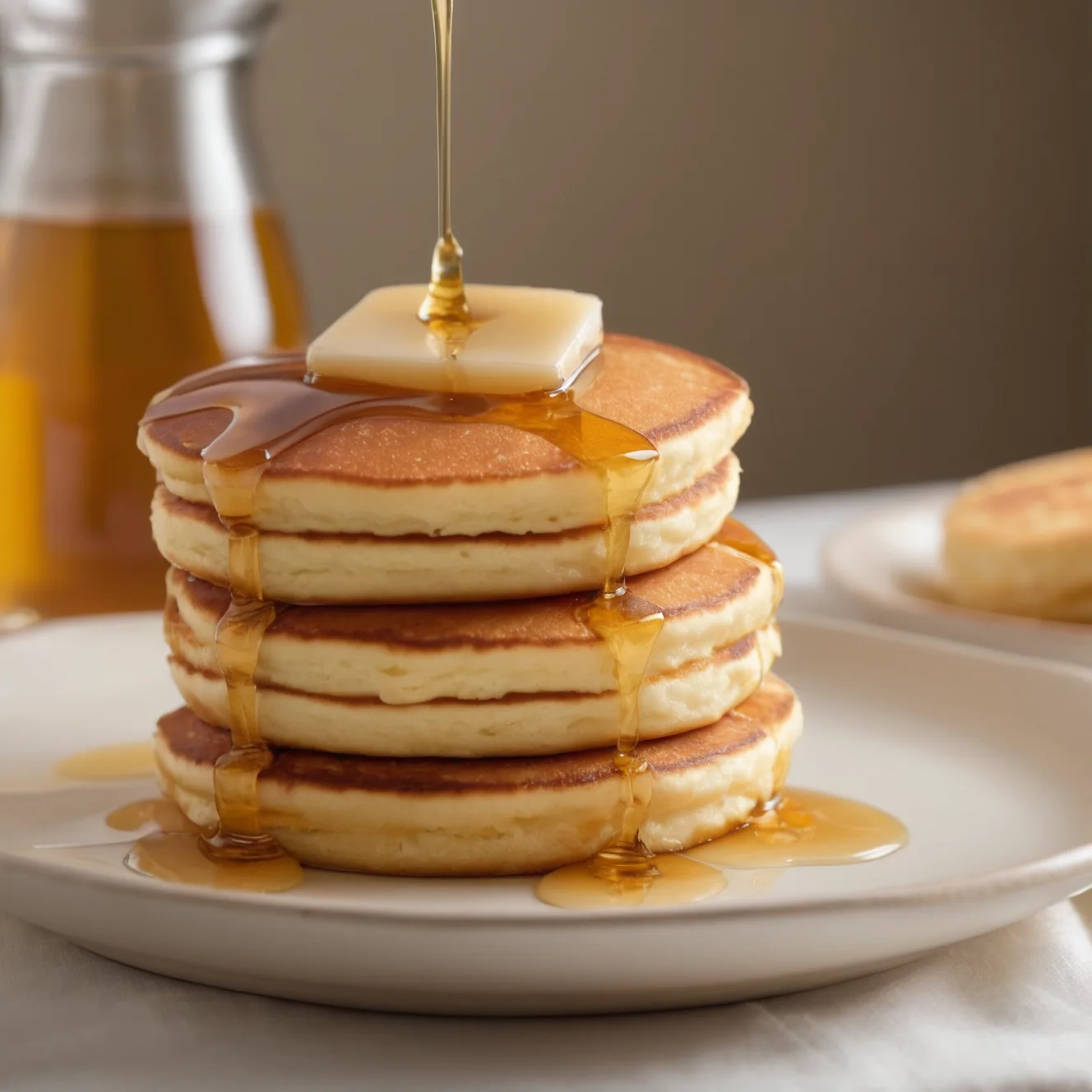
TL;DR
Real buttermilk, not a substitute. Mix 10–12 strokes — lumps are correct. Rest 5 minutes. Cook at 325°F with ½ cup batter per pancake. Flip once when bubbles cover the whole surface. That is the entire recipe.
The 2016 Upgrade — Why the Denny’s Pancakes You Remember May Taste Different Now
Before July 2016, Denny’s buttermilk pancakes were made from a dry powdered mix. The recipe that circulates most widely on the internet — flour, baking powder, milk, egg, a little butter — is a recreation of that era, and it is not what the restaurant serves today.
In 2016, Denny’s switched to a from-scratch recipe made to order at each location: real buttermilk, fresh eggs, and vanilla extract. The company said the new recipe produced pancakes 50% fluffier than before. The change cost franchisees an estimated $5 million more per year in ingredient costs and was one of the chain’s most significant quality upgrades in its seven-decade history.
The vanilla extract is the ingredient most often missing from copycat recipes. It’s subtle — not a sweet cake-shop vanilla — but it creates the aromatic depth that the old mix formula couldn’t deliver. If you’ve made a Denny’s pancake recipe at home before and found it flat-tasting or slightly cardboard, the missing vanilla and the box-mix base are the explanation.
The Buttermilk Science
The title ingredient is doing more than one job.
Acid + baking soda = immediate lift. Buttermilk is slightly acidic (pH around 4.5), and baking soda is a base. The moment they combine in the batter, a carbon dioxide reaction begins — before the pancake ever hits the griddle. When the batter hits a 325°F surface, that reaction accelerates and you get internal lift from dissolved CO₂ turning to gas. Regular milk doesn’t produce this cold leavening reaction. You lose a significant fraction of the rise.
Lactic acid tenderizes the gluten. The lactic acid in cultured buttermilk breaks down some of the gluten bonds in flour. The result is a more delicate crumb — tender and soft throughout rather than chewy. It’s the same principle behind using buttermilk in biscuits, fried chicken brine, and cake layers.
The baking powder is still necessary. Baking powder is baking soda + a dry acid, providing a second leavening reaction triggered by heat (a delayed rise). Baking soda handles the immediate cold reaction with the buttermilk; baking powder handles the oven-spring equivalent on the griddle. Both are needed.
The substitute gap. A DIY buttermilk of milk + vinegar produces acid but lacks buttermilk’s natural proteins, lactic acid bacteria, and lactose sugars. The baking soda reaction fires, but the final pancake is slightly denser and the flavor is flatter. For an occasional batch it’s workable. For a recipe you’ll make regularly, a quart of real buttermilk costs $2–3 and keeps two weeks refrigerated.
Why the Batter Must Be Lumpy
Stirring until smooth develops gluten. Developed gluten makes pancakes dense, rubbery, and tough. Ten to twelve strokes incorporates the wet and dry ingredients without forming a gluten network. The lumps you see are unmixed flour clusters — they hydrate completely during the five-minute rest and disappear on the griddle.
If you look at your batter after 12 strokes and feel the urge to stir five more times, don’t. Walk away, set a timer, and come back when the five minutes are up.
Temperature and Timing
325°F is not arbitrary. Hotter (350°F+) browns the outside before the interior cooks through — you get golden pancakes with a gummy underdone center. Cooler produces pale, flat pancakes that lack the caramelized crust.
The water-drop test. No thermometer? Flick a small drop of water onto your griddle surface. If it skitters across the surface and evaporates in under two seconds, you’re close to 325°F. If it evaporates instantly on contact, the surface is too hot.
Clarified butter outperforms regular butter. Regular butter burns at griddle temperatures. Clarified butter (the milk solids have been removed) has a higher smoke point and produces the characteristic diner-golden color without burning. Vegetable oil spray is a workable substitute.
The Half-Cup Standard
Denny’s 6-inch pancakes are large by home-kitchen standards. The correct portion is ½ cup of batter per pancake, poured from about 6 inches above the griddle surface — the height helps the batter land in a circular shape. Do not spread it with the measuring cup or back of a spoon. Let it find its shape.
Smaller amounts produce thinner pancakes that cook too fast to get the full rise. Larger amounts produce pancakes that don’t cook through before the edges overbrown.
If you’re comparing chain pancakes, the technique here is the same base you’d use for Cracker Barrel’s buttermilk pancakes — the difference is Cracker Barrel griddles theirs thinner and browner, while Denny’s runs a taller, softer 6-inch round.
Variations
Blueberry buttermilk pancakes. Scatter ¼ cup of fresh blueberries per pancake over the batter immediately after pouring — don’t stir them into the batter, which breaks them open and turns the whole batch purple. Fresh berries are significantly better than frozen, which release too much water and sink to the bottom.
Chocolate chip pancakes. Press 1 tablespoon of mini chocolate chips into each pancake after pouring and before the bubbles form. Mini chips distribute more evenly than full-size and don’t create heavy pockets that sink to the griddle and burn.
Banana pancakes. Mash one ripe banana thoroughly and whisk it into the wet ingredients before combining with dry. The banana adds natural sweetness (reduce granulated sugar to 1 tablespoon and the vanilla to ½ teaspoon so the banana leads), makes the pancakes dense and moist in a way that’s distinct from the plain version, and works best as a short stack because the banana sweetness becomes heavy after three pancakes.
Toppings
The restaurant standard is warm butter (many Denny’s locations use margarine; restaurants specifying “real butter” are in the minority) and maple syrup or pancake syrup. At home:
Real maple syrup is the single biggest upgrade. Grade A Dark Color (previously labeled Grade B) has a deeper maple flavor than the lighter grades — a smaller volume satisfies, and you don’t need the full pour.
Compound butter. Two tablespoons of softened unsalted butter stirred with one teaspoon of honey and a pinch of salt melts into the stack the way restaurant butter does. Set it on top of the pancakes first, let it melt for 30 seconds, then pour the syrup.
Fruit compotes. Denny’s offers seasonal fruit toppings. At home: simmer 1 cup of blueberries or strawberries with 2 tablespoons of sugar and a squeeze of lemon for 8 minutes until the fruit breaks down and the liquid thickens slightly. It holds for a week refrigerated.
Cost Comparison
| Restaurant | Homemade | |
|---|---|---|
| Short stack (2 pancakes) | ~$5–7 | ~$0.50 |
| Full stack (3 pancakes) | ~$8–10 | ~$0.75 |
| Blueberry pancakes | ~$9–12 | ~$1.25 |
| Serves | 1 | 1 (same quantity) |
The ingredient cost for a full batch of 8 pancakes — enough for four short stacks — runs under $2.
Storage and Reheating
Cool pancakes completely on a wire rack before storing — stacking warm pancakes traps steam and makes them gummy. Refrigerate for up to 3 days in an airtight container with parchment between layers; freeze for up to 3 months.
To reheat: a toaster or toaster oven at 325°F for 1–2 minutes produces the texture closest to the original griddle crispness. Microwave for 30 seconds per pancake if you don’t mind a softer result. Avoid microwaving from frozen — they go rubbery. Thaw in the refrigerator overnight instead.
More Denny’s Recipes
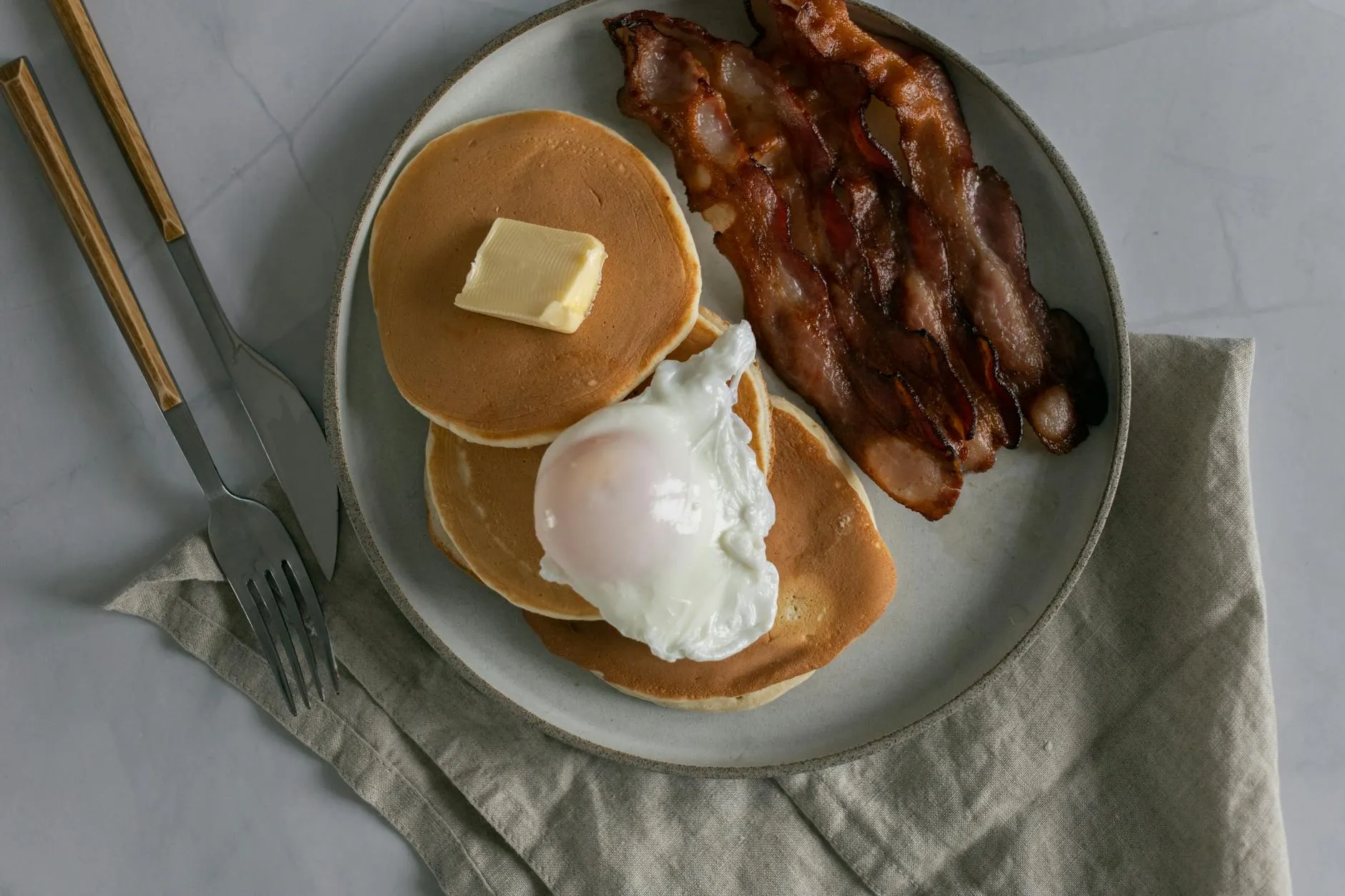
- Denny’s Grand Slam Copycat — the full breakfast: 2 of these pancakes + 2 eggs + bacon + sausage links, with timing guide so everything lands hot at once
- Denny’s Pancake Puppies Copycat — the dippable cinnamon-sugar doughnut-hole style bites
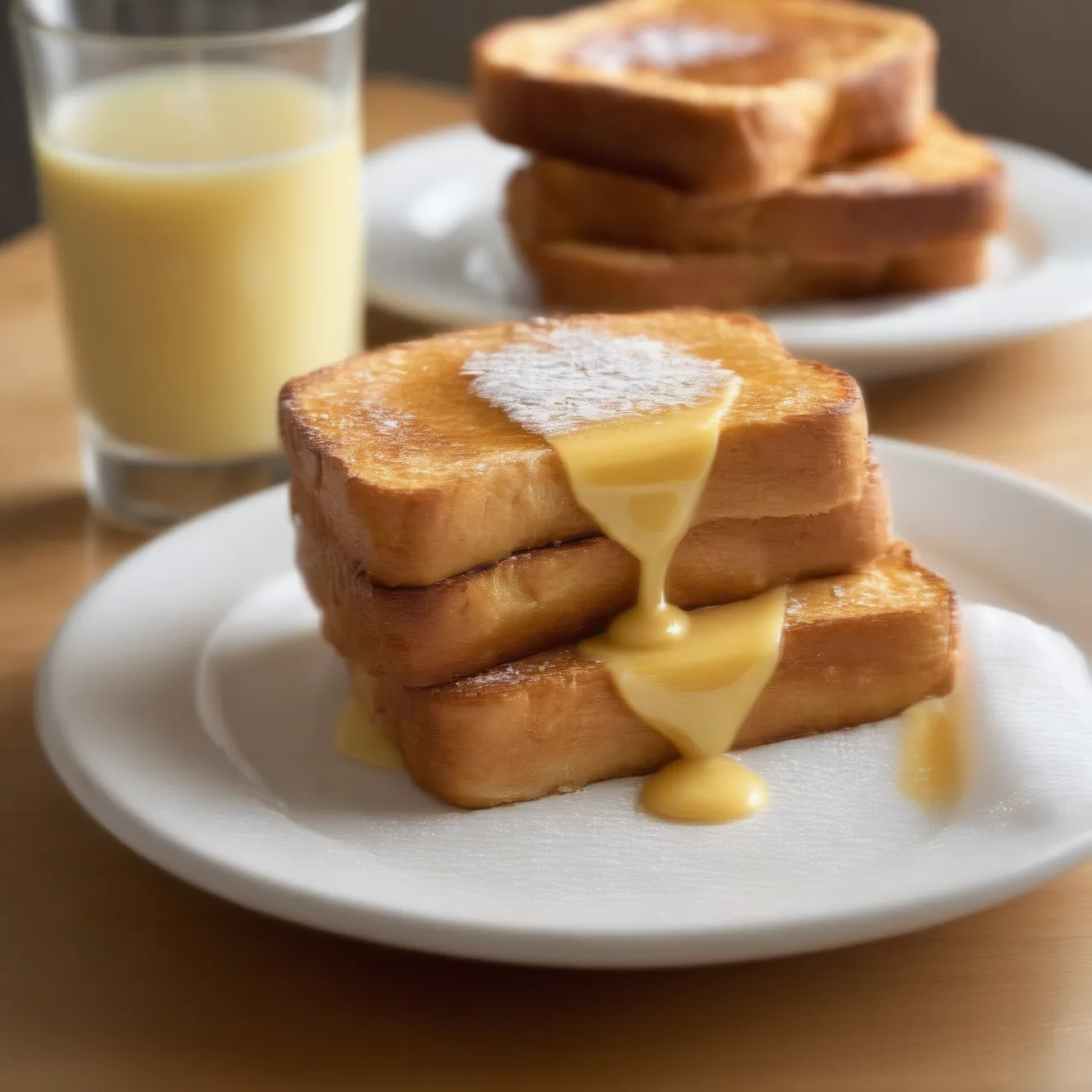
- Denny’s French Toast Copycat — thick-cut Texas toast, the sweet companion to the buttermilk pancake stack
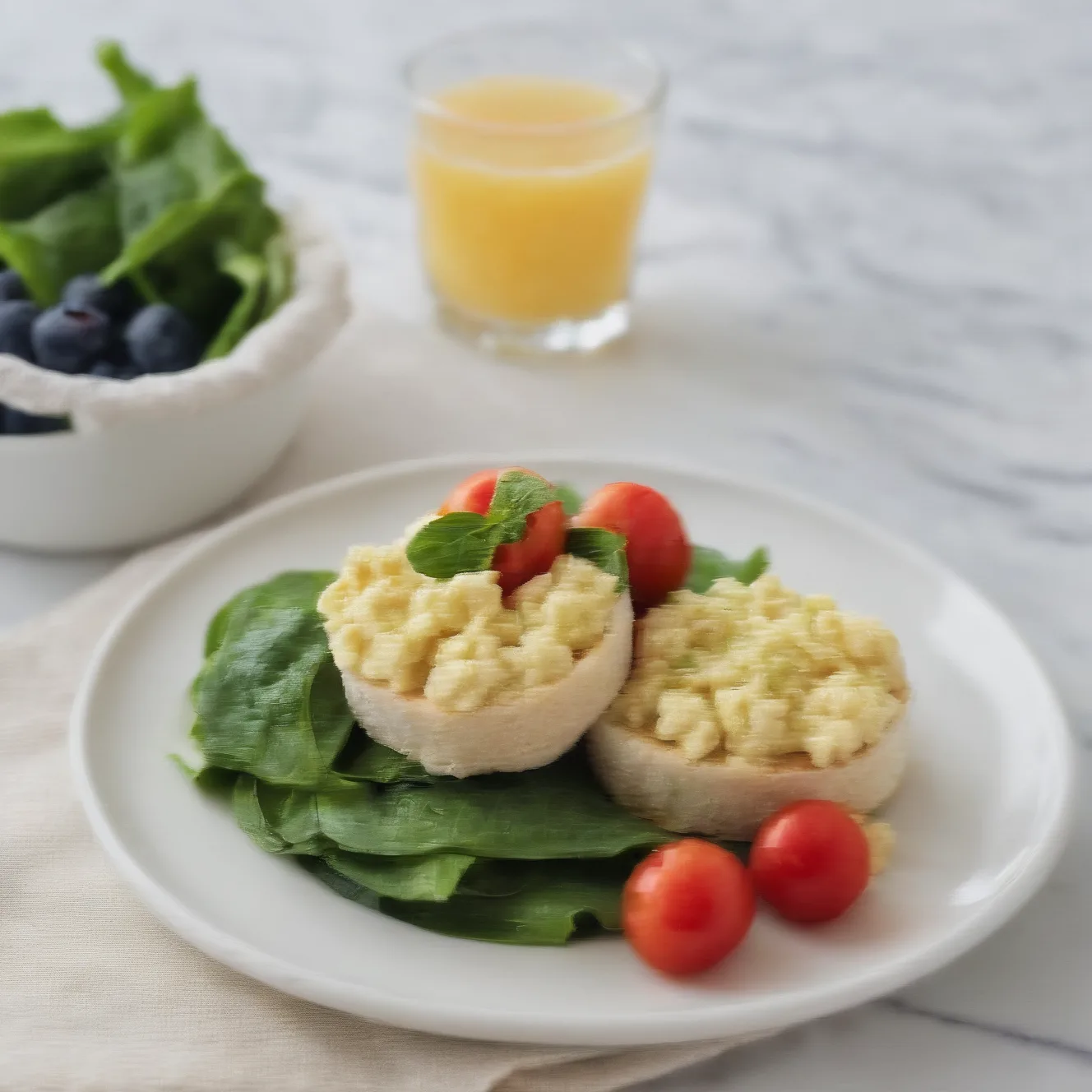
- Denny’s Fit Slam — the lighter build: egg whites, turkey bacon, and English muffin for a lower-calorie plate alongside the pancakes
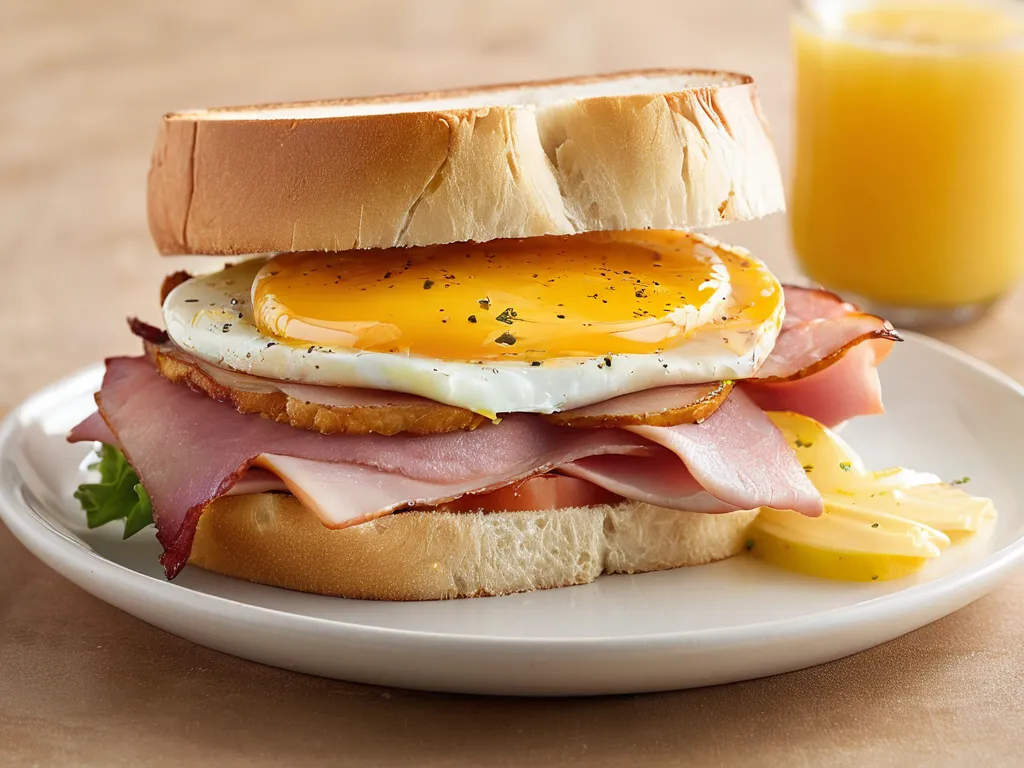
- Denny’s Moons Over My Hammy — griddled sourdough, scrambled eggs, ham, Swiss and American cheese