

Pin It

Dominique Ansel Bakery Cronut (Puff Pastry Version, Made at Home)

Dominique Ansel Bakery Cronut (Puff Pastry Version, Made at Home)
Jump to Recipe
Prep 30 min Cook 20 min Serves 4
Quick answer: Stack two sheets of all-butter puff pastry with egg wash between them. Roll to just under 1/2 inch, freeze 15 minutes, then cut with a 3-inch round cutter and a 1-inch cutter for the hole. Rest at room temperature 30 minutes. Fry in grapeseed oil at 350°F for 90 seconds per side until deep golden. Roll immediately in cinnamon sugar. Cool slightly, then pipe vanilla cream into the side. Drizzle vanilla glaze over the top.

Shop the tools

Gear matched to this recipe. These are Amazon affiliate links — we may earn a small commission if you buy, at no extra cost to you.

As an Amazon Associate, Copycat Spices earns from qualifying purchases. Product images are generic illustrations, not the exact item listed.

Dominique Ansel Bakery Cronut (Puff Pastry Version, Made at Home)

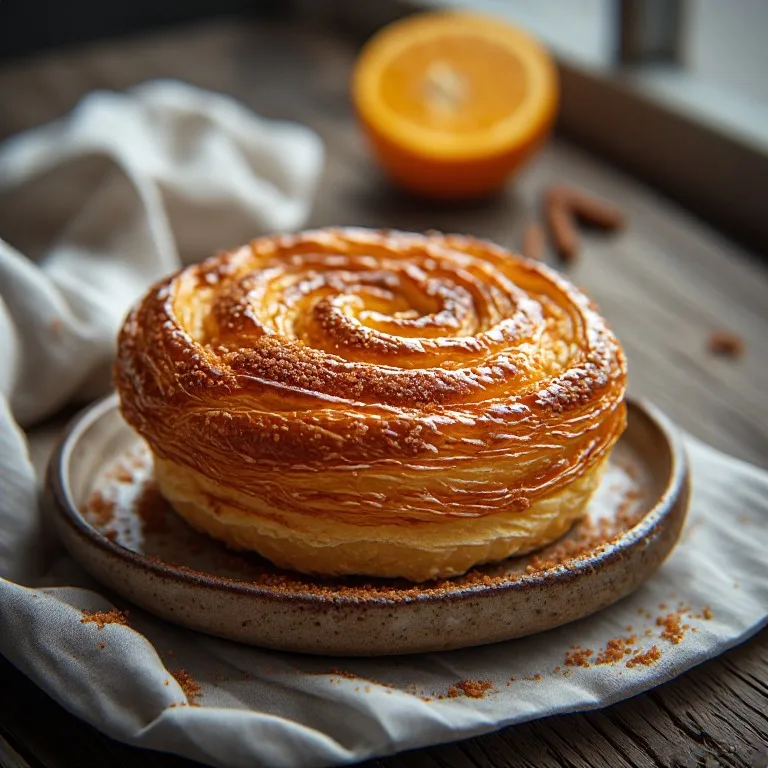
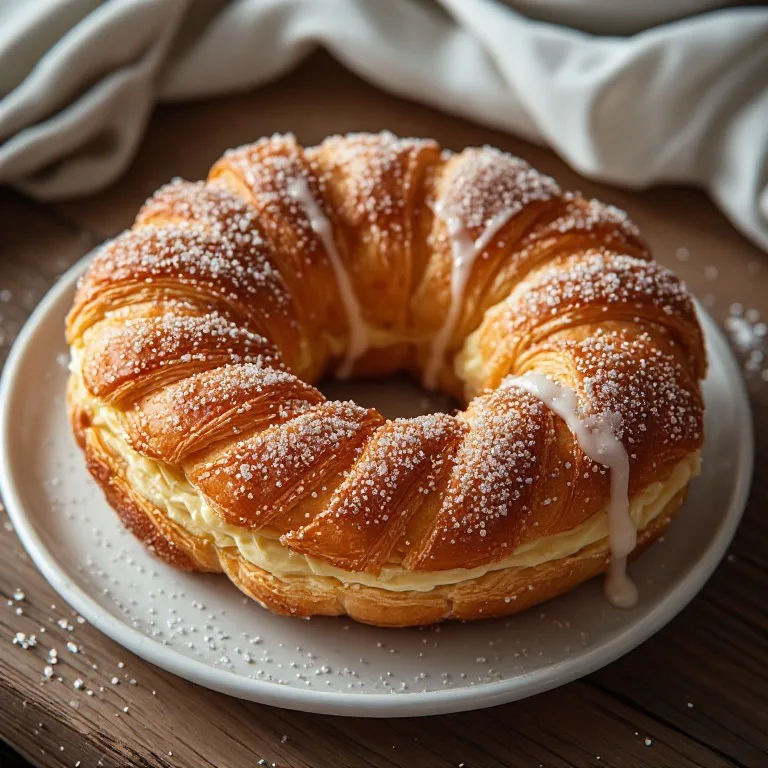
The legendary NYC Cronut — Dominique Ansel's croissant-donut hybrid — made at home with puff pastry in 2 hours instead of 3 days. Layers of flaky pastry fried golden in grapeseed oil, filled with vanilla cream, and finished with a vanilla glaze.

Medium Prep: 30 min Cook: 20 min Total: 50 min4 servings ~$4.50/serving
Prep30 min
Cook20 min
Total50 min
Servings
4
At home~$4.50/serving
vs
Restaurant~$20.25/serving
You save ~78%

The Story Behind the Recipe

Dominique Ansel unveiled the Cronut on May 10, 2013, at his bakery on Spring Street in SoHo, New York. By that Friday, the New York Post had run a photo; by the following week, lines started at 6am for a daily allotment of 200–250 pieces, with a 2-per-customer limit. Cronuts were selling on Craigslist for $40. Time Magazine named it one of the 25 Best Inventions of 2013. Ansel trademarked the name "Cronut" and has renewed it every year since. The flavor changes every month — October's Cronut is gone by November, permanently — and no flavor is ever repeated. At $7.75 each ($8.44 for pre-order pickup with NYC tax), it costs what a good sandwich costs, except the wait is often 90 minutes.

The bakery's version takes 3 days: laminated yeasted dough folded around a butter block, rested between turns, proofed, then fried in grapeseed oil at exactly 350°F, rolled in flavored sugar by hand, filled via syringe, and glazed. The puff pastry home version compresses that to 2 hours and gets 85% of the way there — you keep the layers, the fried exterior, the cream center, and the glaze — without the 3-day lamination. At $6 to $8 for four cronuts in ingredients, the cost gap over the original is about $24 per batch.

Nutrition Facts

Per serving (4 servings)
Calories510
Total Fat30g
Total Carbs52g
Dietary Fiber1g
Sugars24g
Protein5g
Sodium220mg

* Estimated values based on standard recipe preparation. Actual values may vary.

Ingredients

  • For the cronuts
  • For rolling
  • For the vanilla cream filling
  • For the vanilla glaze

Instructions

💡
Pro tip: This recipe tastes even better the next day. The flavors need time to meld together in the fridge.
❄️
Storage: Keeps in an airtight container in the fridge for up to 2 weeks. Freezer-friendly for up to 3 months.
🎃 Free Halloween cookbook — download now The Copycat Halloween Cookbook A ready-made, photo-illustrated PDF of our best halloween copycat recipes — free to download, no building required. Pay what you want to support if you love it.

Free PDF — instant download. We'll also send new seasonal copycat recipes now and then; unsubscribe anytime. Or just download it →

Copycat Dominique Ansel Bakery Cronut (Puff Pastry Version, Made at Home)

Prep time: 30 min (plus 45 min resting and chilling) Cook time: 20 min Servings: 4 cronuts

Dominique Ansel’s Cronut — a laminated yeasted dough fried like a donut, filled with cream, rolled in flavored sugar, and glazed — has been one of New York’s most-sought-after pastries since May 2013. The bakery produces 200 to 250 per day, has a 2-per-customer limit, and sells out most mornings. The flavor changes monthly and never repeats. At home with store-bought all-butter puff pastry, you can produce four cronuts in about two hours that capture what makes the original compelling: the visible layers on the cut edge, the contrast between a crispy fried exterior and a flaky airy interior, the piped cream filling, and the vanilla glaze.

The Puff Pastry Shortcut: What It Gets Right, and What It Trades

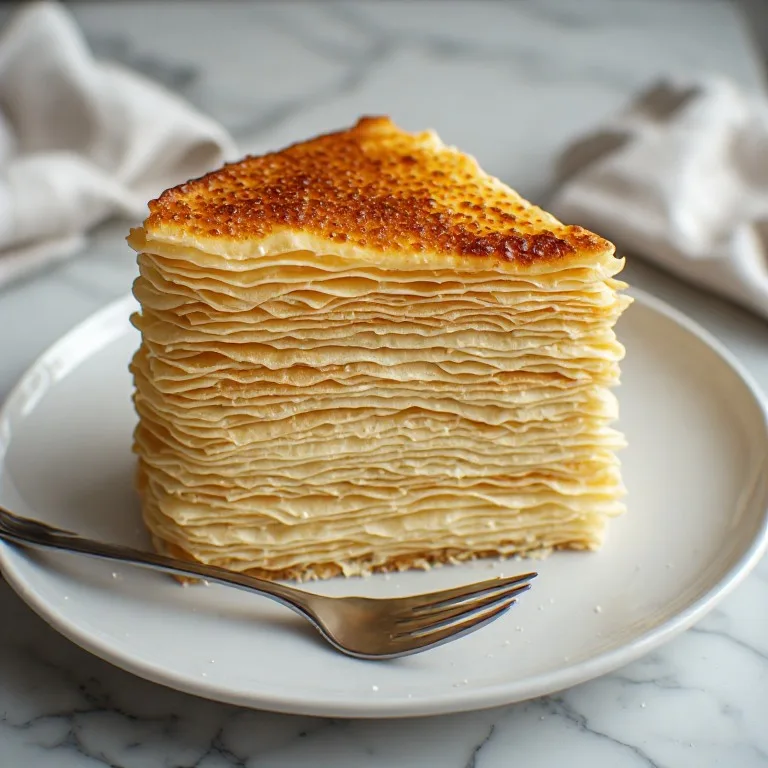
The Cronut’s original dough is yeasted laminated dough — a croissant-style dough folded around a butter block through repeated turns, rested overnight between folds, then proofed before frying. It’s a 3-day project rated “extreme difficulty” in Ansel’s own cookbook. Store-bought all-butter puff pastry (Dufour brand is ideal; Pepperidge Farm works) is also laminated dough — typically hundreds of alternating layers of dough and butter — but it contains no yeast. The manufacturing process is different, but the physical structure (layers of cold butter separated by thin dough sheets) is the same principle.

What carries over: The visible flaky layers on the side and in the cross-section. The contrast between a crispy fried exterior and an airy, open interior. The way the layers separate under heat and steam. The cream filling and glaze are identical to the original.

What doesn’t: The mild yeasty flavor that comes from fermented dough. The exact chew of the original — yeasted dough has more gluten development than puff pastry and a different bite. The interior of the puff pastry version is slightly more crumbly; the original is more cohesive.

The tradeoff is reasonable: 2 hours versus 3 days, and $1.50 per cronut versus $7.75. If you want the authentic experience, Dominique Ansel’s cookbook The Secret Recipes contains the full home version of the original recipe.

The One Technique That Determines Success: Oil Temperature

At 350°F, the butter in the puff pastry’s layers vaporizes rapidly as it hits the oil, creating steam that forces the layers apart — that’s why you see the edge of a well-fried cronut separate into distinct visible layers. At 330°F, this steam doesn’t build fast enough: the exterior absorbs oil and the layers seal against each other. At 375°F, the outside browns before the center is cooked.

The 15-minute freeze before cutting re-firms the butter that softened during stacking and rolling. The 30-minute room-temperature rest relaxes the gluten so layers can move freely. Both are setup for the frying step.

Keep the oil between 345°F and 360°F throughout. Let it recover to at least 350°F between batches — with a Dutch oven, that recovery takes about 2 minutes. Rushing a second batch into under-temperature oil produces greasy results.

What Dominique Ansel Bakery Does That You Can Replicate Exactly

The three finishing steps — rolling in flavored sugar while hot, filling with cream via a piping syringe, and glazing the top — are identical to the bakery’s process and fully achievable at home.

The sugar roll must happen within 30 seconds of the cronut leaving the oil. The hot oil film on the fried pastry is what makes granulated sugar adhere. If you wait until the cronut cools, the surface dries and the sugar won’t stick without adding a liquid binder, which changes the texture. The bakery rolls each cronut in flavored sugar that corresponds to the month’s flavor (caramel sugar, cinnamon sugar, black sesame sugar — it varies). Cinnamon sugar is the most accessible home version.

The cream injection goes into the side wall, not the top. Press the piping tip through the side at the middle layer, point it toward the center, and squeeze while slowly withdrawing. Do this from 2–3 points around the circumference for even distribution. You’ll feel the pastry get slightly heavier as the cream fills the interior. Stop when cream pushes back toward the tip — the interior is full. Roughly 2 tablespoons of cream per cronut.

The glaze sets quickly on a warm cronut. Spoon or drizzle over the top after filling. A thick glaze (the consistency of white school glue) produces the opaque, slightly domed top visible in photos of the original. If the glaze is too thin, it runs off the sides and pools on the plate.

The Monthly Flavor (and How to Do Your Own)

Ansel’s flavor announcement drives a pre-order waitlist that opens weeks in advance. Past Octobers have featured caramel and pear, pumpkin spice with dark rum, and apple cider with salted brown butter. For a fall version at home:

  • Filling: spiced cream — add 1/2 teaspoon cinnamon, 1/4 teaspoon nutmeg, and 1 tablespoon light brown sugar to the whipped cream
  • Sugar roll: combine 3 tablespoons granulated sugar with 1/2 teaspoon cinnamon and 1/4 teaspoon clove
  • Glaze: reduce 1/2 cup fresh apple cider to 3 tablespoons in a small saucepan, then whisk into 1 cup powdered sugar until smooth — this produces a pale amber glaze with real apple flavor
Cost Comparison: Bakery vs. Home
Dominique Ansel BakeryHomemade (4 cronuts)
Price$7.75 each / $8.44 with tax~$6–$8 total for 4
Per cronut~$7.75–$8.44~$1.50–$2.00
Wait timeOften 60–90 min in line2 hours in your kitchen
FlavorMonthly special, never repeatedYour choice
AvailabilitySell out most morningsMake on demand
Storage

Unfilled cronuts keep at room temperature in a single layer, uncovered, for up to 4 hours before filling. After that, the fried exterior softens.

Filled cronuts are best eaten within 2 hours of assembly. After 4 hours the cream begins to soften the crust from the inside. Refrigerating a filled cronut firms the cream but makes the pastry layers go stale faster.

Unbaked cut cronuts (before frying) freeze well on a parchment-lined sheet pan for up to 1 week. Fry straight from frozen — add 60 to 90 seconds to each side. This is the best make-ahead approach if you want fresh cronuts on demand without the full prep each time.

More Iconic NYC Bakery Recipes Made at Home
🥗

Make It Healthier

Love Dominique Ansel Bakery Cronut (Puff Pastry Version, Made at Home) but want a lighter version? Try these simple swaps:

  • ✓Air fry at 375°F for 8–10 minutes, flipping once at 5 minutes — you'll lose the crispiest fried exterior and some layer separation, but save roughly 8–10g of fat per cronut from oil absorption.
  • ✓Use Dufour all-butter puff pastry instead of Pepperidge Farm for fewer additives and better flavor from real butter — the layer separation is also more pronounced, which is the main visual cue people expect from a Cronut.
  • ✓Fill with a lighter Greek yogurt cream: whip 3/4 cup cold heavy cream to medium peaks, then fold in 1/4 cup full-fat Greek yogurt, 1 tablespoon honey, and vanilla. Saves roughly 20 calories and adds 2g protein per cronut while keeping a real cream texture.
  • ✓Skip the granulated sugar roll and use powdered sugar only on top — the glaze already adds sweetness and the rolled sugar coating is primarily texture. Saves 15–20 calories and 4g sugar per cronut.

Frequently Asked Questions

What exactly is a Cronut, and how is it different from a donut or croissant?

The Cronut is a trademarked pastry invented by Dominique Ansel on May 10, 2013 at his SoHo bakery. It uses laminated yeasted dough — the same butter-folded dough structure as a croissant — but instead of baking it, Ansel fries it in grapeseed oil at 350°F like a donut. The result is a pastry with a ring shape and a donut's fried exterior but a croissant's visible, airy, flaky layers inside. After frying, it's rolled in flavored sugar (not just cinnamon; the sugar flavor changes each month), filled with cream via a piping syringe, and topped with glaze. The puff pastry home version uses unleavened laminated dough instead of yeasted laminated dough, which means it lacks the Cronut's mild yeasty flavor — but the texture, layers, and overall eating experience are remarkably close.

Why does the recipe use puff pastry instead of making the dough from scratch?

Dominique Ansel's original recipe uses a proprietary yeasted laminated dough that takes 3 days to produce — incorporating a butter block through repeated turns, resting overnight between folds, proofing the cut rounds, and then frying. It's a genuinely difficult multi-day project. The puff pastry shortcut compresses that to about 2 hours because store-bought all-butter puff pastry is already laminated into hundreds of thin butter-and-dough layers. The tradeoff: puff pastry has no yeast, so you lose a subtle fermented tang. What you keep: the visible flaky layers on the side, the contrast between the crispy fried exterior and the airy interior, and the cream-and-glaze finish. For the authentic 3-day version, Dominique Ansel published the official home recipe in his cookbook 'The Secret Recipes.'

What oil should I fry the cronuts in, and why does it matter?

Dominique Ansel's bakery fries the Cronut in grapeseed oil — that's what the official recipe specifies, and it's the right choice. Grapeseed oil has a high smoke point (about 420°F), which means it stays clean and neutral at the 350°F frying temperature without breaking down or adding off-flavors. Neutral vegetable or canola oil works if grapeseed is unavailable. Avoid olive oil (too low a smoke point, too assertive a flavor) and coconut oil (adds a coconut note). The bigger point is temperature: 350°F specifically. Hotter oil burns the outside before the layers cook through. Cooler oil soaks into the pastry and makes it greasy. A clip-on thermometer is worth using for this recipe.

When should I fill the cronuts — immediately after frying or after they cool?

Fill them warm, about 5 minutes after frying — once they're cool enough to handle but still warm inside. Filling while warm has two advantages: the cream absorbs slightly into the interior layers, and the warmth keeps the cream from immediately overheating (since the pastry isn't scorching hot). If you let them cool to room temperature completely before filling, the layers compress and the cream has nowhere to go except back out the opening. Don't pipe while scalding hot — the cream will melt and run. The window is roughly 5 to 15 minutes after frying.

Can I make these ahead or do they have to be eaten immediately?

Cronuts are best within 2 hours of frying — the layers are crispy and the cream is cool but the pastry is still fresh. After 4 hours, the exterior softens as the cream and ambient humidity work on the crust; by the next day, the texture is noticeably different (still edible, but not the same). Dominique Ansel's bakery sells the Cronut on the day it's made and doesn't carry over to the next morning. To prep ahead: you can cut the cronuts and freeze them uncovered on a sheet pan up to 1 day in advance, then fry straight from frozen (add 60–90 seconds to the frying time). Don't make the vanilla cream more than 1 day ahead, but the glaze keeps at room temperature for several days.

My cronuts are greasy inside — what went wrong?

Almost always an oil temperature issue. If the oil drops below 330°F when the cronuts go in — which happens if you crowd the pot or if the oil wasn't hot enough to start — the pastry absorbs oil rather than having it repelled by steam pressure. Check the oil temperature with a thermometer before each batch and let it recover to 350°F between batches. Fry no more than 2 at a time in a standard Dutch oven. The other cause: the cronuts weren't cold enough going into the oil. If the butter in the puff pastry has softened before frying, the layers seal together and the steam pressure that creates flakiness doesn't build properly. The 15-minute freeze step before cutting and the 30-minute room-temperature rest (which relaxes the dough slightly but doesn't fully warm it) are both important.

What is Dominique Ansel Bakery's flavor this month, and can I replicate it?

The Cronut flavor rotates monthly and never repeats — it's part of what creates the urgency around the original. For October, Ansel typically does fall-leaning flavors: past Octobers have featured combinations like pumpkin and caramel, apple cider and brown butter, and warm spice with salted cream. For the puff pastry home version, you can customize the filling and glaze freely. A fall version: swap the vanilla cream for a spiced pastry cream (add 1/2 teaspoon cinnamon and 1/4 teaspoon nutmeg to the cream), roll in cinnamon-clove sugar, and use an apple cider glaze (replace the cream in the glaze with reduced apple cider).

What is the Cronut at Dominique Ansel Bakery limited to, and how much does it cost?

The bakery limits each customer to 2 Cronuts per visit per day. They sell 200–250 per day, sell out most mornings by mid-morning, and have done so consistently since 2013. Pre-order pickup costs about $8.44 per Cronut (including NYC tax). The monthly flavor is announced in advance on the bakery's website; a waitlist opens on a specific date for the following month's run. The bakery also ships 4-packs nationwide. At home with this recipe, 4 cronuts cost roughly $6 to $8 total in ingredients — about $1.50 to $2 each versus $7.75 at the bakery.

Love this recipe? Share it!

Free PDF: our 12 most-wanted copycat recipes — instant download.

Made it? Buy us a coffee

Every recipe here is free, with no paywalls. If this one was a hit at your table, a small tip keeps new copycats coming.

$

Dominique Ansel Bakery is a trademark of its owner, used here only to describe the dish this recipe recreates. This is an independent copycat written in our own words — Copycat Spices is not affiliated with, endorsed by or sponsored by Dominique Ansel Bakery.

Ratings & Reviews

—
No ratings yet

Rate this recipe

Click a star to rate

Leave a Review

0/500

CS

Copycat Spices Editorial

Researched + fact-checked. Every recipe on Copycat Spices is built from published sources — official ingredient lists, brand-published recipes, interviews and food-science references — and fact-checked before it goes live, then written as clear, step-by-step instructions for home cooks of all skill levels.

Learn more about our mission →