


Pin It

Balthazar Brioche French Toast (The Legendary SoHo Brunch, Made at Home)

Balthazar Brioche French Toast (The Legendary SoHo Brunch, Made at Home)
Jump to Recipe
Prep 15 min (plus overnight soak) Cook 25 min Serves 2
Quick answer: Combine 1 cup heavy cream, 3 large eggs, 2 tablespoons sugar, 1 teaspoon vanilla extract, a pinch of nutmeg, and a pinch of kosher salt in a shallow baking dish. Whisk until smooth. Add 4 slices of day-old brioche cut 1.5 to 2 inches thick. Press the brioche gently into the custard, flip, then cover and refrigerate overnight (or at least 4 hours), flipping once halfway. The next day, clarify 4 tablespoons of butter: melt it over low heat, skim the white foam from the top, and pour the clear golden fat into a separate bowl, leaving the milky solids behind. Preheat your oven to 350°F. Heat an oven-safe skillet (or cast-iron pan) over medium-low heat. Add 1.5 tablespoons of clarified butter and let it heat until shimmering but not smoking. Lift 2 slices of soaked brioche from the custard and let the excess drip off for 10 seconds. Place them in the skillet and cook undisturbed for 3 to 4 minutes until the bottom is a deep golden brown. Flip carefully with a wide spatula and cook 3 to 4 more minutes on the second side. Transfer the pan to the 350°F oven and bake for 6 to 8 minutes until the center of each slice is puffed and set (no longer jiggly). Repeat with the remaining 2 slices and fresh clarified butter. Serve with pure maple syrup (Grade A Dark/Robust) and a dusting of powdered sugar. Balthazar's version costs $24 on the brunch menu; this recipe makes two servings for under $10.

Shop the tools

Gear matched to this recipe. These are Amazon affiliate links — we may earn a small commission if you buy, at no extra cost to you.

As an Amazon Associate, Copycat Spices earns from qualifying purchases. Product images are generic illustrations, not the exact item listed.

Balthazar Brioche French Toast (The Legendary SoHo Brunch, Made at Home)

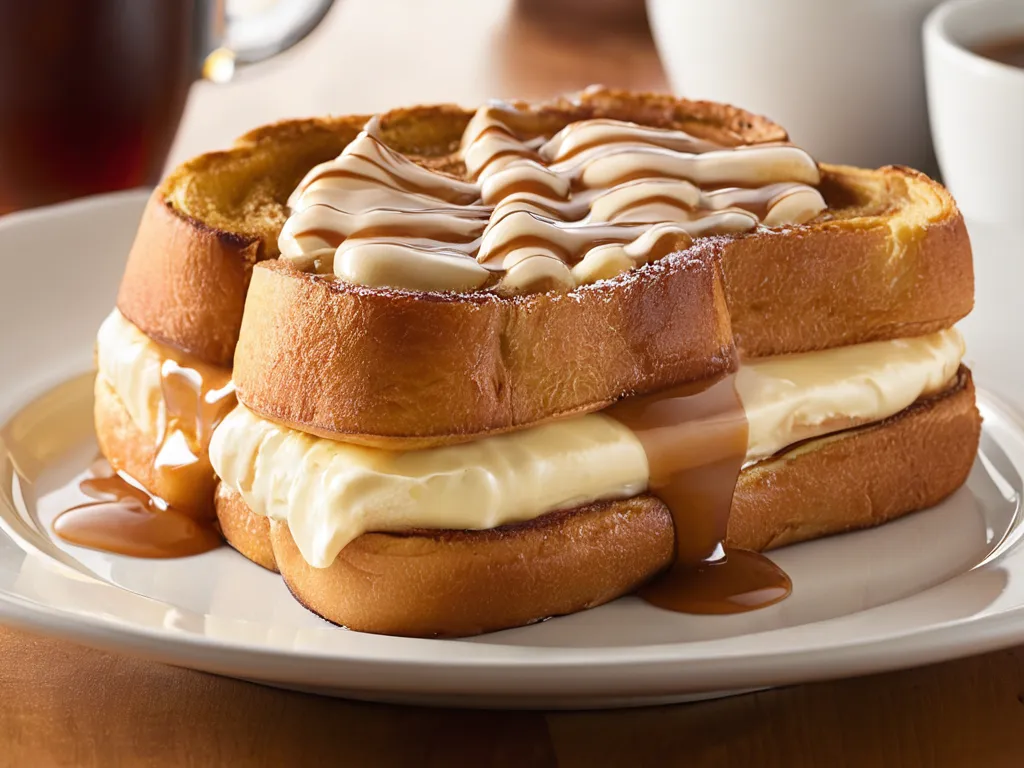
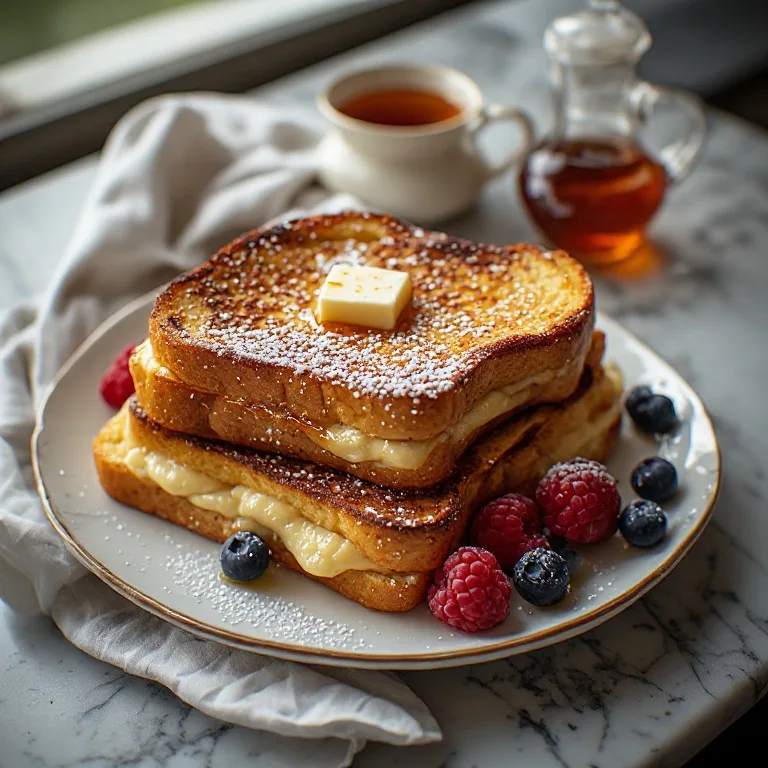
Balthazar's brioche French toast starts with 2-inch-thick slices soaked overnight in a heavy cream custard, then cooked low and slow in clarified butter and finished in the oven. The SoHo brasserie charges $24 on the brunch menu; you can make two servings for under $10.

Easy Prep: 15 min (plus overnight soak) Cook: 25 min Total: 40 min2 servings ~$4.50/serving
Prep15 min (plus overnight soak)
Cook25 min
Total40 min
Servings
2
At home~$4.50/serving
vs
Restaurant~$20.25/serving
You save ~78%

The Story Behind the Recipe

Balthazar has occupied 80 Spring Street in SoHo since Keith McNally opened it on April 21, 1997. He built a grand Parisian brasserie interior from scratch inside a former textile warehouse — mosaic tile floors, high tin ceilings, scarred brass mirrors, red leather banquettes, and a zinc bar — and the dining room looked like it had been there for fifty years on the first night. The adjacent Balthazar Bakery opened the same week, supplying the bread and pastries for the restaurant and selling directly to the public before the kitchen opens each morning. Weekend brunch reservations at Balthazar are notoriously difficult; the room fills weeks ahead and the walk-in bar seats are gone by 10 a.m. on a Saturday. The brioche French toast is $24 on the brunch menu.

What makes the Balthazar version worth replicating is the brioche from their own bakery — sliced two inches thick, slightly stale to absorb without falling apart, soaked overnight in a custard of heavy cream, eggs, sugar, and vanilla. The thick brioche means the custard can soak all the way through instead of just coating the outside, which is why it collapses into something closer to bread pudding than traditional French toast when you cut into it. The other key is clarified butter: it tolerates the lower-and-slower heat needed to cook the thick interior through without burning the outside, and it produces a uniformly golden crust rather than the spotted, half-raw surface you get from whole butter.

Nutrition Facts

Per serving (2 servings)
Calories740
Total Fat46g
Total Carbs65g
Dietary Fiber1g
Sugars18g
Protein14g
Sodium480mg

* Estimated values based on standard recipe preparation. Actual values may vary.

Ingredients

  • Custard
  • For cooking
  • To serve

Instructions

💡
Pro tip: This recipe tastes even better the next day. The flavors need time to meld together in the fridge.
❄️
Storage: Keeps in an airtight container in the fridge for up to 2 weeks. Freezer-friendly for up to 3 months.
🎃 Free Halloween cookbook — download now The Copycat Halloween Cookbook A ready-made, photo-illustrated PDF of our best halloween copycat recipes — free to download, no building required. Pay what you want to support if you love it.

Free PDF — instant download. We'll also send new seasonal copycat recipes now and then; unsubscribe anytime. Or just download it →

Balthazar opened on April 21, 1997, at 80 Spring Street in SoHo. Keith McNally had already opened Odeon in Tribeca (1980) and Café Luxembourg on the Upper West Side (1983), but Balthazar was the one that remade his reputation. He built a French brasserie interior from scratch in a former textile warehouse — the mosaic tile floors, tin ceilings, scarred brass mirrors, and zinc bar were designed to look decades old on opening night — and the restaurant became an immediate New York institution. The Balthazar Bakery at the same address opened the same week, baking the bread and pastries for the restaurant and selling directly to the public before the kitchen opens each morning.

Weekend brunch is the hardest reservation in the house. Balthazar seats about 180 guests and has been fully booked on Saturday and Sunday mornings for most of its nearly three decades in SoHo. The brioche French toast is $24 on the brunch menu. The recipe below reproduces it as faithfully as possible at home: thick-cut bakery brioche, overnight custard soak, clarified butter, and a low-and-slow cook that finishes in the oven.

Three Things Most French Toast Recipes Get Wrong

Most French toast recipes dip the bread in custard for 30 seconds and cook it immediately over high heat in whole butter. Against thick brioche, that approach produces toast that is eggy and surface-coated on the outside and still dry bread in the center. The Balthazar version — and really any good brioche French toast — requires three things that most home recipes skip.

Overnight soak. A 2-inch brioche slice does not absorb custard in 30 seconds, or even 30 minutes. To fully saturate thick brioche, it needs 4 hours minimum and is best soaked overnight. The overnight soak transforms the interior into something closer to bread pudding: the custard distributes evenly through the crumb, and the finished slice has that yielding, custardy core rather than the dry-bread-with-wet-exterior texture of a quick-dipped version.

Day-old brioche. Fresh brioche is too moist and too soft to hold up to an extended soak. It will absorb custard, but it will also partially dissolve, producing a soggy, torn slice that falls apart when you try to cook it. Brioche that has had 24 hours to air-dry has a firmer structure — the gluten has stiffened slightly and the crumb can absorb without collapsing. If you are making this same-day, slice the brioche 3 to 4 hours before soaking and leave it uncovered on a wire rack to dry slightly.

Clarified butter and oven finish. Whole butter has milk solids that burn at low temperatures. For thick French toast, you need to cook it low and slow — 3 to 4 minutes per side over medium-low heat — to build a golden crust without burning the exterior while the thick interior sets. Whole butter will turn dark before the crust is properly caramelized. Clarified butter has no milk solids; its smoke point is over 400°F, which lets you maintain steady medium-low heat for as long as you need. The oven finish (6 to 8 minutes at 350°F) is what fully sets the custard in the center of a 2-inch slice — stovetop heat alone cannot penetrate that far without over-cooking the outside.

About the Custard

The ratio here is 1 cup heavy cream to 3 eggs. This is on the cream-heavy end of the French toast spectrum: more cream and fewer eggs produces a custard that sets softer and silkier, with a richer mouthfeel, rather than the firmer, more egg-forward result of a higher-egg ratio. For bakery-quality brioche, this is the right call — the custard should enhance the bread’s butteriness rather than compete with it.

Nutmeg is present at a background level — 1/4 teaspoon freshly grated for the whole batch. You should not be able to identify it in the finished dish; its role is to add a faint warmth that makes the custard taste like something from a pastry kitchen rather than something from a home kitchen. Fresh-grated nutmeg from a whole nut is significantly more aromatic than pre-ground; if you have a whole nutmeg, use it.

The Maple Syrup Matters

Grade A Dark Color/Robust Taste maple syrup — formerly called Grade B — is the correct choice alongside this dish. It has a pronounced, complex maple flavor that registers clearly against the rich custard and butter. Grade A Medium Amber is too mild; it adds sweetness without depth. Pure maple syrup only: pancake syrup is corn syrup flavored with artificial maple extract, and it will taste obviously wrong against a dish this well-made.

🥗

Make It Healthier

Love Balthazar Brioche French Toast (The Legendary SoHo Brunch, Made at Home) but want a lighter version? Try these simple swaps:

  • ✓Sub half-and-half for the heavy cream to cut about 120 calories and 15g fat per serving without losing the custardy interior — the brioche still absorbs well.
  • ✓Use a 1-inch slice of brioche instead of 1.5 to 2 inches; the thinner slice means less custard absorbed and a leaner result, closer to 500 calories per serving.
  • ✓Replace the pure maple syrup with a drizzle of honey and sliced fresh fruit — cuts added sugar significantly while keeping the dish interesting.
  • ✓Ghee (clarified butter) is the same calorie count as regular butter but has no lactose or milk solids, making it a better option for anyone with a mild dairy sensitivity.

Frequently Asked Questions

What is Balthazar and why is its brunch so hard to get into?

Balthazar is a French brasserie at 80 Spring Street in SoHo, Manhattan, opened in 1997 by restaurateur Keith McNally. McNally designed the interior as a faithful recreation of a grand Parisian brasserie — the zinc bar, tin ceilings, mosaic tile floor, and mirrored walls were built to look like they had been there for decades. The restaurant has its own bakery at the same address, which supplies the bread and pastries and opens to the public before the kitchen does each morning. Brunch on Saturday and Sunday is the hardest reservation in the house. The dining room seats about 180 guests, but weekend brunch has been a New York institution since the first year: the room fills with a mix of local regulars, fashion and art world visitors, and tourists who have read about it for years. Walk-in bar seats are the most reliable way to eat there without booking ahead; they are typically full by mid-morning on a weekend. The brioche French toast, at $24, is one of the brunch dishes that has been on the menu since the early years.

Why does the brioche need to be day-old or slightly stale?

Fresh brioche is too soft and too moist to absorb a heavy cream custard without collapsing. The high butter content and tender crumb of fresh brioche turn to mush when submerged in custard — the exterior soaks quickly, the center stays dry, and the slice tears when you try to lift it. Day-old brioche (or brioche that has been sliced and left uncovered on a rack for an hour or two) has lost enough surface moisture that its structure can hold up to a full overnight soak. The gluten has stiffened slightly and the crumb is firm enough to absorb the custard all the way through without disintegrating. The result, after cooking, is what makes Balthazar's version distinctive: the interior of the finished French toast is almost custardy — closer to bread pudding — rather than eggy or bready. If your brioche is very fresh, slice it and leave the slices on a wire rack at room temperature for 2 to 3 hours before soaking. Do not try to dry it in the oven; you want stale, not toasted.

Why clarified butter instead of whole butter?

Whole butter contains milk solids (about 20% by volume) that burn at relatively low temperatures — around 250 to 300°F. When you need to cook thick French toast low and slow for 3 to 4 minutes per side without burning the crust, whole butter will brown too quickly and produce a dark, bitter exterior before the inside is cooked. Clarifying butter removes those milk solids, leaving pure butterfat with a smoke point over 400°F. This lets you cook the thick brioche at a steady medium-low heat long enough to develop a uniformly golden crust on the outside while the custard-soaked center slowly sets. Clarifying is a 5-minute process: melt the butter over low heat, skim the white foam from the surface, then pour the clear golden fat into a separate container, leaving the cloudy residue behind. Ghee (which is clarified butter that has been cooked longer to remove all moisture) works identically and is available at most grocery stores. If you use regular unsalted butter instead, lower the heat to medium-low, watch carefully, and use fresh butter for each batch.

Can I soak the brioche for less than overnight? What is the minimum?

Four hours is the practical minimum and produces good results if you flip the slices twice during the soak. An overnight soak (8 to 12 hours) saturates the interior of a 2-inch slice more evenly, which is why the Balthazar version, made with thick bakery brioche soaked the night before service, has that bread-pudding quality in the center. Shorter soaks work better on thinner slices: if you cut the brioche 3/4 inch thick instead of 1.5 to 2 inches, a 1-hour soak is sufficient. But with thick brioche, less than 4 hours means the center is still mostly dry bread while the outside is custard-saturated — the finished toast will have an uneven texture and the thick center may taste underdone even after oven-finishing. If you need to make this same-day, cut the brioche to 1-inch thickness and soak for 2 hours, flipping every 30 minutes.

Why finish the French toast in the oven?

A 1.5 to 2-inch brioche slice is too thick to cook all the way through on the stovetop alone without burning the exterior. Three to four minutes per side at medium-low heat caramelizes the crust and sets the outer layer of custard, but the center of a thick slice is still partially liquid at that point — it will be wet and eggy in the middle rather than set and custardy. A 6-to-8-minute finish in a 350°F oven brings the core temperature up to 165°F, which is when the custard fully sets, without any additional surface browning. The result is a French toast that is golden and slightly crispy on the outside and custardy but fully cooked in the center — the texture that defines the Balthazar brunch version. If you cut the brioche thinner (under 1 inch), the stovetop cooking alone is sufficient and the oven step can be skipped.

What maple syrup does Balthazar use?

Grade A Dark Color/Robust Taste maple syrup — the grade formerly called Grade B in the US — is the correct choice for French toast. It has a stronger, more pronounced maple flavor than the lighter Grade A Amber, which registers as sweet without much depth alongside the rich brioche and custard. For the price difference between the grades, the flavor payoff of a bottle of Grade A Dark is significant. Pure maple syrup only — do not use pancake syrup (corn syrup with artificial maple flavor) for a recipe this rich. At Balthazar, the brunch French toast comes with pure maple syrup; the bakery-quality brioche and the overnight custard do not need additional adornment. A dusting of powdered sugar through a fine-mesh sieve before serving adds a visual finish and very slight sweetness to the crust.

Where can I buy brioche thick enough for this recipe?

Whole Foods, Trader Joe's, and most grocery chains with a bakery section sell brioche loaves year-round. Buy the whole unsliced loaf (not pre-sliced sandwich brioche, which is too thin) and cut it yourself to 1.5 to 2 inches. A 12-inch brioche loaf typically yields 5 to 6 thick slices. Brioche from a French or artisan bakery is better than supermarket brioche — more buttery, more structured — but any whole brioche loaf will work. If you are in New York, Balthazar Bakery sells brioche and pain de mie to the public at 80 Spring Street before the restaurant opens, usually by 8 a.m. on weekends. Challah is a reasonable substitute: it has a similar egg-enriched, slightly sweet crumb; cut it thick and soak for the same time. Standard supermarket sandwich bread is not a substitute — it is too fine-crumbed and will dissolve under an overnight soak.

What toppings does Balthazar serve with the French toast?

Balthazar's brioche French toast is served with pure maple syrup, powdered sugar, and typically a garnish of fresh seasonal fruit or a simple fruit compote — in fall, that might be sliced strawberries or a warm apple-cinnamon compote. The toppings are intentionally restrained: the dish is rich enough from the custard and butter that it does not need whipped cream, Nutella, or other heavy additions. The acid and freshness from the fruit cuts through the richness and keeps the dish from becoming cloying. For an autumn version at home, a fast pan-compote works well alongside: cook 2 cups of sliced apples with 1 tablespoon butter, 1 tablespoon maple syrup, and a pinch of cinnamon over medium heat for 8 to 10 minutes until softened and slightly caramelized.

Love this recipe? Share it!

Free PDF: our 12 most-wanted copycat recipes — instant download.

Made it? Buy us a coffee

Every recipe here is free, with no paywalls. If this one was a hit at your table, a small tip keeps new copycats coming.

$

Balthazar is a trademark of its owner, used here only to describe the dish this recipe recreates. This is an independent copycat written in our own words — Copycat Spices is not affiliated with, endorsed by or sponsored by Balthazar.

Ratings & Reviews

—
No ratings yet

Rate this recipe

Click a star to rate

Leave a Review

0/500

CS

Copycat Spices Editorial

Researched + fact-checked. Every recipe on Copycat Spices is built from published sources — official ingredient lists, brand-published recipes, interviews and food-science references — and fact-checked before it goes live, then written as clear, step-by-step instructions for home cooks of all skill levels.

Learn more about our mission →